
The French Connection: A Royal Legacy
The story of how the state of Louisiana came to bear its name is a fascinating journey back to the heart of European monarchy and colonial ambitions. The name itself is a tribute to a powerful French king, whose reign marked a significant era of expansion and influence for France across the globe.
King Louis XIV: The Sun King
Louisiana was officially claimed for France by the explorer René-Robert Cavelier, Sieur de La Salle in 1682. He named the vast territory in honor of the reigning monarch of France at the time: King Louis XIV.
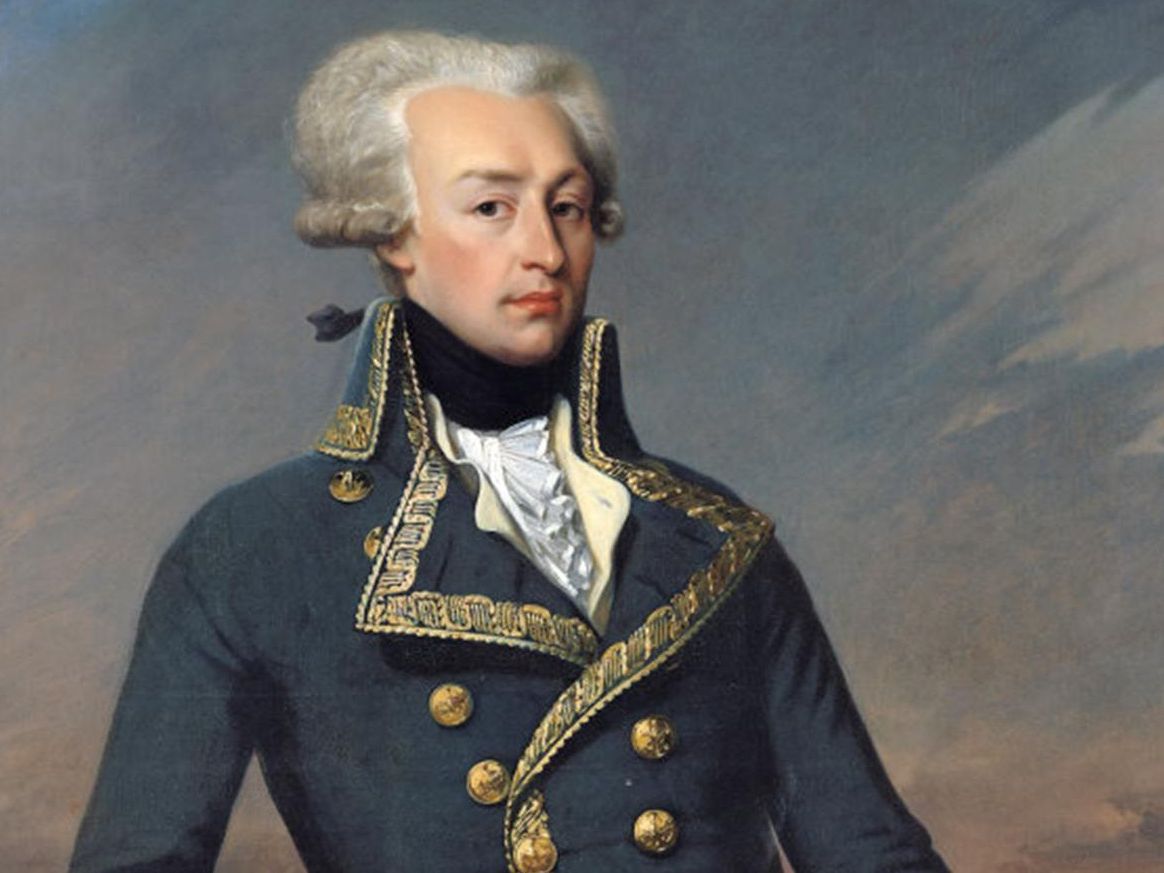
Louis XIV, often referred to as the “Sun King” (Le Roi Soleil), was one of the longest-reigning monarchs in European history, ruling for 72 years and 110 days, from 1643 to 1715. His reign is synonymous with the height of French absolutism and a golden age of French culture, art, and military power. Under his rule, France became a dominant force in Europe, and his ambitions extended far beyond its borders, including the establishment of colonies in the “New World.”
La Salle, undertaking his expedition down the Mississippi River, planted a cross and a flag bearing the fleur-de-lis, the royal emblem of France, at the mouth of the river. He declared that the lands drained by the river and its tributaries belonged to the French crown, naming this immense territory “La Louisiane” in honor of his king. This act formalized France’s claim to a region that would significantly shape the history of what is now the United States.
The Significance of the Name
The naming of Louisiana was more than just a geographical designation; it was a political statement. It signified France’s intent to establish a vast empire in North America. The territory claimed by La Salle was enormous, stretching from the Rocky Mountains to the Gulf of Mexico and encompassing much of the central United States.
Louis XIV’s reign was characterized by grandeur and a desire for absolute control. The naming of a vast colonial territory after him reflected this. It was a way to extend his personal glory and the prestige of the French monarchy to the furthest reaches of his dominion. This act of naming cemented a French identity in a land that would later become a melting pot of cultures, but whose foundational European identity was undeniably French.
From French Colony to American State: A Shifting Identity
The journey of Louisiana from a French royal possession to an integral part of the United States involved numerous historical shifts, conflicts, and transactions. Yet, the name, a direct echo of its first European claim, has endured, a constant reminder of its origins.
Early French Settlements and Administration
Following La Salle’s declaration, the French began to establish a more permanent presence in the territory. Early settlements were primarily focused along the coast and the banks of the Mississippi River. The city of New Orleans, founded in 1718 by Jean-Baptiste Le Moyne de Bienville, became the capital of the colony and a vital port.

Under French rule, the colony of Louisiana faced numerous challenges, including harsh conditions, difficult relations with indigenous tribes, and economic struggles. Despite these difficulties, the French administration aimed to recreate aspects of French culture and society in the new land, influencing everything from architecture to legal systems.
The Transfer of Power: Spanish and Back to French
The colonial fate of Louisiana was not a simple linear progression. In a complex geopolitical maneuver following the Seven Years’ War (known as the French and Indian War in North America), which saw France cede much of its North American territory to Great Britain, a secret treaty in 1762 transferred control of the western part of Louisiana to Spain. This transfer was intended to prevent the territory from falling into British hands.
For nearly four decades, Louisiana was under Spanish rule. The Spanish administration brought its own influences, particularly in the architecture of New Orleans and the development of its legal framework. However, Napoleon Bonaparte, seeking to re-establish French influence and create a new empire in the Americas, negotiated the return of Louisiana to France in 1800 through the Treaty of San Ildefonso. This restoration was short-lived.
The Louisiana Purchase: A Pivotal Moment
By 1803, France was embroiled in conflict in Europe and needed funds. Facing the prospect of a war with Great Britain and the inability to defend a vast territory across the Atlantic, Napoleon decided to sell Louisiana to the United States. The Louisiana Purchase, finalized on April 30, 1803, was a monumental land deal, doubling the size of the United States for approximately $15 million.
This purchase marked the end of French colonial rule in the territory and the beginning of its integration into the American republic. Despite the change in sovereignty, the name “Louisiana,” a direct legacy of King Louis XIV, persisted, becoming the name of the 18th state admitted to the Union in 1812.
The Enduring Echo of a Royal Name
The name Louisiana is more than just a label; it’s a historical marker that encapsulates centuries of exploration, colonization, and cultural exchange. It is a testament to the ambition of King Louis XIV and the enduring legacy of French influence in the United States.
A Name That Bridges Cultures
The story of Louisiana is one of remarkable cultural synthesis. While named for a French king, the land was shaped by the indigenous peoples who inhabited it for millennia, the Spanish administration, the influx of diverse settlers from Europe, and the profound impact of African cultures brought through the transatlantic slave trade.
Today, Louisiana is renowned for its vibrant and unique culture, a fusion of these many influences. From the soulful rhythms of New Orleans jazz to the spicy flavors of Cajun and Creole cuisine, the state’s identity is a rich tapestry woven from its complex history. The name Louisiana serves as a constant reminder of its origins, a gateway to understanding the layers of history that make this southern state so distinctive.
Connecting with the Past Through Exploration
For travelers and history enthusiasts, understanding the origin of the name Louisiana adds a profound layer to their exploration of the state. It invites them to delve into the stories of figures like La Salle and Louis XIV, to imagine the vastness of the territories they claimed, and to appreciate the subsequent historical transformations that have shaped the region.
Visiting landmarks in Louisiana, such as the historic French Quarter in New Orleans with its distinctive architecture, or exploring the remnants of colonial forts, allows one to connect directly with this past. The very name of the state is an invitation to uncover the historical narratives that lie beneath its surface, a tribute to a king whose influence, through a vast territory, continues to resonate today.
LifeOutOfTheBox is a participant in the Amazon Services LLC Associates Program, an affiliate advertising program designed to provide a means for sites to earn advertising fees by advertising and linking to Amazon.com. Amazon, the Amazon logo, AmazonSupply, and the AmazonSupply logo are trademarks of Amazon.com, Inc. or its affiliates. As an Amazon Associate we earn affiliate commissions from qualifying purchases.