
The vast expanse of the American Southwest beckons with its diverse landscapes and rich cultural tapestry. For many travelers planning an ambitious road trip or a new adventure, understanding the distances between key states like Texas and Arizona is a crucial first step. These two states, while neighbors in the grand scheme of the United States, offer distinctly different experiences, making the journey between them a gateway to a variety of attractions and activities. This exploration delves into the geographical realities of traveling from Texas to Arizona, considering not only the mileage but also the temporal and experiential aspects of the journey.

Understanding the Geographic Divide
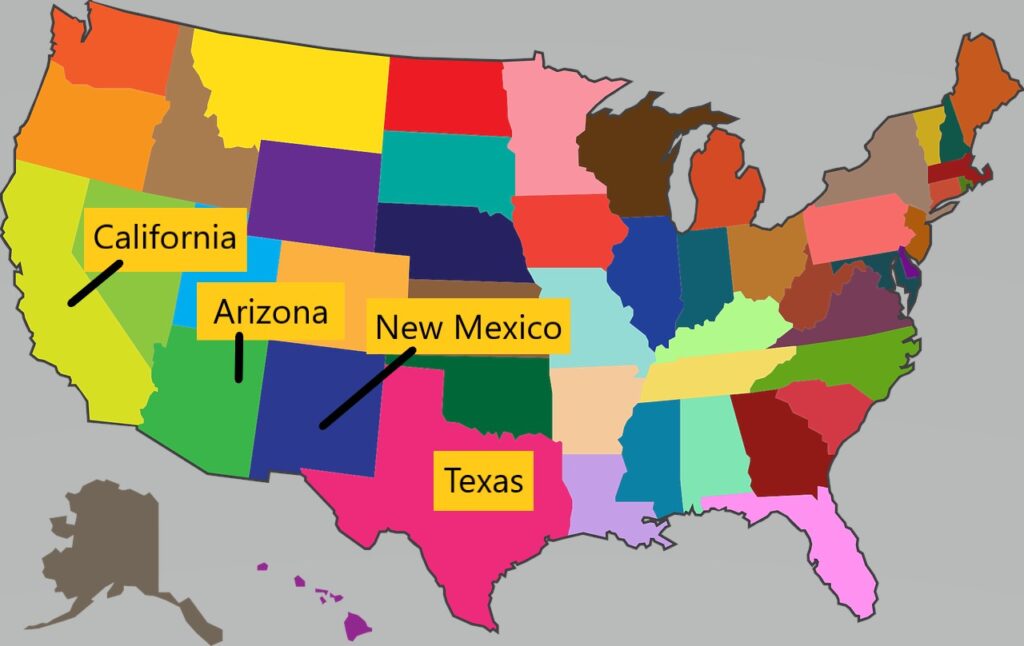
The distance between Texas and Arizona is not a single, fixed number. It varies significantly depending on the starting point in the vast Lone Star State and the intended destination within the Grand Canyon State. Texas is the second-largest state in the U.S. by area, and Arizona is the sixth-largest. This sheer scale means that even within each state, travel times can be substantial.
Key Entry Points and Their Distances
To provide a more concrete understanding, let’s consider some common travel scenarios:
-
From El Paso, Texas to Tucson, Arizona: This is one of the most direct routes, traversing a significant portion of West Texas and entering Arizona near Tucson. The driving distance is approximately 315 miles, typically taking around 4.5 to 5 hours, assuming no significant stops and favorable driving conditions. This route primarily follows Interstate 10, a major artery connecting the two states.
-
From Dallas, Texas to Phoenix, Arizona: This represents a longer journey, covering a considerable distance across the central and western parts of Texas before entering Arizona. The driving distance is roughly 1,100 miles, translating to an estimated 16 to 18 hours of pure driving time. This journey would necessitate at least one overnight stop for most travelers, making it a multi-day adventure. The route might involve highways like I-20 and then connect to I-10 or other major routes through New Mexico.
-
From Houston, Texas to Flagstaff, Arizona: This is perhaps one of the longest common routes, starting from the southeastern edge of Texas and heading to northern Arizona, near the majestic Grand Canyon National Park. The driving distance can exceed 1,200 miles, with driving times potentially reaching 19 to 22 hours. This cross-country trek would definitely require multiple days of travel, offering ample opportunity to explore cities and landscapes along the way.
Factors Influencing Travel Time
Beyond the raw mileage, several factors can influence the actual travel time from Texas to Arizona:
- Road Conditions and Traffic: Major interstates are generally well-maintained, but construction, accidents, or heavy traffic, especially near metropolitan areas like Dallas, Austin, or Phoenix, can add significant delays.
- Weather: The Southwest can experience diverse weather patterns. While summer in Arizona can be extremely hot, winter can bring snow and ice to higher elevations, potentially impacting travel on certain routes. Dust storms are also a possibility in arid regions.
- Stops and Breaks: A road trip is rarely a continuous drive. Drivers need to factor in time for fuel, meals, rest breaks, and potential overnight accommodations. These stops, while necessary, extend the overall journey duration.
- Mode of Transportation: While this discussion primarily focuses on driving, flying is another option. Flights from major Texas cities like Dallas/Fort Worth International Airport or Houston George Bush Intercontinental Airport to Phoenix Sky Harbor International Airport are generally around 2.5 to 3 hours of flight time, plus airport procedures.
Planning Your Texas to Arizona Expedition
Embarking on a journey from Texas to Arizona is more than just covering miles; it’s about charting a course through diverse terrains and experiencing the unique character of each state. Careful planning is essential to maximize the enjoyment and minimize the stresses of such an undertaking.
Choosing Your Route Strategically
The choice of route should align with your travel objectives. Are you aiming for the quickest transit, or are you seeking to explore points of interest along the way?
- The Direct Route: For those prioritizing speed, the route utilizing Interstate 10 through West Texas and southern Arizona is the most efficient. This path offers glimpses of desert landscapes and passes through towns like Fort Stockton, El Paso, and Tucson.
- The Scenic and Exploratory Route: Travelers with more time might opt for a northerly route, perhaps via Interstate 20 across central Texas and then connecting to routes that pass through parts of New Mexico. This could include stops in cities like Santa Fe or Albuquerque before descending into Arizona. This approach allows for a deeper immersion into the cultural and historical richness of the Southwest.
Recommended Itineraries and Stops
Depending on the chosen route and available time, several key destinations and attractions can enhance the travel experience:
For Shorter Trips (Focus on direct routes):
- El Paso, Texas: Before crossing into Arizona, El Paso offers a unique blend of Texan and Mexican culture. Visit the Mission Trail or enjoy authentic Tex-Mex cuisine.
- Tucson, Arizona: Known for its vibrant arts scene and stunning desert vistas, Tucson is a perfect first stop in Arizona. Don’t miss a visit to Saguaro National Park or the historic Mission San Xavier del Bac.
For Longer Expeditions (Incorporating more exploration):
- Marfa, Texas: A small desert town that has become an art mecca, Marfa is an unusual but rewarding detour for those traveling west from Central or West Texas. It’s famous for its minimalist art installations and the mysterious Marfa Lights.
- Santa Fe, New Mexico: If your route takes you north of El Paso, a detour to Santa Fe is highly recommended. This historic capital city boasts a unique Pueblo-style architecture, a thriving art community, and a rich culinary heritage influenced by Native American and Spanish traditions. Explore the Georgia O’Keeffe Museum or the historic Plaza.
- Sedona, Arizona: Known for its dramatic red rock formations and spiritual ambiance, Sedona is a must-visit. Activities include hiking, jeep tours, and exploring the numerous art galleries and spiritual centers.
- Grand Canyon National Park: No trip to northern Arizona is complete without witnessing the awe-inspiring scale of the Grand Canyon. Whether viewed from the South Rim or the less-visited North Rim, its grandeur is unforgettable.
Accommodation and Amenities
Along the various routes between Texas and Arizona, travelers will find a wide range of accommodation options to suit different budgets and preferences.
- Major Cities: Cities like El Paso, Tucson, Phoenix, and Flagstaff offer a comprehensive selection of hotels, from budget-friendly motels to luxury resorts. These urban centers also provide abundant dining and shopping opportunities.
- Smaller Towns: Smaller towns along the route may have more limited options, typically featuring familiar chain hotels and local inns. It’s advisable to book accommodation in advance, especially during peak travel seasons.
- Unique Stays: For a more immersive experience, consider unique stays such as desert lodges, historic bed and breakfasts, or even glamping sites, particularly in areas around Sedona or near national parks.
Navigating the Journey: Practical Travel Tips
Traveling from Texas to Arizona is a significant undertaking that rewards thorough preparation. Beyond understanding the distances, a few practical tips can ensure a smoother and more enjoyable road trip.
Vehicle Preparation and Safety
Given the potentially long distances and varying terrain, ensuring your vehicle is in optimal condition is paramount.
- Tire Check: Inspect tires for proper inflation, tread depth, and any signs of wear or damage. This is especially critical for navigating hot desert roads.
- Fluid Levels: Check and top off all essential fluids, including engine oil, coolant, brake fluid, and windshield washer fluid.
- Emergency Kit: Pack a comprehensive emergency kit that includes jumper cables, a first-aid kit, a flashlight, basic tools, water, and non-perishable snacks. Consider adding extra water, especially for summer travel through desert areas.
- Navigation Tools: While GPS devices and smartphone apps are invaluable, carrying physical maps as a backup is a wise precaution, particularly in areas with limited cell service.
Embracing the Southwest Culture and Environment
Both Texas and Arizona have distinct cultural identities and environmental characteristics that are worth appreciating during your journey.
- Hydration: The arid climate of the Southwest necessitates constant hydration. Carry ample water and drink frequently, even if you don’t feel thirsty.
- Sun Protection: The sun’s rays can be intense. Wear sunscreen, hats, and sunglasses, and consider clothing that provides UV protection.
- Respect Local Customs: Both states have a rich history and diverse populations. Be mindful of local customs, particularly in areas with significant Native American or Hispanic heritage. Learning a few basic Spanish phrases can be helpful in some regions.
- Wildlife Awareness: Be aware of local wildlife, especially when driving at dawn or dusk. Animals such as deer, javelinas, and coyotes can pose hazards on the road.

Making the Most of the Drive
The journey itself can be as rewarding as the destination. Embrace the opportunity to explore the changing landscapes and unique roadside attractions.
- Roadside Attractions: Keep an eye out for quirky roadside attractions, historic markers, and scenic overlooks. These often provide memorable photo opportunities and insights into the local character.
- Local Cuisine: Sample the regional specialties. In Texas, this might mean barbecue or Tex-Mex. In Arizona, look for Sonoran hot dogs, green chile dishes, or Navajo tacos.
- Flexibility: While a plan is essential, allow for some flexibility. Sometimes the most memorable experiences come from spontaneous detours or unexpected discoveries.
The distance from Texas to Arizona is a variable measure, defined by the specific starting and ending points. However, it represents a journey across varied landscapes, offering a transition from the sprawling plains and ranches of Texas to the dramatic canyons, deserts, and mountains of Arizona. Whether you are driving a few hundred miles or over a thousand, the path is rich with opportunities for exploration, cultural immersion, and unforgettable travel experiences.
LifeOutOfTheBox is a participant in the Amazon Services LLC Associates Program, an affiliate advertising program designed to provide a means for sites to earn advertising fees by advertising and linking to Amazon.com. Amazon, the Amazon logo, AmazonSupply, and the AmazonSupply logo are trademarks of Amazon.com, Inc. or its affiliates. As an Amazon Associate we earn affiliate commissions from qualifying purchases.