
The impact of natural disasters on a destination’s tourism infrastructure and the experiences of its visitors is a critical consideration for any traveler. Understanding the timeline and the aftermath of significant events like Hurricane Maria can provide valuable context for planning future trips and appreciating the resilience of a place. While the title poses a direct question about a specific event, its relevance to travel lies in understanding how such events shape the destination’s recovery, its current offerings, and the visitor experience.
The Arrival and Impact of Hurricane Maria
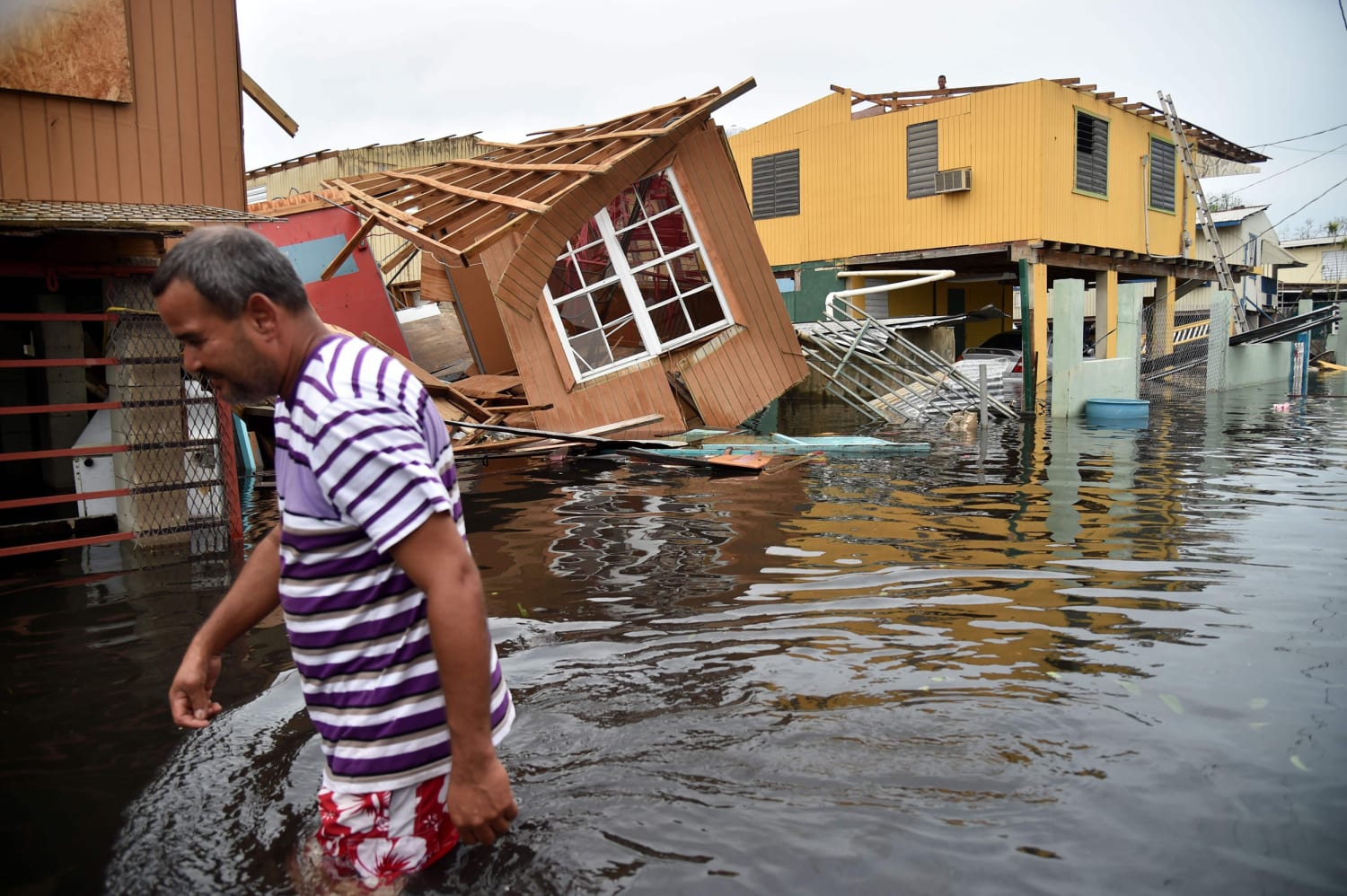
Hurricane Maria was a devastating Category 5 hurricane that made landfall in Puerto Rico on September 20, 2017. Its arrival was marked by sustained winds of 155 miles per hour, bringing widespread destruction across the entire island. The immediate aftermath saw unprecedented challenges, including a near-total loss of power, extensive damage to infrastructure, and a significant disruption to essential services.

Initial Landfall and Path
The storm formed in the eastern Caribbean Sea and intensified rapidly before targeting the northeastern Caribbean. Its path was relentless, directly impacting islands like Dominica before setting its sights on Puerto Rico. The eye of the hurricane made landfall near Yabucoa, unleashing its fury on coastal communities and inland areas alike.
Sustained Wind and Rainfall
Beyond the sheer force of the winds, the prolonged exposure to high-velocity gusts caused immense damage to buildings, homes, and natural landscapes. The intense rainfall, often exceeding 20 inches in many areas, led to widespread flooding and mudslides, further exacerbating the destruction and posing significant risks to life and property. This combination of wind and water proved to be catastrophic for the island’s infrastructure, including its vital transportation networks and communication systems.
The Immediate Aftermath: A Tourism Perspective
The immediate period following Hurricane Maria was characterized by a profound humanitarian crisis. For the tourism sector in Puerto Rico, this meant a sudden and complete halt to all operations. Airports were closed, roads were impassable, and the island’s renowned attractions were either damaged or inaccessible.
Infrastructure Devastation
The damage to power grids, water systems, and telecommunications networks had a direct and immediate impact on the hospitality industry. Hotels, restaurants, and tour operators faced immense challenges in resuming operations. The lack of reliable electricity and clean water made it impossible to host guests, leading to widespread cancellations and a cessation of all tourism activities.
Port Closures and Accessibility
Seaports and airports remained non-operational for an extended period, hindering the arrival of essential supplies, including those needed for rebuilding and for supporting the tourism sector. The ability for tourists to reach Puerto Rico was severely limited, effectively putting the island’s tourism economy on pause.
The Road to Recovery: Rebuilding the Tourism Landscape

The recovery process for Puerto Rico was a testament to the resilience and determination of its people. The rebuilding of the tourism sector was a gradual but steady process, involving significant efforts to restore infrastructure, rebuild damaged properties, and re-establish essential services.
Restoring Essential Services
The restoration of electricity and water was a monumental task that took months, and in some remote areas, over a year. This was a crucial prerequisite for reopening hotels and other tourism-related businesses. The community, along with national and international aid efforts, worked tirelessly to bring these essential services back online, paving the way for the return of visitors.
Rebuilding Hotels and Attractions
Many of Puerto Rico’s iconic hotels and resorts sustained significant damage. The rebuilding process involved extensive repairs and, in some cases, complete renovations. Landmarks such as the El Yunque National Forest also faced considerable damage, and efforts were made to clear trails and restore access for visitors as quickly and safely as possible.
Re-establishing Connectivity
Modern travel relies heavily on communication. The rebuilding of communication networks, including internet and cellular service, was vital for the tourism industry to reconnect with potential visitors and for visitors to stay connected during their stay. This effort was paramount in restoring traveler confidence.
Tourism Post-Maria: A Resilient Destination
The period following Hurricane Maria saw Puerto Rico demonstrate remarkable resilience. While the storm left an indelible mark, the island has since worked diligently to rebuild and enhance its tourism offerings. For travelers, understanding this history provides a deeper appreciation for the destination’s recovery and the vibrant experiences now available.
Current State of Tourism
Today, Puerto Rico stands as a testament to recovery and renewed vibrancy. Its tourism sector has not only bounced back but has, in many ways, been revitalized. Travelers can once again explore its rich cultural heritage, pristine beaches, and lush rainforests, often with improved infrastructure and enhanced visitor experiences.
Planning a Trip Post-Maria
When planning a trip to Puerto Rico after Hurricane Maria, travelers can expect a well-established tourism infrastructure. Hotels across the island, from luxury resorts in San Juan to boutique guesthouses in smaller towns, are operational and welcoming guests. Popular attractions like the Old San Juan historic district, the bioluminescent bays, and the beaches of Vieques and Culebra are fully accessible and thriving.
Supporting Local Recovery Through Travel
Choosing to visit Puerto Rico is more than just a vacation; it’s an opportunity to directly support the island’s ongoing economic recovery and to witness firsthand the spirit of its people. By engaging with local businesses, enjoying the diverse culinary scene, and participating in the many available activities, travelers contribute to the sustained growth and prosperity of this beautiful Caribbean destination. The story of Puerto Rico after Hurricane Maria is one of hope, resilience, and the enduring allure of a truly captivating place.
LifeOutOfTheBox is a participant in the Amazon Services LLC Associates Program, an affiliate advertising program designed to provide a means for sites to earn advertising fees by advertising and linking to Amazon.com. Amazon, the Amazon logo, AmazonSupply, and the AmazonSupply logo are trademarks of Amazon.com, Inc. or its affiliates. As an Amazon Associate we earn affiliate commissions from qualifying purchases.