
Establishing residency in California is a multifaceted process that primarily revolves around demonstrating a clear intent to make the Golden State your permanent home and taking concrete steps to cement your long-term presence. While seemingly administrative, the core of this endeavor is securing and maintaining stable, long-term accommodation, which serves as tangible proof of your commitment to living within the state. For anyone considering a permanent move, understanding these foundational requirements and practical steps is crucial for a smooth transition and full integration into California life.
Understanding the Core Requirements for California Residency
At its heart, establishing residency in California involves proving two key elements: your physical presence within the state and your genuine intent to remain there indefinitely. These aren’t just abstract concepts; they are substantiated through a series of actions and documentation directly tied to your long-term stay.
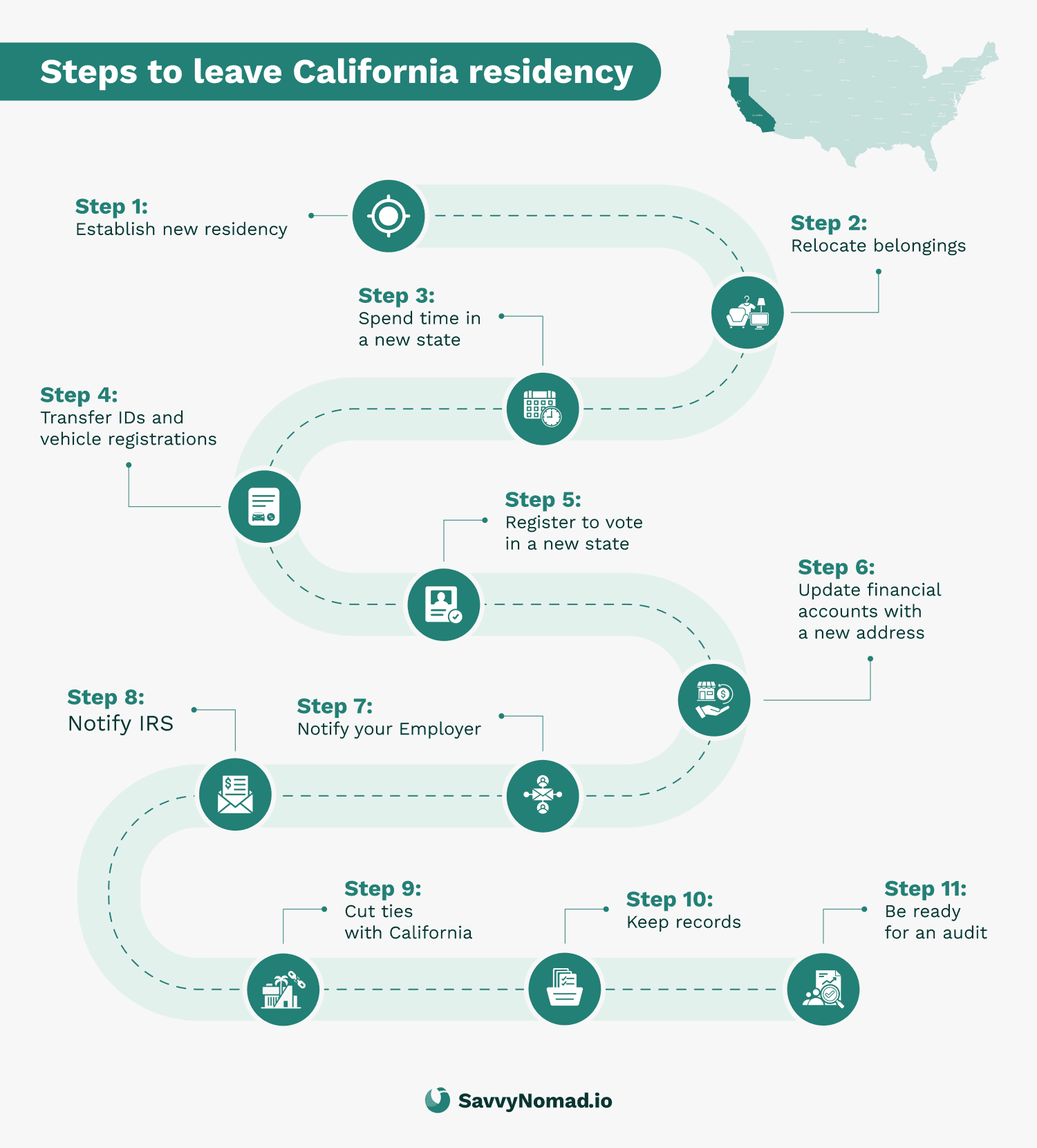
Physical Presence and Intent
The state of California requires a demonstration of continuous physical presence. While there isn’t a universally fixed number of days, generally spending more than six months (183 days) within the state’s borders during a calendar year is a common threshold that tax authorities and other agencies consider significant. However, mere physical presence isn’t enough; it must be coupled with an “intent” to reside permanently. This intent is typically inferred from a collection of your actions, most notably how you secure and utilize your accommodation. Renting an apartment, leasing a house, or purchasing property are among the most robust ways to show a long-term commitment to a physical address within California. Short-term stays in hotels or vacation rentals, while providing physical presence, do not convey the necessary intent for establishing formal residency. The lease agreement for a year-long apartment or the deed to a home in, for example, Los Angeles or San Francisco, serves as powerful evidence of your long-term accommodation plans.
Legal Documentation and Proof
Beyond physically being in California and intending to stay, you’ll need to accumulate official documents that solidify your resident status. These documents are directly linked to your chosen long-term accommodation and daily life. Key pieces of evidence include:
- Lease Agreements or Property Deeds: This is perhaps the most fundamental piece of evidence. A long-term lease (typically 12 months or more) for an apartment or house, or the deed if you’ve purchased a home, unequivocally demonstrates your commitment to a specific address within the state.
- Utility Bills: Connecting utilities such as electricity, gas, water, internet, and trash services under your name at your California address is critical. These bills, dated consistently over time, further prove your physical occupation and responsibility for a long-term residence.
- Bank Accounts: Opening a local bank account with a California address provides additional proof of financial integration into the state.
- Mail: Receiving official mail at your California residence, such as bank statements, insurance documents, or government correspondence, helps establish your address.
- Employment Records: If you are working, pay stubs or an employment letter from a California employer, showing your local address, are strong indicators of your long-term integration.
The accumulation of these documents, all pointing to your California address as your primary residence, forms a compelling case for establishing your permanent stay.
Securing Your Long-Term Accommodation
The cornerstone of establishing residency is securing a stable, long-term place to live. California’s housing market is diverse, ranging from vibrant urban centers like San Diego to quieter suburban communities and rural areas, each with its unique characteristics and price points.
Navigating the Rental Market in California
For many new residents, renting is the initial step towards long-term accommodation. The rental market in California, particularly in major metropolitan areas such as the Bay Area, Orange County, or Sacramento, can be competitive. Key considerations include:
- Researching Neighborhoods: Different areas offer varying lifestyles, commute times, and price ranges. Extensive research is essential to find a neighborhood that aligns with your preferences and budget for a long-term stay.
- Understanding Lease Agreements: California landlord-tenant laws are extensive. Familiarize yourself with standard lease terms, tenant rights, and responsibilities. A typical lease for establishing residency is a fixed-term agreement, usually 12 months, which clearly indicates your commitment to a long-term stay at that address.
- Application Process: Be prepared for a thorough application process, which often includes credit checks, background checks, income verification, and references. Having all necessary documentation ready can streamline the process.
- Rental Insurance: While not always mandatory, obtaining renter’s insurance is highly recommended to protect your belongings in your new long-term home.
Securing a formal lease agreement with your name on it is a critical step in proving your intent for a long-term stay and establishing your physical address for residency purposes.
Considerations for Purchasing Property
For those with the financial means and a strong commitment to California, purchasing a home is the ultimate demonstration of long-term residency. This commitment comes with its own set of considerations:
- Market Fluctuations: California’s real estate market is dynamic. Working with a local real estate agent who understands specific regional markets, whether in Palm Springs or Napa Valley, is crucial.
- Mortgage and Financing: Securing a mortgage requires a stable financial history and proof of income. Your new California address will become central to all financial correspondence.
- Property Taxes: Be aware of California’s property tax system, including Proposition 13 and potential supplemental tax bills. These taxes are directly tied to your ownership and long-term stay at the property.
- Homeowners Insurance: Essential for protecting your investment, homeowners insurance policies will also be tied to your specific California address.
Owning property in California is a very strong indicator of intent for permanent residency and provides a stable foundation for your long-term stay.
Essential Utility Setup for Your New Home
Once you have secured your long-term accommodation, connecting and maintaining utilities in your name is another powerful proof point for residency. These services are intrinsically linked to inhabiting a long-term residence.
- Electricity and Gas: Providers like Pacific Gas and Electric (PG&E), Southern California Edison, or San Diego Gas & Electric serve different regions. Setting up accounts demonstrates your physical presence at a California address.
- Water and Sewer: These services are typically managed by local municipal water districts. Bills received at your address are further evidence of your long-term stay.
- Internet and Cable: While perhaps not as essential for legal proof as electricity or water, having these services in your name at your California address contributes to the overall picture of a permanent resident.
- Trash and Recycling: Often handled by local municipalities or private contractors, these services are fundamental to maintaining a long-term residence and generate bills that prove your address.
Ensure all utility accounts are set up in your name at your new California address. The recurring bills serve as excellent, continuous proof of your long-term accommodation and physical presence in the state.
Essential Administrative Steps for New Residents
Beyond securing your accommodation, several administrative actions are directly related to formalizing your residency and integrating your long-term stay into the state’s official systems.
Driver’s License and Vehicle Registration
One of the most significant steps for establishing residency is obtaining a California driver’s license and registering any vehicles you own.
- California Department of Motor Vehicles (DMV): The DMV is the primary agency for these tasks. You generally have 10 days after establishing residency to apply for a California driver’s license and 20 days to register your out-of-state vehicle.
- Proof of Residency: When applying for a driver’s license or vehicle registration, the DMV will require multiple documents proving your California address. These include your lease agreement, utility bills, bank statements, and other official mail received at your long-term accommodation. Your driver’s license, once obtained, becomes a primary form of identification reflecting your California address and solidifying your status as a long-term resident.
- Car Insurance: You will need to obtain car insurance from a company licensed to operate in California and tied to your new California vehicle registration and address.
These steps are critical for formalizing your long-term presence and are strongly linked to your physical address within the state.
Voter Registration and Tax Implications
Further cementing your residency involves engaging with the state’s civic and financial systems.
- Voter Registration: Registering to vote in California is a clear public declaration of your intent to reside permanently and participate in local governance. This also uses your long-term California address.
- Tax Residency: Understanding California’s income tax laws is crucial. As a resident, you will be subject to state income tax on all your income, regardless of where it was earned. The Franchise Tax Board (FTB) determines residency based on factors like the amount of time spent in the state, your domicile (which is primarily proven by your long-term accommodation), and your connections to the state. Your lease, utility bills, and California driver’s license all play a role in proving your tax residency.
- Professional Licenses: If your profession requires a state license, ensure you transfer or obtain the necessary California license, further tying your professional life to your long-term stay in the state.
These administrative actions, all directly linked to your established long-term accommodation, collectively create a strong, verifiable record of your residency in California.
Integrating into the California Community
Beyond the official paperwork, true establishment of residency involves embedding yourself in the local fabric, which inherently starts with your physical location and the services available for your long-term stay.
Local Services and Amenities
As a long-term resident, you’ll naturally interact with various local services and amenities based on your accommodation’s location.
- Healthcare: Registering with local doctors, dentists, and hospitals in your new California community connects your health and well-being directly to your long-term address.
- Schools: If you have children, enrolling them in local schools is a strong indicator of your family’s long-term commitment to the area and requires proof of your California address.
- Postal Services: Setting up mail forwarding from your previous address to your new California home ensures you receive all correspondence, further cementing your new primary address.
- Libraries and Community Centers: Obtaining a library card or participating in local community activities often requires proof of local residency, reinforcing your connection to your long-term home.

Building Your Support Network
While not a legal requirement, building a support network within California significantly enhances your long-term stay and sense of belonging. This often begins within your immediate community, stemming from your accommodation choice.
- Neighbors: Getting to know your neighbors in your apartment complex or on your street can provide local insights and a sense of community for your long-term residence.
- Local Groups and Organizations: Joining clubs, volunteer organizations, or professional networks helps you build connections and become an active member of your new community, which all stems from your chosen long-term home base.
- Establishing Relationships: Forming relationships with local service providers, from your hairdresser to your local coffee shop barista, also subtly reinforces your presence as a permanent fixture in the community.
Establishing residency in California is a deliberate and continuous process, heavily reliant on demonstrating your commitment to a long-term stay. By meticulously addressing your accommodation needs, securing essential services, and completing the necessary administrative steps, you effectively lay the groundwork for a successful and lasting life in the Golden State.
LifeOutOfTheBox is a participant in the Amazon Services LLC Associates Program, an affiliate advertising program designed to provide a means for sites to earn advertising fees by advertising and linking to Amazon.com. Amazon, the Amazon logo, AmazonSupply, and the AmazonSupply logo are trademarks of Amazon.com, Inc. or its affiliates. As an Amazon Associate we earn affiliate commissions from qualifying purchases.