
The allure of Big Sur is undeniable. This rugged stretch of California coastline, where the Santa Lucia Mountains dramatically plunge into the Pacific Ocean, has captivated artists, writers, and travelers for generations. For those planning a journey from the vibrant cityscape of San Francisco to this natural wonderland, understanding the distance and the best ways to traverse it is paramount to crafting an unforgettable adventure. The proximity, while seemingly straightforward, involves considerations of route, traffic, and the ultimate destination within Big Sur itself, as the region encompasses a significant and varied landscape.

Navigating the Distance: Driving Routes and Travel Times
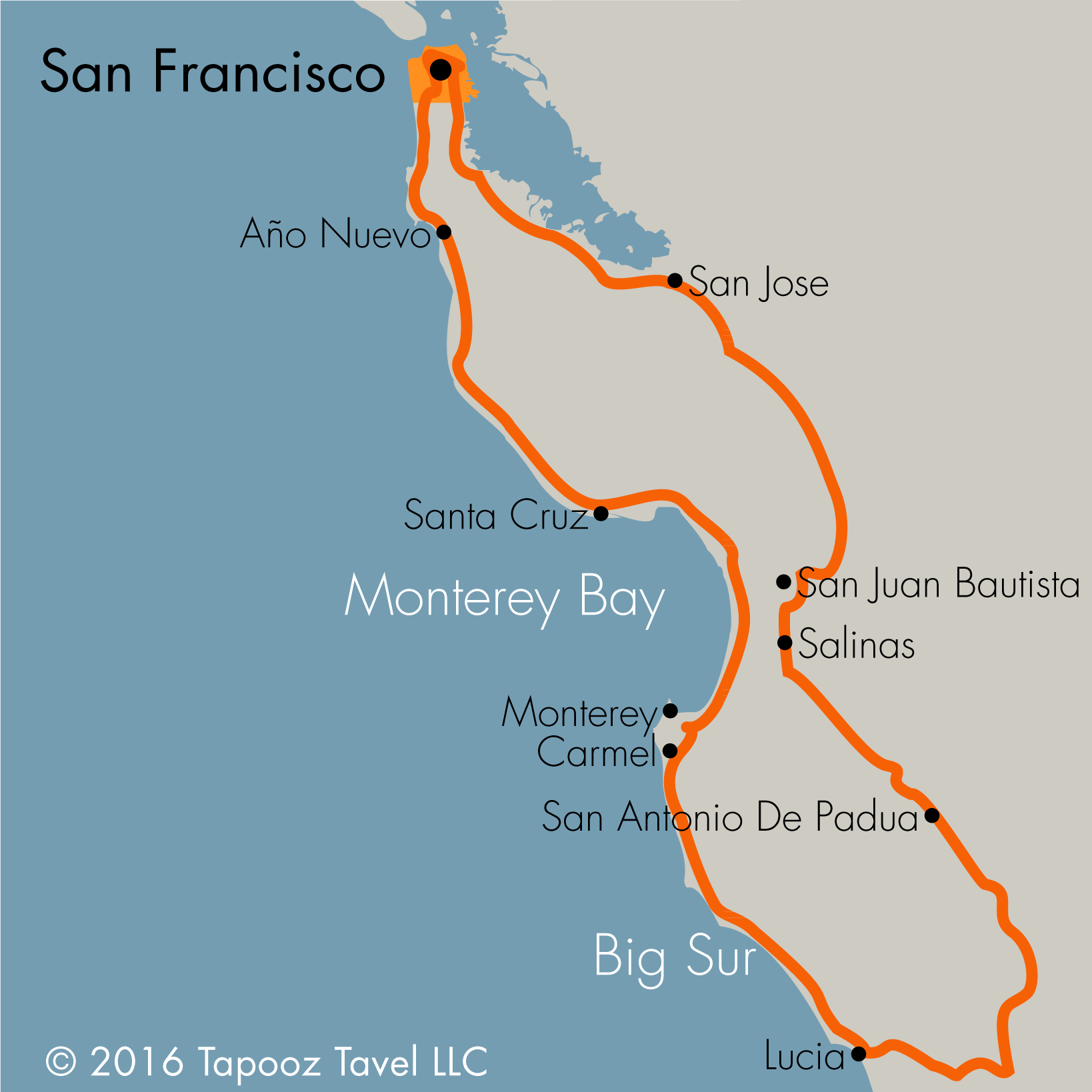
The most common and scenic way to travel from San Francisco to Big Sur is by car, offering unparalleled opportunities to soak in the coastal vistas. The primary route is via Highway 1, a legendary byway renowned for its breathtaking beauty.
The Classic Coastal Drive via Highway 1
This iconic drive is the quintessential Big Sur experience. Departing from San Francisco, you’ll head south, eventually connecting to Highway 1. The journey typically begins by crossing the iconic Golden Gate Bridge and heading south on US-101, then transitioning to Highway 1 near Pacifica.
Distance: The direct driving distance from the southern edge of San Francisco to the northern gateway of Big Sur (near Carmel-by-the-Sea) is approximately 120-140 miles. However, Big Sur is not a single point but a vast region, and the drive to its more central or southern attractions will extend this distance.
Estimated Driving Time: Under ideal conditions, without significant stops or traffic, the drive can take between 2.5 to 3.5 hours. This estimate is for reaching the general vicinity of Carmel-by-the-Sea or Point Lobos State Natural Reserve. To reach landmarks further south, such as Julia Pfeiffer Burns State Park or Hearst Castle, expect the drive to extend to 4-6 hours or more.
Factors Influencing Travel Time:
- Traffic: San Francisco and its surrounding Bay Area can experience significant traffic congestion, particularly during weekday rush hours and on weekends. Delays leaving the city can add considerable time to your journey.
- Road Conditions: Highway 1 is renowned for its dramatic cliffs and ocean proximity, which can sometimes lead to closures due to landslides or weather. It is crucial to check road conditions with Caltrans before your departure.
- Scenic Stops: This route is designed for savoring. Pull-offs at viewpoints, spontaneous stops at charming coastal towns like Half Moon Bay, or leisurely lunches will undoubtedly extend your travel time. Planning for these impromptu detours is part of the joy of this drive.
- Daylight Hours: Especially during winter months, shorter daylight hours mean you’ll want to be mindful of your travel time to maximize your enjoyment of the scenic vistas before dusk.
Alternative Routes: The Inland Option
While less common for the direct scenic experience, an inland route is an option, particularly if Highway 1 is closed or if time is a critical factor. This typically involves taking US-101 South for a significant portion of the journey.
Route Overview: From San Francisco, you would take US-101 South through the Peninsula and the South Bay. You would then typically connect to CA-156 East to reach the Monterey Peninsula, and from there, head south on Highway 1 towards Big Sur.
Distance and Time: This route can be slightly shorter in mileage depending on the exact start and end points, but the driving time might be comparable or even longer due to more highway driving and less scenic allure. It bypasses the most dramatic coastal stretches until you reach the northernmost points of Big Sur. This option is generally considered when the primary coastal route is impassable.
Preparing for Your Journey: Essential Considerations
Embarking on a road trip from San Francisco to Big Sur requires thoughtful planning to ensure a smooth and enjoyable experience. The unique character of Big Sur necessitates attention to practical details.
Vehicle and Supplies
- Vehicle Check: Ensure your vehicle is in good working condition. The winding roads and occasional steep inclines demand a reliable car. Check tire pressure, brakes, and fluid levels before you set off.
- Fuel: Gas stations are few and far between once you enter the heart of Big Sur. It is highly recommended to fill your tank in Carmel-by-the-Sea or even earlier in San Francisco. Prices for fuel within Big Sur can be significantly higher.
- Food and Water: While there are a few dining options, they can be spaced out and sometimes exclusive. Packing snacks, water, and perhaps a picnic lunch is a wise strategy, especially if you plan to explore more remote areas or stop at numerous viewpoints.
- Navigation: Cell service can be unreliable or non-existent in many parts of Big Sur. Downloading offline maps or carrying a physical map is highly advisable.
Accommodation and Planning Your Stay
Big Sur offers a range of accommodation options, from rustic cabins to luxury resorts, but availability can be limited and booking well in advance is crucial.
- Booking in Advance: Popular hotels and campgrounds in Big Sur often book up months ahead, especially during peak season (spring through fall). Consider booking your lodging as soon as your travel dates are set.
- Types of Stays:
- Hotels and Inns: Options range from boutique inns like Post Ranch Inn and Ventana Big Sur, An Alila Resort offering luxurious experiences, to more modest motels and guesthouses.
- Camping: Several state parks offer camping, providing a more immersive nature experience. Reservations are typically required and can be competitive.
- Vacation Rentals: Private homes and cabins can be found, offering more space and privacy.
- Consider Nearby Towns: If Big Sur proper is booked or beyond your budget, consider staying in nearby towns like Carmel-by-the-Sea, Monterey, or even further south in Cambria. This may require longer daily drives into Big Sur itself.
When to Visit
The “best” time to visit Big Sur from San Francisco depends on your priorities:
- Spring (March-May): Wildflowers are in bloom, the landscape is lush and green, and the weather is often pleasant, though morning fog is common.
- Summer (June-August): This is peak tourist season. Expect crowds and potentially a persistent marine layer of fog, especially in the mornings, which can burn off by midday. Travel times can be longer.
- Fall (September-November): Often considered the ideal time. The fog tends to dissipate, offering clearer skies and stunning light. The crowds thin out, and the weather remains temperate.
- Winter (December-February): The region receives its most rainfall, leading to dramatic waterfalls and a vibrant, verdant landscape. However, Highway 1 closures due to storms are more likely. It’s a quieter time, ideal for those seeking solitude.
Experiencing Big Sur: Beyond the Drive
The journey from San Francisco is just the prelude to the wonders of Big Sur. The region is a treasure trove of natural beauty and iconic landmarks that beckon exploration.
Key Attractions Along the Route
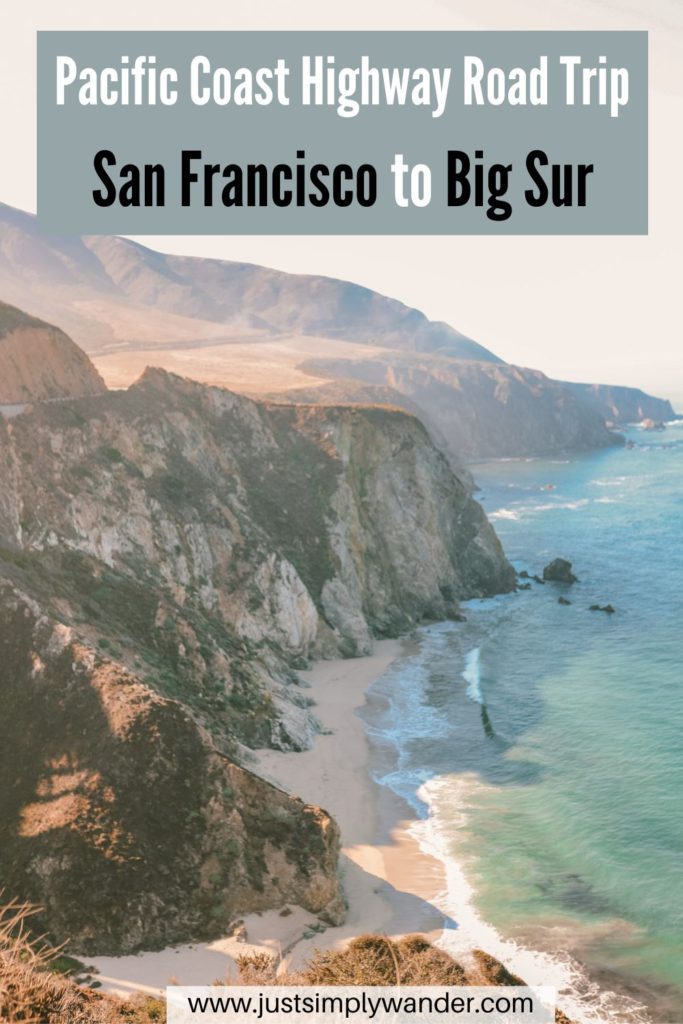
As you drive south on Highway 1, numerous pull-offs and points of interest will invite you to pause and admire the scenery.
- Bixby Creek Bridge: One of the most photographed bridges in California, offering spectacular views.
- Point Sur State Historic Park: Home to a historic lighthouse perched dramatically on a volcanic rock.
- Andrew Molera State Park: Offers hiking trails, beach access, and the chance to see local wildlife.
- Pfeiffer Big Sur State Park: Known for its redwood groves, hiking trails, and the Big Sur River.
- Julia Pfeiffer Burns State Park: Famous for McWay Falls, an 80-foot waterfall that cascades onto the beach below.
- Ragged Point: Often considered the southern gateway to Big Sur, offering stunning ocean vistas.
Activities and Experiences
The raw, untamed beauty of Big Sur lends itself to a variety of enriching activities that connect visitors with nature.
- Hiking: Numerous trails cater to all fitness levels, from short strolls through redwood forests to strenuous climbs offering panoramic ocean views.
- Photography: The dramatic coastline, iconic bridges, and vibrant flora and fauna provide endless opportunities for photographers.
- Wildlife Viewing: Keep an eye out for whales (during migration seasons), dolphins, sea otters, sea lions, and a variety of bird species.
- Relaxation: Simply finding a quiet cove or a scenic overlook to sit and absorb the immense beauty of the Pacific is an experience in itself.
- Dining: Enjoying a meal with an ocean view at renowned establishments like Nepenthe or Sierra Mar at Post Ranch Inn provides a luxurious culinary experience against a backdrop of unparalleled natural beauty.
Understanding the distance between San Francisco and Big Sur is the first step in planning an epic journey. By considering the routes, travel times, and practical preparations, travelers can transform this drive into an integral and unforgettable part of their California coastal adventure. The allure of Big Sur awaits, promising breathtaking vistas and profound natural beauty just a scenic drive away from the urban energy of San Francisco.
LifeOutOfTheBox is a participant in the Amazon Services LLC Associates Program, an affiliate advertising program designed to provide a means for sites to earn advertising fees by advertising and linking to Amazon.com. Amazon, the Amazon logo, AmazonSupply, and the AmazonSupply logo are trademarks of Amazon.com, Inc. or its affiliates. As an Amazon Associate we earn affiliate commissions from qualifying purchases.