
The question of “How far is Stanford from San Francisco?” is a common one for visitors and residents alike, bridging the prestigious academic institution with the vibrant heart of the Bay Area. While geographically proximate, the actual distance and the best ways to traverse it depend on your chosen mode of transportation, traffic conditions, and desired travel experience. Understanding these factors is key to planning an efficient and enjoyable journey between these two significant Californian hubs.
Understanding the Distance and Travel Times
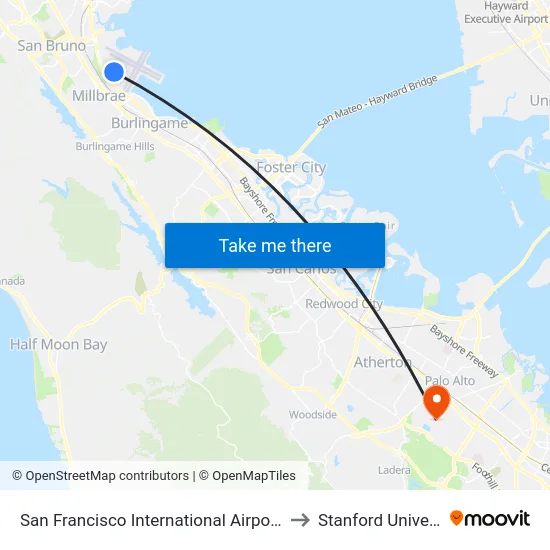
The physical distance between Stanford University in Palo Alto and downtown San Francisco is approximately 35 to 40 miles, depending on the specific starting and ending points. This seemingly short distance can be deceptive, as travel times can vary significantly, particularly during peak commuting hours.
Driving Distances and Routes
- Direct Route (US-101 North): The most straightforward driving route typically involves taking US-101 North from Palo Alto towards San Francisco. This highway is a major artery and can be subject to heavy congestion, especially during weekday mornings and late afternoons.
- Estimated Driving Time: Under ideal conditions with light traffic, the drive can take as little as 40 to 50 minutes. However, during rush hour, this can easily extend to 1.5 to 2 hours, or even longer in the event of accidents or major delays.
- Alternative Routes: While US-101 is the primary route, drivers may explore alternatives like I-280 North, which can sometimes offer a more scenic or slightly less congested experience, though it may add a few minutes to the overall journey. Navigating through the Peninsula often involves a mix of surface streets and highway segments, requiring familiarity with local road networks.
- Parking Considerations: Both Stanford and San Francisco present parking challenges. Stanford’s campus has various parking lots and garages, often requiring permits or payment. In San Francisco, parking is notoriously difficult and expensive, especially in popular districts like Union Square or the Financial District. It is advisable to research parking options in advance or consider alternatives to driving directly to your final destination within the city.
Public Transportation Options
For those seeking to avoid the hassles of driving and parking, public transportation offers a viable and often more relaxing way to travel between Stanford and San Francisco. The Bay Area boasts an integrated public transit system, making the journey relatively seamless.
- Caltrain: The most direct public transit option is Caltrain, a commuter rail service that runs along the San Francisco Peninsula.
- Route: The Caltrain station nearest to Stanford is the Palo Alto Transit Center. From here, passengers can board a northbound train towards San Francisco. The final Caltrain station in the city is the San Francisco Caltrain Station at 4th and King Street.
- Travel Time: A typical Caltrain journey from Palo Alto to San Francisco takes approximately 50 to 70 minutes, depending on the type of train (local vs. express) and the number of stops.
- Frequency: Caltrain operates frequently throughout the day, with increased service during peak commute times. It’s advisable to check the Caltrain schedule for specific departure times.
- Connecting to San Francisco Transit: Upon arrival at the San Francisco Caltrain Station, passengers can easily connect to other public transit systems within the city.
- Muni Metro: The San Francisco Municipal Railway (Muni) offers extensive bus and light rail lines that can take you to various parts of the city, including popular tourist destinations like Fisherman’s Wharf, Union Square, and the Museum District.
- BART: For destinations further afield or for those arriving from other parts of the Bay Area, the Bay Area Rapid Transit (BART) system can be accessed from certain Muni stations.
Ride-Sharing and Taxis
Ride-sharing services like Uber and Lyft, as well as traditional taxis, are readily available at Stanford and throughout Palo Alto, offering a convenient door-to-door option to San Francisco.
- Cost: The cost of a ride-sharing trip or taxi can vary significantly based on demand, surge pricing, and traffic conditions. It is generally more expensive than public transportation but offers greater flexibility and comfort. Expect prices to range from $50 to over $100 for a one-way trip.
- Travel Time: Similar to driving a personal vehicle, travel times can be heavily influenced by traffic. During peak hours, ride-sharing services might opt for the same congested routes as private cars, leading to longer journey times.
- Convenience: The primary advantage of ride-sharing is the convenience of being picked up and dropped off at your desired locations without the need to navigate public transport connections or find parking.
Planning Your Trip: Factors to Consider
When planning your travel between Stanford and San Francisco, several key factors should influence your decision.
Time of Day and Week
- Commute Hours: Traveling during weekday morning (roughly 7-9 AM) and afternoon (4-6 PM) rush hours will significantly increase travel times, especially if driving. Public transportation, while still affected by congestion, often offers a more predictable schedule.
- Weekends and Holidays: Weekends generally see lighter traffic, making driving a more appealing option. However, popular attractions in San Francisco can be exceptionally crowded on weekends, impacting travel within the city.
- Late Nights: If traveling late at night, driving may be more efficient, but consider the availability of late-night public transportation options and the safety of your route.
Budget
- Driving: The cost of driving includes fuel, potential parking fees in San Francisco, and wear and tear on your vehicle.
- Public Transportation: Caltrain fares are generally affordable, with various pass options available. Connections to Muni will incur additional fares.
- Ride-Sharing: This is typically the most expensive option, especially for solo travelers, but can become more economical for groups sharing the fare.
Luggage and Companions
- Luggage: If you are traveling with a lot of luggage, driving or using ride-sharing services might be more practical than navigating public transport.
- Companions: Traveling with a group can make ride-sharing a more cost-effective and convenient choice compared to purchasing multiple individual transit tickets. For families, especially with young children, driving or ride-sharing might offer more flexibility and comfort.
Exploring the Environs: What to Do in Between
While the direct journey between Stanford and San Francisco is the primary focus, the region between these two points offers its own set of attractions and experiences.
The Peninsula’s Charm
The stretch of the San Francisco Peninsula between Palo Alto and San Francisco is dotted with charming towns and natural beauty.
- Menlo Park: Home to many tech companies and a pleasant downtown area, Menlo Park offers a quieter alternative to the bustling cities.
- Redwood City: This city boasts a vibrant downtown with a performing arts center and a historic courthouse.
- San Mateo: Offers a range of shopping and dining options, as well as several parks.
- Coastal Drives: For those with a car and extra time, scenic routes along Highway 1 offer breathtaking ocean views, though they significantly extend travel time.

Gateway to Silicon Valley and Beyond
Stanford itself is a significant destination, renowned for its stunning campus architecture, museums, and innovative spirit. San Francisco, of course, needs little introduction, offering iconic landmarks like the Golden Gate Bridge, Alcatraz Island, and a diverse culinary scene.
The proximity of Stanford to San Francisco makes it an ideal base for exploring the broader Bay Area. Whether you’re visiting for academic pursuits, business, or leisure, understanding the travel dynamics between these two influential locales is crucial for optimizing your experience. The journey is more than just covering miles; it’s about choosing the most efficient, enjoyable, and budget-friendly path to connect with the diverse offerings of Northern California.
LifeOutOfTheBox is a participant in the Amazon Services LLC Associates Program, an affiliate advertising program designed to provide a means for sites to earn advertising fees by advertising and linking to Amazon.com. Amazon, the Amazon logo, AmazonSupply, and the AmazonSupply logo are trademarks of Amazon.com, Inc. or its affiliates. As an Amazon Associate we earn affiliate commissions from qualifying purchases.