
Understanding the Complexities of Homelessness in a Major Tourist Hub
San Francisco, a city renowned for its iconic landmarks, vibrant culture, and as a premier destination for global tourism, presents a complex narrative when its homelessness crisis is examined. For visitors, the presence of individuals experiencing homelessness can be a stark contrast to the polished image of luxury hotels and bustling tourist attractions. Understanding the scope and nature of homelessness in San Francisco is crucial for appreciating the multifaceted reality of this dynamic city, and for fostering a more informed and compassionate perspective. This exploration delves into the figures, the factors contributing to the situation, and how this crisis intersects with the city’s identity as a global travel destination.

The question of “how many” is not a simple one, as the numbers fluctuate and are derived from various methodologies. These figures serve as critical indicators for policy, resource allocation, and public understanding. However, for a traveler, the impact extends beyond mere statistics; it’s about the lived experience of a city grappling with significant social challenges alongside its status as a sought-after destination.
The Point-in-Time Count: A Snapshot in Time
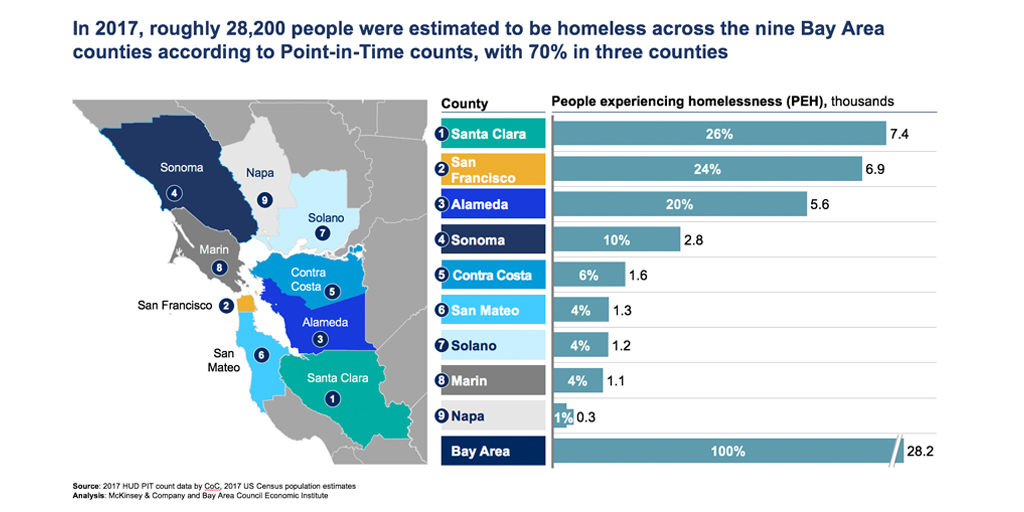
The primary method for quantifying homelessness in the United States, including San Francisco, is the Point-in-Time (PIT) count. This annual, or sometimes biennial, census is conducted on a single night in January, aiming to enumerate every individual experiencing homelessness within a specific geographic area. Volunteers and city outreach workers survey streets, shelters, and encampments to gather data on demographics, shelter status, and the duration of homelessness.
The PIT count for San Francisco has consistently shown a significant number of individuals without stable housing. While these numbers can vary year by year, they generally reflect tens of thousands of people. The count distinguishes between sheltered and unsheltered individuals, offering insight into the availability and accessibility of emergency and transitional housing options.
Trends and Fluctuations
Over the past decade, San Francisco has seen a concerning rise in its homeless population, with the PIT counts often reflecting this upward trend. Factors such as rising housing costs, stagnant wages, a lack of affordable housing stock, and mental health and addiction crises all contribute to this complex phenomenon. For visitors, the visibility of homelessness can be particularly noticeable in areas with high concentrations of tourist activity, such as the Tenderloin or along the Embarcadero.
The methodologies of the PIT count, while standardized, are not without limitations. They represent a single night’s snapshot and may not capture individuals who are temporarily sheltered or who move frequently. Furthermore, the count relies on the cooperation of those being surveyed and the effectiveness of the outreach efforts. Despite these challenges, the PIT count remains the most widely cited metric for understanding the scale of homelessness in San Francisco.
Factors Contributing to Homelessness in San Francisco
San Francisco’s economic prosperity, driven by its thriving tech industry, has unfortunately not translated into equitable housing solutions for all its residents. The city’s status as a global hub for innovation and tourism has also led to a dramatic increase in the cost of living, making it exceedingly difficult for low-income individuals and families to secure and maintain housing.
The Housing Affordability Crisis
The most significant driver of homelessness in San Francisco is the extreme lack of affordable housing. Median rents and home prices are among the highest in the nation, pushing a substantial portion of the population to the brink of housing instability. Even individuals with full-time employment can struggle to afford rent, leading to a precarious existence where a single financial setback can result in homelessness.
This crisis is exacerbated by a limited housing supply and restrictive zoning laws that hinder the development of new, more affordable units. While the city has implemented various housing initiatives and programs, the pace of construction and the scale of the problem often outstrip these efforts.
Economic Disparities and Income Inequality
The stark contrast between the city’s economic boom and the struggles of its low-wage workers and vulnerable populations fuels income inequality. Many service industry workers, essential to the functioning of San Francisco’s vibrant tourism and hospitality sectors, find themselves unable to afford to live in the city where they work. This economic disparity creates a widening gap, pushing more individuals into homelessness.
Mental Health and Addiction Services

The availability and accessibility of mental health and addiction services play a crucial role in both preventing and addressing homelessness. San Francisco, like many major urban centers, faces challenges in providing adequate resources for its most vulnerable residents struggling with these complex issues. The lack of comprehensive, integrated care can lead to individuals cycling in and out of homelessness.
Homelessness and the Tourist Experience
For visitors, the visibility of homelessness in San Francisco can be a disquieting aspect of their travel experience. It’s important to approach this issue with understanding and empathy, recognizing that the individuals experiencing homelessness are members of the community, often facing profound personal challenges.
While the city strives to maintain its appeal as a top-tier travel destination, the reality of homelessness is an undeniable part of its social fabric. Tourists may encounter individuals seeking alms, encampments in public spaces, or people sleeping on the streets, particularly in and around well-known areas like Union Square or near the Piers.
Navigating Public Spaces
San Francisco’s public spaces, from its iconic parks like Golden Gate Park to its bustling streets, are shared by all residents and visitors. While the presence of homelessness can be confronting, it’s important to remember that these individuals are often in vulnerable situations. Responsible tourism involves being aware of the local context and engaging with the city and its people respectfully.
Many organizations in San Francisco work tirelessly to provide support and services to the homeless population, including outreach programs, shelters, and transitional housing. Visitors may notice increased outreach efforts by city agencies and non-profits.
Supporting Responsible Tourism
For travelers seeking to engage with San Francisco in a meaningful and responsible way, understanding the social issues is part of the experience. Choosing to support local businesses that contribute to the community, being mindful of one’s impact on public spaces, and engaging with information about the city’s challenges can foster a deeper appreciation for San Francisco.
The city is actively working to address its homelessness crisis through various policy initiatives and increased funding for services. While the road ahead is long, the commitment to finding solutions is evident. Visitors can gain a more comprehensive understanding of San Francisco by acknowledging and seeking to comprehend the complexities that exist beyond the well-trodden tourist paths.
The Future of Homelessness and Housing in San Francisco
Addressing homelessness in San Francisco is an ongoing and multifaceted endeavor. The city is continuously exploring innovative solutions, investing in a range of services, and grappling with the immense challenges posed by its unique economic and social landscape. For those involved in urban planning, social services, and even the hospitality sector, understanding the dynamics of homelessness is paramount.
Policy Initiatives and Innovations
San Francisco has implemented numerous policy initiatives aimed at reducing homelessness. These include efforts to increase affordable housing development, provide more supportive housing units, expand outreach services, and improve access to mental health and addiction treatment. The city is also exploring partnerships with non-profit organizations and private entities to leverage resources and expertise.
Examples of such initiatives include the development of modular housing, safe sleeping sites, and expanded rental subsidies. The debate around these policies is often vigorous, reflecting the deep divisions and the urgency of the crisis.
The Role of Visitors and Businesses
While the primary responsibility for addressing homelessness lies with government and community organizations, visitors and businesses also have a role to play in fostering a more inclusive and supportive city. This can involve understanding the realities of homelessness, supporting businesses with strong community ties, and being informed about the challenges the city faces.
The hospitality industry, in particular, has a vested interest in the well-being of the city and its residents. Hotels in San Francisco, from luxury establishments like the Fairmont San Francisco to more boutique options, operate within a community that is deeply impacted by homelessness. Many are involved in local charitable efforts and encourage their guests to be mindful and respectful of the city’s diverse population.
Ultimately, the question of “how many” homeless people are in San Francisco is a symptom of a larger, more complex issue. It highlights the urgent need for sustained efforts in affordable housing, mental healthcare, and economic opportunity. For travelers, it offers an opportunity for a deeper, more nuanced understanding of a city that is both a global icon and a community grappling with significant human challenges.
LifeOutOfTheBox is a participant in the Amazon Services LLC Associates Program, an affiliate advertising program designed to provide a means for sites to earn advertising fees by advertising and linking to Amazon.com. Amazon, the Amazon logo, AmazonSupply, and the AmazonSupply logo are trademarks of Amazon.com, Inc. or its affiliates. As an Amazon Associate we earn affiliate commissions from qualifying purchases.