
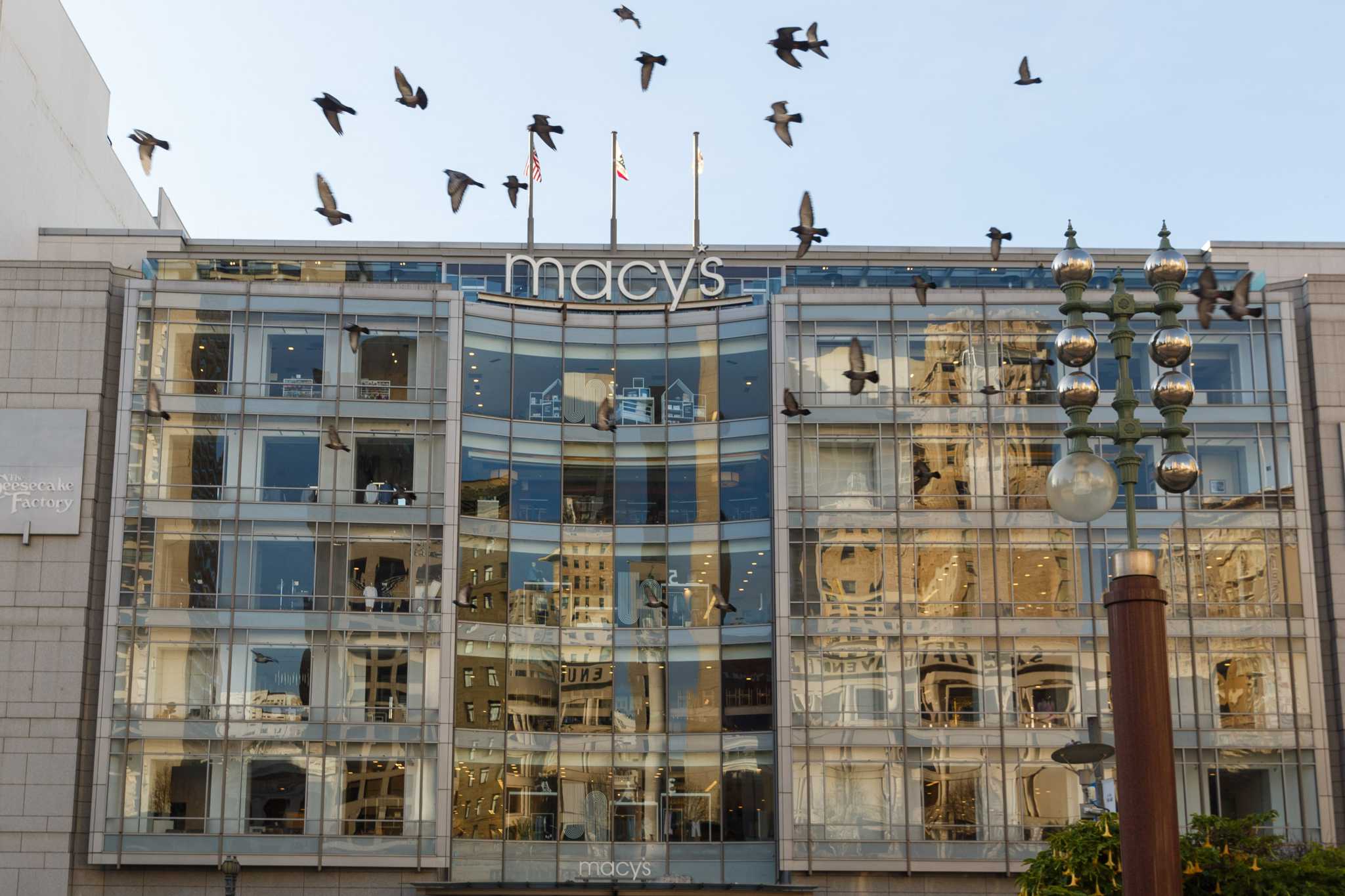
The recent announcement of Macy’s closing its flagship store in San Francisco has sent ripples through the city’s retail landscape and sparked conversations about the evolving nature of urban centers. This iconic department store, a fixture in the heart of downtown San Francisco for decades, represents more than just a retail space; it’s a landmark, a testament to a bygone era of grand shopping experiences, and a significant employer. Its departure raises critical questions about the economic vitality of downtown areas, the challenges faced by large-scale retailers, and the future of urban retail destinations.
The Shifting Sands of Retail and Urban Dynamics
The closure of Macy’s is not an isolated incident but rather a symptom of broader trends affecting the retail industry and urban environments. Several interconnected factors contribute to this significant retail shift.
E-commerce Dominance
The relentless rise of online shopping has fundamentally altered consumer behavior. With the convenience of purchasing virtually anything from the comfort of one’s home, brick-and-mortar stores, especially large department stores, have struggled to compete. The ease of browsing, comparing prices, and having items delivered directly to the doorstep has made e-commerce a formidable force. This shift has led to a decline in foot traffic for many physical stores, impacting their revenue and ultimately their viability.
Changing Consumer Preferences
Beyond the convenience of online shopping, consumer preferences have also evolved. There’s a growing demand for unique experiences, personalized services, and curated collections that traditional department stores often struggle to provide. Shoppers are increasingly drawn to smaller, specialized boutiques, experiential retail concepts, and brands that offer a strong connection to their values and lifestyles. This means that even for those who still shop in person, their choices are more discerning, favoring destinations that offer something beyond a broad selection of goods.
Economic Headwinds and Operational Costs
Operating large, physical retail spaces in prime urban locations comes with substantial costs. High rents, staffing, inventory management, and maintenance all contribute to a significant overhead. In a competitive market where margins are often thin, these costs can become unsustainable, especially when coupled with declining sales. San Francisco, known for its high cost of living and doing business, presents a particularly challenging environment for large retailers grappling with these economic realities.
The Impact of the Pandemic
The COVID-19 pandemic acted as an accelerant for many of these existing trends. Lockdowns and public health concerns forced many non-essential businesses to close temporarily or permanently. Consumers became even more accustomed to online shopping, and many businesses that survived the initial shock found it difficult to recover lost ground. The pandemic also highlighted the vulnerability of densely populated urban centers and the potential for shifts in where people choose to live and work, impacting the customer base for downtown retailers.
The San Francisco Context: A Unique Set of Challenges
While the broader retail trends are at play, the closure of Macy’s in San Francisco is also deeply intertwined with the city’s specific circumstances and the challenges facing its downtown core.
Downtown Revitalization Efforts
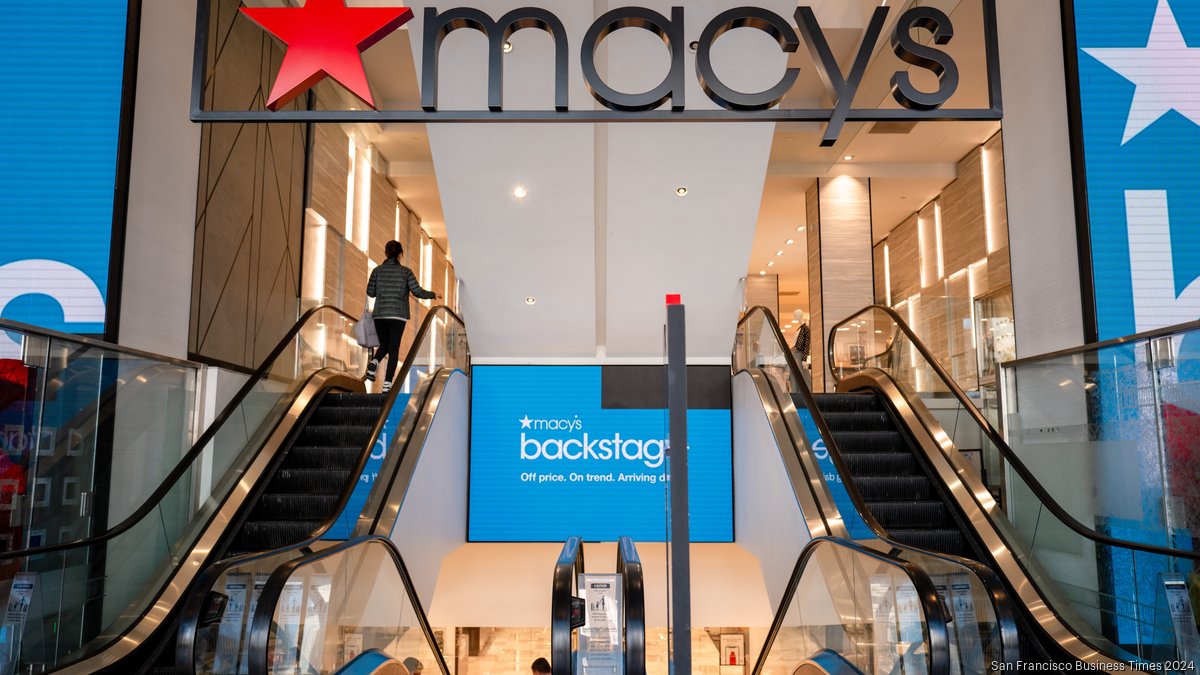
For years, San Francisco has been grappling with how to revitalize its downtown area, which has seen a decline in foot traffic not only due to retail shifts but also the rise of remote work, impacting office occupancy. Efforts to encourage people back into the city center for shopping, dining, and cultural experiences have been ongoing, but the departure of a major anchor tenant like Macy’s represents a significant setback for these initiatives.
Public Safety and Perceived Environment
Concerns about public safety and the general perception of downtown’s environment have also been cited as contributing factors by businesses and residents alike. While crime rates can be complex and nuanced, the perception of safety plays a crucial role in drawing people to commercial districts. If potential shoppers feel unsafe or uncomfortable, they are less likely to visit, further impacting businesses. The downtown San Francisco area has, at times, faced scrutiny regarding its cleanliness and the presence of visible social issues, which can deter visitors.
The Future of Union Square
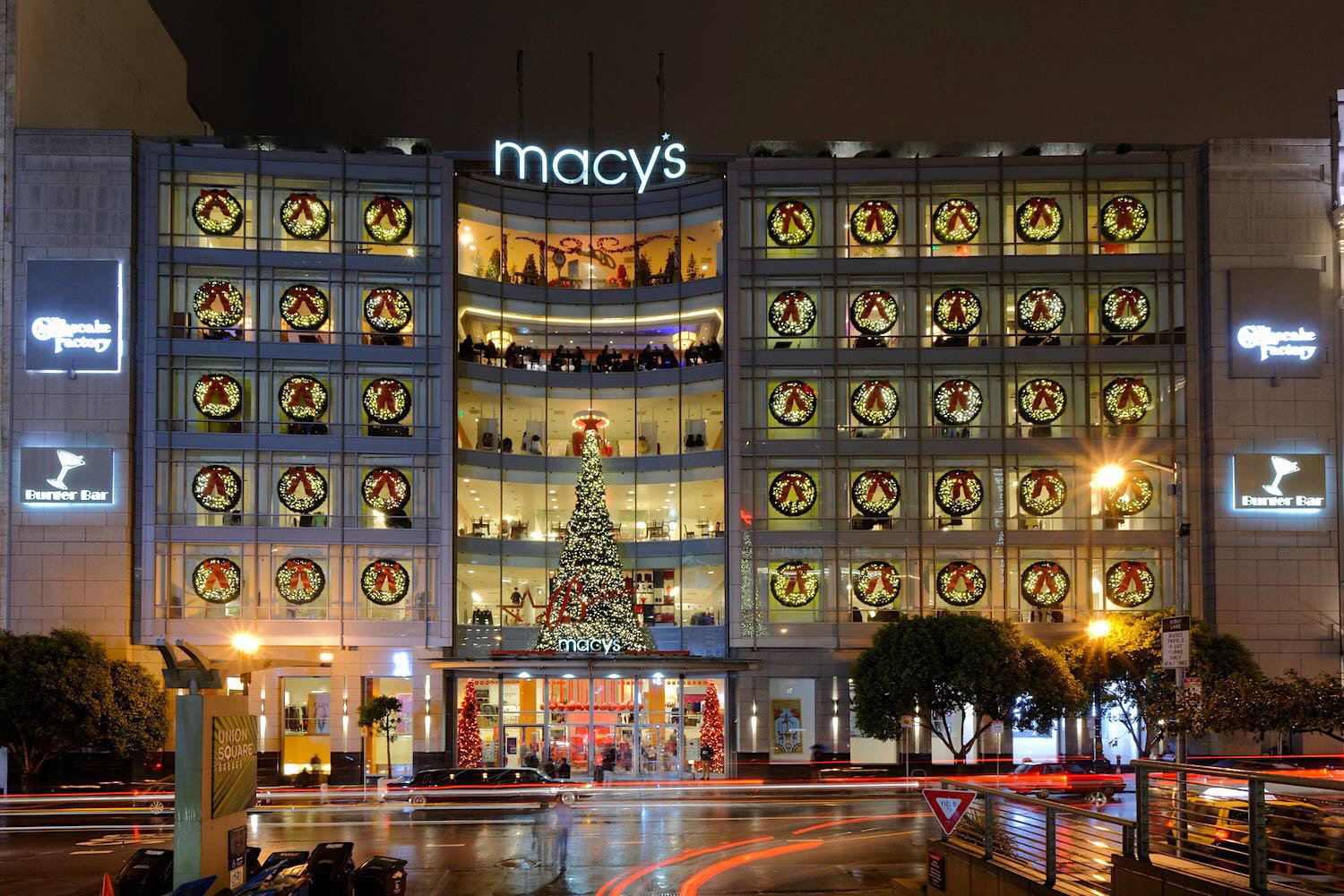
The Union Square area, where the flagship Macy’s store is located, is one of San Francisco’s most prominent shopping districts. Historically, it has been a major draw for both local residents and tourists, with a concentration of high-end retailers, hotels, and entertainment venues. The closure of a store of this magnitude leaves a significant void and presents an opportunity for reinvention, but also a considerable challenge in maintaining the area’s appeal and economic vitality.
What Happens Next? Opportunities for Adaptation
The closure of Macy’s in San Francisco is undoubtedly a loss, but it also presents an opportunity for reimagining and adapting the urban retail landscape.
Rethinking Retail Spaces
The vacant space occupied by Macy’s offers a prime opportunity for new retail concepts to emerge. This could include a mix of smaller, curated boutiques, pop-up shops showcasing local designers and artisans, or even experiential retail concepts that go beyond traditional product sales. The focus may shift towards creating a more dynamic and engaging destination that caters to evolving consumer desires.
The Rise of Experiential Retail
As traditional retail struggles, experiential retail is gaining traction. This involves creating environments where consumers can engage with brands in immersive ways, such as through workshops, events, or interactive displays. For the Union Square area, this could mean transforming the space into a hub for cultural activities, culinary exploration, or even co-working spaces that blend with retail elements.
Diversification of Downtown Offerings
The long-term health of any urban center depends on a diverse range of offerings. While retail is important, so are housing, entertainment, green spaces, and cultural institutions. The departure of Macy’s might spur further diversification, encouraging investment in residential development, arts and culture venues, and improvements to public spaces that can draw people to the downtown area for reasons beyond shopping. The adjacent hotels like Hotel Nikko San Francisco and The St. Regis San Francisco will need to adapt their offerings to attract visitors to a potentially reconfigured district.
The Role of Public-Private Partnerships
Addressing the challenges of urban retail requires collaboration. Public-private partnerships can play a crucial role in reimagining these spaces, attracting new businesses, and investing in the infrastructure and amenities that make a downtown area thrive. This could involve incentives for new tenants, improvements to public transportation, and initiatives to enhance the overall pedestrian experience. The city government and property owners will need to work together to ensure the Union Square district remains a vibrant and attractive destination.
The closure of Macy’s in San Francisco is a significant moment, signaling a period of transition for the city’s retail landscape. It underscores the need for adaptation, innovation, and a holistic approach to urban development. While the iconic department store may be departing, its former location presents a canvas for a new chapter in San Francisco’s story, one that embraces the evolving needs of consumers and the dynamic nature of urban life.
LifeOutOfTheBox is a participant in the Amazon Services LLC Associates Program, an affiliate advertising program designed to provide a means for sites to earn advertising fees by advertising and linking to Amazon.com. Amazon, the Amazon logo, AmazonSupply, and the AmazonSupply logo are trademarks of Amazon.com, Inc. or its affiliates. As an Amazon Associate we earn affiliate commissions from qualifying purchases.