
Yes, Allegiant Air does indeed fly to California, offering a unique and often budget-friendly gateway to the Golden State. As a prominent ultra-low-cost carrier in the United States, Allegiant specializes in connecting travelers from smaller, underserved markets to popular leisure destinations, and California stands as one of their key service areas. The airline’s operational model focuses on direct, point-to-point flights, often to secondary airports, which can provide a convenient and efficient travel option for those seeking to explore California’s diverse attractions, from sun-drenched beaches to national parks and bustling cityscapes. Understanding Allegiant’s specific routes and operational strategy is crucial for travelers planning a trip to this iconic Western state.
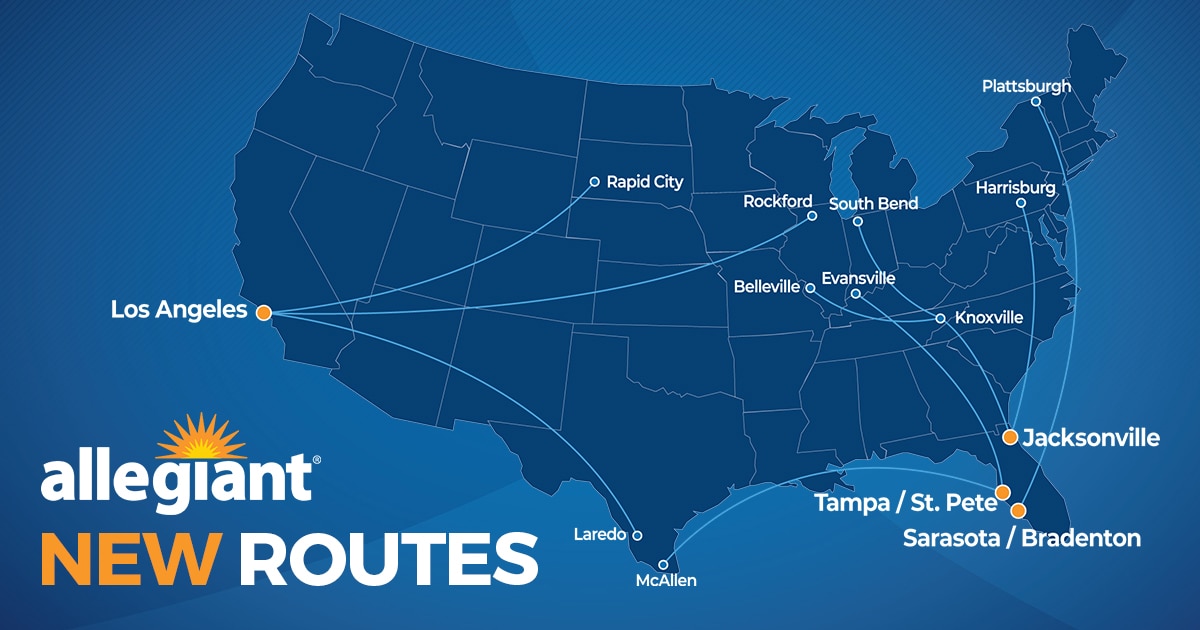
Allegiant Air’s Presence Across the Golden State
Allegiant Air has established a significant footprint in California, serving a variety of airports that cater to different regions and travel interests. While not typically operating out of the largest, busiest hubs like Los Angeles International Airport (LAX) or San Francisco International Airport (SFO), Allegiant strategically utilizes smaller or mid-sized airports. This approach allows them to offer non-stop service from numerous cities that might otherwise require connecting flights, aligning with their core business model of simplifying leisure travel.
Key California airports currently or historically served by Allegiant Air include:
- Los Angeles Area: While not a primary hub for Allegiant, occasional or seasonal routes may touch down at airports like Santa Ana’s John Wayne Airport (SNA) or even some specific routes into Los Angeles International Airport (LAX), particularly from markets where demand is high. However, their presence is more pronounced at airports serving specific leisure segments.
- Palm Springs International Airport (PSP): A major gateway for Allegiant, connecting the Coachella Valley to numerous cities across the United States. This airport is ideal for visitors heading to Palm Springs, desert resorts, and nearby national parks.
- San Diego International Airport (SAN): Offering access to the vibrant city of San Diego and its surrounding coastal attractions.
- Oakland International Airport (OAK): Serves the greater San Francisco Bay Area, providing an alternative to San Francisco proper and convenient access to the East Bay.
- Sacramento International Airport (SMF): Positioned as the gateway to California’s capital, central valley, and Northern California attractions, including close proximity to wine regions and Lake Tahoe.
- Fresno Yosemite International Airport (FAT): Crucial for travelers aiming to visit Yosemite National Park, Sequoia National Park, and Kings Canyon National Park.
- Santa Maria Public Airport (SMX): Located on the Central Coast, this airport provides access to wine country, beaches, and scenic coastal drives.
- Stockton Metropolitan Airport (SCK): Another central valley option, providing accessibility to the San Francisco Bay Area and the inland regions of California.
This comprehensive network of airports allows Allegiant Air to serve a broad range of destinations within California, catering to various types of leisure travelers from across the United States.
Unveiling Allegiant’s Unique Route Strategy to California
Allegiant Air’s approach to air travel is distinct, particularly evident in its route selections to and from California. Unlike traditional airlines that focus on hub-and-spoke models, Allegiant thrives on point-to-point service, directly connecting smaller cities with popular leisure destinations. This strategy significantly influences who flies Allegiant and the overall travel experience.
Connecting Underserved Markets
The cornerstone of Allegiant Air’s success lies in identifying and serving routes that are neglected by larger carriers. Many of their origin cities are not major metropolitan areas but rather mid-sized towns or regional centers that lack direct air service to high-demand leisure spots. For example, a traveler from Bellingham, Washington, or Boise, Idaho, might find a direct flight to Palm Springs or Sacramento on Allegiant, where other airlines would only offer multi-stop itineraries. This model directly benefits leisure travelers who prioritize convenience and direct access from their local airport, bypassing the complexities and potential delays of larger hubs. The target demographic often includes families, retirees, and vacationers who value the ability to get to their destination without unnecessary layovers.
Seasonal and Non-Stop Offerings
A significant characteristic of Allegiant’s California routes is their often seasonal nature. Many flights are introduced or increased during peak travel times, such as winter for sun-seeking destinations like Palm Springs, or summer for national park access points like Fresno. This seasonal flexibility allows Allegiant to align its service with fluctuating demand for leisure travel, optimizing its fleet utilization and offering competitive fares during these periods. Crucially, almost all Allegiant flights are non-stop. This commitment to direct service is a major draw for travelers, as it drastically reduces travel time and eliminates the stress associated with connecting flights. For a family heading to Disneyland or a couple looking for a quick getaway to Napa Valley, the ability to fly non-stop is a premium feature, often at a budget price. This model also allows them to operate less frequently on certain routes, sometimes only a few days a week, tailoring service to specific demand patterns rather than maintaining daily service like full-service carriers.
Exploring California Through Allegiant’s Gateways
Flying with Allegiant Air to California opens up a myriad of travel possibilities, connecting visitors to various regions of the state known for their unique attractions and experiences. The choice of Allegiant’s destination airport often dictates the type of California adventure awaiting.
Southern California Adventures
For those dreaming of sunny beaches, theme parks, and desert landscapes, Allegiant’s Southern California gateways are ideal. Flights into Santa Ana’s John Wayne Airport (SNA) or even some limited routes into Los Angeles International Airport (LAX) place travelers within easy reach of world-renowned attractions. From SNA, it’s a short drive to Disneyland Resort in Anaheim, the beautiful beaches of Orange County, and the vibrant cultural scene of Los Angeles, including Hollywood and its iconic landmarks.
Further south, San Diego International Airport (SAN) serves as the perfect entry point for exploring the coastal city of San Diego. Here, visitors can discover the historic Gaslamp Quarter, relax on famous beaches like Coronado, visit the world-famous San Diego Zoo in Balboa Park, or explore the vibrant neighborhoods of La Jolla.
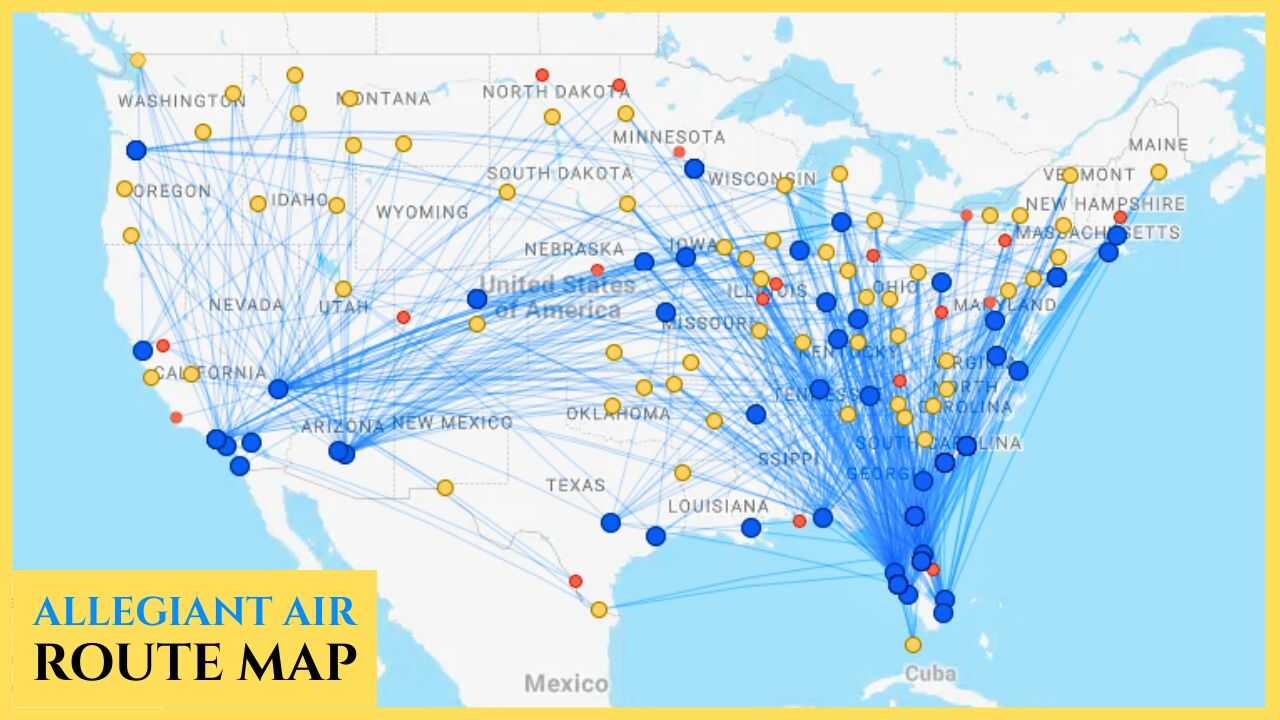
Eastward into the desert, Palm Springs International Airport (PSP) is Allegiant’s primary hub for the Coachella Valley. This destination is synonymous with luxurious resorts, championship golf courses, mid-century modern architecture, and a thriving arts scene. It also provides convenient access to the rugged beauty of Joshua Tree National Park, offering hiking, rock climbing, and stargazing opportunities.
Central and Northern California Highlights
Allegiant’s service extends significantly into Central and Northern California, opening doors to national parks, wine regions, and urban exploration.
Fresno Yosemite International Airport (FAT) is a strategic gateway for adventure travelers. From Fresno, the majestic wonders of Yosemite National Park, Sequoia National Park, and Kings Canyon National Park are within a reasonable driving distance, offering unparalleled natural beauty, towering sequoia trees, and breathtaking vistas.
For those interested in the state capital and surrounding areas, Sacramento International Airport (SMF) is a prime choice. Sacramento itself boasts historical sites like Old Sacramento and a burgeoning farm-to-fork culinary scene. Moreover, it serves as an excellent starting point for trips to the Gold Country foothills, the renowned Napa Valley and Sonoma Valley wine regions, and the pristine alpine environment of Lake Tahoe.
In the San Francisco Bay Area, Oakland International Airport (OAK) offers a convenient alternative to San Francisco proper. From Oakland, travelers can easily access San Francisco’s iconic landmarks such as the Golden Gate Bridge and Alcatraz Island, as well as explore the diverse culture and dining scenes of Oakland and the wider East Bay. Stockton Metropolitan Airport (SCK) also provides access to the Central Valley and serves as another entry point for reaching the Bay Area or the Sierra Nevada.
Lastly, Santa Maria Public Airport (SMX) is perfect for exploring California’s Central Coast. This region is celebrated for its laid-back charm, award-winning wineries in Santa Barbara and San Luis Obispo counties, and picturesque coastal towns like Pismo Beach and San Luis Obispo.
Navigating Allegiant’s Booking and Travel Experience
Traveling with Allegiant Air to California requires an understanding of their unique operational model to ensure a smooth and cost-effective trip. Their ultra-low-cost carrier status means a different approach to pricing and services compared to full-service airlines.
Understanding the Allegiant Model
The core of Allegiant’s pricing strategy is “unbundled” fares. The initial ticket price you see is typically just for the seat, with all additional services offered as optional add-ons. This includes baggage fees (both carry-on and checked), seat selection, priority boarding, and even drinks or snacks on board. While this allows for extremely low base fares, it’s crucial for travelers to calculate the total cost, including all desired extras, to get an accurate picture of their expenditure. A common mistake is to underestimate these add-on costs, which can quickly erode the savings from a low base fare. Flexibility is also key; Allegiant flights often operate only a few days a week, so return dates must align with their schedule, which can be less frequent than major carriers.
Maximizing Value and Planning Your Trip
To maximize value when flying Allegiant to California, consider these tips:
- Book in Advance: Like most airlines, Allegiant’s fares tend to increase closer to the departure date. Booking several months ahead, especially for popular seasonal routes, can secure the best prices.
- Be Flexible with Dates: If your travel dates are flexible, use Allegiant’s low-fare calendar to identify the cheapest days to fly. Mid-week flights (Tuesday, Wednesday) are often less expensive than weekends.
- Pack Light: Baggage fees are a significant component of Allegiant’s revenue. Traveling with just a personal item that fits under the seat, or carefully choosing to pay for one carry-on if necessary, can save considerably. Weigh and measure your bags at home to avoid surprises at the airport.
- Consider Bundles: Allegiant sometimes offers “bundles” that combine popular add-ons like a checked bag, carry-on bag, and seat selection at a slightly reduced rate compared to purchasing them individually. Evaluate if a bundle makes sense for your needs.
- Airport Location: Remember that Allegiant often flies into smaller airports, which might be further from your ultimate destination than major city hubs. Factor in the cost and time of ground transportation (rental car, rideshare, shuttle) when comparing overall travel costs. A flight to Stockton might be cheaper, but a rental car to San Francisco adds significant cost and time.
- Direct Flights: Leverage Allegiant’s strength in non-stop flights. This is their main advantage and often provides the most efficient travel experience for the routes they serve.

The Allegiant Advantage for California-Bound Travelers
For many travelers, Allegiant Air represents an exceptional opportunity to visit California with a focus on affordability and convenience. Their distinct operating model caters specifically to leisure travelers seeking direct access to key vacation spots without the complexities and costs associated with larger hub airports.
The primary advantage of choosing Allegiant lies in its often unbeatable base fares, particularly for non-stop flights from smaller communities. This can significantly reduce the overall cost of a trip, making a California vacation more accessible for budget-conscious individuals and families. The direct nature of their flights also means less travel time and fewer opportunities for delays or missed connections, allowing more precious vacation time to be spent enjoying the destination rather than navigating airports.
Allegiant is ideally suited for travelers whose home airports are among the smaller, underserved markets that Allegiant targets. It’s also perfect for those with flexible travel dates who can capitalize on seasonal routes and off-peak pricing. If your primary goal is to reach a specific California region directly and affordably – be it the deserts of Palm Springs, the national parks accessible via Fresno, or the urban attractions near Oakland or Sacramento – Allegiant often provides a compelling solution. However, travelers must be prepared to manage the unbundled pricing structure and plan for ground transportation from the secondary airports.
In conclusion, yes, Allegiant Air is a vital player in air travel to California, offering unique advantages for a specific segment of travelers. By understanding their strategy and planning accordingly, visitors can leverage Allegiant’s network to unlock affordable and convenient access to the Golden State’s myriad attractions.
LifeOutOfTheBox is a participant in the Amazon Services LLC Associates Program, an affiliate advertising program designed to provide a means for sites to earn advertising fees by advertising and linking to Amazon.com. Amazon, the Amazon logo, AmazonSupply, and the AmazonSupply logo are trademarks of Amazon.com, Inc. or its affiliates. As an Amazon Associate we earn affiliate commissions from qualifying purchases.