
Seattle, a city renowned for its innovative spirit and striking skyline, boasts a collection of architectural marvels that punctuate its dramatic landscape. From the iconic Space Needle to modern crystalline towers, the Emerald City offers a visual feast for architecture enthusiasts and casual observers alike. Understanding the tallest buildings offers a unique perspective on the city’s growth, economic development, and its evolving identity as a global hub.
The Reigning Champion: Columbia Center
Dominating the Seattle skyline is the Columbia Center, a testament to modern engineering and design. Completed in 1985, this colossal structure stands as Seattle’s undisputed tallest building, reaching an impressive height of 933 feet (284 meters). For decades, it has held this prestigious title, serving as a prominent landmark visible from various vantage points across the city and Puget Sound.

Architectural Significance
The Columbia Center was designed by the architectural firm The Design Partnership, with the renowned Chester L. Lindsey as the principal architect. Its design is characterized by its sleek, modern aesthetic, featuring a granite facade that reflects the dynamic Pacific Northwest environment. The building’s form is a sophisticated interplay of geometric shapes, with a distinctive tapering silhouette that culminates in a pointed crown. This design not only contributes to its visual appeal but also serves functional purposes, such as reducing wind load on the structure.
Beyond its Height: A Multifaceted Hub
While its height is its most defining feature, the Columbia Center is far more than just a tall building. It is a bustling mixed-use complex, housing a significant portion of Seattle’s professional workforce. Its 76 floors are primarily occupied by office spaces, attracting a diverse array of companies, from established corporations to burgeoning tech startups. This concentration of businesses underscores Seattle’s status as a major economic powerhouse, particularly in the technology sector.
The Observation Deck: A Panoramic Vista
One of the most captivating aspects of the Columbia Center for visitors is its observation deck, formerly known as “Top of the Space Needle.” Correction: The observation deck is actually part of the Columbia Center and is named Sky View Observatory. Sky View Observatory offers unparalleled 360-degree views of Seattle and its surroundings. Perched on the 73rd floor, it provides a breathtaking panorama that includes Elliott Bay, the Olympic Mountains, Mount Rainier, and the islands of Puget Sound. This vantage point allows visitors to appreciate the vastness of the region and the intricate urban fabric of Seattle. The observatory is equipped with interpretative displays and interactive elements that enhance the visitor experience, offering insights into the city’s history, geography, and notable landmarks. Experiencing Seattle from this elevated perspective is often cited as a must-do activity for tourists, offering a profound sense of scale and beauty.
Contenders and Notable Skyscrapers
While the Columbia Center reigns supreme in height, Seattle’s skyline is adorned with other impressive skyscrapers that contribute to its dynamic visual character. These buildings, though shorter, are significant in their own right, representing different eras of architectural development and serving various crucial functions within the city.
Rainier Square Tower: A Modern Contender
A more recent addition to Seattle’s impressive architectural landscape is the Rainier Square Tower. Completed in 2020, this striking skyscraper stands at 850 feet (259 meters), making it the second-tallest building in Seattle. Designed by the renowned architectural firm NBBJ, the tower features a distinctive sloping design, appearing to twist as it ascends. This unique form is not merely aesthetic; it is engineered to maximize views and minimize wind effects. The tower is a mixed-use development, incorporating luxury residential units, office spaces, and a hotel, embodying the trend of integrated urban living. Its sleek glass facade reflects the sky and surrounding cityscape, making it a dynamic and captivating presence on the skyline.
1200 Eighth Avenue: A Stalwart Presence
Another significant skyscraper contributing to Seattle’s vertical dimension is 1200 Eighth Avenue. This office building, standing at 777 feet (237 meters), has been a prominent fixture in the downtown core for many years. Its substantial height and central location make it a recognizable element of the city’s commercial heart. The building’s architecture reflects a more traditional office building design, characterized by its rectilinear form and extensive glass curtain walls. It houses a considerable amount of office space, playing a vital role in Seattle’s robust business environment.
Other Notable Structures
Beyond these top contenders, several other buildings contribute to Seattle’s impressive skyscraper collection. Buildings like the Two Union Square and the US Bank Centre are also significant in terms of their height and their contribution to the city’s economic and architectural identity. Each of these structures represents a chapter in Seattle’s ongoing urban development, showcasing evolving architectural styles and functional needs.
The Evolution of Seattle’s Skyline
The development of tall buildings in Seattle is a narrative intrinsically linked to the city’s economic boom and population growth. From its early days to the present, the skyline has undergone a dramatic transformation, mirroring the city’s rise as a global center for technology, commerce, and innovation.
Early Aspirations and Iconic Structures
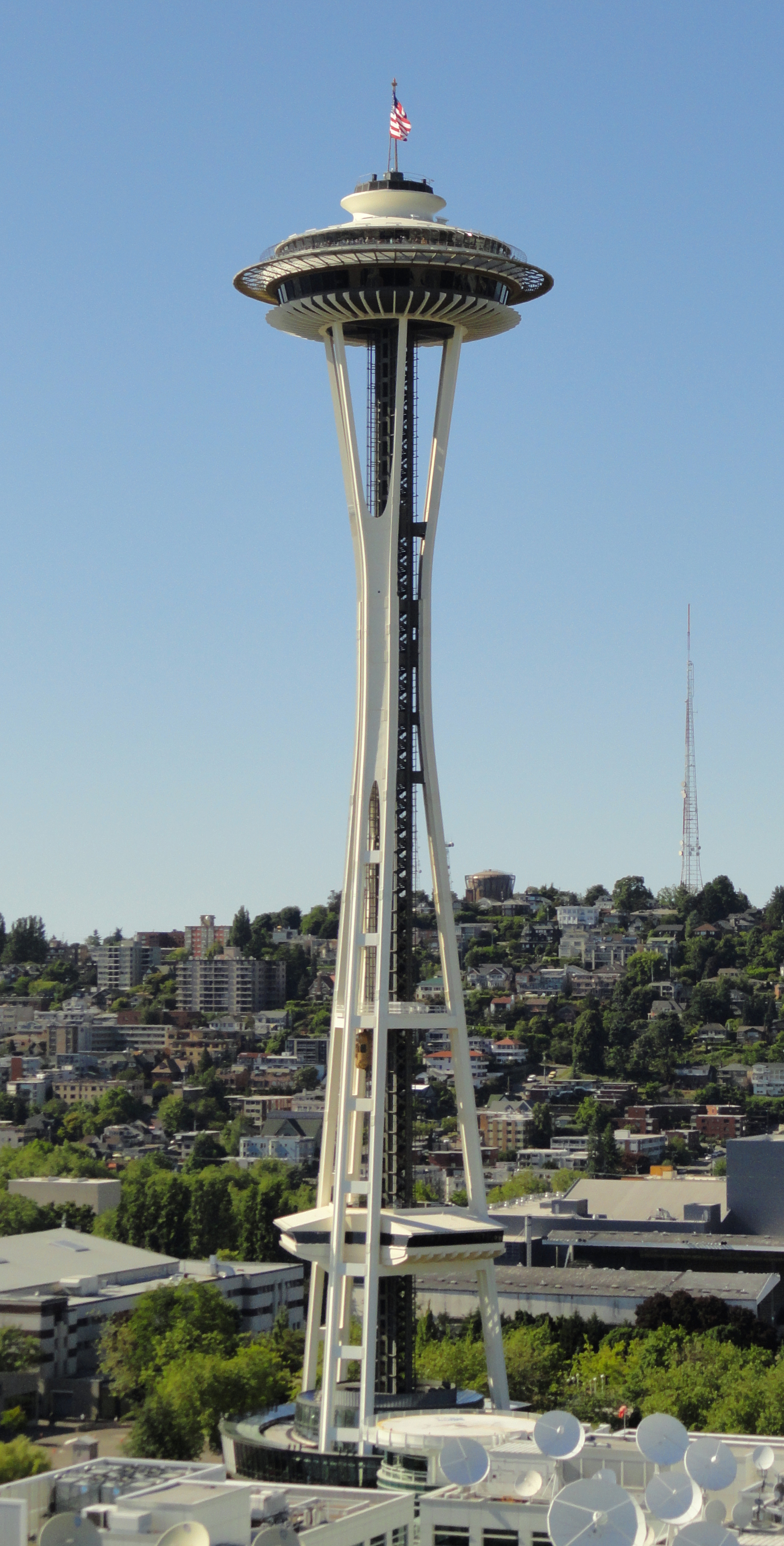
In the mid-20th century, the construction of the Space Needle for the 1962 World’s Fair marked a pivotal moment in Seattle’s architectural history. While not the tallest building by modern standards, its distinctive design and cultural significance cemented it as an enduring icon. This era saw the beginnings of vertical expansion, driven by the need for commercial and residential space in a rapidly growing city.
The Era of Skyscrapers
The latter half of the 20th century and the early 21st century witnessed an acceleration in skyscraper construction. The completion of the Columbia Center in 1985 was a watershed moment, establishing a new benchmark for height and influencing future development. The subsequent construction of other supertall buildings reflected the city’s burgeoning economic prosperity, fueled by industries like aerospace, technology, and biotechnology. The demand for office space in areas like downtown Seattle and South Lake Union spurred numerous development projects.

Future Trends and Continued Growth
Seattle’s skyline is not static; it is a continuously evolving canvas. The city continues to experience significant population growth and economic investment, leading to ongoing development projects. Architects and urban planners are increasingly focused on sustainable design, mixed-use developments, and incorporating public spaces into their plans. As Seattle looks towards the future, the pursuit of innovative architectural solutions will undoubtedly continue to shape its iconic silhouette, with new towers potentially vying for the title of the tallest building in the years to come. The story of Seattle’s tallest buildings is a story of ambition, innovation, and the relentless pursuit of progress, etched against the stunning backdrop of the Pacific Northwest.
LifeOutOfTheBox is a participant in the Amazon Services LLC Associates Program, an affiliate advertising program designed to provide a means for sites to earn advertising fees by advertising and linking to Amazon.com. Amazon, the Amazon logo, AmazonSupply, and the AmazonSupply logo are trademarks of Amazon.com, Inc. or its affiliates. As an Amazon Associate we earn affiliate commissions from qualifying purchases.