
Navigating the complexities of auto insurance can often feel like a daunting task, especially when considering the nuances specific to different states. For residents of the Lone Star State, understanding the role and cost of gap insurance in Texas is crucial for protecting their financial well-being, particularly when financing or leasing a vehicle. This comprehensive guide aims to demystify gap insurance, outlining its purpose, benefits, and the factors that influence its price within the Texas market.
Understanding the Need for Gap Insurance in Texas
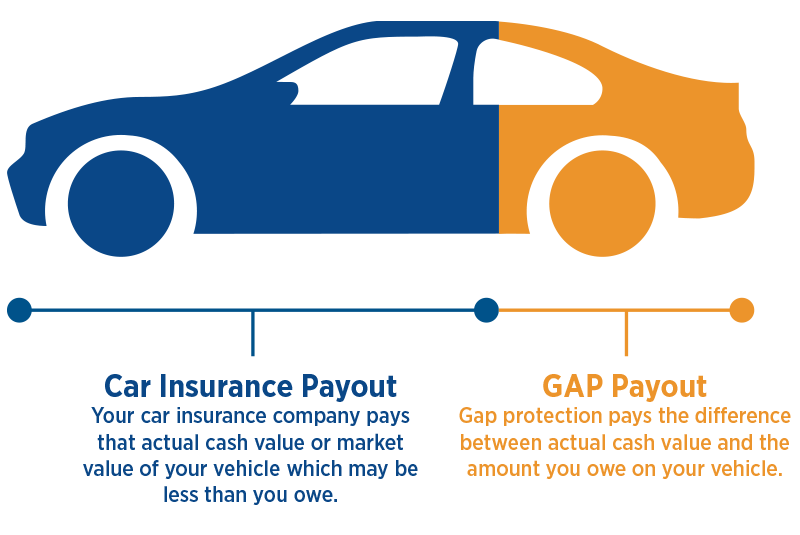
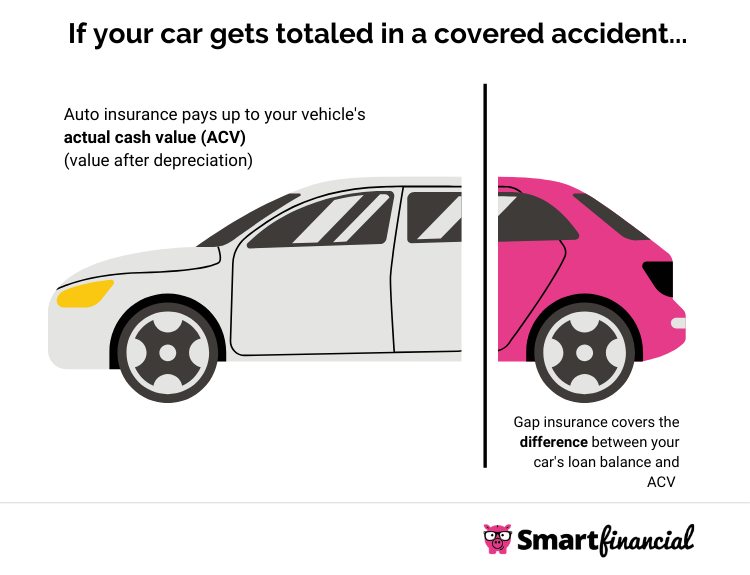
Gap insurance, an acronym for Guaranteed Asset Protection, serves a vital role in bridging the financial chasm that can emerge between the amount owed on a vehicle loan or lease and its actual cash value (ACV) in the event of a total loss. A total loss occurs when a vehicle is stolen or damaged beyond repair, and the insurance payout is based on its depreciated value.
The Depreciation Dilemma
Vehicles are notorious for their rapid depreciation. As soon as a new car leaves the dealership lot, its value begins to drop, often by 10-20% in the first year alone. This rapid decline in value is particularly problematic for those who finance or lease their vehicles. When you take out a car loan or enter into a lease agreement, you typically finance the purchase price of the vehicle, which includes taxes, fees, and the dealer’s profit. In the early years of the loan or lease, the amount you owe is often significantly higher than the car’s depreciated ACV.
Consider this scenario: you purchase a new car for $30,000. After one year, the car’s ACV might have depreciated to $24,000. If your car is declared a total loss due to an accident or theft, your standard auto insurance policy will pay out the ACV, which is $24,000. However, if you still owe $27,000 on your loan, you would be responsible for the remaining $3,000 difference, not to mention any outstanding lease payments. This is where gap insurance steps in.
How Gap Insurance Bridges the Gap
Gap insurance specifically covers this “gap” between what your insurer pays out and what you owe. In the scenario above, with gap insurance, your insurer would pay the $24,000 ACV, and then your gap insurance policy would cover the remaining $3,000 owed on the loan. This prevents you from having to pay out-of-pocket for a car you can no longer drive.
In Texas, as in most states, gap insurance is not legally mandated. However, it is often required by lenders and leasing companies, especially for newer vehicles or those with substantial loan balances. Understanding this requirement and the benefit it provides is the first step in determining its necessity for your individual situation.
Factors Influencing Gap Insurance Costs in Texas
The price of gap insurance in Texas is not a fixed rate; it fluctuates based on several key variables. Insurers assess risk when determining premiums, and several factors contribute to the overall cost of gap coverage.
Vehicle Details
The type, make, model, and year of the vehicle play a significant role in gap insurance pricing.
- New vs. Used Vehicles: Newer vehicles, with their higher purchase prices and faster depreciation rates in the initial years, often command slightly higher gap insurance premiums. Conversely, older vehicles with less outstanding loan balances might have lower associated costs.
- Vehicle Value: The higher the overall value of the vehicle, the greater the potential gap between the loan balance and the ACV. This increased risk can translate to a higher premium for gap coverage. For instance, a luxury vehicle like a Cadillac Escalade will likely have a higher gap insurance cost than a more economical Toyota Corolla.
- Financing/Lease Term: The length of your loan or lease agreement also impacts the cost. Longer terms generally mean you’ll be paying off the car for a longer period, increasing the likelihood of the outstanding balance exceeding the car’s depreciated value.
Loan or Lease Amount and Down Payment
The amount you owe on your vehicle is a primary determinant of gap insurance cost.
- Loan Balance: A higher outstanding loan balance directly correlates with a larger potential gap. If you have a substantial loan, the gap insurance premium will likely be higher to account for the greater financial exposure.
- Down Payment: A larger down payment reduces the amount you need to finance, thereby shrinking the potential gap and potentially lowering your gap insurance premium. A minimal or no down payment scenario significantly increases the risk of a substantial gap.
Insurance Provider and Policy Details
The specific insurance company you choose and the details of your auto insurance policy are critical.
- Insurance Carrier: Different insurance companies have varying pricing structures and risk assessments. Some insurers may offer more competitive rates for gap insurance than others. It is advisable to shop around and compare quotes from multiple providers.
- Bundling Discounts: Many insurers offer discounts for bundling gap insurance with your existing auto insurance policy. This can significantly reduce the overall cost.
- Policy Deductible: While gap insurance typically covers the difference between the loan payoff and the ACV, it does not pay your collision or comprehensive deductible. However, some gap insurance policies may offer a limited reimbursement for your deductible in the event of a total loss. The terms of your policy will clarify this.
Driver’s Profile and Location
Though less impactful than vehicle and loan specifics, personal factors can also play a minor role.
- Driving Record: While gap insurance is not directly tied to your driving habits in the same way as collision coverage, an insurer’s overall assessment of your risk profile might indirectly influence pricing.
- Location: Your geographic location within Texas can also affect rates, as areas with higher rates of vehicle theft or accidents might see slightly higher premiums.
How to Purchase Gap Insurance in Texas
There are several avenues through which Texas residents can obtain gap insurance. Each option presents its own set of advantages and considerations.
Purchasing Through Your Auto Insurer
This is often the most straightforward and cost-effective method. When you purchase or renew your auto insurance policy, you can typically add gap insurance as an endorsement or rider.
- Convenience: It’s consolidated into one policy with a single payment.
- Potential Discounts: Insurers often provide discounts when gap insurance is bundled with your primary auto policy.
- Integrated Claims Process: If you have a total loss, your auto insurer handles both the ACV payout and the gap coverage claim.
Purchasing Through a Dealership or Leasing Company
When you buy or lease a car, the dealership or leasing company will almost always offer you gap insurance, often referred to as “Total Loss Protection” or a similar name.
- Ease of Acquisition: It’s typically offered at the point of sale, making it a convenient option.
- Higher Costs: Be aware that dealership-offered gap insurance is often significantly more expensive than purchasing it through your own insurance provider. The cost is usually rolled into your loan or lease payments, making it seem less burdensome upfront but potentially costing you more in interest over time.
- Non-Cancelable: Some dealership gap policies are non-cancelable, meaning you cannot remove them later even if you no longer need them.
Purchasing Through a Third-Party Insurer
Some independent insurance companies specialize in offering gap insurance as a standalone product.
- Competitive Pricing: These companies may offer competitive rates, especially if you are not financing or leasing through a dealership.
- Specialized Coverage: They may offer more tailored coverage options.
- Requires Separate Policy Management: You will have a separate policy to manage and pay for, in addition to your primary auto insurance.
Estimating the Cost of Gap Insurance in Texas
Providing an exact dollar figure for gap insurance in Texas is challenging due to the variability of the factors mentioned above. However, we can offer a general range and explain how it’s typically calculated.
Typical Cost Range
For most drivers in Texas, the cost of gap insurance purchased through their primary auto insurer typically ranges from $5 to $20 per month, or roughly $60 to $240 per year.
- Low End: This range is generally for newer vehicles with smaller loan balances and favorable driver profiles, purchased as an add-on to an existing auto policy.
- High End: This range might apply to more expensive vehicles, longer loan terms, or situations where the gap coverage is purchased through a dealership, where the cost is often bundled into the overall financing. Dealerships might charge a one-time fee for the entire loan term, which can range from a few hundred dollars to over a thousand dollars, depending on the vehicle and loan amount. This lump sum, when broken down monthly, often proves to be more expensive.
How Premiums Are Calculated
Insurance companies calculate the premium for gap insurance by considering:
- The total loan or lease balance: This is the primary factor.
- The ACV of the vehicle at the time of policy purchase: This helps estimate the potential depreciation.
- The length of the loan or lease term: Longer terms increase the risk.
- The insurer’s loss experience and overhead costs.
For example, if you have a $30,000 loan on a new car and the insurer estimates its ACV after one year will be $24,000, the potential gap is $6,000. The premium will be calculated based on the likelihood of a total loss occurring within the loan term and the amount of that potential gap.
When Does Gap Insurance Become Less Necessary?
As your loan balance decreases and your vehicle’s ACV starts to approach or exceed what you owe, the need for gap insurance diminishes. Many financial experts recommend reassessing your gap insurance coverage when your loan balance falls to below 75% of the vehicle’s ACV. At this point, the financial risk of a gap is significantly reduced, and you might consider dropping the coverage to save on premiums. It’s a good practice to check your loan statements and vehicle valuation periodically to make this determination.
Is Gap Insurance Worth It in Texas?
The decision of whether gap insurance is “worth it” in Texas hinges on your personal financial situation, risk tolerance, and the specifics of your vehicle financing.
Scenarios Where Gap Insurance is Highly Recommended
- Leasing a Vehicle: Lease agreements often have strict terms regarding total losses. Gap insurance is almost always a wise investment for leased vehicles, as it protects you from being responsible for paying out the remaining lease payments.
- Financing with a Small Down Payment: If you financed a significant portion of the vehicle’s purchase price or made a very small down payment, the risk of a substantial gap is high.
- Financing for Longer Terms: Loans stretching beyond 60 months increase the likelihood of your car depreciating below its outstanding loan balance.
- Driving a New Vehicle: New cars depreciate most rapidly in their first few years.
- High-Mileage Drivers: If you drive significantly more than the average driver, your vehicle may accumulate miles faster, contributing to a quicker depreciation.
- If your lender requires it: Many lenders mandate gap insurance for financed vehicles.

When You Might Not Need It
- You own your vehicle outright: If you have no outstanding loan or lease, gap insurance is unnecessary.
- You have a substantial equity in your vehicle: If your loan balance is significantly less than the vehicle’s actual cash value (e.g., you owe $10,000 on a car worth $20,000), the risk of a damaging gap is minimal.
- You have a large down payment: A down payment of 20% or more significantly reduces the risk.
Ultimately, gap insurance is a relatively inexpensive form of financial protection that can save you thousands of dollars in the event of a total loss. By understanding the factors that influence its cost and knowing when it’s most beneficial, Texas drivers can make an informed decision about whether to include this valuable coverage in their auto insurance portfolio. Consulting with your insurance agent or comparing quotes from multiple providers is the best way to determine the specific cost and necessity for your situation.
LifeOutOfTheBox is a participant in the Amazon Services LLC Associates Program, an affiliate advertising program designed to provide a means for sites to earn advertising fees by advertising and linking to Amazon.com. Amazon, the Amazon logo, AmazonSupply, and the AmazonSupply logo are trademarks of Amazon.com, Inc. or its affiliates. As an Amazon Associate we earn affiliate commissions from qualifying purchases.