
Navigating the beverage laws of any state can be a complex endeavor, especially when planning a visit to a new destination. For travelers exploring the vast and diverse landscape of Texas, understanding the operational hours of its liquor stores is a practical necessity. Whether you’re looking to stock up for a leisurely weekend at your resort in Austin, prepare for a family trip through the Hill Country, or simply enjoy a quiet evening in your hotel room in Dallas, knowing when you can purchase alcoholic beverages is key to a smooth itinerary.

The question of whether Texas liquor stores are open on Sundays is not a simple yes or no. The state’s approach to alcohol sales is governed by a mosaic of local option laws, meaning that individual cities and counties have the authority to determine whether alcohol can be sold on Sundays and, if so, during what hours. This creates a patchwork of regulations across the Lone Star State, requiring a nuanced understanding for visitors and residents alike.
Understanding Texas Alcohol Sales Laws
The primary legislation governing alcohol sales in Texas is the Alcoholic Beverage Code. However, its practical application is heavily influenced by what is known as “local option elections.” These elections allow voters within a specific geographic area (such as a county or even a particular precinct within a city) to decide whether to permit the sale of alcohol. The results of these elections dictate whether an area is “wet” (allowing alcohol sales), “dry” (prohibiting alcohol sales), or “moist” (allowing some forms of alcohol sales, but not others, such as beer and wine but not spirits).
This means that a state-wide rule doesn’t exist for Sunday sales. For instance, a major metropolitan area like Houston might have different rules in effect in various parts of the city, depending on the outcomes of local elections. Similarly, a small town in West Texas might have entirely different regulations than a coastal community near Galveston.
Types of Local Option Elections
The “local option” concept manifests in several ways:
- County-Wide Elections: A county can vote on whether to allow the sale of alcoholic beverages for off-premise consumption (liquor stores, grocery stores, convenience stores) or on-premise consumption (bars, restaurants).
- City/Precinct Elections: Within a county, specific cities or even smaller precincts can hold their own elections. This is why you might find that one side of a street within a city allows liquor sales while the other does not.
- “Wet,” “Dry,” and “Moist” Designations:
- Dry Territory: No alcohol sales are permitted.
- Wet Territory: All legal forms of alcohol sales are permitted.
- Moist Territory: Typically allows the sale of beer and wine, but not distilled spirits.
The crucial element for travelers is that these local elections directly impact Sunday sales. In many “wet” areas, Sunday sales are permitted but often come with restricted hours. In “dry” or “moist” areas, Sunday sales of spirits, or even beer and wine, might be entirely prohibited.
Sunday Sales: The “Blue Law” Factor
Historically, many states, including Texas, have had “blue laws” that restricted certain commercial activities on Sundays, often for religious or cultural reasons. While many of these laws have been relaxed over time, their influence can still be seen in alcohol sales regulations. In Texas, the permission for Sunday alcohol sales often hinges on whether the specific locality has voted to allow what are sometimes colloquially referred to as “Sunday beer and wine sales” or “Sunday liquor sales.”
Even where Sunday sales are permitted, there are typically limitations:
- Hours of Operation: Most Texas cities and counties that allow Sunday liquor sales permit them from noon until 9 PM. However, these hours can vary. Some areas might start sales as early as 10 AM, while others may have earlier closing times. It’s always advisable to check local ordinances.
- Type of Alcohol: In “moist” areas, Sunday sales might be limited to beer and wine, with spirits remaining unavailable.
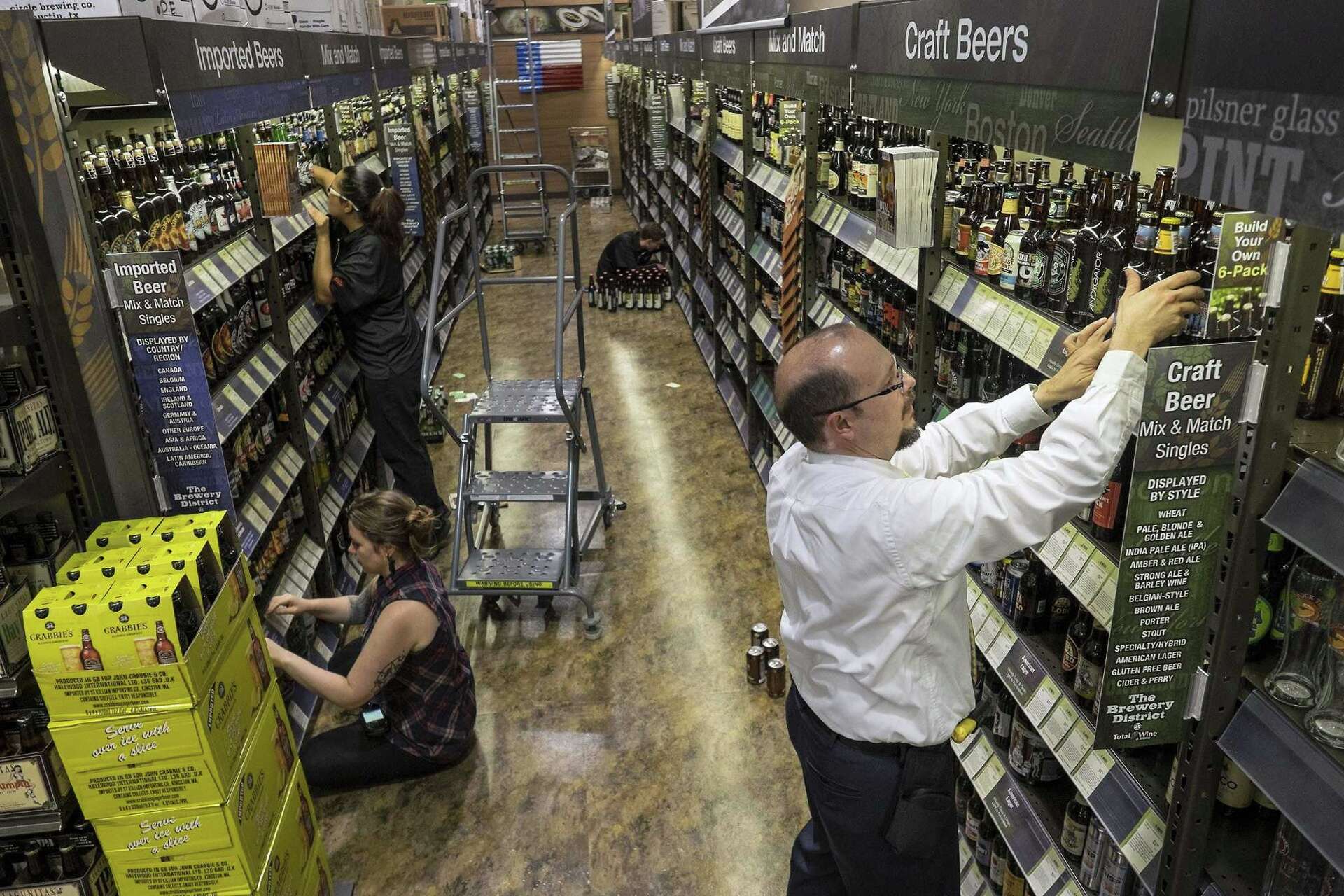
Therefore, if your travel plans include a Sunday in Texas, and you anticipate needing to purchase alcohol, checking the specific local regulations for your destination is paramount. This is particularly true if you are staying in a more rural area or a smaller town, where “dry” or “moist” pockets are more common.
How to Determine Local Regulations
For a traveler, quickly determining the status of Sunday liquor sales can seem daunting. Here are some practical approaches:
- Check Your Hotel Concierge or Front Desk: Hotel staff in tourist destinations are usually well-informed about local laws and can provide up-to-date information on alcohol sales hours.
- Online Searches: A quick search for “[City Name] Texas liquor laws Sunday” or “[County Name] Texas alcohol sales” can often yield information from local government websites or reputable news sources.
- Local Government Websites: Many city or county websites will have a section dedicated to their ordinances, including those related to alcoholic beverage sales.
- Observe Local Establishments: If you are already in a town or city, the best indicator might be the signs on liquor stores themselves. Most stores will clearly post their operating hours, especially any restrictions on Sunday.
Consider a hypothetical scenario: you’re planning a road trip that includes an overnight stay in San Antonio on a Sunday. While San Antonio itself is largely “wet” and allows Sunday liquor sales, the specific neighborhood or the town you might pass through could have different rules. For instance, a smaller town just outside the city limits might be dry or only permit beer and wine sales.
Impact on Travel Experiences
The nuances of Texas’s alcohol laws can subtly, or not so subtly, impact a traveler’s experience. For those seeking to enjoy a picnic in a state park, relax by the pool at their villa with a bottle of wine, or simply pick up ingredients for a home-cooked meal in their apartment, knowing the retail availability of beverages is crucial.
Planning Ahead for Convenience
To avoid any inconvenience, especially on a Sunday:
- Purchase in Advance: If you know you’ll be in a “dry” area on a Sunday, or if your arrival coincides with a time when stores are closed, plan to make your purchases beforehand in a “wet” area. For example, if you’re driving from El Paso to a smaller town in West Texas, consider stocking up before leaving the city.
- Utilize Restaurant and Bar Services: Even if liquor stores are closed, restaurants and bars that hold the appropriate permits will still be able to serve alcoholic beverages during their licensed hours. This can be a viable option for enjoying a drink with a meal.
- Consider Accommodation Amenities: Some resorts or hotels might offer in-room beverage services or have an on-site bar or convenience store that sells alcohol, even if local liquor stores are closed. Always check the amenities available at your chosen accommodation.

Regional Differences and Tourist Hubs
Major tourist destinations and larger cities generally present fewer challenges. Cities like Dallas, Fort Worth, Austin, Houston, and San Antonio are overwhelmingly “wet” and permit Sunday sales, albeit within defined hours (typically noon to 9 PM).
However, travelers venturing off the beaten path, exploring the vast ranches of West Texas, the charming small towns of East Texas, or the less-trafficked areas of the Gulf Coast, may encounter more “dry” or “moist” areas. This is part of the unique character of Texas – a state that blends vast urban centers with deeply rooted local traditions. Understanding these differences is part of the adventure and a key component of preparing for a successful and enjoyable travel experience.
Ultimately, the answer to “Are Texas liquor stores open on Sunday?” is a conditional one. For most major urban centers and tourist hubs, the answer is yes, with specific hours. However, the decentralized nature of Texas alcohol laws means that diligence and a bit of pre-trip research can save a traveler from an unexpected Sunday without their beverage of choice. Embracing these local peculiarities is a hallmark of authentic tourism and adds to the rich tapestry of exploring the Lone Star State.
LifeOutOfTheBox is a participant in the Amazon Services LLC Associates Program, an affiliate advertising program designed to provide a means for sites to earn advertising fees by advertising and linking to Amazon.com. Amazon, the Amazon logo, AmazonSupply, and the AmazonSupply logo are trademarks of Amazon.com, Inc. or its affiliates. As an Amazon Associate we earn affiliate commissions from qualifying purchases.