
Embarking on a journey from the sprawling metropolis of Los Angeles to the towering natural wonders of Sequoia National Park is a quintessential California adventure. This expedition promises a dramatic shift in scenery, trading urban landscapes for the majestic embrace of giant sequoia trees, rugged mountains, and breathtaking vistas. Understanding the distance and travel time is crucial for planning an efficient and enjoyable trip, whether you’re seeking a day excursion or a multi-day exploration of this incredible natural preserve.
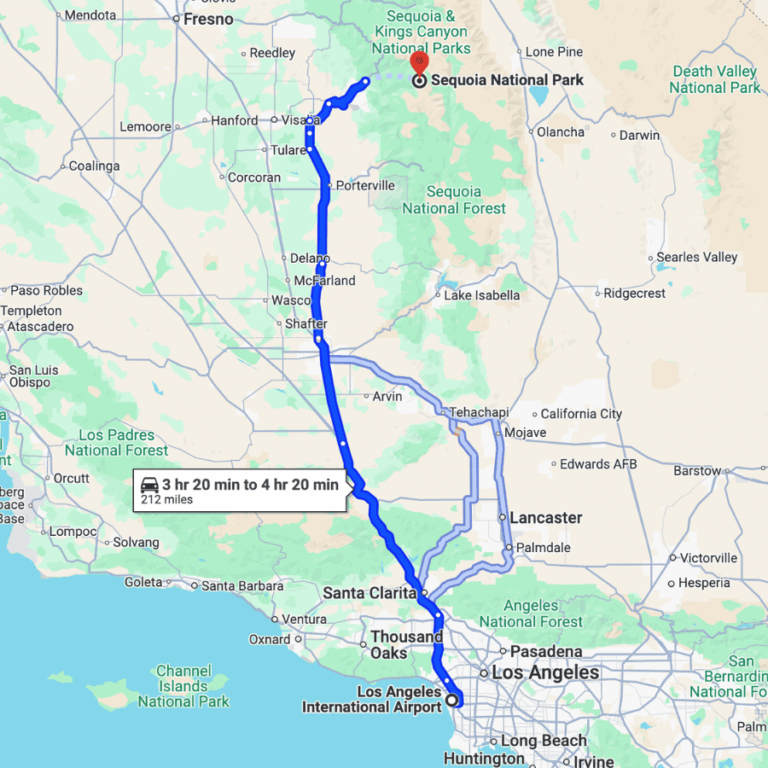
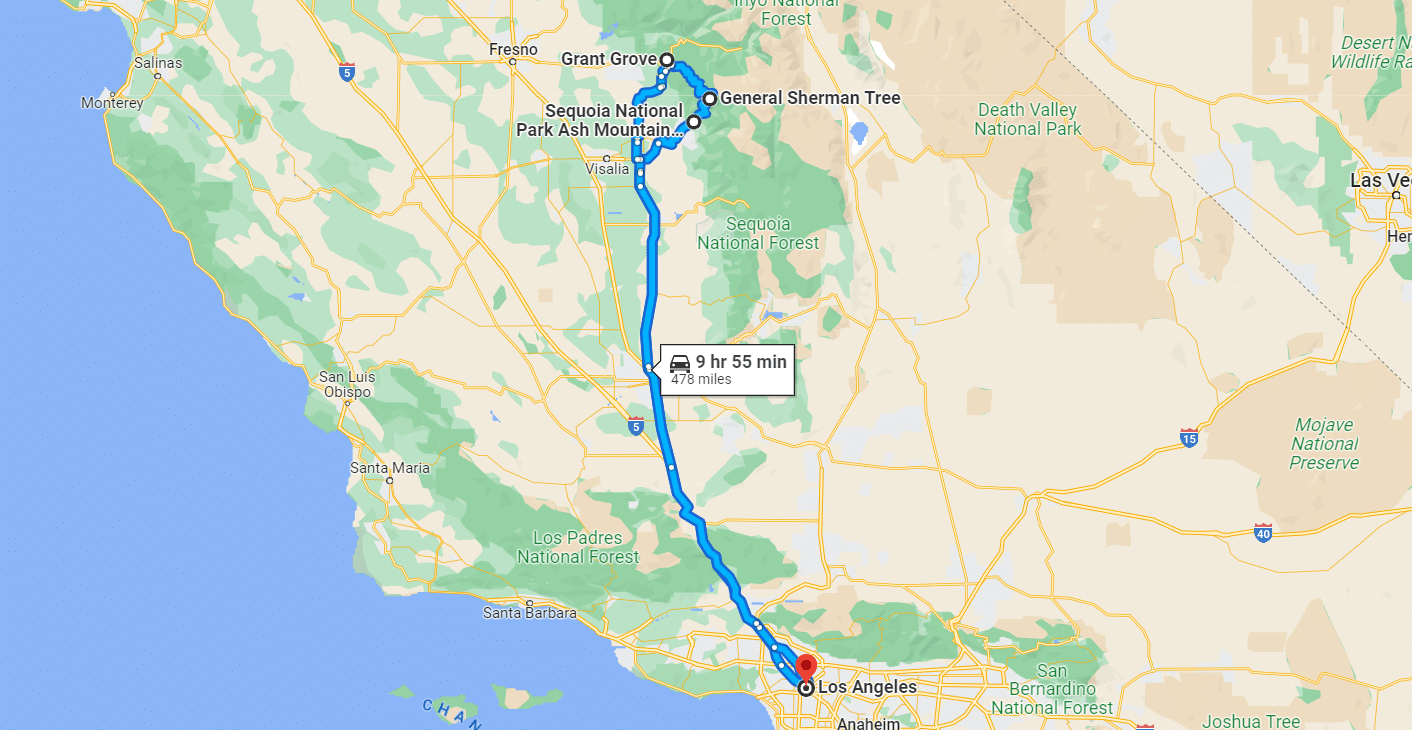
The distance between Los Angeles and Sequoia National Park can vary slightly depending on the specific entrance you intend to use and the exact starting point within the vastness of the Los Angeles metropolitan area. However, as a general guideline, the most common route will take you approximately 180 to 210 miles, translating to an average driving time of 3.5 to 4.5 hours. This estimation excludes stops, potential traffic delays, and the inevitable winding roads that lead into the Sierra Nevada mountains.
Planning Your Route: Key Considerations for the Drive
The drive to Sequoia National Park from Los Angeles is not a single, straightforward path. Several factors influence the optimal route and the overall travel experience. Awareness of these elements will help you make informed decisions, from choosing the best time to depart to understanding potential road closures.
The Primary Entry Points
Sequoia National Park is typically accessed via its western entrances. The most common gateway is the Ash Mountain Entrance near the town of Three Rivers. This entrance leads directly to the heart of the park, offering immediate access to iconic attractions like the Giant Forest and the General Sherman Tree.
Another significant entry point is the Generals Highway Entrance, which connects Sequoia National Park with its sister park, Kings Canyon National Park. This route offers a more scenic approach and provides access to different areas of both parks, though it might add a bit of travel time depending on your final destination within Sequoia.
Navigating the Journey: Recommended Routes
The most direct route from Los Angeles to the Ash Mountain Entrance of Sequoia National Park generally involves heading north on Interstate 5 (I-5 N) or Highway 99 (CA-99 N), depending on your specific starting location within LA. You will then transition to State Route 198 E (SR 198 E), which is the primary artery leading to Three Rivers and the park entrance.
For those aiming for the Generals Highway Entrance or wishing to explore Kings Canyon National Park as well, you might continue further north on CA-99 N and then take SR 180 E towards Fresno, eventually connecting to SR 198 W and then SR 180 E into the parks. This route can be slightly longer but offers a different perspective and allows for exploration of both magnificent parks.
Understanding Travel Time: Factors to Consider
The estimated 3.5 to 4.5 hours of driving time is an approximation for ideal conditions. Several factors can significantly influence this duration:
- Traffic in Los Angeles: Los Angeles is notorious for its traffic congestion. Departing during peak hours (weekday mornings and late afternoons) can add substantial time to your journey. It is highly recommended to plan your departure to avoid these rush periods, perhaps leaving early in the morning or during midday.
- Road Conditions: The final stretch of the journey into Sequoia National Park involves winding mountain roads. While generally well-maintained, these roads are slower to navigate and can be affected by weather. Always check current road conditions and closures, especially during the winter months when snow and ice can impact access.
- Construction and Detours: As with any major highway system, construction projects can cause unexpected delays. It’s wise to check for any reported roadwork along your intended route before you set off.
- Seasonal Closures: Certain roads within Sequoia National Park, particularly those at higher elevations like the Generals Highway during winter, may be subject to closures due to snow. Ensure you verify that your intended entrance and roads within the park are open.
The Journey Itself: What to Expect on the Road
The drive from the urban sprawl of Los Angeles to the tranquil grandeur of Sequoia National Park is a transition that unfolds gradually. As you leave the freeways behind and head north, the landscape begins to transform, offering glimpses of the natural beauty that awaits.
Transitioning from Urban to Rural
The initial part of the journey will likely involve navigating Los Angeles freeways, which are a familiar, albeit sometimes challenging, part of California life. Once you merge onto CA-99 N or I-5 N, the scenery begins to open up. You’ll pass through agricultural lands, with vast fields of crops stretching towards the horizon. The air gradually becomes clearer, and the sense of urgency associated with city driving starts to dissipate.
As you approach Three Rivers, the gateway town to the Ash Mountain Entrance, the landscape becomes more dramatic. Rolling hills give way to steeper terrain, and you’ll begin to see the foothills of the Sierra Nevada mountains. This charming town offers a last chance for fuel, groceries, and last-minute supplies before entering the park.
The Ascent into the Mountains
The drive along SR 198 E into Sequoia National Park is an experience in itself. This is where the road begins to climb, with numerous switchbacks and hairpin turns. While the speed limit is generally lower than on freeways, the views become increasingly spectacular. You’ll catch glimpses of the Kaweah River and the rugged canyon walls, building anticipation for the giant trees that lie ahead.
Keep an eye out for viewpoints along the way where you can safely pull over to admire the scenery and take photographs. The elevation gain means a noticeable drop in temperature, so even on a hot day in Los Angeles, you’ll find a cooler, more invigorating climate as you ascend.
Alternative Travel Options and Considerations
While driving is the most common and flexible way to reach Sequoia National Park from Los Angeles, other options exist, though they are less direct and often require further planning. Understanding these alternatives can be beneficial for travelers with specific needs or preferences.
Public Transportation and Connecting Services
Direct public transportation from Los Angeles to Sequoia National Park is not readily available. However, you can take Amtrak trains or intercity buses from Los Angeles to nearby cities like Fresno or Visalia. From these cities, you would then need to arrange for local transportation, such as a shuttle service or a rental car, to complete the journey to the park. This option can be significantly more time-consuming and may involve multiple transfers.
Rental Cars and Ride-Sharing
Renting a car in Los Angeles is a popular choice, offering the freedom to explore at your own pace and make spontaneous stops. Major rental car companies are readily available at Los Angeles International Airport (LAX) and throughout the city. Ride-sharing services like Uber or Lyft can be used for shorter distances within Los Angeles but are generally not a practical or cost-effective solution for the entire trip to Sequoia National Park due to the distance.
Guided Tours and Organized Trips
For travelers who prefer to leave the driving and planning to others, numerous tour operators offer organized day trips and multi-day excursions from Los Angeles to Sequoia National Park. These tours often include transportation, park admission, and guided sightseeing, providing a hassle-free way to experience the park’s highlights. While this option removes the burden of navigation, it offers less flexibility in terms of itinerary and pace.
Maximizing Your Visit: Arrival and Park Navigation
Once you’ve arrived at Sequoia National Park, understanding the park’s layout and internal transportation options will enhance your experience and allow you to make the most of your time among the giant trees.
Entering the Park
Upon reaching the entrance station, be prepared to pay the park entrance fee. You can purchase an America the Beautiful Pass if you plan to visit multiple national parks within a year, which can be a cost-effective option. Have your identification and payment method ready to expedite the process. Rangers at the entrance can provide maps and current information about park conditions and any alerts.
Navigating Within the Park
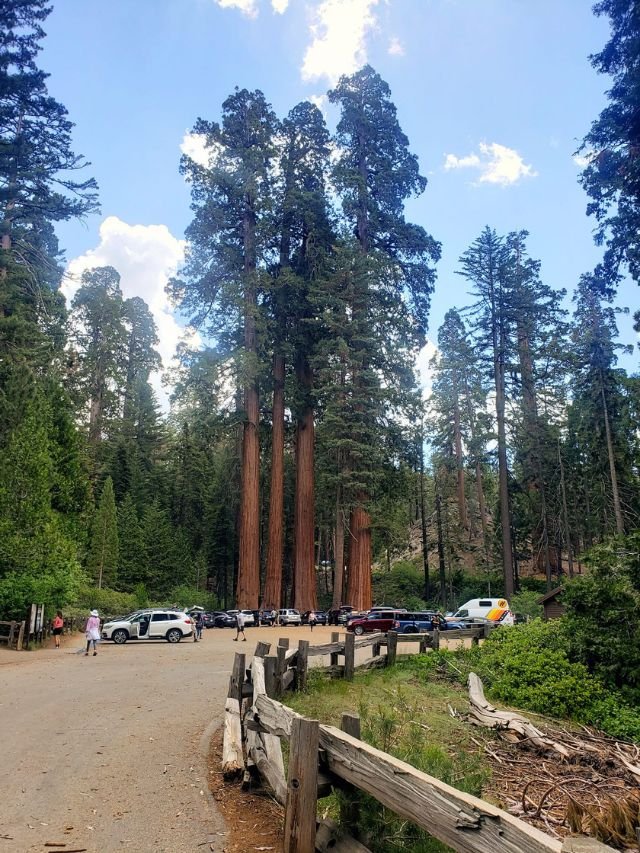
Within Sequoia National Park, the primary road is the Generals Highway, which connects the Ash Mountain Entrance with the Generals Highway Entrance and Kings Canyon National Park. Parking can be limited at popular attractions, especially during peak season. Arriving early in the day is highly recommended to secure a parking spot.
For a more immersive experience and to reduce your impact on the park’s environment, consider utilizing the park’s shuttle services where available, particularly in areas like the Giant Forest. These shuttles often connect major trailheads and visitor centers, allowing you to leave your vehicle and explore without the worry of finding parking at each stop. Familiarize yourself with the shuttle routes and schedules upon arrival.
Essential Preparations
Before you depart from Los Angeles, ensure you have adequate water, snacks, and any necessary medications. Cell service can be spotty to non-existent within the park, so downloading offline maps and information is a prudent step. Pack layers of clothing, as temperatures can fluctuate significantly with elevation and time of day. Comfortable walking shoes are essential for exploring the trails and the magnificent groves of giant sequoias. A fully charged camera will be your companion in capturing the awe-inspiring scale of these ancient trees and the stunning Sierra Nevada landscapes. Planning your journey with an understanding of the distance and travel time from Los Angeles is the first step to a rewarding and memorable visit to Sequoia National Park.
LifeOutOfTheBox is a participant in the Amazon Services LLC Associates Program, an affiliate advertising program designed to provide a means for sites to earn advertising fees by advertising and linking to Amazon.com. Amazon, the Amazon logo, AmazonSupply, and the AmazonSupply logo are trademarks of Amazon.com, Inc. or its affiliates. As an Amazon Associate we earn affiliate commissions from qualifying purchases.