
The image of majestic elk roaming free often conjures up visions of the Rocky Mountains or the expansive wilderness of the American West. However, the question of whether these impressive creatures inhabit the Lone Star State might surprise many. While not a native species in the way bison once were, elk have indeed found a foothold in Texas, primarily through reintroduction efforts and managed populations. Understanding their presence, where to potentially see them, and the conservation initiatives surrounding them offers a unique glimpse into Texas’s diverse natural landscapes and its commitment to wildlife stewardship.
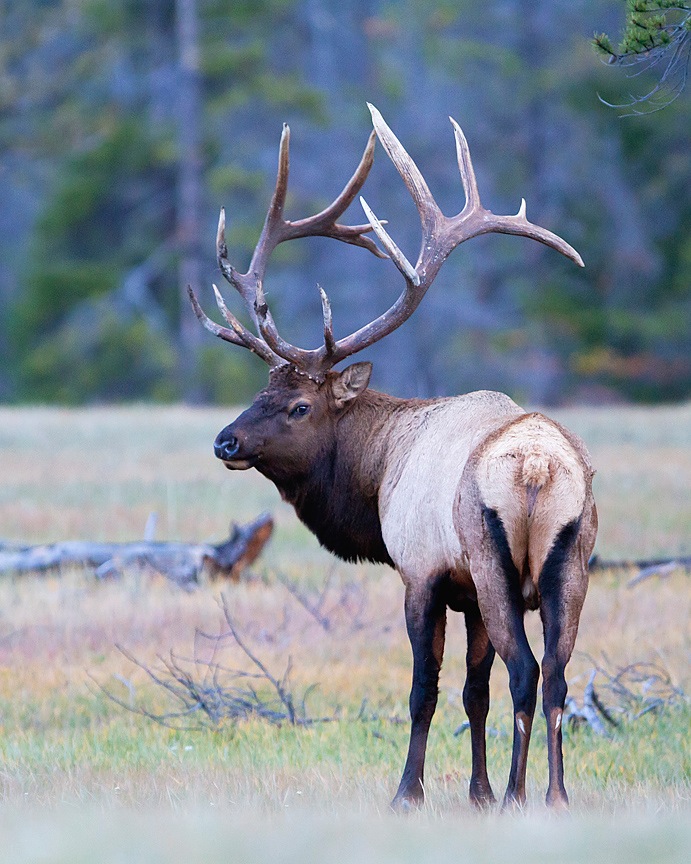
The Merriam’s Elk: A Texas Comeback Story
The story of elk in Texas is largely one of successful reintroduction. Historically, the ancestral elk found in this region were the now-extinct Merriam’s elk. These elk, a subspecies of the North American elk ( Cervus canadensis ), once roamed parts of New Mexico, Arizona, and likely extended their range into West Texas. However, overhunting and habitat loss led to their demise by the early 20th century.
The modern presence of elk in Texas is primarily due to the introduction of the Rocky Mountain elk subspecies. These introductions began in earnest in the mid-20th century, driven by a desire to restore a significant game species and enhance the biodiversity of the state. The Texas Parks and Wildlife Department (TPWD) has been instrumental in these efforts, working to establish viable elk populations in suitable habitats.
Key Introduction Sites and Population Growth
The success of these reintroduction programs is a testament to careful planning and habitat management. Several key areas have become synonymous with elk in Texas:
- Guadalupe Mountains National Park: This is perhaps the most well-known location for wild elk in Texas. The park’s rugged, mountainous terrain provides ideal habitat, mirroring the natural environment these elk are accustomed to. The TPWD and the National Park Service have collaborated to monitor and manage the growing elk population within and around the park.
- Caprock Canyon State Park & Trailway: Located in the Texas Panhandle, this park has also seen successful elk introductions. The unique geological formations and varied vegetation offer a surprisingly suitable environment for these large ungulates. Visitors often report sightings of elk grazing in the canyons and on the mesas.
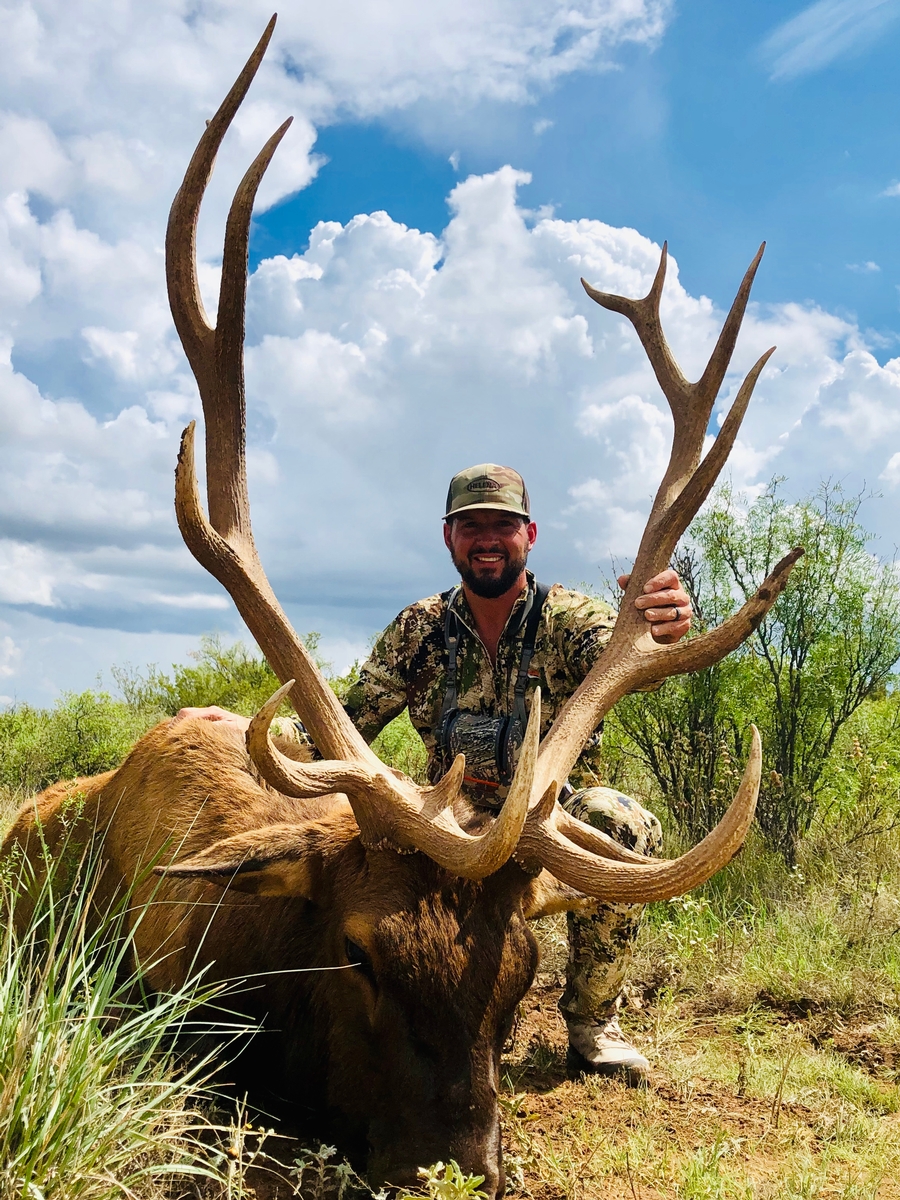
- Private Ranch Lands: Beyond public parks, many private landowners, particularly in West Texas, have actively managed or reintroduced elk onto their properties. These ranches, often employing wildlife management strategies, contribute significantly to the overall elk population in the state. Some of these ranches even offer guided hunts, providing a regulated avenue for experiencing these animals.
The populations have shown a steady increase over the decades, demonstrating the adaptability of the Rocky Mountain elk and the effectiveness of conservation strategies employed in Texas. While not as numerous as in their native Western ranges, these Texas elk represent a significant conservation achievement.
Where to Spot Elk in Texas: A Guide for Wildlife Enthusiasts
For travelers and nature enthusiasts hoping to catch a glimpse of elk in Texas, strategic planning and understanding of their preferred habitats are key. While sightings are not guaranteed, visiting the right locations during optimal times can greatly increase your chances.
Prime Viewing Locations
- Guadalupe Mountains National Park: This is undoubtedly the premier destination. The park’s high elevation, diverse plant life, and rugged terrain create an ideal environment.
- McKittrick Canyon: This scenic canyon is a particularly good spot. Elk are often seen grazing in the early morning and late evening. The changing colors of the bigtooth maples in autumn also attract elk to this area.
- Pinery Trail Area: While hiking the trails, keep an eye on open meadows and along the edges of the forested areas.
- Roadside Viewing: Sometimes, elk can be spotted grazing near the U.S. Highway 62/180 that runs through the park, especially in the early morning or twilight hours. Always exercise caution and pull over safely if you stop to observe.
-
Caprock Canyon State Park & Trailway: This park offers a different landscape, characterized by dramatic canyons and colorful rock formations.
- Lookout Trails: Elevated viewpoints can provide broader vistas where elk might be visible grazing in the distance.
- Canyon Floors: Elk often descend into the canyons to feed on grasses and shrubs. Early morning and late afternoon are prime times for activity.
-
West Texas Ranch Lands: Many private ranches in the Trans-Pecos region have established elk populations. While not always accessible to the general public, some outfitters offer guided tours or hunting packages that may provide opportunities for viewing. Researching reputable ranch operations in areas near the Guadalupe Mountains or the Davis Mountains might be worthwhile.
Best Times for Sightings
- Dawn and Dusk: Like most large game animals, elk are most active during the crepuscular hours. This is when they typically move from bedding areas to feeding grounds.
- Rutting Season (Late Summer/Early Autumn): From August through October, the elk rut is in full swing. This is a spectacular time to observe their behavior, as bulls engage in bugling contests and sparring. While exciting, it’s also a time to maintain a safe distance, as bulls can be particularly territorial.
- Winter Months: During colder months, elk may move to lower elevations or seek out areas with more accessible food sources. They can sometimes be seen in more open areas where snow cover is less severe.
Tips for Responsible Viewing
- Maintain a Safe Distance: Elk are wild animals and can be dangerous if approached. Use binoculars or a telephoto lens to get a closer look without disturbing them. A general rule of thumb is to stay at least 100 yards away from elk.
- Never Feed Wildlife: Feeding elk can disrupt their natural foraging behavior, lead to dependency, and make them more susceptible to disease. It is also illegal in most parks and protected areas.
- Stay on Designated Trails: This protects both the wildlife and the fragile desert and mountain ecosystems.
- Be Patient: Wildlife viewing requires patience. Sometimes, sitting quietly in a strategic location for an extended period can yield the best results.
- Respect Park Regulations: Always adhere to the rules and guidelines set forth by National Park Service and Texas Parks and Wildlife Department personnel.
Conservation Efforts and the Future of Elk in Texas
The presence of elk in Texas is not a static phenomenon; it is a dynamic result of ongoing conservation efforts. The Texas Parks and Wildlife Department plays a crucial role in managing these populations to ensure their long-term sustainability and integration into the state’s ecosystem.
Management Strategies
- Population Monitoring: Regular surveys are conducted to estimate population numbers, assess health, and understand herd demographics. This data informs management decisions.
- Habitat Improvement: Efforts are made to maintain and improve the quality of elk habitat. This can include prescribed burns to encourage new plant growth, managing invasive species, and ensuring water sources are available, especially during dry periods.
- Legal Hunting Programs: In certain areas, particularly on private ranches, managed hunting programs are implemented. These programs are designed to control population numbers, prevent overgrazing, and provide economic incentives for landowners to conserve habitat. This is a carefully regulated process, with permits and quotas set by the TPWD.
- Research and Education: The TPWD conducts research on elk behavior, health, and their interactions with other wildlife and the environment. Educational outreach programs also aim to inform the public about the importance of elk conservation.

Challenges and Opportunities
Despite the successes, challenges remain. Maintaining healthy populations in a state with increasing human population density and developing land requires continuous effort. Habitat fragmentation, disease transmission, and potential conflicts with agricultural interests are factors that need careful management.
However, the continued presence of elk also presents opportunities. They are a significant draw for wildlife tourism, contributing to local economies through visitor spending on accommodations, guides, and supplies. Furthermore, their role as a large herbivore influences plant communities, playing a part in the ecological balance of the landscapes they inhabit.
The story of elk in Texas is a compelling example of how dedicated conservation can bring back iconic species and enrich the natural heritage of a state. For those who venture into the wilder parts of Texas, the chance to witness these magnificent animals is a rewarding experience that underscores the state’s commitment to its diverse and evolving wildlife.
LifeOutOfTheBox is a participant in the Amazon Services LLC Associates Program, an affiliate advertising program designed to provide a means for sites to earn advertising fees by advertising and linking to Amazon.com. Amazon, the Amazon logo, AmazonSupply, and the AmazonSupply logo are trademarks of Amazon.com, Inc. or its affiliates. As an Amazon Associate we earn affiliate commissions from qualifying purchases.