
While Arizona is renowned for its breathtaking desert landscapes, vibrant culture, and booming economy, its standing in education often garners less attention. However, understanding a state’s educational performance is crucial for families considering a move, businesses evaluating workforce potential, and policymakers aiming for improvement. This exploration delves into Arizona’s rankings across various educational metrics, offering insights into its strengths and areas for development. The pursuit of quality education is a cornerstone of a thriving community, and for those drawn to the allure of the Grand Canyon State, knowing its educational landscape is an essential piece of the puzzle.
K-12 Education Rankings and Performance
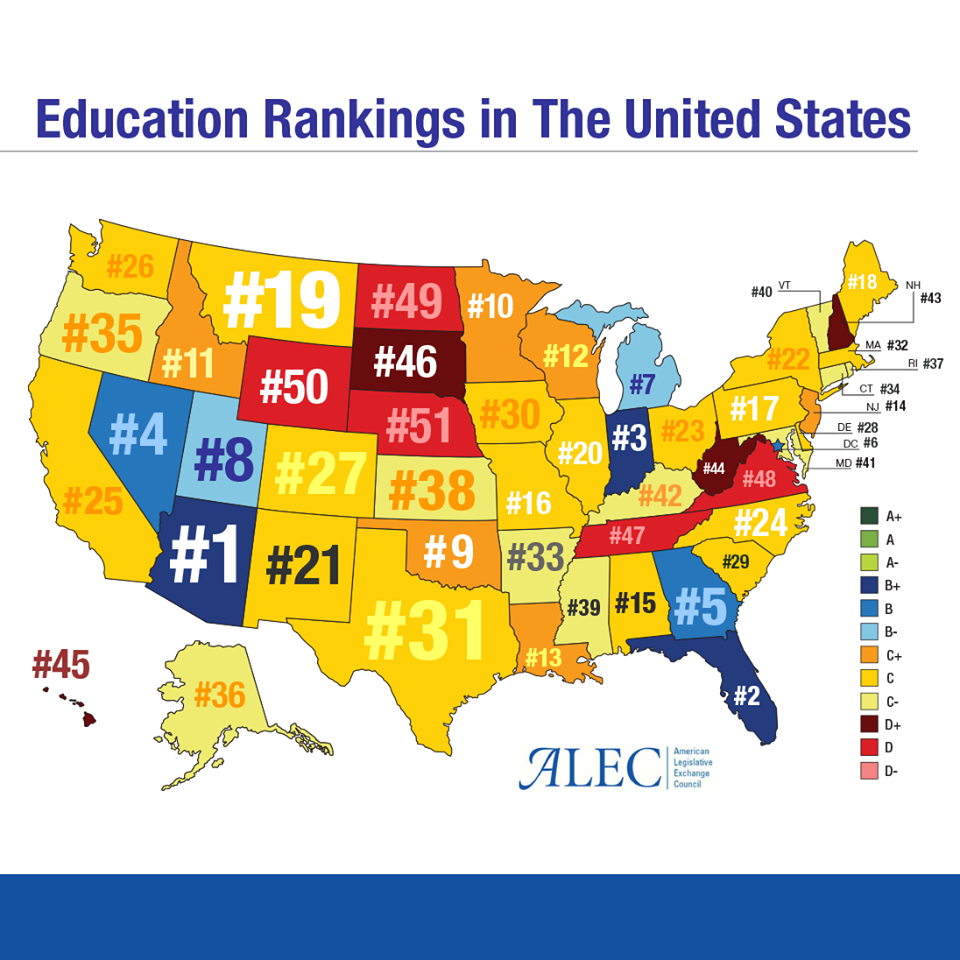
The performance of a state’s K-12 education system is often a primary concern for families. Arizona’s rankings in this sector are multifaceted, reflecting a complex interplay of funding, student demographics, and policy initiatives. Various organizations and publications produce annual rankings, each with its own methodology, making it important to consider a range of data points.
Key Metrics and Comparisons
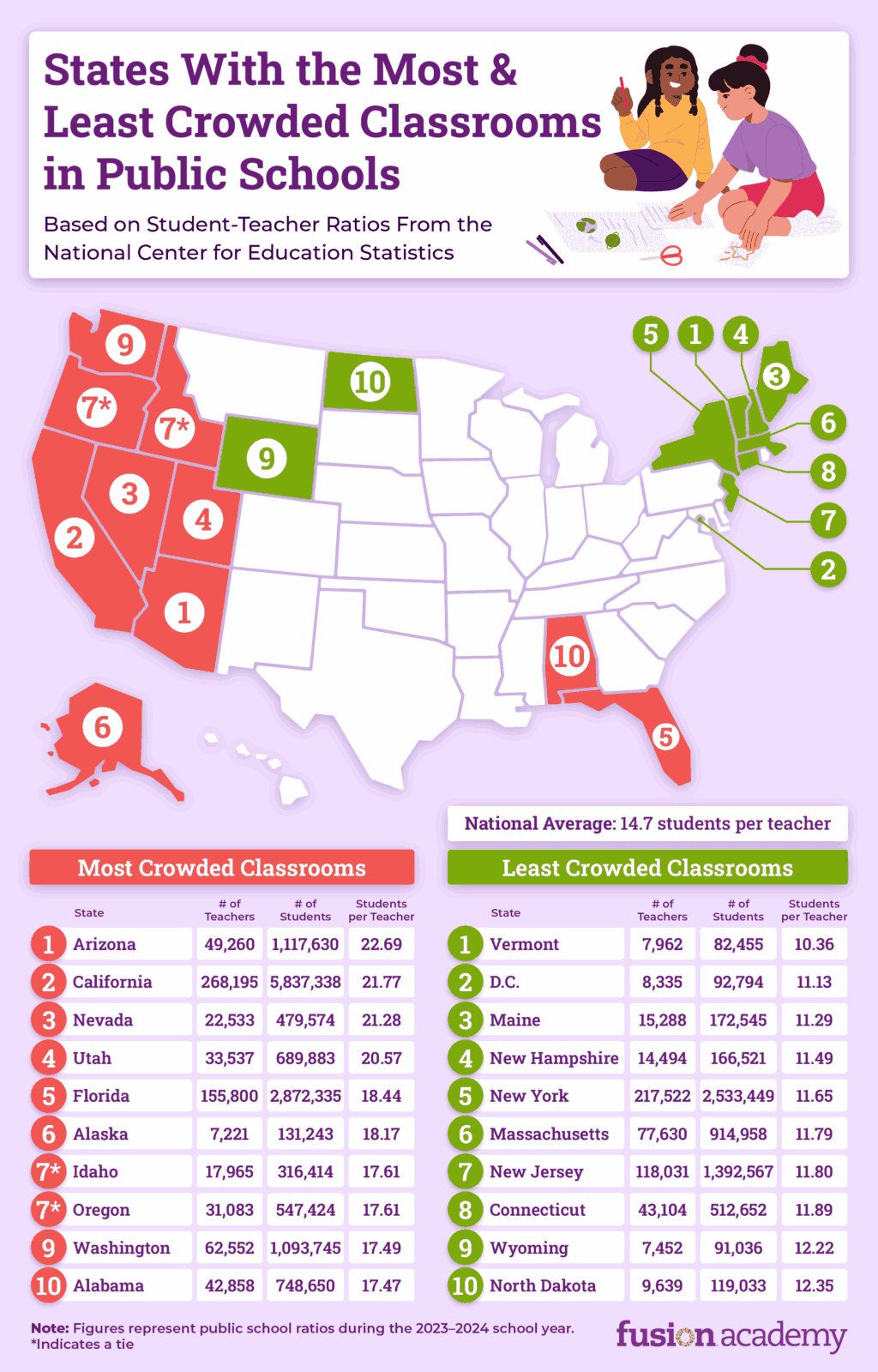
When assessing K-12 education, common metrics include graduation rates, standardized test scores, student-teacher ratios, and per-pupil spending. Arizona’s performance often lands it in the middle tier of national rankings. For instance, studies by organizations like U.S. News & World Report have placed Arizona in the bottom half of states for overall K-12 education, citing challenges in areas like high school graduation rates and academic achievement.
However, it’s crucial to look beyond the headline numbers. Factors such as rapid population growth and a diverse student body can influence aggregate statistics. Some districts within Arizona, particularly those in affluent areas or those with strong community support, may demonstrate exceptional performance, while others face significant challenges.
Funding and Resource Allocation
A significant factor influencing educational outcomes is funding. Arizona has historically faced discussions and debates surrounding per-pupil spending. Compared to many other states, Arizona’s investment in its public schools has often been lower, which can impact resources, teacher salaries, and program availability. This disparity can create inequities across different school districts, with some students having access to more advanced technology, smaller class sizes, and a wider range of extracurricular activities than others.
Efforts to address funding gaps and ensure equitable resource allocation are ongoing. Reforms and initiatives aimed at increasing teacher pay, investing in early childhood education, and expanding access to special education services are frequently part of the legislative agenda in Arizona. The outcome of these efforts directly impacts the state’s ability to improve its educational rankings.
Innovation and School Choice
Arizona has also been a pioneer in exploring innovative educational models and expanding school choice. The state has one of the largest and most established charter school sectors in the country, offering parents and students alternatives to traditional public schools. This movement towards school choice has been driven by a desire to meet the diverse needs of students and to foster competition and innovation within the educational landscape.
Rankings can sometimes reflect the impact of these choice programs, with some charter schools demonstrating high levels of student achievement. However, the debate around the effectiveness and equity of school choice programs is complex and continues to evolve. For families exploring educational options in Arizona, understanding the landscape of public, charter, and private schools is essential.
Higher Education Landscape
Beyond K-12, Arizona boasts a robust higher education system, anchored by major public universities and a growing network of community colleges and private institutions. The quality and accessibility of these institutions play a vital role in workforce development and the state’s economic competitiveness.
University Rankings and Research Output
Arizona’s flagship public universities, Arizona State University (ASU) and the University of Arizona (UA), are significant contributors to higher education and research. ASU, in particular, has garnered national recognition for its innovative approach to higher education, its large student enrollment, and its focus on public service and research. It is often ranked among the top universities for innovation and undergraduate teaching.
The University of Arizona, located in Tucson, is a major research institution with strengths in areas like space exploration, medicine, and biosciences. Both universities contribute significantly to the state’s economy through research, technology transfer, and the graduation of skilled professionals.
Community Colleges and Workforce Training
The network of community colleges across Arizona plays a critical role in providing accessible and affordable post-secondary education and workforce training. Institutions like Maricopa Community Colleges, which serves the Phoenix metropolitan area, are vital for preparing students for direct entry into the workforce or for transferring to four-year universities. These colleges offer a wide array of vocational programs, associate degrees, and transfer pathways, directly addressing the state’s workforce needs in sectors such as healthcare, advanced manufacturing, and technology. Their responsiveness to local industry demands is a key factor in their contribution to Arizona’s economic vitality.
Private Institutions and Specialized Programs
In addition to public institutions, Arizona is home to a number of private colleges and universities, as well as specialized technical and vocational schools. These institutions often offer niche programs or cater to specific student populations. Their presence adds to the diversity of educational options available within the state, providing further pathways for individuals seeking to enhance their skills and knowledge.
Factors Influencing Educational Rankings
Several overarching factors influence Arizona’s educational rankings, encompassing demographic shifts, economic conditions, and legislative priorities. Understanding these dynamics provides a clearer picture of the challenges and opportunities facing the state’s education system.
Demographic Trends and Diversity
Arizona is a rapidly growing state with a diverse population. This demographic dynamism presents both opportunities and challenges for the education system. A growing student population requires continuous investment in infrastructure, teacher recruitment, and program development. Furthermore, the increasing diversity of students, including a significant Hispanic population and a growing number of English Language Learners, necessitates culturally responsive teaching practices and specialized support services to ensure all students have the opportunity to succeed. Educational rankings that do not adequately account for these demographic complexities may not fully reflect the efforts and progress being made within the state.
Economic Impact and Workforce Needs
The strength of Arizona’s economy is inextricably linked to its educational system. Businesses in sectors such as technology, aerospace, healthcare, and advanced manufacturing require a skilled and educated workforce. Therefore, the state’s educational institutions play a crucial role in meeting these demands. When rankings highlight educational strengths, they often correlate with the presence of robust programs that feed directly into high-growth industries. Conversely, areas where Arizona’s education system may lag in rankings can reflect a gap between educational output and the needs of the state’s evolving economy. Investing in STEM education, vocational training, and higher education research is paramount for maintaining Arizona’s economic competitiveness.
Policy and Legislative Initiatives
The educational landscape in Arizona is continually shaped by policy decisions and legislative initiatives. From K-12 funding formulas and curriculum standards to higher education affordability and research grants, governmental actions have a profound impact on the quality and accessibility of education. Debates around school funding, teacher retention, and the expansion of educational programs are central to the state’s political discourse. Rankings can serve as indicators of the effectiveness of these policies, prompting further discussion and reform. Organizations like the Arizona Department of Education play a key role in implementing state and federal educational policies.
The Future of Education in Arizona
Looking ahead, Arizona’s commitment to education will be a defining factor in its future prosperity. Addressing the challenges identified in various rankings requires sustained effort and strategic investment.
Addressing Achievement Gaps
A significant focus for the future will be on closing achievement gaps among different student populations. This involves implementing evidence-based interventions, providing targeted support for struggling students, and fostering inclusive learning environments. Initiatives aimed at improving early childhood education and ensuring equitable access to resources across all school districts will be crucial.
Fostering Innovation and Adaptability
The educational landscape is constantly evolving, and Arizona’s institutions must remain adaptable and innovative. This includes embracing new technologies, developing flexible learning models, and preparing students for careers that may not yet exist. The state’s universities and colleges are increasingly focusing on interdisciplinary studies and lifelong learning opportunities to equip graduates with the skills needed for a dynamic job market.

Strengthening Partnerships
Collaboration between educational institutions, businesses, and communities will be key to success. Strong partnerships can lead to curriculum development that aligns with workforce needs, internship and apprenticeship opportunities for students, and a more engaged public in supporting educational initiatives. By working together, Arizona can build an educational ecosystem that not only improves its national rankings but, more importantly, provides its residents with the opportunities for lifelong learning and success. The journey towards educational excellence in the Grand Canyon State is ongoing, driven by a collective commitment to empowering its citizens through knowledge and skill.
LifeOutOfTheBox is a participant in the Amazon Services LLC Associates Program, an affiliate advertising program designed to provide a means for sites to earn advertising fees by advertising and linking to Amazon.com. Amazon, the Amazon logo, AmazonSupply, and the AmazonSupply logo are trademarks of Amazon.com, Inc. or its affiliates. As an Amazon Associate we earn affiliate commissions from qualifying purchases.