
The very mention of the name “Texas Rangers” conjures images of rugged individualism, unwavering justice, and the vast, untamed frontier of Texas. For generations, these legendary figures have been etched into the American consciousness through dime novels, Hollywood Westerns, and countless historical accounts. But in the modern era, as the landscape of law enforcement has evolved, a question often arises: do the Texas Rangers still exist? The answer is a resounding yes, though their role and operations have transitioned from the horseback patrols of the 19th century to the sophisticated investigations of the 21st.

The Enduring Legacy of the Rangers
Founded in 1823 by Stephen F. Austin to protect the early settlers of Texas from hostile Native American tribes and outlaws, the Texas Rangers are the oldest state-wide law enforcement agency in the United States. Their early days were characterized by daring feats, immense bravery, and a reputation for bringing criminals to justice, often through sheer grit and determination in a lawless territory. Figures like Captain John Coffee “Jack” Hays and Sam Houston are intrinsically linked to the mythos of the Rangers, embodying the spirit of the frontier.
Their duties were diverse and demanding. They served as scouts, trackers, investigators, and even diplomats, navigating the complex relationships between settlers, Native Americans, and the Mexican government. The challenges they faced were immense: vast distances, limited resources, and a constant threat of violence. Yet, their effectiveness in bringing a semblance of order to a chaotic land cemented their legendary status. This historical legacy continues to inform their identity today, a constant reminder of the high standards and unwavering commitment expected of every Ranger.
The Modern Texas Ranger: A New Era of Law Enforcement
While the iconic image of the Ranger on horseback might linger in the popular imagination, the reality of the modern Texas Ranger is one of highly trained, specialized law enforcement professionals. Today, the Texas Rangers are a division of the Texas Department of Public Safety (DPS) and operate as an elite investigative unit. Their jurisdiction encompasses the entire state of Texas, and their investigations are often the most complex and sensitive cases handled by the state.
Core Responsibilities and Investigations
The modern Ranger’s role is far removed from the broad, often self-directed duties of their predecessors. Instead, they are called upon for specific, high-priority investigations that require their unique skills and statewide authority. These responsibilities include:
- Major Crimes Investigations: Rangers are frequently assigned to investigate homicides, serial killings, complex fraud schemes, public corruption, and other major criminal activity that may cross jurisdictional lines or require specialized expertise. Their ability to operate across the vast expanse of Texas makes them invaluable in cases involving multiple jurisdictions.
- Public Corruption: The Rangers have a significant mandate to investigate corruption at all levels of government within Texas. This can involve examining the actions of elected officials, law enforcement officers, and public employees, ensuring accountability and upholding public trust.
- Electoral Crimes: In cases of alleged fraud or irregularities in Texas elections, the Rangers are often tasked with conducting thorough investigations to maintain the integrity of the democratic process.
- Cold Cases: With their experience and meticulous investigative techniques, Rangers are often brought in to re-examine unsolved “cold cases,” seeking to bring closure to victims’ families and hold perpetrators accountable, even after many years have passed.
- Assistance to Local Law Enforcement: While they are an independent investigative unit, the Rangers also provide crucial assistance to local police departments and sheriff’s offices. This support can range from offering expertise in specific types of investigations to dedicating significant manpower to complex cases that overwhelm local resources.
The Ranger Selection Process
Becoming a Texas Ranger is an exceptionally rigorous and competitive process. Candidates are not recruited directly out of the academy; instead, they must first have a proven track record as accomplished law enforcement officers, typically with several years of experience in fields such as detective work, narcotics, or special investigations. The selection process is designed to identify individuals with not only exceptional investigative skills but also impeccable integrity, strong analytical abilities, and the capacity to work independently and under pressure. Once selected, they undergo extensive specialized training that further hones their investigative acumen.
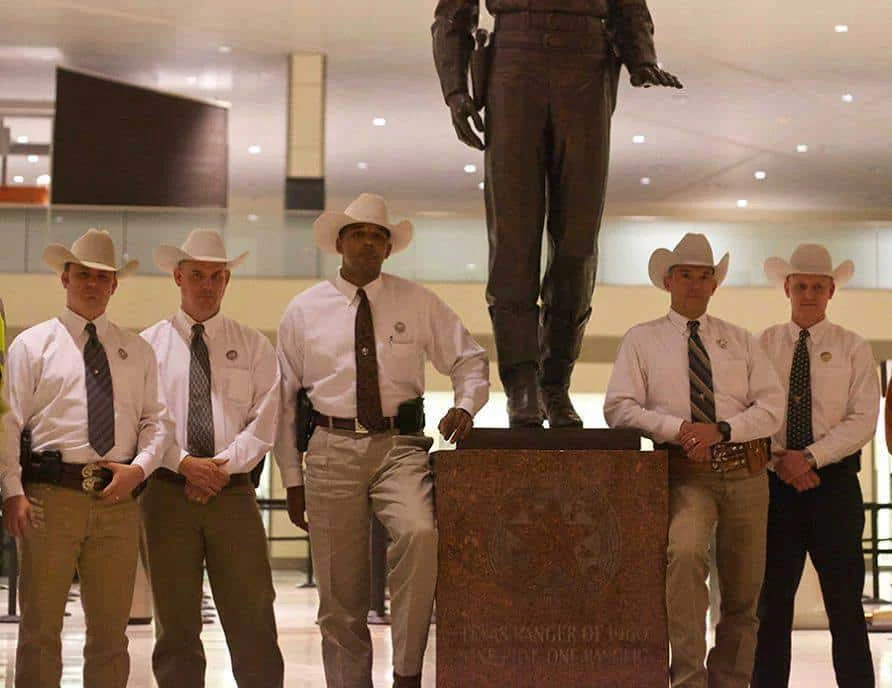
The modern Ranger is a master of forensic science, digital investigation, intelligence gathering, and the legal intricacies of modern criminal prosecution. They work closely with prosecutors, medical examiners, forensic specialists, and other law enforcement agencies, forming a network dedicated to justice.
The Ranger in Texas Culture and Tourism
Beyond their operational duties, the Texas Rangers remain a powerful symbol in Texas culture and a significant draw for tourism. Their legendary exploits have been immortalized in countless books, films, and television shows, shaping the romanticized image of the Wild West.
Historical Sites and Museums
For those interested in the history of the Texas Rangers, several key locations offer a tangible connection to their past. The Texas Ranger Hall of Fame and Museum in Waco, Texas, is a premier destination. It houses an extensive collection of artifacts, firearms, uniforms, and exhibits detailing the history of the Rangers from their inception to the present day. Visitors can learn about famous Rangers, significant cases, and the evolution of their role in Texas history.
Other historical sites across the state also offer glimpses into the Ranger era. Many historic courthouses and frontier forts, such as Fort Richardson, often have exhibits or interpretative programs that touch upon the Rangers’ impact on settlement and law enforcement. Exploring these locations provides a deeper appreciation for the challenges and triumphs of those early days.
The Ranger Mythos and Popular Culture
The enduring appeal of the Texas Rangers in popular culture cannot be overstated. From the dime novels of the late 19th century to the iconic television series “Walker, Texas Ranger,” starring Chuck Norris, the Ranger archetype continues to resonate. These portrayals, while often dramatized, tap into a fundamental appreciation for justice, courage, and the fight against overwhelming odds. This cultural significance makes the Texas Rangers a beloved symbol of Texas identity, attracting tourists interested in experiencing the state’s unique heritage.
The image of the Ranger as a solitary, principled figure who rides to the rescue embodies a timeless ideal of heroism. This mythos, combined with the factual history of their crucial role in shaping Texas, ensures their continued relevance in both historical and cultural landscapes.

The Future of the Texas Rangers
As Texas continues to grow and evolve, so too will the role of the Texas Rangers. Their adaptability, honed over nearly two centuries, will be key to their continued effectiveness. The challenges of modern crime—cybercrime, sophisticated financial fraud, and complex transnational organized crime—require constant innovation and adaptation in investigative techniques.
The Texas Rangers division has consistently demonstrated its capacity to embrace new technologies and methodologies. From utilizing advanced forensic tools to developing sophisticated intelligence-gathering capabilities, they remain at the forefront of law enforcement in Texas. Their commitment to justice, deeply rooted in their historical legacy, will undoubtedly guide them as they confront the complexities of the future. They are not just a relic of the past but a vital, dynamic force for law and order in contemporary Texas. Their presence continues to be a testament to the enduring pursuit of justice and the enduring spirit of the Lone Star State.
LifeOutOfTheBox is a participant in the Amazon Services LLC Associates Program, an affiliate advertising program designed to provide a means for sites to earn advertising fees by advertising and linking to Amazon.com. Amazon, the Amazon logo, AmazonSupply, and the AmazonSupply logo are trademarks of Amazon.com, Inc. or its affiliates. As an Amazon Associate we earn affiliate commissions from qualifying purchases.