
Navigating the intricate tapestry of travel often involves understanding local customs and regulations, especially when it comes to enjoying a refreshing beverage. For those planning a road trip through the Lone Star State, a common query arises: “Can passengers drink alcohol in a car in Texas?” This question touches upon a nuanced area of Texas law that often surprises visitors and even some residents. While the state is known for its celebratory spirit and vibrant nightlife, especially in cities like Austin and Dallas, its laws regarding open containers in vehicles are quite specific and aim to balance personal freedom with public safety. Understanding these regulations is crucial for a smooth and enjoyable travel experience, ensuring you don’t inadvertently find yourself on the wrong side of the law. This exploration will delve into the specifics, providing clarity for any traveler venturing across the vast landscapes of Texas.
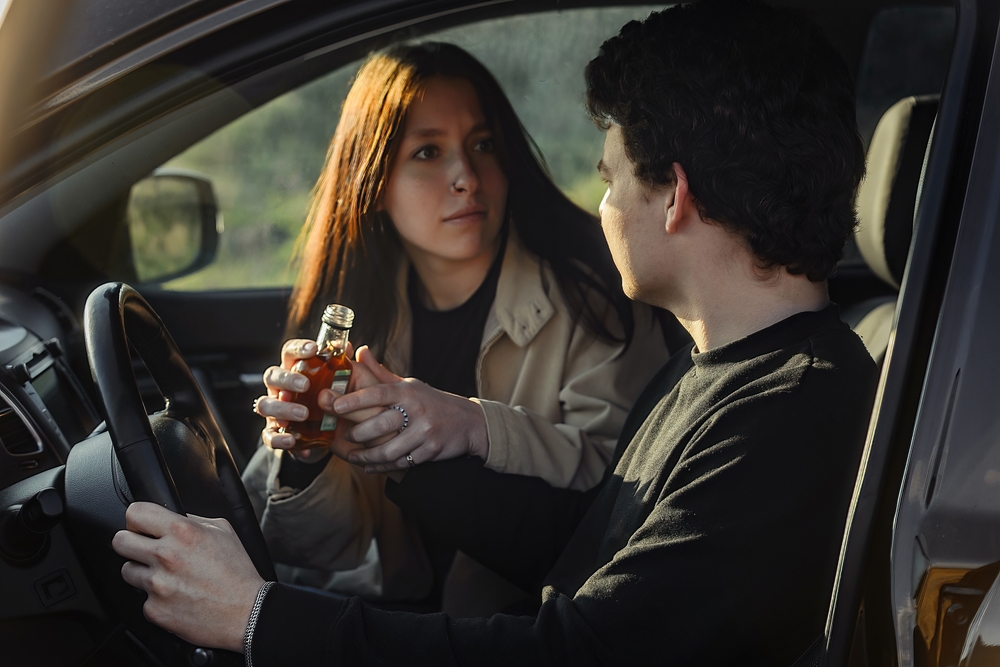
The Open Container Law in Texas
At the heart of the matter lies the Texas Open Container Law, which, at its core, prohibits the possession of an open container of an alcoholic beverage in a motor vehicle. However, the devil is in the details, and this law comes with several important distinctions and exceptions that significantly impact whether a passenger can legally consume alcohol. The primary objective of the law is to prevent individuals from driving while impaired and to discourage open consumption of alcohol in a moving vehicle, which is seen as a potential precursor to dangerous driving behaviors.
Defining “Open Container”
To fully grasp the implications of the law, it’s essential to understand what constitutes an “open container” in Texas. An open container is defined as any bottle, can, or other receptacle that has been opened, has a broken seal, or has had a portion of its contents removed. This means that even if a bottle or can is only partially consumed, it is considered an open container if it meets these criteria. The law further specifies that the container must be readily accessible to the driver or passengers.
The Driver vs. The Passenger
The most critical distinction in Texas law regarding open containers is the role of the individual within the vehicle. The law explicitly prohibits a driver from operating a motor vehicle while having an open container of alcohol in their possession. This is a strict prohibition, and violations can lead to significant penalties, including fines and points on one’s driving record.
For passengers, the situation is somewhat different, but not entirely permissive. While the law primarily targets the driver, passengers are generally not permitted to consume alcohol from an open container in a vehicle that is in operation on a public roadway. This means that while a driver might face immediate repercussions for an open container, passengers are also subject to regulations that prevent open consumption. The intent is to maintain a controlled environment within the vehicle and prevent the situation from escalating to the driver potentially consuming alcohol or being influenced by its consumption.
Exceptions to the Open Container Law
Despite the general prohibition, Texas law does provide specific exceptions to the open container rules, which can indirectly affect passenger drinking. These exceptions are crucial for understanding the complete picture and are often the source of confusion.
Exception 1: The Private Vehicle and Designated Area
One of the most significant exceptions pertains to private vehicles that are not being operated. If a vehicle is parked in a location where consuming alcohol is permitted (e.g., a private driveway not visible from a public road, or a designated camping area), then passengers might be able to consume alcohol from open containers. However, this exception immediately ceases to apply once the vehicle is put into motion on a public highway.
Exception 2: The Camper and RV Exception
Recreational vehicles (RVs), campers, and motor homes designed for habitation often have different regulations. In many cases, individuals can legally consume alcohol from open containers within these vehicles while they are in operation, provided that the consumption is confined to the living quarters and not the driver’s compartment. This allows for a more relaxed experience for those traveling in larger, self-contained vehicles, particularly when journeying through scenic routes or national parks like Big Bend National Park.
Exception 3: Transportation Services and Limousines
Another important exception involves vehicles for hire that are operated by a licensed driver. This includes limousines, party buses, and other similar vehicles designed to transport multiple passengers. In these situations, passengers are generally permitted to consume alcohol from open containers. This exception is designed to accommodate the celebratory nature of events often associated with these types of transportation, such as attending concerts in Houston or celebrating a special occasion. The key here is that the vehicle is operated by a professional driver, and the focus is on the passenger experience.

The “Moving Violation” Aspect
It’s important to clarify that possessing an open container of alcohol in a vehicle while it is moving on a public roadway is considered a moving violation in Texas. This means that if law enforcement officers observe an open container, even if it’s in the possession of a passenger and the driver is not drinking, it can still lead to a citation. The law is designed to create an environment where the driver is not tempted or influenced by readily available alcohol. Therefore, even if the passenger is the one drinking, the presence of the open container can cause issues for the entire vehicle.
Penalties for Open Container Violations
The penalties for violating the Texas Open Container Law can vary depending on the circumstances and whether there are prior offenses.
- First Offense: Typically results in a fine of up to $500.
- Second Offense: Can lead to a fine of up to $1,000 and potentially a jail sentence of up to 180 days.
- Subsequent Offenses: Carry even more severe penalties, including larger fines and longer jail sentences.
Beyond fines and jail time, a conviction can also result in points being added to your Texas driver’s license, which can increase insurance premiums.
Practical Advice for Travelers
For travelers embarking on a journey through Texas, especially those planning to rent a car or use ride-sharing services, it’s prudent to err on the side of caution.
Keep It Sealed and Stowed
The safest approach is to ensure that all alcoholic beverages remain in their original, unopened, and sealed containers while inside a vehicle that is in operation on a public road. If you intend to consume alcohol, it should be done after you have reached your destination, perhaps at a hotel like the Hotel San Jose in Austin, or at a restaurant or bar.
Designate a Sober Driver
If you are traveling with a group and plan to consume alcohol, designating a sober driver is paramount. This individual will be responsible for operating the vehicle and must not consume any alcohol. Remember that even being slightly over the legal limit can have severe consequences.
Utilize Designated Transportation
For evenings out where drinking is anticipated, consider using ridesharing services like Uber or Lyft, or hiring a taxi. This eliminates the concern of open container laws altogether and ensures everyone can enjoy themselves without worry.

Understand Your Vehicle Type
If you are traveling in an RV or camper, familiarize yourself with the specific regulations for those types of vehicles in Texas. While there are exceptions, it’s always best to be informed.
In summary, while the title “Can Passengers Drink Alcohol In A Car In Texas?” might suggest a simple yes or no answer, the reality is more complex. The law is designed to prioritize safety, and while passengers might not be the primary focus of the open container law, their actions can still have legal ramifications. By understanding the nuances and adhering to the regulations, travelers can ensure their Texas road trip is both enjoyable and legally compliant, allowing them to fully experience the attractions and culture of the state without undue concern.
LifeOutOfTheBox is a participant in the Amazon Services LLC Associates Program, an affiliate advertising program designed to provide a means for sites to earn advertising fees by advertising and linking to Amazon.com. Amazon, the Amazon logo, AmazonSupply, and the AmazonSupply logo are trademarks of Amazon.com, Inc. or its affiliates. As an Amazon Associate we earn affiliate commissions from qualifying purchases.