
San Francisco, California, stands as a beacon of innovation, culture, and, notably, a trailblazer in labor economics within the United States. For residents, aspiring workers, and even visitors attempting to gauge the cost of living and services, understanding the local minimum wage is not merely a numerical fact; it’s a fundamental aspect of the city’s unique lifestyle. Unlike many other municipalities, San Francisco has consistently pushed the envelope for worker compensation, reflecting a progressive stance on economic equity in one of the nation’s most expensive urban centers. This commitment to higher wages profoundly shapes the daily realities, business landscape, and overall economic rhythm that defines life in the Golden City.
The Current Landscape of Minimum Wage in San Francisco
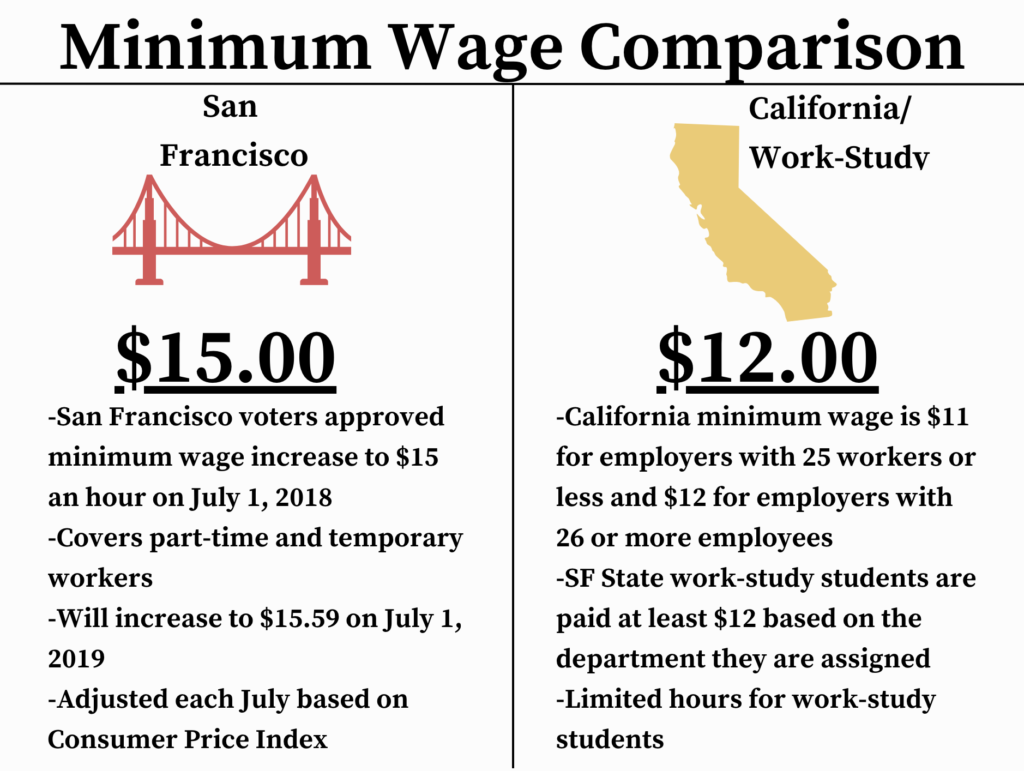
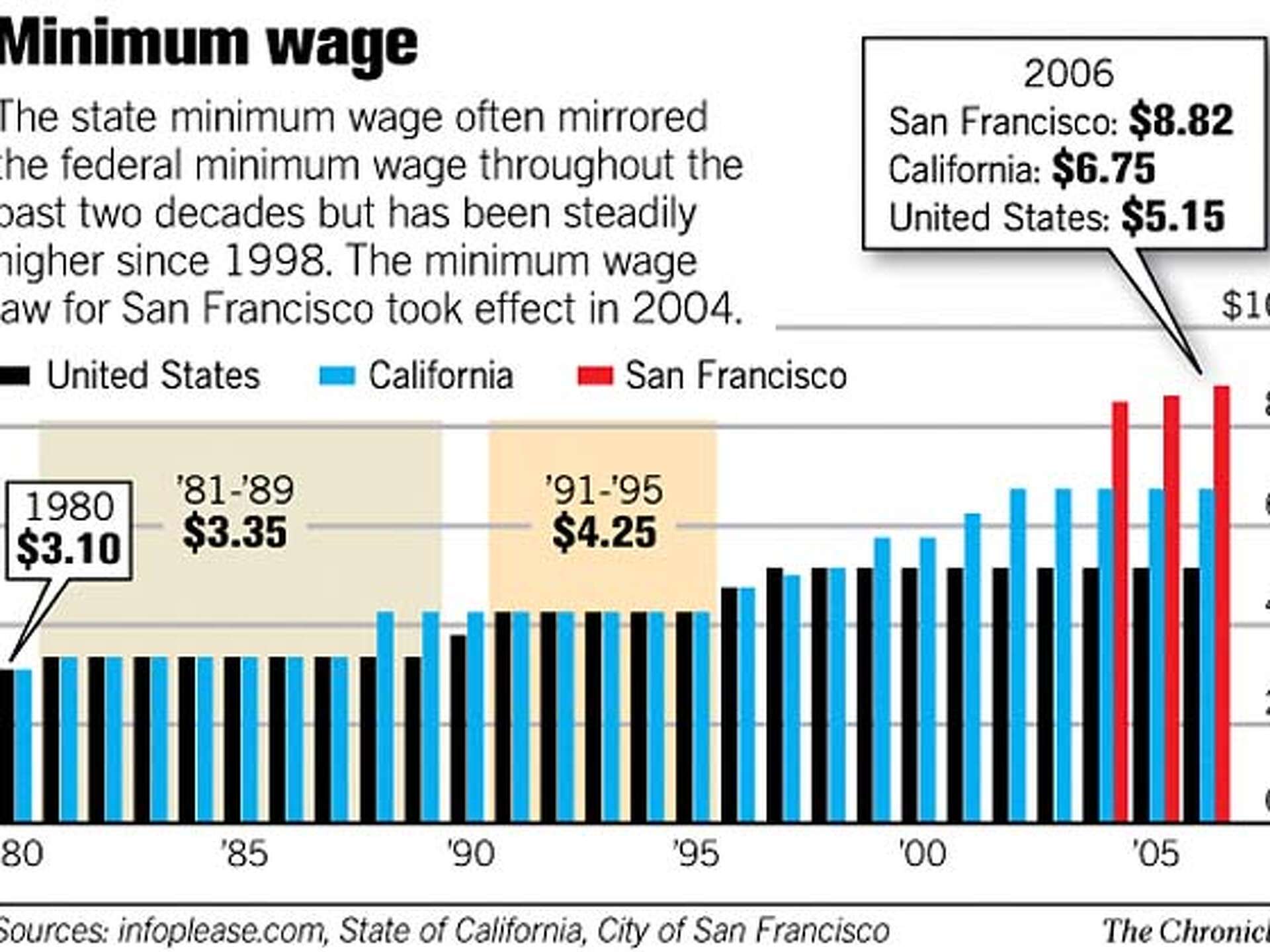
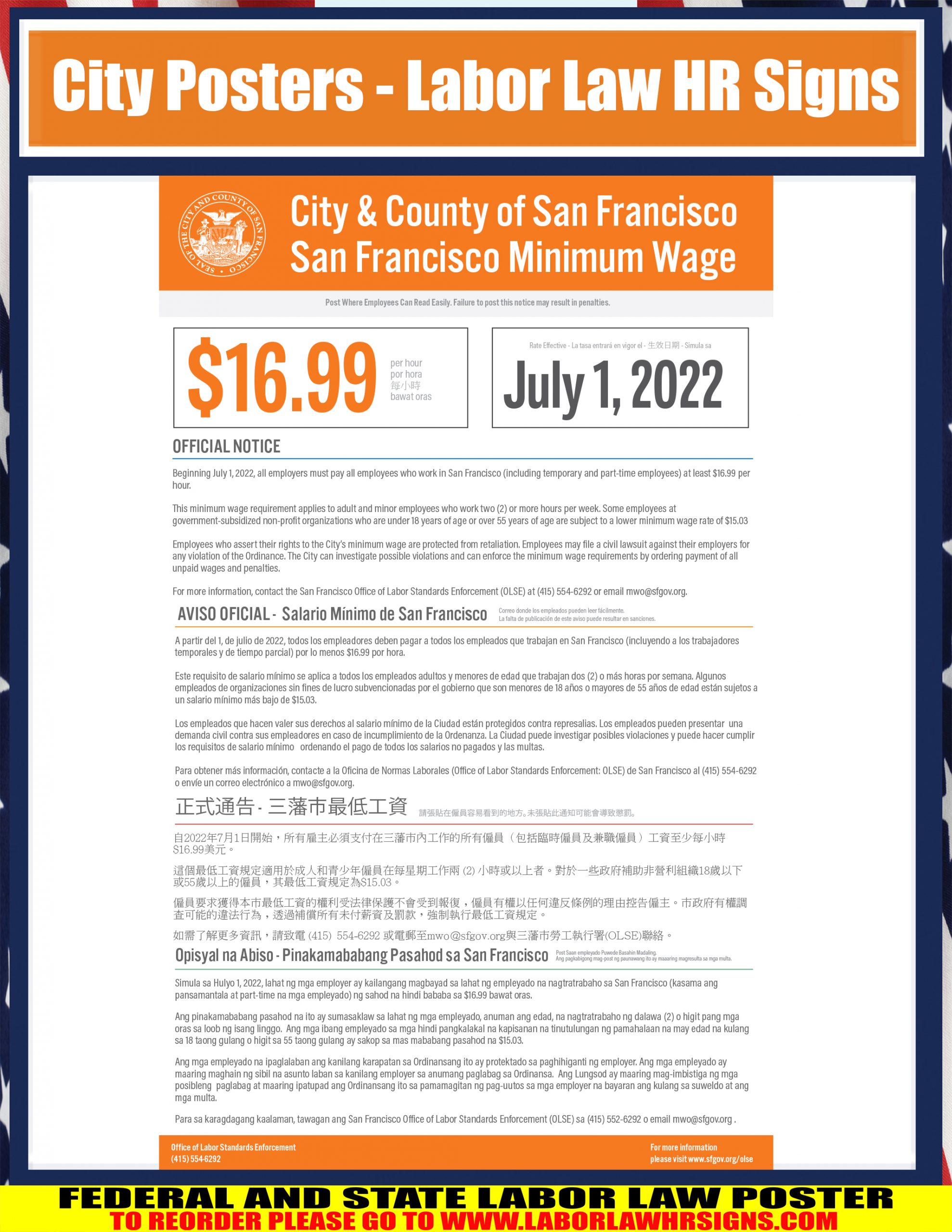
The minimum wage in San Francisco significantly surpasses both the federal and California state minimum wage requirements. As of July 1, 2024, the minimum wage in San Francisco increased to $18.67 per hour. This figure is adjusted annually based on the Consumer Price Index (CPI) to account for inflation, ensuring that purchasing power for low-wage workers is maintained or improved over time. This proactive approach contrasts sharply with the federal minimum wage, which has remained at $7.25 per hour since 2009, and the statewide minimum wage in California, which is currently $16.00 per hour for all employers, regardless of size.
Historical Context and Progressive Policies
San Francisco’s journey toward a higher minimum wage began much earlier than many other major cities. The city adopted its first local minimum wage ordinance in 2003, predating many statewide initiatives and setting a precedent for municipal economic policy. This move was driven by a recognition of the exorbitant cost of living within the city limits and a desire to provide a living wage for its residents. The incremental increases over the years have reflected a continuous effort to balance economic realities with social equity, demonstrating a steadfast commitment to supporting its working population. These policies are often a point of pride for the city, seen as a core component of its progressive identity and a direct response to the socio-economic challenges presented by rapid gentrification and a booming tech economy.
Beyond the Numbers: The Cost of Living in a High-Wage City
While a minimum wage of over $18 per hour might seem substantial, its impact must be viewed through the lens of San Francisco’s notoriously high cost of living. Housing, in particular, remains the most significant financial burden for residents. The median rent for a one-bedroom apartment in San Francisco regularly exceeds $3,000, making it one of the most expensive rental markets globally. This reality means that even individuals earning the city’s robust minimum wage often struggle to afford basic necessities without significant financial strain, shared living arrangements, or additional income sources.
Lifestyle Adjustments and Budgeting Realities
For those working minimum wage jobs, careful budgeting becomes a paramount aspect of daily life. Discretionary spending, a hallmark of many urban lifestyles, is often severely limited. Dining out, cultural events, and even transportation costs demand meticulous planning. Many residents in this income bracket opt for public transportation, seek out affordable grocery options, and prioritize essential expenditures over luxuries. This lifestyle, characterized by financial prudence, extends to decisions about leisure and entertainment, often favoring free or low-cost activities like exploring the city’s numerous parks, beaches, and vibrant neighborhoods on foot. The high minimum wage, therefore, acts more as a critical baseline to navigate an expensive environment than a ticket to comfortable living.
Impact on Local Businesses and the Service Economy
The elevated minimum wage profoundly influences the operational dynamics of businesses in San Francisco, particularly those in the service sector. Restaurants, retail establishments, and hospitality providers bear the direct cost of higher labor expenses. While larger corporations may absorb these costs more readily, small businesses often face significant challenges in maintaining profitability.
Balancing Labor Costs and Consumer Prices
To offset increased labor costs, businesses frequently implement strategies such as optimizing staff schedules, investing in automation, or, more commonly, adjusting prices for goods and services. This contributes to the overall higher cost of consumer goods and services in San Francisco, creating a cyclical effect where higher wages translate to higher prices, which, in turn, necessitates further wage adjustments to maintain purchasing power. This delicate balance is a constant consideration for entrepreneurs and consumers alike. The famous coffee shops, artisan bakeries, and bespoke boutiques that contribute to San Francisco’s unique charm must meticulously manage their finances, often leading to innovative business models or a focus on high-value offerings to thrive in this competitive and expensive market.
Supporting Local Ventures
Despite the challenges, many local businesses in San Francisco embrace the ethos of a living wage, recognizing its importance for employee morale, retention, and the local economy. There’s often a shared understanding among consumers that paying a slightly higher price for a meal or a service directly supports a worker earning a more equitable wage in a high-cost city. This collective consciousness forms part of the city’s unique lifestyle, where social responsibility often intertwines with economic decisions. Campaigns and initiatives frequently encourage residents to support local businesses that demonstrate fair labor practices, further reinforcing this aspect of the city’s social fabric.
Lifestyle Implications for Residents and Visitors
The high minimum wage in San Francisco shapes the lifestyle of its inhabitants in numerous ways, fostering a distinct social and economic environment. For residents, it can lead to increased competition for service-sector jobs, as the attractive wage draws a larger pool of applicants. It also influences the demographic makeup of the city, often making it challenging for those in professions that typically pay less than the minimum wage to reside within city limits without significant subsidies or multi-earner households.
Navigating San Francisco as a Visitor
For visitors, the high minimum wage translates directly into the cost of experiences. Whether it’s dining at a Michelin-starred restaurant in the Mission District, enjoying a craft cocktail in North Beach, or simply purchasing souvenirs near Fisherman’s Wharf, prices for goods and services tend to be higher than in many other tourist destinations. This economic reality encourages visitors to budget accordingly and perhaps prioritize experiences that offer the best value or uniquely capture the city’s essence. Tipping culture, while prevalent across the United States, also takes on a nuanced role, with some patrons feeling that the higher minimum wage might reduce the necessity for substantial tips, while others maintain that excellent service warrants generous gratuities regardless. Understanding this local context can enhance a visitor’s experience, allowing for more informed decisions and appreciation of the city’s economic ecosystem.
Navigating the Economic Reality of San Francisco
The minimum wage in San Francisco is more than just a number; it is a critical component of the city’s economic identity and a significant factor shaping the lifestyle of everyone who lives, works, or visits there. It represents a bold commitment to worker dignity and economic justice in an increasingly unequal world, even as it presents unique challenges for affordability and business sustainability.
Future discussions around minimum wage will likely continue to revolve around striking a balance between ensuring a living wage for workers and maintaining a vibrant, diverse business environment. As San Francisco continues to evolve, its approach to minimum wage will remain a fascinating case study in urban economics and a defining characteristic of its progressive lifestyle. Understanding these underlying economic currents provides deeper insight into the fabric of this iconic California city, enriching one’s perspective on its unique character and the daily lives of its people.
LifeOutOfTheBox is a participant in the Amazon Services LLC Associates Program, an affiliate advertising program designed to provide a means for sites to earn advertising fees by advertising and linking to Amazon.com. Amazon, the Amazon logo, AmazonSupply, and the AmazonSupply logo are trademarks of Amazon.com, Inc. or its affiliates. As an Amazon Associate we earn affiliate commissions from qualifying purchases.