
Seattle, a city celebrated for its emerald forests, shimmering waterways, and vibrant cultural scene, often conjures images of persistent drizzle and lush greenery. Yet, a common question arises for prospective visitors and even long-time residents alike: just how often does it actually snow in this Pacific Northwest gem? While Seattle is not renowned as a winter wonderland in the same vein as some of its mountainous neighbors, its relationship with snowfall is nuanced and often surprising. Understanding the typical patterns of snow in Seattle can significantly shape travel plans, from packing the right gear to knowing what winter activities might be unexpectedly on offer.
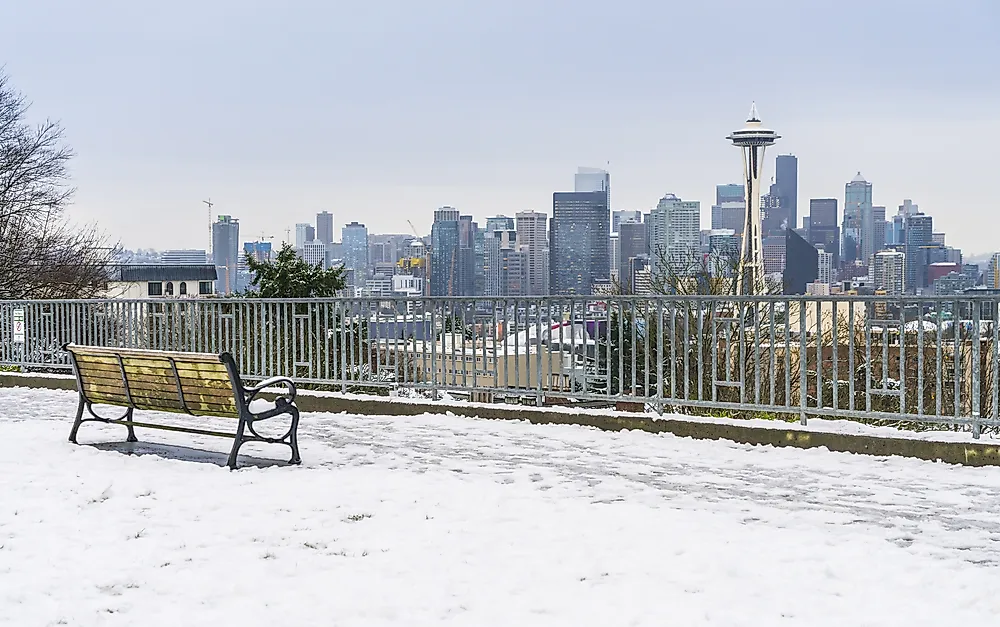
The Nuances of Seattle Snowfall
Seattle’s geographical location plays a pivotal role in its winter weather patterns. Nestled between the Olympic Mountains to the west and the Cascade Mountains to the east, the city experiences a unique microclimate. The prevailing weather systems often bring moisture-laden air from the Pacific Ocean. However, the marine influence, combined with the city’s relatively low elevation compared to the surrounding mountain ranges, means that precipitation frequently falls as rain rather than snow. When snow does arrive, it is often a fleeting visitor, melting away quickly due to moderating temperatures.
Average Snowfall Statistics
On average, Seattle receives about 7 inches of snow per year. This figure, however, can be misleading if not contextualized. The actual amount of snow can vary dramatically from year to year. Some winters might see barely a dusting, while others can experience significant accumulations that disrupt daily life and provide temporary winter charm.
- Typical Snowfall Days: While the total accumulation might be modest, the number of days with measurable snowfall is also relatively low. It’s not uncommon for the city to go several years without experiencing a truly significant snow event.
- Frequency of Snow Events: Snowfall in Seattle is more likely to occur as light to moderate snow events, often lasting for a few hours or overnight, rather than sustained blizzards. These events are more common in the months of December, January, and February.
The perception of Seattle’s snowiness is also influenced by its proximity to areas that receive substantial snowfall. For instance, the nearby Snoqualmie Pass, a major transportation artery through the Cascades, is a popular destination for skiing and snowboarding, and it receives far more snow than the city itself. This can lead to a general assumption that the entire region experiences similar winter conditions.
Factors Influencing Snowfall
Several meteorological factors contribute to the variability of snowfall in Seattle:
- Temperature: The most critical factor is temperature. For snow to fall and accumulate, the temperature at ground level must be at or below freezing (32°F or 0°C). Even when the atmosphere is cold enough for snow to form higher up, if the air near the surface is warmer, the snowflakes will melt before reaching the ground, turning into rain.
- Pacific Ocean Influence: The moderating influence of the Pacific Ocean tends to keep Seattle’s winter temperatures slightly above freezing, particularly along the coast. This is why rain is the dominant form of winter precipitation.
- Elevation: While Seattle is not at a very high elevation, areas slightly inland or at higher elevations within the metropolitan area might experience slightly colder temperatures and thus more frequent or heavier snow. However, the core downtown and coastal areas are most susceptible to milder conditions.
- Weather Systems: The type and track of incoming storm systems are crucial. A strong low-pressure system moving in from the north or east, drawing in colder air, is more likely to produce snow than a system originating from the southwest.
When to Expect Snow in Seattle
While precise predictions are impossible, understanding the general trends can help plan a trip.
Seasonal Probabilities
- November: Snow in November is rare but not entirely unheard of. When it does occur, it is usually very light and often melts quickly.
- December: This is typically the first month where measurable snowfall becomes a more consistent possibility. The chances of seeing snow increase as the month progresses, especially towards the latter half.
- January: January is statistically Seattle’s snowiest month. It has the highest probability of experiencing snow events, and these can sometimes be more significant.
- February: Similar to December, February offers a good chance of seeing snow. The likelihood begins to decrease slightly towards the end of the month.
- March: Snow in March is less common than in the preceding months, but surprise snowfalls can still happen, particularly in early March.
- April onwards: Snowfall is exceptionally rare in April and virtually non-existent from May through October.
Historical Snowfall Records
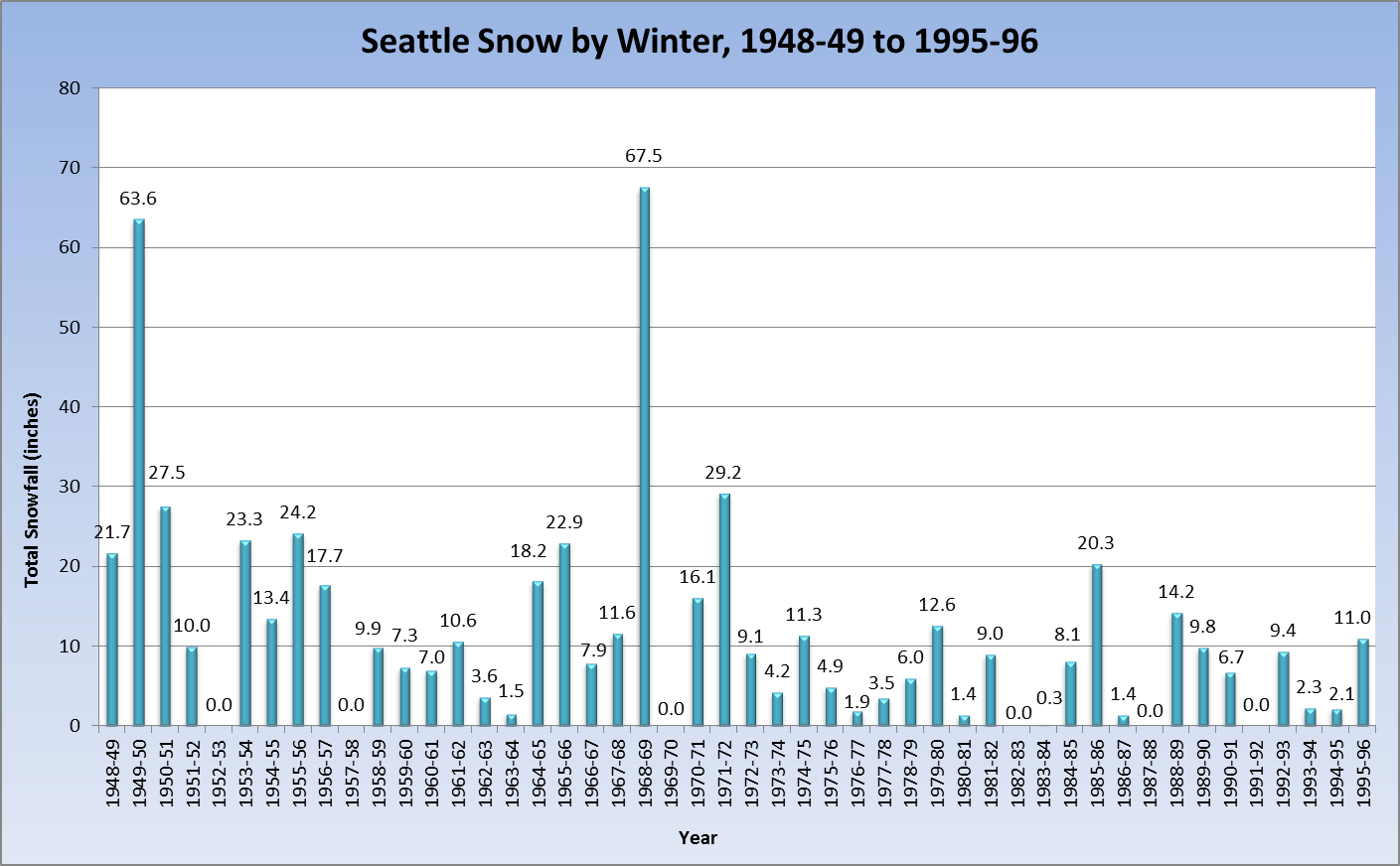
Looking at historical data provides a clearer picture of the variability:
- Notable Snow Years: Seattle has experienced winters with exceptionally heavy snowfall. For instance, the winter of 2008-2009 saw record-breaking snowfall, with accumulations that brought the city to a standstill for days. Similarly, winters like 1996-1997 and 2018-2019 also brought significant snow.
- Mild Snow Years: Conversely, many winters pass with very little to no measurable snow. It is not uncommon for a full calendar year to record less than 1 inch of snow.
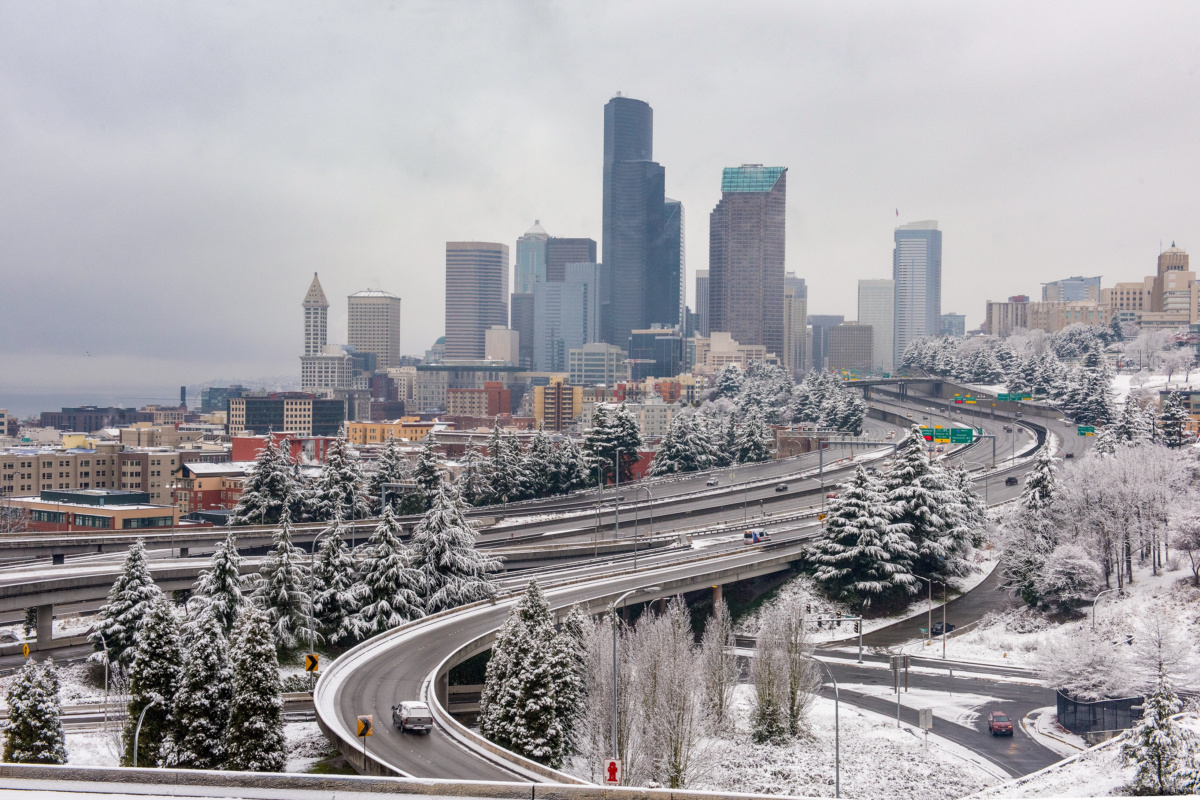
These historical events highlight that while infrequent, significant snowfalls are part of Seattle’s weather tapestry. They offer a temporary, picturesque transformation of the city, from the Space Needle dusted in white to the typically green landscapes blanketed in snow.
Planning Your Seattle Visit Around Snow
For travelers, knowing about Seattle’s snow patterns can be a valuable asset.
Winter Travel Considerations
- Packing: If traveling between late November and early March, packing layers is essential. Include a waterproof and windproof outer shell, warm sweaters or fleeces, and comfortable, waterproof shoes. While you might not need heavy-duty snow boots, water-resistant footwear is highly recommended for potential rain and slush. A hat, gloves, and scarf are also prudent additions.
- Transportation: Seattle’s public transportation system, including buses and the Link light rail, generally continues to operate during light snowfalls. However, road conditions can deteriorate quickly, leading to traffic delays and potential cancellations. If you plan to drive, a vehicle with good tires, and possibly all-wheel drive, can be beneficial. Always check local traffic reports and weather advisories before heading out. Rental car companies may offer options for snow tires or chains, especially during winter months.
- Activities: While the city itself doesn’t typically shut down for snow, some outdoor activities might be affected. However, snow can also open up unique opportunities.
Unexpected Winter Activities
When snow does grace Seattle, it presents a different kind of experience:
- Winter Photography: The city, with its iconic landmarks and natural beauty, takes on a magical quality under a blanket of snow. Capturing images of a snow-dusted Pike Place Market or the snow-laden trees in Discovery Park can be a rewarding experience.
- Sledding and Snow Play: Parks like Green Lake Park or the hills around Volunteer Park can become impromptu sledding spots for locals and visitors alike. Building snowmen or having a snowball fight are rare but cherished activities.
- Cozy Indoor Pursuits: Even if the snow is light, it can be an excellent excuse to embrace Seattle’s renowned indoor attractions. Explore world-class museums like the Museum of Pop Culture (MoPOP), enjoy a warm coffee at a local café, or delve into the city’s vibrant culinary scene.
- Day Trips to Ski Resorts: For those seeking a true winter sports experience, the nearby Cascades offer excellent skiing and snowboarding at resorts such as Snoqualmie Summit or further afield at Crystal Mountain. These destinations are usually accessible by car or specialized shuttle services.
Understanding Seattle’s Winter Identity
Seattle’s identity is intrinsically linked to its climate, and its relationship with snow is a part of that. It’s a city that embraces its rain, but when snow arrives, it brings a special kind of joy and a refreshing change of pace.
The “Seattle Freeze” and Winter Weather
The term “Seattle Freeze” often refers to the perceived difficulty in forming close social connections in the city. While not directly related to weather, the prolonged periods of grey, rainy weather can sometimes contribute to a sense of introspection or a preference for indoor activities. However, a rare snowfall can break this pattern, bringing people out of their homes and fostering a shared sense of wonder and community as they experience the unusual beauty together.
Managing Expectations
For those dreaming of a snowy escape, Seattle might not be the primary destination. Cities like Denver or even parts of the Midwest often receive significantly more snow. However, for the traveler who appreciates a mix of urban sophistication, natural beauty, and the occasional winter surprise, Seattle offers a unique appeal. The infrequent snowfalls are, in their own way, part of what makes Seattle special – a city that doesn’t take winter for granted and savors its rare, white moments.
In conclusion, while Seattle is not characterized by consistent heavy snowfall, it does experience snow with some regularity, particularly from December through February. The amount and frequency vary greatly year to year, making it an element of surprise rather than a guarantee. When it does snow, it transforms the city into a picturesque scene, offering unique opportunities for both visitors and residents to enjoy a different side of this dynamic Pacific Northwest metropolis. Planning for potential snow by packing appropriately and staying informed about local conditions will ensure a smooth and enjoyable visit, regardless of whether the skies decide to share their winter bounty.
LifeOutOfTheBox is a participant in the Amazon Services LLC Associates Program, an affiliate advertising program designed to provide a means for sites to earn advertising fees by advertising and linking to Amazon.com. Amazon, the Amazon logo, AmazonSupply, and the AmazonSupply logo are trademarks of Amazon.com, Inc. or its affiliates. As an Amazon Associate we earn affiliate commissions from qualifying purchases.