
The allure of exotic pets is a persistent fascination, and for many, the playful antics and sleek, aquatic nature of otters spark a strong desire to bring one into their homes. When considering such a unique addition to a household, the question of legality and practicality becomes paramount. For residents of the Lone Star State, the query “Can you own an otter in Texas?” requires a deep dive into the specific regulations governing exotic wildlife ownership. Texas, known for its generally permissive approach to many aspects of life, has a complex set of rules when it comes to keeping wild animals, and otters fall squarely into a category that demands careful consideration.
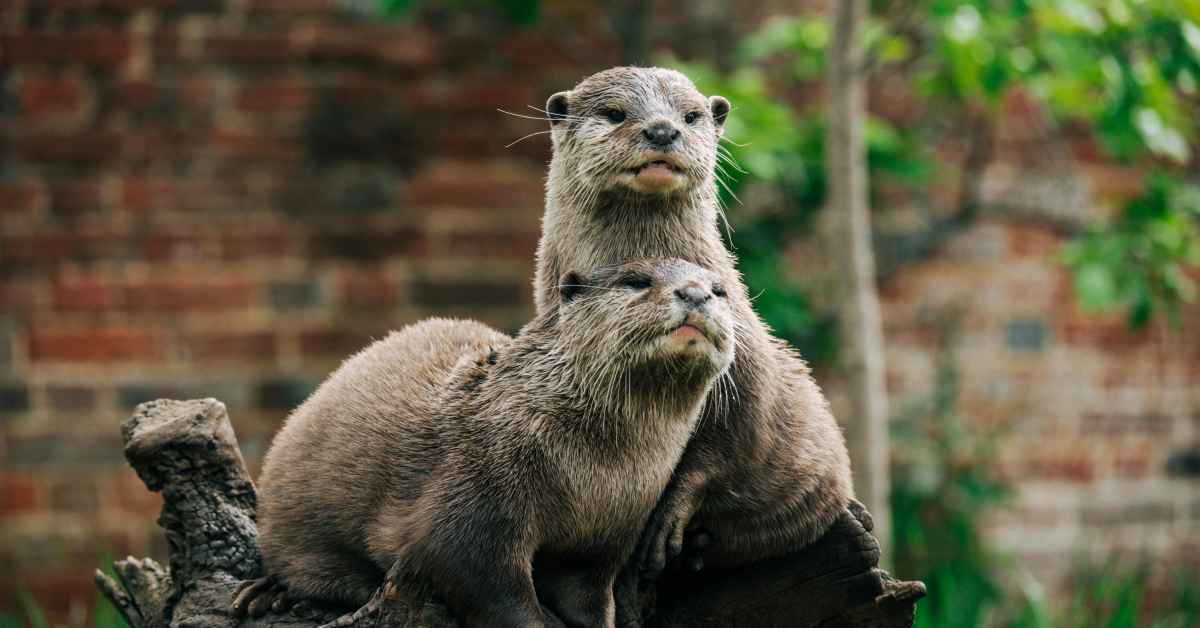
Understanding Exotic Pet Laws in Texas
Texas’s approach to exotic animal ownership is overseen by the Texas Parks and Wildlife Department (TPWD). The state classifies wildlife into various categories, and the permissibility of ownership often hinges on these classifications. Otters, being native wild animals, are subject to stringent regulations designed to protect both the animals and the public. The TPWD maintains a list of animals that are considered exotic and require special permits for possession, while others are outright prohibited. Understanding these classifications is the first step in determining whether otter ownership is even a remote possibility in Texas.
The Role of the Texas Parks and Wildlife Department (TPWD)
The Texas Parks and Wildlife Department plays a crucial role in regulating the possession of native and exotic wildlife within the state. Their primary objectives are to conserve Texas’s natural resources and ensure the welfare of both wildlife and citizens. For individuals seeking to own an animal that is not typically considered a domestic pet, the TPWD is the agency to consult. They establish rules, issue permits, and enforce regulations pertaining to the acquisition, care, and housing of exotic animals. Their stance on otters is not one of outright prohibition for all circumstances, but rather one of strict control and oversight.
Prohibited vs. Regulated Exotic Animals
Texas categorizes exotic animals into two main groups: prohibited species and regulated species. Prohibited species are generally those that pose a significant threat to native ecosystems, public health, or safety, and their possession is illegal without very specific, often research-oriented, permits. Regulated species, on the other hand, may be possessed under certain conditions, typically involving permits, inspections, and adherence to specific care standards. The classification of an otter under Texas law is critical in determining the pathway, if any, to legal ownership. Generally, native wildlife, including otters, are heavily regulated.
The Specific Case of Otters in Texas
When the question of owning an otter arises in Texas, the immediate answer is that it is not as simple as acquiring a dog or a cat. Otters are wild animals, and their intrinsic needs and potential risks are far different from those of domestic pets. Texas law recognizes this distinction, and consequently, owning an otter is heavily restricted. The focus is on conservation, public safety, and the welfare of the animal itself, which often means that private ownership for companionship purposes is not permitted.
Native vs. Non-Native Otters
Texas is home to native otter species, primarily the North American river otter. These animals are integral to the state’s aquatic ecosystems. The regulations governing native wildlife are particularly strict to prevent over-collection from wild populations and to ensure that these animals are not introduced into environments where they could disrupt ecological balance. Ownership of native wild animals is generally prohibited unless it is for specific, approved purposes such as rehabilitation by licensed wildlife rehabilitators or for accredited zoological facilities.
The Permit Process for Exotic Wildlife
For individuals who might consider owning a non-native otter species (though this is rarely the case and even more complex), or for those looking at highly regulated scenarios, Texas has a permitting process. This process is rigorous and designed to screen applicants thoroughly. It typically involves:
- Application Submission: A detailed application form must be completed, outlining the species, number of animals, purpose of possession, and proposed housing and care plans.
- Background Checks: Applicants may undergo background checks to ensure they have no history of animal welfare violations or illegal wildlife trafficking.
- Facility Inspections: The proposed housing for the animal must meet stringent standards for security, size, sanitation, and enrichment. This is to prevent escapes, ensure animal well-being, and protect the public.
- Demonstration of Expertise: Owners must often demonstrate a sufficient understanding of the species’ needs, including diet, veterinary care, and behavioral requirements.
- Annual Renewals and Fees: Permits are not typically granted for life and require annual renewal, often accompanied by fees.
Even with a permit, owning an animal like an otter is a significant undertaking, far removed from casual pet ownership.
Why Otter Ownership is Highly Restricted in Texas
The restrictions on otter ownership in Texas are not arbitrary. They are rooted in a combination of biological, ecological, and safety considerations. These animals possess unique needs that are incredibly challenging to meet in a typical home environment, and their wild nature presents inherent risks.
Behavioral and Social Needs
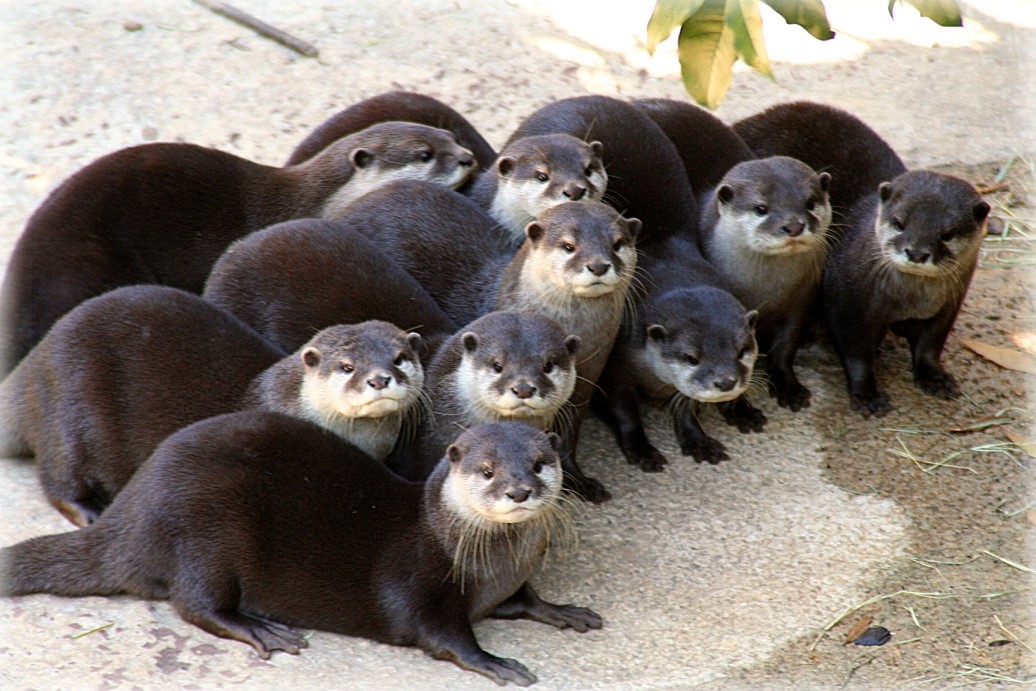
Otters are highly social animals, especially river otters, and thrive in complex social structures. In the wild, they live in family groups and engage in intricate social behaviors. Replicating these social dynamics in a solitary or small-group domestic setting is nearly impossible and can lead to significant psychological distress for the animal. Furthermore, otters are naturally active, playful, and require vast amounts of space and opportunities for swimming, diving, and foraging. A backyard or a typical house simply cannot provide the stimulation and environment they need to flourish.
Dietary and Veterinary Care Requirements
The diet of an otter is specialized, consisting primarily of fish, crustaceans, amphibians, and small mammals. Providing a balanced and appropriate diet consistently is a complex and potentially expensive undertaking. Moreover, finding veterinarians with the specialized knowledge and equipment to treat otters can be exceedingly difficult. Standard veterinary clinics are not equipped for exotic wildlife, and specialized care can be costly and hard to access, especially in emergencies.
Public Safety and Escape Risks
Otters are strong, agile, and intelligent animals. They are also wild. While some may appear docile, they can inflict serious bites if they feel threatened or are startled. Their ability to chew through barriers and their natural inclination to explore can lead to escapes. An escaped otter in Texas could pose a risk to itself (getting hit by a car, encountering unfamiliar diseases) and potentially to other wildlife or even humans, especially if it is stressed or disoriented. Preventing escapes requires robust, specifically designed enclosures that are costly to build and maintain.
Ecological Impact
Allowing private ownership of native wildlife, even if theoretically possible with permits, carries ecological risks. If an otter were to escape and survive in an area not native to its specific population, it could potentially introduce diseases, compete with native species for food, or disrupt local food webs. This is a primary concern for wildlife management agencies like the Texas Parks and Wildlife Department.
Alternatives to Owning an Otter
Given the significant legal, ethical, and practical challenges associated with owning an otter in Texas, it is important for prospective exotic pet owners to consider alternatives that satisfy their interest in wildlife without compromising animal welfare or public safety. Fortunately, Texas offers several avenues for experiencing and appreciating these fascinating creatures responsibly.
Visiting Zoos and Wildlife Sanctuaries
One of the most direct and ethical ways to observe otters is by visiting accredited zoos and wildlife sanctuaries. Institutions like the Houston Zoo or the Dallas World Aquarium often have otter exhibits that allow the public to marvel at their behavior in carefully constructed, species-appropriate habitats. These facilities are staffed by professionals dedicated to animal care and conservation, and they provide educational opportunities for visitors to learn about the animals and the importance of their conservation in the wild. San Antonio Zoo also offers opportunities to see these creatures.
Supporting Wildlife Rehabilitation Efforts
For those with a deep passion for helping animals, volunteering or donating to licensed wildlife rehabilitation centers is a rewarding alternative. These centers work with injured or orphaned native wildlife, including otters, with the goal of returning them to their natural habitats. While you won’t be able to “own” an otter, you can play a direct role in their care and recovery. Many rehabilitation centers are located throughout Texas.
Educational Programs and Wildlife Tours
Many nature centers and state parks across Texas offer educational programs and guided tours focused on local wildlife. These experiences provide opportunities to learn about otters and other native species in their natural environments from knowledgeable guides. Attending a nature walk at a place like Mustang Island State Park or participating in a wildlife observation tour can offer insights and encounters that are both educational and responsible.
Responsible Pet Ownership of Domesticated Animals
If the desire for a companion animal is the driving force, focusing on domesticated species is the most ethical and practical choice. Texas has a wide array of domesticated animals that make wonderful pets, from dogs and cats to more unique but still domesticated options like certain reptiles or small mammals. These animals have been selectively bred for centuries to live alongside humans and have needs that are far more compatible with a home environment.
Conclusion
In direct answer to the question, “Can you own an otter in Texas?”, the reality is that for most individuals, the answer is a resounding no. While the state’s regulations for exotic animals are complex, owning an otter privately is highly restricted, bordering on prohibited, due to significant legal, ethical, and practical barriers. The focus of Texas law, guided by the Texas Parks and Wildlife Department, is on the conservation of native wildlife, public safety, and the welfare of exotic animals. These restrictions are in place to protect both the animals and the delicate ecosystems they inhabit. Instead of pursuing the challenging and often ill-advised path of otter ownership, Texans can find immense satisfaction and fulfill their fascination with these captivating creatures through responsible engagement with zoos, sanctuaries, educational programs, and by supporting wildlife conservation efforts.
LifeOutOfTheBox is a participant in the Amazon Services LLC Associates Program, an affiliate advertising program designed to provide a means for sites to earn advertising fees by advertising and linking to Amazon.com. Amazon, the Amazon logo, AmazonSupply, and the AmazonSupply logo are trademarks of Amazon.com, Inc. or its affiliates. As an Amazon Associate we earn affiliate commissions from qualifying purchases.