
Navigating California’s Alcohol Regulations as a Visitor
For anyone planning a visit to the Golden State, understanding local customs and regulations is key to a smooth and enjoyable experience. This includes knowing the rules around alcohol sales, a topic often overlooked until you find yourself wanting to purchase a celebratory bottle of [California] wine or enjoy a craft beer after a long day of exploring. [California]’s approach to alcohol sales is largely governed by statewide laws, making it relatively consistent across its diverse regions, from the bustling streets of [Los Angeles] to the serene vineyards of [Napa Valley]. This uniformity is a boon for tourists, as it minimizes confusion, unlike some states where local jurisdictions dictate varying hours.

The primary authority overseeing alcohol-related matters in [California] is the [Department of Alcoholic Beverage Control (ABC)]. This state agency sets the framework for when, where, and how alcohol can be sold and served, ensuring public safety and responsible consumption. As a tourist, being aware of these regulations not only helps you plan your itinerary, whether it involves dining out, hitting the nightlife, or simply stocking up for a picnic in a designated area, but also ensures you remain on the right side of the law.
The Standard Start Time for Sales
One of the most frequently asked questions by visitors concerns the earliest time they can legally purchase alcohol. In [California], the law is clear and consistent: alcohol sales are permitted starting at 6:00 AM every day of the week, including weekends and holidays. This rule applies uniformly across the state, whether you’re looking to buy a six-pack from a grocery store in [San Francisco], a bottle of spirits from a liquor store in [San Diego], or enjoy a mimosa with your early brunch in [Santa Monica].
This 6:00 AM start time covers both “off-premise” and “on-premise” sales. Understanding this distinction is crucial for tourists. Off-premise sales refer to alcohol purchased for consumption elsewhere, such as bottled beer, wine, or spirits from retail outlets. This includes:
- Grocery Stores: Large supermarket chains like [Ralphs], [Vons], and [Safeway] are common places where you can find a wide selection of beer and wine, and often spirits too.
- Liquor Stores: Dedicated liquor stores such as [BevMo!] specialize in alcoholic beverages, offering an extensive range of options.
- Convenience Stores: Outlets like [7-Eleven] also sell alcoholic beverages, usually beer and wine, from 6:00 AM.
On-premise sales, conversely, refer to alcohol served for immediate consumption at the location of purchase. This category encompasses:
- Bars and Restaurants: Establishments like [The Abbey Food & Bar] in [West Hollywood] or various eateries across the state begin serving alcoholic beverages at 6:00 AM, though most restaurants and bars typically open later for breakfast or brunch service.
- Hotels: Many hotels, including those with in-house restaurants or bars like [The Beverly Hills Hotel], also adhere to these hours for their on-site service.
Understanding the End Time
Just as important as knowing when sales begin is understanding when they conclude. [California] maintains a consistent end time for alcohol sales statewide: all alcohol sales must cease by 2:00 AM. This applies equally to off-premise retailers and on-premise establishments. Whether you’re at a lively club in [Hollywood], a quiet pub in [Sacramento], or a convenience store, no alcohol can be sold between 2:00 AM and 6:00 AM.
This uniform 2:00 AM cutoff means that visitors planning a late night out should be mindful of the last call. Most establishments will begin notifying patrons of the impending cessation of sales well before 2:00 AM. This consistent state-level regulation simplifies planning for tourists, eliminating the need to research varying last call times in different cities or counties within [California].
Beyond the Clock: Key Alcohol Laws for Tourists
While the start and end times for alcohol sales are fundamental, several other [California] alcohol laws are equally important for tourists to be aware of to ensure a trouble-free visit. Adhering to these regulations is not just about avoiding legal issues; it’s about respecting local laws and contributing to a safe environment for everyone.
Minimum Drinking Age and ID Requirements
The minimum legal drinking age in all of the United States, including [California], is 21 years old. This is strictly enforced across the state. If you plan to purchase or consume alcohol, even if you are just visiting, you must be 21 or older.
Retailers and servers are required to verify age, and they will often ask for identification from anyone who appears to be under 30 or even older. Accepted forms of ID typically include:
- A valid state-issued driver’s license or ID card.
- A valid passport.
- A valid military ID.
It is highly advisable for tourists to carry a valid form of identification at all times if they intend to purchase or consume alcohol. Using fake identification is a serious offense with significant penalties.
Open Container Laws
[California] has strict open container laws, particularly concerning public spaces and vehicles. Generally, it is illegal to consume an alcoholic beverage or possess an open container of alcohol in public places such such as streets, parks, or sidewalks, unless it’s within a licensed establishment or a designated area (like certain outdoor dining patios or event spaces with specific permits).When it comes to vehicles, the rules are even stricter:
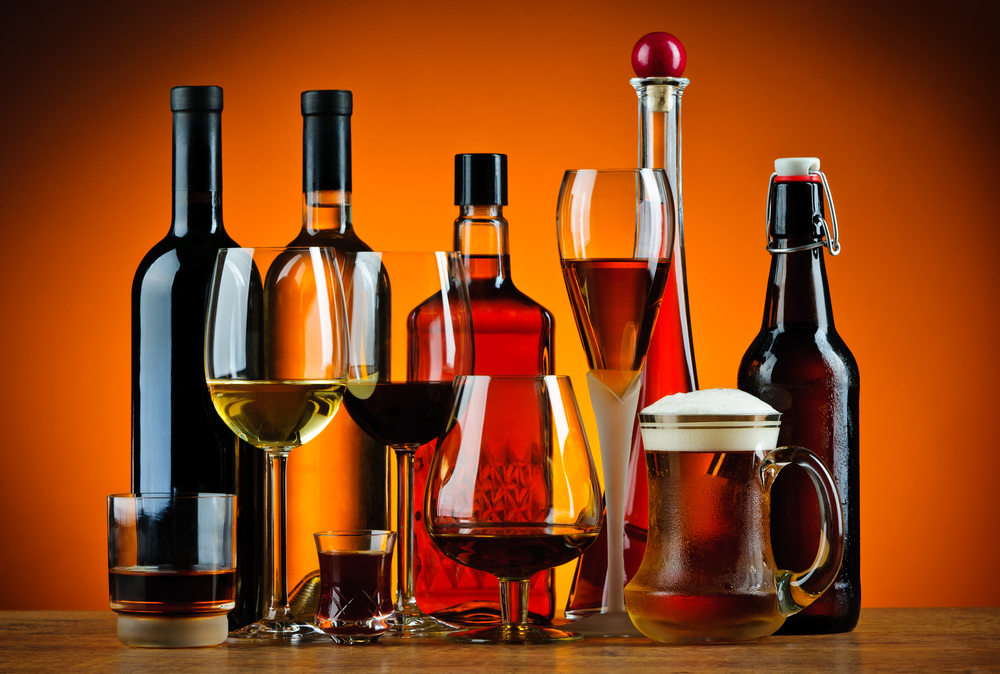
- It is illegal to have an open container of alcohol in a motor vehicle, even if the vehicle is parked. All alcoholic beverages must be sealed and stored in the trunk or a place not readily accessible to the driver or passengers.
- Drivers are absolutely prohibited from consuming alcohol while driving, and passengers are also prohibited from consuming alcohol in the vehicle.
Violating open container laws can result in fines and other legal consequences, which can significantly detract from a vacation.
Driving Under the Influence (DUI)
[California] has some of the toughest DUI laws in the nation. It is illegal to drive with a blood alcohol concentration (BAC) of 0.08% or higher (0.04% for commercial drivers, and any detectable amount for drivers under 21). The consequences for DUI are severe, including hefty fines, license suspension, mandatory alcohol education programs, and even jail time.Tourists should prioritize safety and never drink and drive. Options like designated drivers, ride-sharing services such as [Uber] and [Lyft], taxis, or public transportation should always be utilized after consuming alcohol. Many areas of [California], especially urban centers like [San Francisco] and [Los Angeles], have excellent public transit and readily available ride-sharing options.
Where to Purchase Alcohol: On-Premise vs. Off-Premise
Understanding the distinction between on-premise and off-premise sales helps tourists plan their alcohol purchases efficiently.
Off-Premise Purchases
For those looking to enjoy a drink in the comfort of their accommodation, perhaps a hotel room, apartment rental, or an Airbnb, off-premise retailers are the primary source. As mentioned, these include:
- Grocery Stores: From large chains to smaller independent markets, grocery stores are a convenient option for beer, wine, and often spirits. They typically operate from early morning until late evening, usually well past the 6:00 AM start time and often close before the 2:00 AM cutoff.
- Liquor Stores: These specialized stores offer the broadest selection of spirits, wines, and craft beers. They usually open slightly later than grocery stores, perhaps around 9:00 AM or 10:00 AM, and close around 9:00 PM or 10:00 PM, though hours can vary by location.
- Convenience Stores: For quick purchases of beer or wine, convenience stores are ubiquitous and generally have long operating hours, often 24/7 for other goods, but still adhering strictly to the 6:00 AM to 2:00 AM alcohol sales window.
On-Premise Consumption
For tourists who prefer to socialize and experience [California]’s vibrant culinary and nightlife scene, on-premise establishments are the go-to.
- Bars and Nightclubs: From chic lounges to lively dance clubs, [California]’s cities boast a diverse array of venues. Popular spots like [The Speakeasy] in [San Francisco] or numerous venues in [West Hollywood] offer a full range of alcoholic beverages, adhering to the 6:00 AM to 2:00 AM serving window. Most, however, open in the late afternoon or evening.
- Restaurants: Dining in [California] is an experience in itself, with a vast selection of cuisines. Most restaurants serve alcohol with meals, starting from brunch service onwards.
- Wineries and Breweries: In regions like [Napa Valley] and [Sonoma Valley], [wine tasting] rooms and breweries offer unique experiences. Their operating hours are typically during the day, usually from late morning to early evening, focusing on tasting flights and direct sales rather than late-night service.
Local Nuances and Special Permits
While the 6:00 AM to 2:00 AM rule is a statewide standard, it’s worth noting that specific events or local ordinances can introduce minor variations or specialized permits. For example, some large-scale festivals or concerts might operate under temporary permits that allow for specific alcohol service hours within the event grounds, but these are exceptions to the general rule.
It is also important to remember that while the core alcohol sale hours are uniform, the density and type of establishments selling alcohol can vary significantly from one city to another. Major tourist hubs like [Los Angeles], [San Francisco], and [San Diego] will naturally have a more extensive and diverse nightlife scene compared to smaller towns. However, the underlying regulatory framework remains consistent across the state.
Planning Your California Trip Around Alcohol Sales
Integrating an understanding of [California]’s alcohol sale times into your travel plans can enhance your experience.
- Morning: Early risers can enjoy a breakfast or brunch mimosa or Bloody Mary starting at 6:00 AM, though most brunch spots open later.
- Daytime: Explore [Wine Country] in [Napa Valley] or [Sonoma Valley], where tasting rooms typically open by 10:00 AM or 11:00 AM. Many breweries throughout the state, especially in craft beer hubs like [San Diego], also offer daytime tours and tastings.
- Evening: Plan your dinners with wine or cocktails, and for those who enjoy nightlife, you can confidently plan bar hopping knowing that drinks will be served until 2:00 AM across the state.
Always remember to check the specific operating hours of individual venues, as their business hours may be shorter than the legal alcohol sales window. This is especially true for smaller establishments or during holidays.
The California Experience: Beyond the Bottle
While knowing the alcohol sales regulations is practical, remember that [California]’s appeal extends far beyond its beverages. The state offers an unparalleled array of attractions and experiences. From the thrilling rides at [Disneyland Resort] and [Universal Studios Hollywood] to the iconic beauty of the [Golden Gate Bridge], the vibrant atmosphere of the [Santa Monica Pier], and the breathtaking natural wonders of [Yosemite National Park], there’s something for every traveler.
Understanding and respecting [California]’s alcohol laws allows you to fully and responsibly enjoy all facets of your visit, whether that includes savoring a world-class wine, exploring a local craft brewery, or simply stocking up for a relaxing evening. Enjoy your journey through the diverse and exciting landscape of [California]!
LifeOutOfTheBox is a participant in the Amazon Services LLC Associates Program, an affiliate advertising program designed to provide a means for sites to earn advertising fees by advertising and linking to Amazon.com. Amazon, the Amazon logo, AmazonSupply, and the AmazonSupply logo are trademarks of Amazon.com, Inc. or its affiliates. As an Amazon Associate we earn affiliate commissions from qualifying purchases.