
Texas, a state renowned for its vast landscapes, from the arid West Texas deserts to the lush Piney Woods of the East, and its vibrant culture, often conjures images of cattle ranches, oil fields, and sprawling metropolises like Houston and Dallas. Yet, for those with a penchant for the delicate beauty of blooming orchards, a common question arises: can cherry trees, synonymous with spring’s picturesque panoramas in other regions, truly thrive in the Lone Star State? The answer, while not a simple yes or no, is a fascinating exploration into Texas horticulture, microclimates, and the surprising adaptability of certain plant species.
The Nuances of Cherry Cultivation in Texas
Cherry trees, particularly the sweet varieties like Bing and Rainier, are famously sensitive to specific environmental conditions. Their successful fruiting and survival are largely dependent on a sufficient “chill hour” accumulation during the winter months. Chill hours are defined as the number of hours a fruit tree is exposed to temperatures between 32°F (0°C) and 45°F (7°C) during its dormant period. Many traditional cherry varieties require a substantial number of chill hours, often exceeding 1000 hours, to break dormancy and produce flowers, which are essential for fruit set.
Texas, particularly its southern and western regions, experiences winters that are generally milder than those required by many common cherry cultivars. This lack of consistent, prolonged cold can be a significant limiting factor. However, this doesn’t entirely preclude the possibility of growing cherries. The key lies in understanding Texas’s diverse climate zones and identifying varieties that are specifically bred or naturally adapted to lower chill requirements.
Understanding Texas Climate Zones
Texas boasts a remarkable array of climate zones, each with its unique temperature fluctuations and precipitation patterns.
- East Texas: Characterized by humid subtropical conditions, this region receives more rainfall and experiences slightly cooler winters than much of the state, though still often insufficient for high-chill cherries. The soil here can be more acidic, which is generally favorable for fruit trees.
- Central Texas: This region, including the Texas Hill Country, experiences hot summers and milder winters. While some areas might receive a moderate amount of chill, it’s often sporadic. The limestone-rich soils can also present challenges for certain fruit trees, requiring amendments.
- West Texas: Dominated by an arid to semi-arid climate, West Texas experiences significant temperature swings between day and night, and generally low humidity. Winters can be cold, but the overall lack of consistent moisture and the intense summer heat pose their own set of challenges for delicate fruit trees.
- South Texas: This subtropical region is known for its very mild winters and hot summers. Chill hour accumulation is typically very low, making it unsuitable for most traditional cherry varieties.
Given these variations, success with cherry trees is more likely in the northern and eastern parts of the state where winter temperatures can dip low enough for a sufficient duration.
Low-Chill Cherry Varieties: The Key to Texas Success
Fortunately for aspiring Texas cherry growers, horticulturalists have developed and identified several low-chill cherry varieties. These cultivars are genetically predisposed to require fewer cold hours to initiate blooming and fruiting, making them much better candidates for warmer climates like parts of Texas.
Some of the most promising low-chill varieties include:
- ‘Black Tartarian’: While it still requires a moderate amount of chill (around 700-800 hours), it is considered one of the more adaptable sweet cherries and has shown some success in the northern parts of Texas. It produces large, dark red to nearly black fruit with a rich, sweet flavor.
- ‘Royal Rainier’: This popular cultivar is known for its yellow skin with a red blush and exceptionally sweet, crisp flesh. It typically requires around 700-800 chill hours and can perform adequately in suitable microclimates within Texas.
- ‘Brooks’: An early-season producer, ‘Brooks’ is another semi-sweet cherry that can tolerate slightly warmer winters, requiring approximately 600-700 chill hours.
- ‘Stella’: A self-pollinating sweet cherry, ‘Stella’ is a good option for smaller gardens. It requires about 700-800 chill hours and has demonstrated some resilience in warmer regions.
- Tart Cherries (e.g., ‘Montmorency’ is a high-chill variety, but there are low-chill alternatives): While most commercially grown tart cherries like ‘Montmorency’ are high-chill varieties, there are indeed low-chill tart cherry options like ‘North Star’ or ‘Meteor’ that can produce well in areas with milder winters. Tart cherries are generally more forgiving and adaptable than sweet cherries.
It’s crucial for growers to research specific chill hour requirements for each variety and match them with the typical winter conditions in their particular Texas location. Local agricultural extension offices are invaluable resources for this information.
Planting and Caring for Cherry Trees in Texas
Successfully establishing and maintaining cherry trees in Texas involves more than just selecting the right variety. Careful consideration of planting site, soil preparation, watering, and pest management is essential.
Site Selection
Choosing the right location is paramount. Cherry trees, even low-chill varieties, benefit from:
- Full Sun: At least six to eight hours of direct sunlight per day is necessary for optimal growth and fruit production.
- Good Air Circulation: This helps prevent fungal diseases, which can be prevalent in Texas’s humid conditions. Avoid planting in frost pockets.
- Protection from Extreme Winds: While air circulation is good, strong winds can damage blossoms and young fruit.
- Proper Pollination: Most sweet cherry varieties are not self-pollinating and require a compatible pollinizer tree planted nearby. Some varieties, like ‘Stella,’ are self-pollinating, simplifying the process. Tart cherries are often self-pollinating.
Soil Preparation and Planting
Texas soils can vary greatly. Most cherry trees prefer well-drained, fertile loam.
- Drainage: Poor drainage is a death knell for cherry trees. If your soil is heavy clay, consider planting on a raised mound or amending the planting area with compost and other organic matter to improve aeration and drainage.
- pH: Cherries generally prefer a slightly acidic to neutral soil pH, between 6.0 and 7.0. If your soil is alkaline (common in parts of West and Central Texas), amending with sulfur can help lower the pH over time.
- Planting Depth: Ensure the graft union (the swollen area where the rootstock and scion are joined) remains above the soil line after planting. Planting too deep can lead to rot and disease.
Watering and Fertilization
- Watering: Newly planted trees require consistent watering to establish their root systems. As they mature, they become more drought-tolerant but still benefit from regular watering, especially during dry spells and fruit development. Deep, infrequent watering is generally better than shallow, frequent watering.
- Fertilization: Over-fertilization can lead to excessive vegetative growth at the expense of fruit production. A soil test can help determine nutrient needs. Generally, a balanced fertilizer applied in early spring before new growth begins is sufficient. Avoid high-nitrogen fertilizers, which can encourage leaf growth over fruit.
Pest and Disease Management
Texas’s climate can be conducive to various pests and diseases that affect fruit trees.
- Fungal Diseases: Powdery mildew, brown rot, and leaf spot can be issues, especially in humid East Texas. Good air circulation, proper pruning to open up the canopy, and timely fungicide applications (if necessary) can help manage these.
- Insects: Aphids, borers, and fruit flies are common pests. Regular monitoring of the trees and appropriate insecticidal or horticultural oil applications can mitigate damage. Encouraging beneficial insects can also be part of an integrated pest management strategy.
- Birds: Birds are notorious for enjoying ripe cherries as much as humans do. Netting over the trees as the fruit begins to ripen is often the most effective way to protect your harvest.
Beyond the Fruit: Ornamental Cherry Trees in Texas
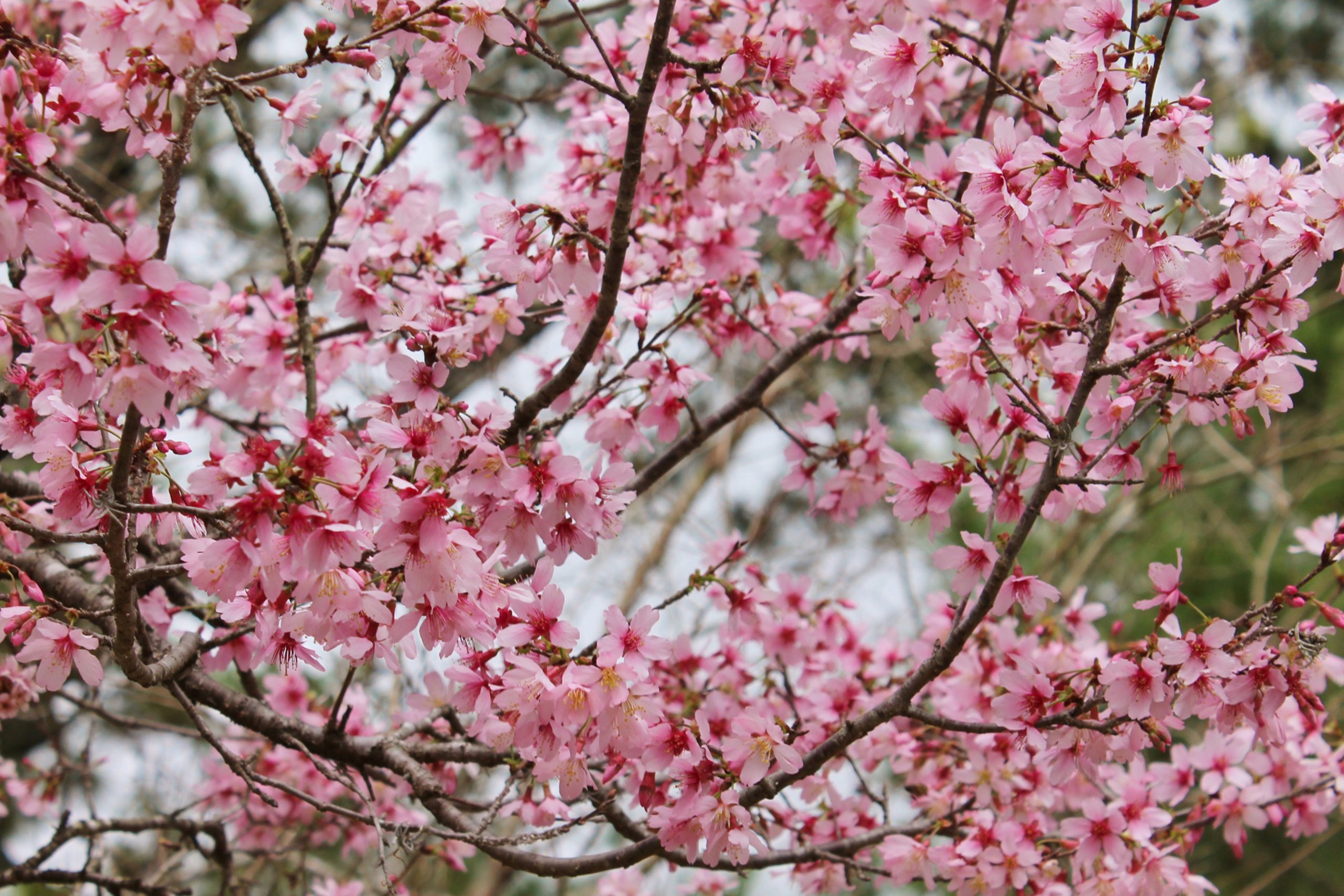
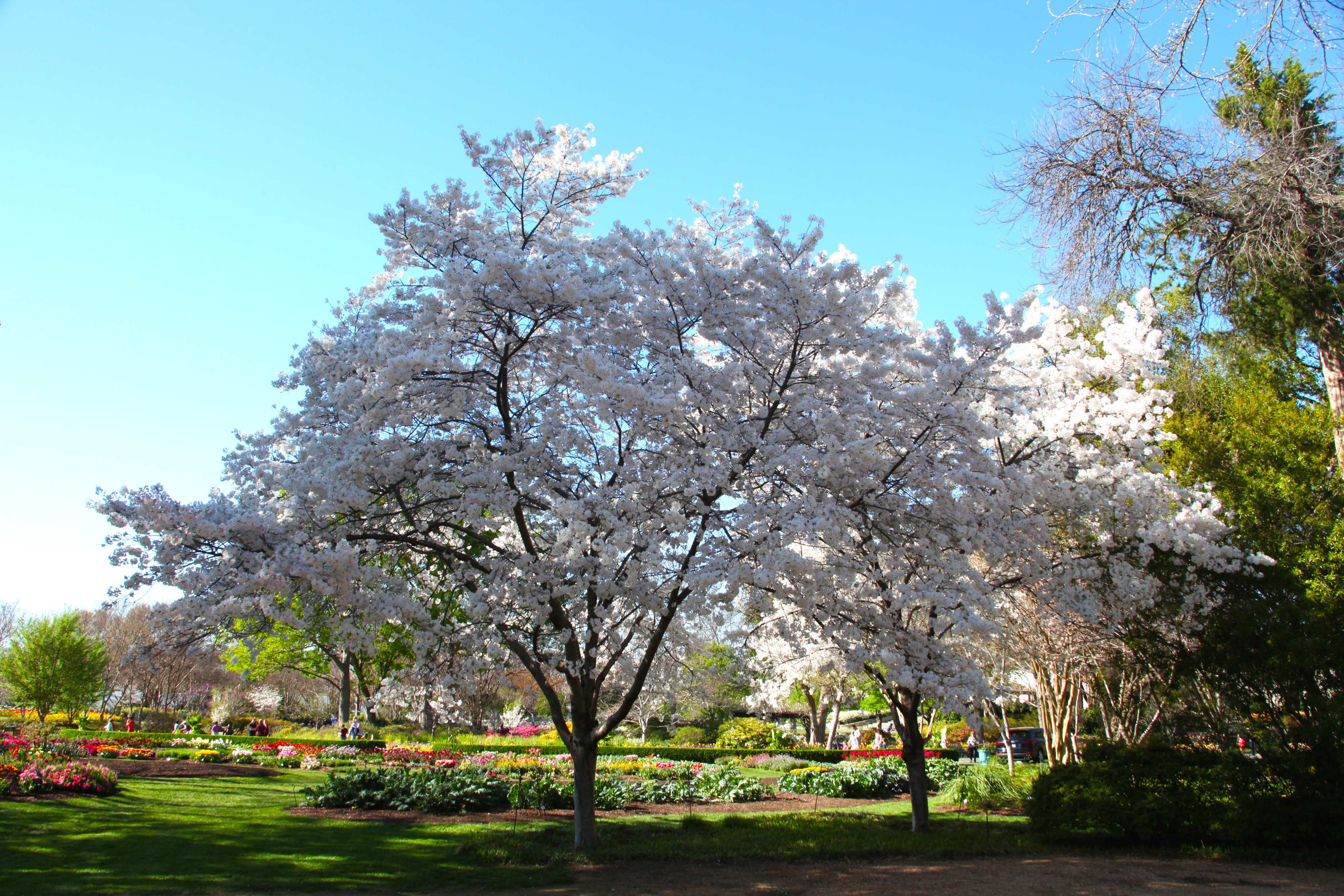
While the prospect of harvesting fresh cherries is a primary motivator for many, it’s also worth noting that some ornamental cherry varieties might perform better in Texas than their fruiting counterparts, primarily because they are selected for bloom characteristics rather than fruit production and might be more tolerant of varying conditions. However, the primary challenge for any cherry tree remains the chill hour requirement. Even ornamental varieties that produce abundant blossoms need a certain degree of winter cold to cue their spring display.
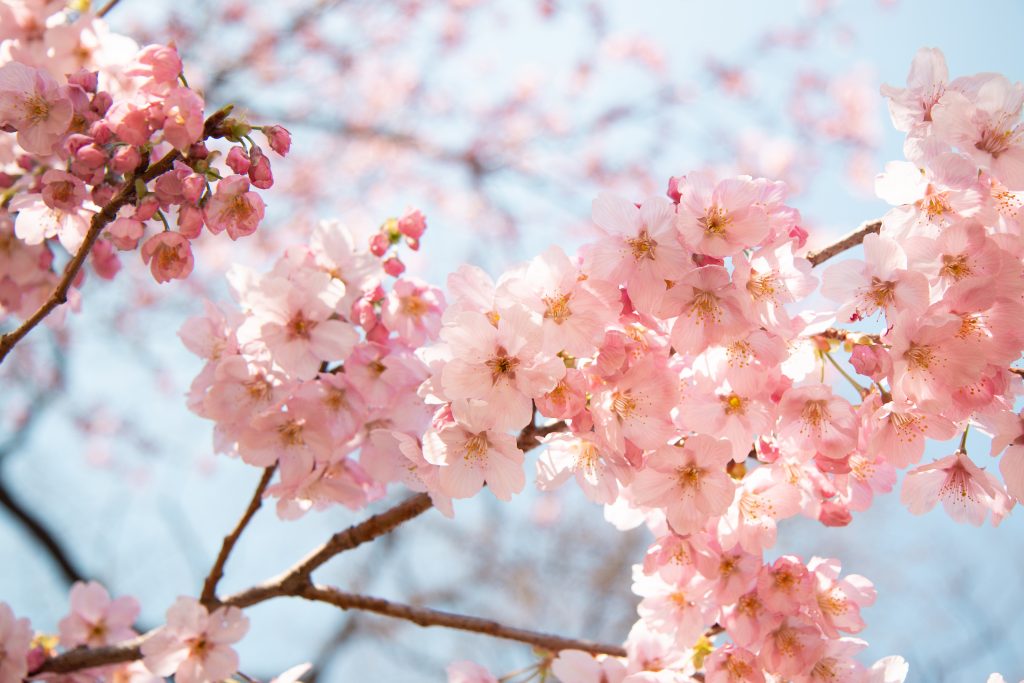
Therefore, even for ornamental purposes, selecting varieties with lower chill hour needs is advisable. These trees offer the stunning visual appeal of cherry blossoms in spring, transforming landscapes into ephemeral spectacles of pink and white, without the primary focus being on fruit yield. They can add significant aesthetic value to gardens and public spaces across suitable regions of Texas.
The Future of Cherry Cultivation in Texas
As climate change continues to influence weather patterns, and as horticultural science advances, the landscape of fruit cultivation in Texas may evolve. The development of even more heat-tolerant and low-chill varieties of both sweet and tart cherries could expand the possibilities for growers in the state. Furthermore, innovative agricultural practices, such as protected cultivation or carefully managed microclimates, might offer solutions for overcoming the inherent challenges of growing traditional fruit trees in less-than-ideal conditions.
For the home gardener in Texas, the question of whether cherry trees grow is met with a cautiously optimistic “yes, with careful selection and management.” It requires an informed approach, a willingness to experiment with varieties suited to local conditions, and diligent horticultural practices. The reward for this effort can be the delightful experience of witnessing the delicate bloom of a cherry tree against the unique Texan backdrop, and perhaps even the sweet, juicy bounty of homegrown cherries.
LifeOutOfTheBox is a participant in the Amazon Services LLC Associates Program, an affiliate advertising program designed to provide a means for sites to earn advertising fees by advertising and linking to Amazon.com. Amazon, the Amazon logo, AmazonSupply, and the AmazonSupply logo are trademarks of Amazon.com, Inc. or its affiliates. As an Amazon Associate we earn affiliate commissions from qualifying purchases.