
Navigating the complexities of co-parenting and financial responsibility is a significant aspect of family lifestyle management, particularly in a state like California. Understanding how child support works here is not just a legal necessity but a cornerstone for ensuring the financial stability and well-being that underpins a family’s lifestyle, from daily routines to future planning and even the ability to enjoy family trips and experiences. Child support aims to ensure that children continue to benefit from the financial resources of both parents, irrespective of their marital status or living arrangements. This comprehensive guide delves into the mechanisms of child support in California, highlighting its impact on family finances and long-term lifestyle planning.
The Foundation of California Child Support
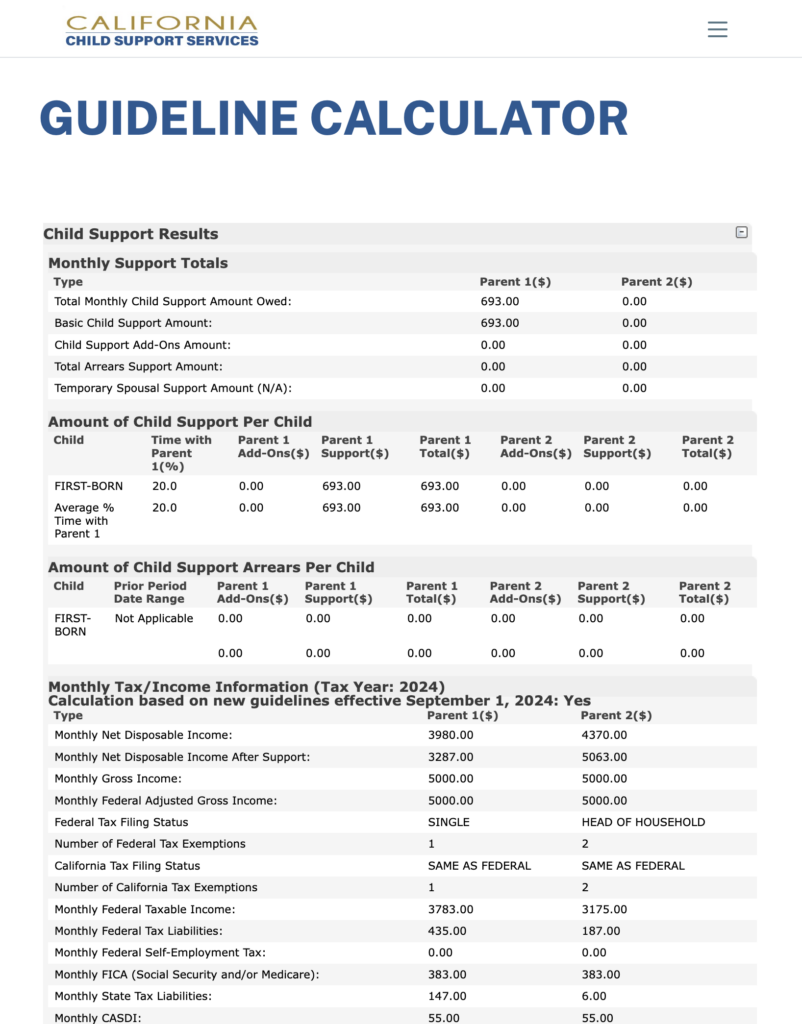
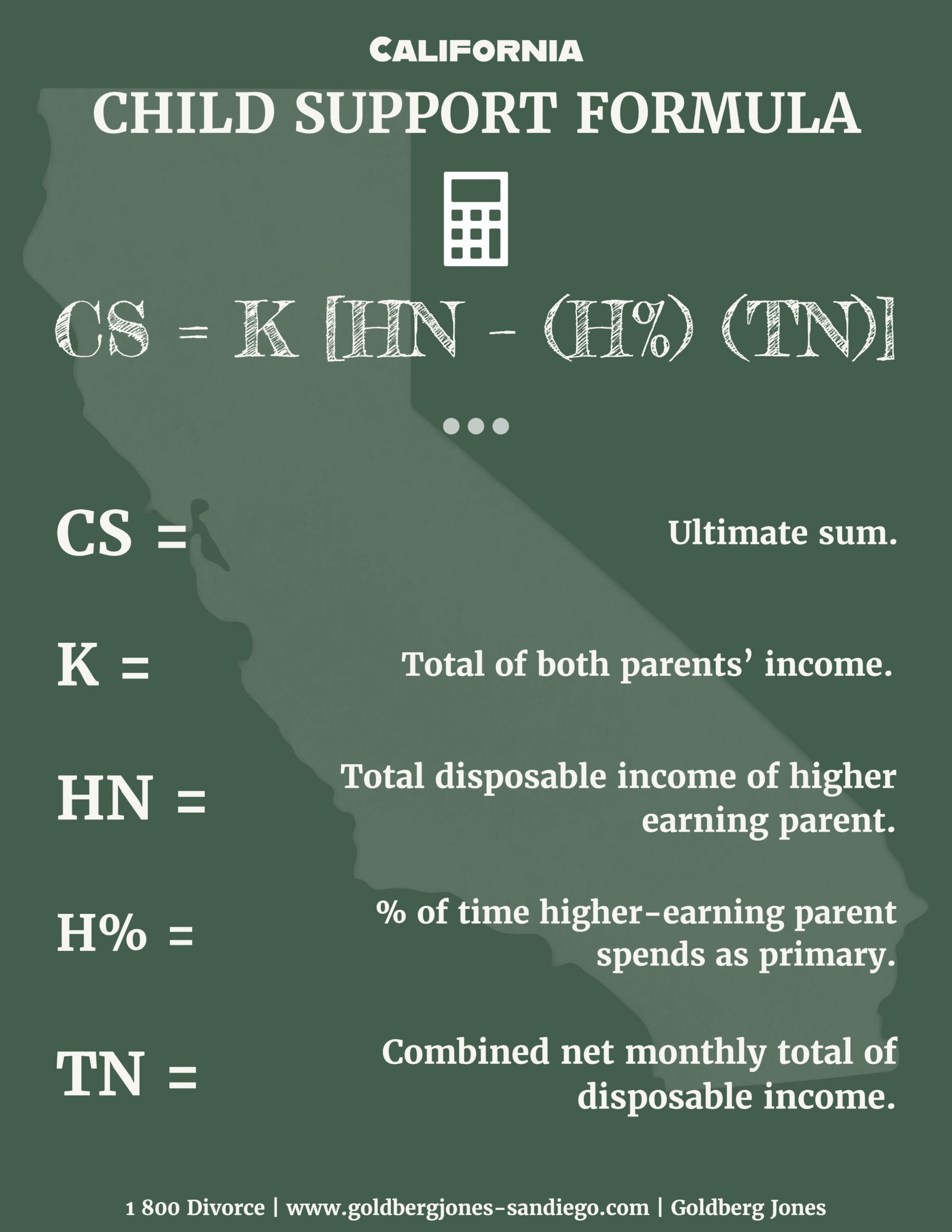
At its core, California child support is governed by a statewide guideline calculation. This guideline is presumed to be correct, and courts rarely deviate from it without compelling reasons. The primary objective is to maintain a standard of living for children that reflects the financial capacity of both parents. This framework ensures a degree of predictability and fairness, which is crucial for families seeking to establish a stable post-separation lifestyle.
Calculating Support Payments
The guideline formula is intricate, taking into account several key factors to arrive at a child support order. The most significant inputs are:
- Net Disposable Income of Both Parents: This is calculated by taking gross income and subtracting mandatory deductions like federal and state income taxes, Social Security, health insurance premiums, union dues, and other court-ordered support (for other children). The higher the net disposable income, the greater the capacity to contribute to child support.
- Custodial Time-Share: The percentage of time each parent spends with the children is a critical factor. Generally, the more time a parent spends with the children, the less child support they might pay (or the more they might receive) because they are assumed to be directly spending money on the children during their custodial periods. This encourages shared parenting and recognizes the financial contributions made by the custodial parent. For families aiming to maintain a consistent lifestyle for their children, this aspect of the calculation underscores the importance of a clear and stable parenting schedule.
- Number of Children: The guideline adjusts the support amount based on how many children are subject to the order.
- Health Insurance Premiums: Costs for health insurance paid for the children are factored in.
- Child Care Costs: Reasonable costs associated with child care necessary for a parent’s employment or education are included.
- Uninsured Health Care Costs: Any uninsured healthcare expenses for the children are typically shared between the parents.
- Other Income and Deductions: This can include income from various sources (salaries, wages, bonuses, commissions, self-employment income, unemployment benefits, disability payments, interest, dividends, rental income) and certain allowable deductions, such as property taxes and mortgage interest.
The guideline aims to ensure that children’s financial needs are met, thereby stabilizing their daily lives and allowing for continuity in their lifestyle, including participation in extracurricular activities, access to quality education, and opportunities for recreational experiences.
Factors Influencing Support Orders
While the guideline provides a strong starting point, several other factors can influence the final support order, further shaping the financial landscape for co-parenting families:
- Special Needs of the Child: If a child has specific medical, educational, or developmental needs, additional support may be ordered to cover these costs. This directly impacts the family’s budget and lifestyle, ensuring that necessary resources are available.
- Extraordinary Travel Expenses: In some cases, if one parent incurs significant costs for travel to facilitate visitation, these expenses might be considered. While not a direct component of the guideline, it highlights how geographically separated parents might factor travel into their financial planning.
- Income Imputation: If a parent is intentionally unemployed or underemployed to avoid paying child support, the court may “impute” an income to them based on their earning capacity. This prevents one parent from unilaterally impacting the children’s standard of living and ensures that both parents contribute fairly to the children’s lifestyle.
- High-Income Earners: For very high-income earners, the guideline formula might result in an amount exceeding the children’s actual needs. In such cases, courts may exercise discretion to set a reasonable support amount that genuinely reflects the children’s lifestyle needs without being excessive.
These factors demonstrate the court’s flexibility in tailoring support orders to specific family situations, always with an eye toward maintaining a suitable lifestyle for the children.
Ensuring Financial Stability for Family Lifestyles
Child support is more than just a payment; it’s a critical component of a family’s financial architecture post-separation. It directly impacts household budgets, allowing parents to plan for stability and opportunities that define a child’s lifestyle.
Budgeting for Family Experiences and Travel
For many families, child support payments directly influence the feasibility of extracurricular activities, special events, and crucially, family trips and vacations. Parents receiving support can allocate funds towards:
- Educational Enrichment: Tuition for private schools, tutoring, or specialized programs.
- Extracurricular Activities: Sports, music lessons, art classes – activities that contribute significantly to a child’s development and social lifestyle.
- Recreational Pursuits: Funds for hobbies, clubs, and leisure activities.
- Travel and Vacations: While not explicitly earmarking funds for travel, a stable child support income stream allows the custodial parent to budget for family holidays, weekend getaways, or visits to relatives, all of which are integral to creating lasting family memories and enriching a child’s experiences. Conversely, parents paying support must integrate these payments into their own budget, which can influence their discretionary spending on personal travel or lifestyle choices. Effective budgeting by both parents, considering child support as a fixed expense or income, is vital for maintaining a balanced lifestyle for all involved.
Impact on Co-Parenting and Joint Activities
Child support inherently impacts the dynamics of co-parenting. When support is consistent and fair, it can reduce financial friction between parents, allowing them to focus more on collaborative decision-making regarding the children’s upbringing and lifestyle. This financial stability can lead to:
- Improved Communication: Less stress over money can foster more positive interactions.
- Shared Costs for Activities: Parents can more easily agree to share costs for larger expenses like sports equipment, school trips, or even significant family events, which are crucial for maintaining a child’s social and developmental lifestyle.
- Consistent Lifestyle: Ensures children experience a similar standard of living in both households, reducing potential feelings of disparity and allowing them to participate in the same activities and experiences regardless of which parent they are with. This consistency is fundamental to a child’s emotional well-being and sense of normalcy.
Navigating Modifications and Enforcement
Life circumstances are rarely static, and California law recognizes that child support orders may need to be adjusted over time to reflect changes in either parent’s financial situation or the children’s needs. This flexibility is key to maintaining a relevant and fair support system that continues to support the children’s evolving lifestyle.
When Circumstances Change
Either parent can request a modification of a child support order if there has been a “significant change in circumstances.” Common reasons for modification include:
- Changes in Income: A substantial increase or decrease in either parent’s income, whether due to a job loss, promotion, or new employment.
- Changes in Custodial Time: A significant alteration in the time-share arrangement between parents.
- Changes in Child’s Needs: New medical diagnoses, special educational requirements, or other needs that significantly impact expenses.
- Birth of New Children: The arrival of new children in either household can impact a parent’s financial obligations and ability to pay.
- Incarceration: A parent’s incarceration can trigger a modification review.
Understanding these triggers for modification is vital for parents to proactively manage their financial obligations and ensure that child support remains aligned with their current lifestyle and capacity. Failure to seek a modification when circumstances change can lead to arrears or an unsustainable financial burden.
The Role of the Department of Child Support Services
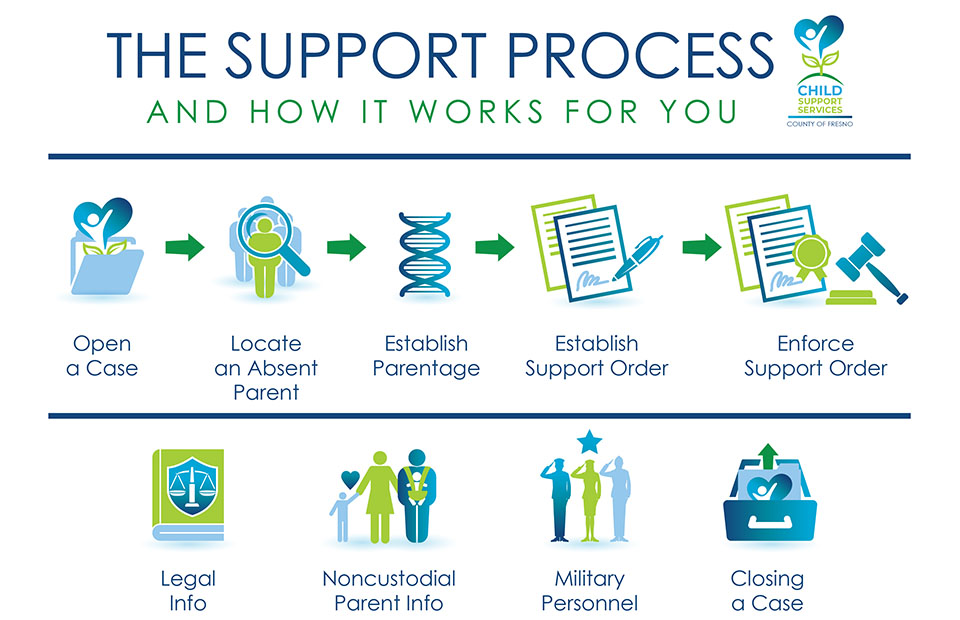
The Department of Child Support Services (DCSS) plays a crucial role in establishing, modifying, and enforcing child support orders. While parents can pursue child support through private attorneys, the DCSS offers services that are invaluable for many families, particularly those needing assistance with enforcement or who cannot afford private legal counsel. Their services include:
- Locating Parents: Helping to find absent parents to establish support orders.
- Establishing Paternity: If paternity is an issue, the DCSS can assist with genetic testing.
- Establishing and Modifying Support Orders: Assisting parents in getting a court order for support or changing an existing one.
- Enforcement: Using various tools to collect unpaid support, such as wage garnishments, bank account levies, property liens, interception of tax refunds, and suspension of driver’s licenses or professional licenses.
The DCSS’s enforcement efforts are critical in ensuring that children receive the financial contributions necessary to maintain their lifestyle and well-being, even when a parent is unwilling or unable to pay voluntarily. This safety net provides a measure of security for the family’s lifestyle.
Long-Term Lifestyle Planning with Child Support
Child support’s influence extends beyond monthly payments; it has significant implications for long-term financial and lifestyle planning, particularly as children grow older and their needs evolve.
College Expenses and Beyond
In California, child support typically ends when a child turns 18 or graduates from high school, whichever occurs later, but generally not past 19. However, parents can agree in their support order for support to continue longer, such as for college expenses. This pre-planning allows families to save and invest, mitigating future financial shocks and ensuring that a child’s access to higher education, a key determinant of future lifestyle, is secured. Discussing and agreeing on how to manage post-majority expenses as part of the initial or modified child support order can be a proactive step in securing a child’s future lifestyle and educational opportunities.
Estate Planning Considerations
For parents paying child support, incorporating these obligations into estate planning is crucial. Life insurance policies can be used to ensure that child support payments continue even if a parent passes away, providing ongoing financial security for the children. This thoughtful planning underscores a commitment to the child’s long-term lifestyle and financial stability, even in unforeseen circumstances. For parents receiving support, understanding how potential insurance proceeds might cover future needs helps in overall financial planning for the family’s lifestyle.
In conclusion, child support in California is a multifaceted system designed to protect the financial well-being of children. By understanding its mechanics, from calculation to modification and enforcement, parents can better navigate their post-separation financial landscape, ensuring that their children continue to enjoy a stable and fulfilling lifestyle, complete with opportunities for growth, education, and memorable family experiences. It’s an essential component of responsible family management that directly influences daily living and future prospects.
LifeOutOfTheBox is a participant in the Amazon Services LLC Associates Program, an affiliate advertising program designed to provide a means for sites to earn advertising fees by advertising and linking to Amazon.com. Amazon, the Amazon logo, AmazonSupply, and the AmazonSupply logo are trademarks of Amazon.com, Inc. or its affiliates. As an Amazon Associate we earn affiliate commissions from qualifying purchases.