
The iconic image of the Texas Ranger, a lone rider on horseback, patrolling the vast and often lawless frontier, is deeply ingrained in the American consciousness. For generations, these figures have been synonymous with courage, justice, and the untamed spirit of the American West. But as the modern world encroaches upon the romanticized Wild West, a pertinent question arises: Do Texas Rangers still exist in the 21st century? The answer is a resounding yes, though their reality is far removed from the dime-novel narratives. The modern Texas Ranger is a highly trained, sophisticated law enforcement officer dedicated to upholding justice and investigating complex crimes across the Lone Star State.

The Evolution of a Legend
The history of the Texas Rangers is a saga of enduring service and adaptation. Established in 1823 by Stephen F. Austin, the original Rangers were a paramilitary force tasked with protecting the early settlers of Texas from hostile Native American tribes and outlaws. These early rangers were often frontiersmen, skilled in tracking, horsemanship, and combat, operating in a harsh and unforgiving environment. Their legend grew through countless tales of bravery, frontier justice, and their pivotal role in shaping the history of Texas and, by extension, the United States.
From Frontier Militia to Elite Law Enforcement
Over the decades, the role of the Texas Rangers evolved significantly. As Texas transitioned from a frontier territory to a burgeoning state, the need for their unique brand of vigilantism diminished. However, their expertise and dedication remained vital. The force underwent formal organization and professionalization, becoming a more structured law enforcement agency.
- Early Years: The initial Rangers were a decentralized group, often answering to local authorities or their own initiative. Their primary focus was on border protection and suppressing banditry.
- Mid-19th Century: The Rangers played a crucial role in the Texas Revolution and the subsequent Mexican-American War, demonstrating their military capabilities.
- Late 19th and Early 20th Century: As organized law enforcement agencies emerged, the Rangers began to focus more on serious crimes, including cattle rustling, bank robberies, and homicides, particularly in areas where local sheriffs lacked the resources or manpower.
- Modern Era: Today, the Texas Rangers are a division of the Texas Department of Public Safety. They are not a standalone agency but an elite investigative unit, a testament to their continued relevance and adaptability.
This evolution reflects a broader trend in law enforcement, where specialized units are often deployed to tackle the most challenging cases. The Rangers, with their storied past and extensive experience, have naturally filled this role, becoming a force of last resort for difficult investigations.
The Modern Texas Ranger: A Force for Justice
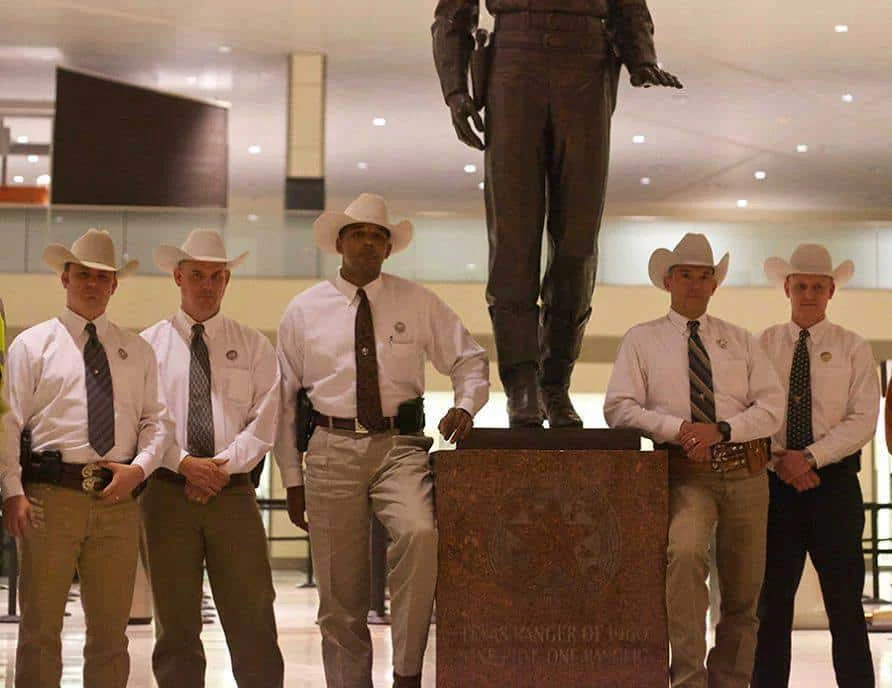
The romanticized image of the lone cowboy might persist in popular culture, but the contemporary Texas Ranger is a far cry from that stereotype. These are highly trained, professional law enforcement officers who operate within the modern legal framework. Their duties are diverse and demanding, requiring a unique blend of investigative acumen, tactical expertise, and an unwavering commitment to justice.
Recruitment and Training
Becoming a Texas Ranger is an arduous journey, demanding significant experience and a proven track record in law enforcement. Potential candidates must first serve as commissioned peace officers in other agencies, typically accumulating several years of experience in roles such as police officer, sheriff’s deputy, or federal agent. The selection process is intensely competitive, involving rigorous background checks, psychological evaluations, and a thorough assessment of their skills and character.
Once selected, new Rangers undergo specialized training that hones their abilities in areas critical to modern investigations. This training goes far beyond basic policing and includes:
- Advanced Investigative Techniques: Covering everything from crime scene analysis and evidence collection to interviewing and interrogation.
- Criminal Intelligence Gathering: Learning to identify patterns, analyze threats, and develop actionable intelligence.
- Tactical Operations: Proficiency in advanced tactical maneuvers, hostage rescue, and use of force protocols.
- Legal Knowledge: Deep understanding of criminal law, evidence rules, and court procedures.
- Specialized Areas: Training in areas such as financial crimes, public corruption, and cold case investigations.
The commitment to continuous professional development ensures that Texas Rangers remain at the forefront of law enforcement practices, equipped to handle the complex challenges of modern criminal activity.
Scope of Operations
The jurisdiction of the Texas Rangers is statewide, and their investigations often involve the most serious and complex crimes that transcend local boundaries or require specialized expertise. They are frequently called upon to assist local law enforcement agencies, providing critical support and resources when cases become overwhelming or highly sensitive.
Key areas of their investigative work include:
- Major Criminal Investigations: This encompasses homicides, serial offenses, organized crime, and high-profile criminal cases.
- Public Corruption: Investigating and prosecuting corrupt officials and public servants, ensuring the integrity of government.
- Cold Case Investigations: Reopening and solving decades-old cases that have long eluded justice, bringing closure to victims’ families.
- Protection of Public Officials: Providing security for governors, judges, and other high-ranking officials.
- Border Security and Criminal Activity: Working to combat drug trafficking, human smuggling, and other transnational criminal enterprises along the Texas border.
- Disaster Response: Assisting in recovery and investigative efforts following major natural disasters.
The Rangers’ ability to operate across diverse geographical and jurisdictional lines makes them an invaluable asset to the state’s public safety infrastructure. They are often the agency that local departments turn to when a case demands a level of experience, resources, or political neutrality that they may not possess internally.
The Enduring Symbolism of the Ranger
While the uniform and the methods have evolved, the spirit of the Texas Ranger remains. They are an embodiment of Texas’s enduring commitment to law and order, a living link to its storied past, and a crucial component of its present-day security. Their continued existence serves as a powerful reminder that the pursuit of justice, though its forms may change, is a constant and vital endeavor.
Beyond the Badge: Cultural Significance
The Texas Ranger is more than just a law enforcement officer; it’s a cultural icon. Their legacy is celebrated in literature, film, television, and music, shaping public perceptions of the West and the heroes who patrolled it. From Zane Grey’s novels to the iconic “Walker, Texas Ranger” television series, the image of the Ranger has been romanticized and amplified, often highlighting their unwavering moral compass and their dedication to righting wrongs.
This cultural significance, while often fictionalized, underscores the deep respect and admiration the public holds for the institution. It speaks to a timeless appreciation for courage, integrity, and the fight against injustice. The modern Rangers, through their dedicated service, continue to uphold the ideals that have made the legend so enduring.
Visiting Ranger Heritage Sites
For those interested in the history and legacy of the Texas Rangers, several attractions across Texas offer a glimpse into their storied past. These sites provide an opportunity to connect with the frontier days and understand the challenges and triumphs of these legendary lawmen.
- Texas Ranger Hall of Fame and Museum (Waco, Texas): This museum is the official repository of the Texas Ranger Division. It houses an extensive collection of artifacts, exhibits, and historical accounts detailing the Rangers’ evolution from their inception to the present day. Visitors can explore the weaponry, uniforms, and personal belongings of notable Rangers, as well as learn about their most famous cases and their impact on Texas history.
- The Alamo (San Antonio, Texas): While not exclusively a Ranger site, The Alamo played a significant role in the early history of Texas and the development of its defensive forces, which included early iterations of Ranger-like units. A visit to this historic mission offers a broader understanding of the Texan struggle for independence and the context in which the Rangers emerged.
- Texas Ranger Trails Ranches (various locations): While not official historical sites, some ranches and historical parks in Texas offer experiences that evoke the era of the Texas Rangers. These can include horseback riding, living history demonstrations, and educational programs that transport visitors back to the frontier.
These destinations offer a tangible connection to the past, allowing visitors to appreciate the historical context and the enduring legacy of the Texas Rangers. They provide a more nuanced understanding of the institution beyond the sensationalized portrayals, focusing on the real men who dedicated their lives to service and justice.

Conclusion: A Living Legacy
The question “Do Texas Rangers still exist?” is answered not with a simple yes or no, but with an acknowledgment of their profound transformation. They are no longer the solitary figures of a bygone era, but a vital, sophisticated law enforcement division that continues to serve and protect the state of Texas. Their history is a testament to resilience and adaptation, and their present-day operations underscore their unwavering commitment to justice. The legend lives on, not just in the annals of history or on the silver screen, but in the dedicated work of the men and women who proudly wear the badge of the Texas Ranger today. They are a living legacy, a crucial part of the fabric of Texan identity, and a powerful symbol of law and order in action.
LifeOutOfTheBox is a participant in the Amazon Services LLC Associates Program, an affiliate advertising program designed to provide a means for sites to earn advertising fees by advertising and linking to Amazon.com. Amazon, the Amazon logo, AmazonSupply, and the AmazonSupply logo are trademarks of Amazon.com, Inc. or its affiliates. As an Amazon Associate we earn affiliate commissions from qualifying purchases.