
Navigating the automotive regulations of any state can feel like deciphering an ancient script, especially when it pertains to the essential inspection sticker. For those venturing into or residing within the great state of Texas, a common query arises: “Do you have to have an inspection sticker in Texas?” The answer, much like many aspects of Texas life, is nuanced and has undergone recent evolution. Understanding these changes is crucial for any driver, whether you’re a seasoned Texan or a newcomer exploring its vast landscapes.
The Shifting Sands of Texas Vehicle Inspections
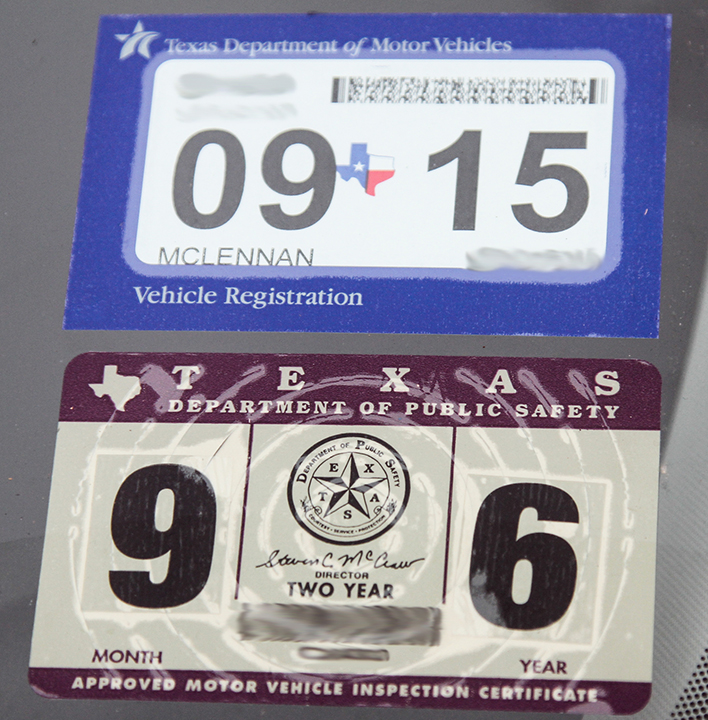
For many years, Texas mandated a two-step inspection process for all vehicles. This involved both a safety inspection and an emissions inspection (in certain counties). Upon passing both, drivers received a sticker to display on their windshield, signifying compliance. This system aimed to ensure that vehicles on Texas roads were safe for operation and met environmental standards. However, in a significant legislative move, the state phased out the mandatory safety and emissions inspections for most passenger vehicles and light trucks, a change that officially took effect on January 1, 2025.
The End of the Traditional Inspection Sticker
The most impactful change is the discontinuation of the traditional Texas vehicle inspection sticker for most private passenger vehicles and light trucks. This means that if you own a car, SUV, or pickup truck that isn’t used for commercial purposes, you likely no longer need to visit an inspection station annually to obtain a sticker. This legislative shift was driven by several factors, including the desire to streamline processes for vehicle owners and to align with federal emissions standards that many modern vehicles already meet through their onboard diagnostic systems.
What Replaces the Inspection Sticker?
While the physical sticker is gone for many, the underlying intent of ensuring vehicle safety and environmental responsibility remains. The responsibility for this now largely falls on the vehicle owner and their chosen repair facility. The Texas Department of Public Safety (DPS), in conjunction with the Texas Commission on Environmental Quality (TCEQ), has shifted its focus.
Instead of a mandatory annual inspection for a sticker, Texas now relies on other mechanisms to promote road safety and environmental protection. This includes:
- On-Board Diagnostics (OBD-II) Checks: For emissions, the state now primarily relies on the OBD-II system present in most vehicles manufactured since 1996. These systems monitor the vehicle’s emissions control components and can detect malfunctions. During the vehicle registration process, your vehicle’s OBD-II system may be checked to ensure it’s functioning correctly and that no “check engine” light is illuminated.
- Enforcement of Traffic Laws: Law enforcement officers can still cite drivers for vehicles that are clearly unsafe, regardless of the presence of an inspection sticker. This includes issues like bald tires, broken headlights, malfunctioning brakes, or excessive exhaust noise.
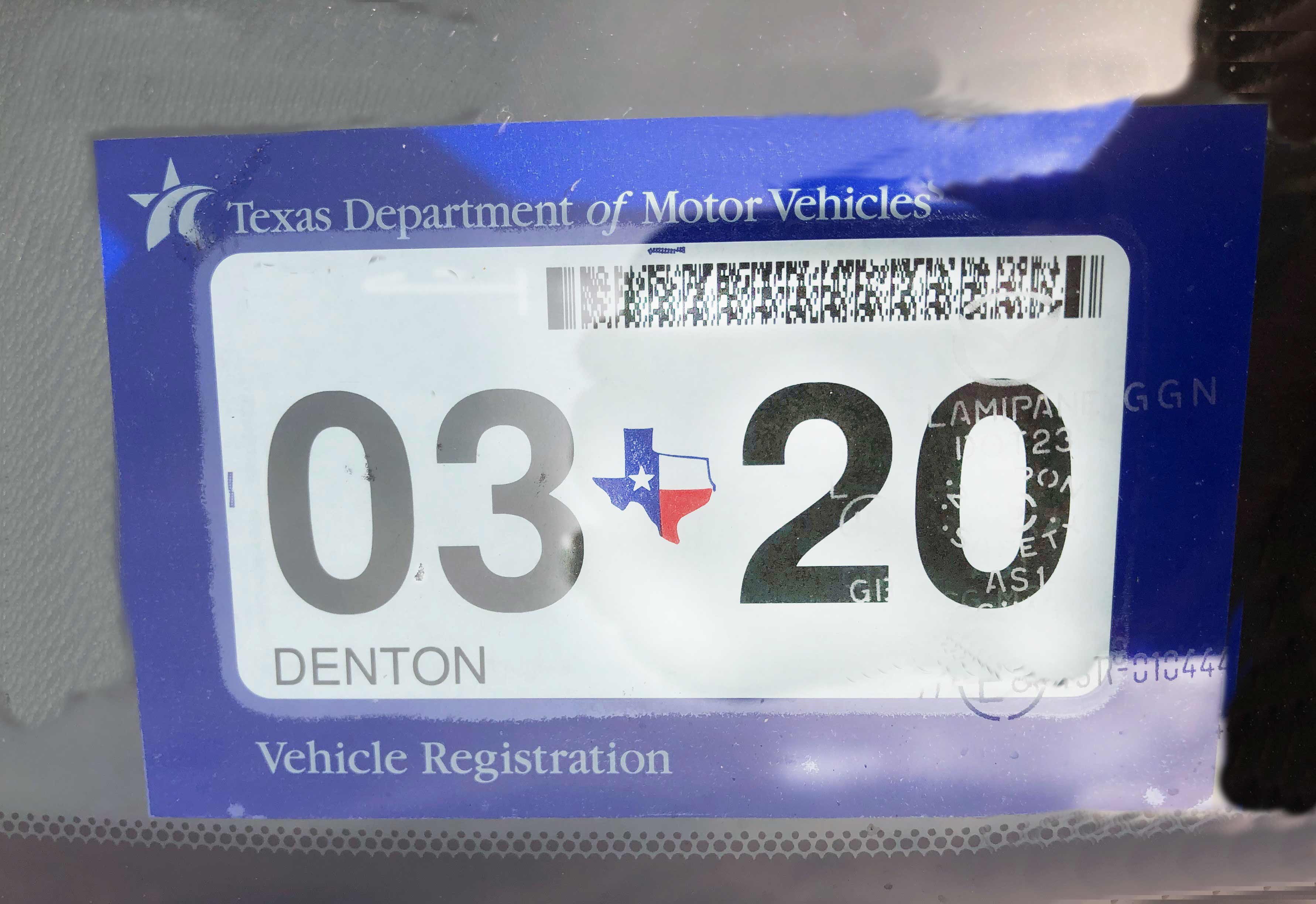
- Vehicle Registration Requirements: While the inspection sticker is no longer a prerequisite for registration for most vehicles, drivers must still renew their vehicle registration annually. Failure to do so can result in fines.
Which Vehicles Still Require Inspections?
It’s important to note that the exemption from the annual inspection and sticker requirement does not apply to all vehicle types. Certain categories of vehicles in Texas are still subject to inspections, ensuring they meet specific safety and operational standards. These typically include:
Commercial Vehicles
Vehicles used for commercial purposes, such as large trucks, buses, and some fleet vehicles, often have more stringent inspection requirements. These inspections are generally more comprehensive, focusing on the unique demands and potential safety risks associated with commercial operations. This includes checking critical components like brakes, steering, suspension, tires, and lighting systems to ensure they are in optimal condition for transporting goods or passengers.
Motorcycles and Mopeds
Motorcycles and mopeds are a notable exception. While passenger cars and light trucks are largely exempt from the traditional inspection, motorcycles and mopeds in Texas still require an annual safety inspection. This is a distinct requirement from the passenger vehicle changes and is enforced to ensure these smaller, often more vulnerable, vehicles meet basic safety standards on the road.
Trailers
Certain types of trailers may also still be subject to inspection requirements, particularly those used for commercial purposes or those exceeding a specific weight threshold. These regulations are in place to ensure the safe towing of attached loads and to prevent hazards on the roadways.
Older Vehicles (Pre-1996 Emissions)
While the general rule for emissions has shifted to OBD-II checks, there might be specific nuances for very old vehicles that pre-date this technology, particularly in counties that previously had strict emissions testing programs. However, for the vast majority of drivers, the OBD-II system serves as the primary emissions compliance check.
What to Do If Your Vehicle Still Needs an Inspection

If you own a vehicle that falls into one of the categories still requiring an inspection (such as a motorcycle or a commercial vehicle), the process remains largely the same. You will need to take your vehicle to an Official Texas Vehicle Inspection Station. These stations are licensed by the state and employ certified inspectors.
The Inspection Process
The inspection will typically cover various safety aspects, depending on the vehicle type. For motorcycles, this might include checking brakes, tires, lights, and general condition. For commercial vehicles, the inspection is more thorough and covers a wider range of heavy-duty components.
Passing and Registration
Upon passing the inspection, the station will electronically submit the results to the state. You will then receive a Vehicle Inspection Report (VIR). This report serves as proof of your vehicle’s compliance. While you won’t receive a physical sticker for passenger vehicles that are no longer required to have one, the electronic record is what matters for registration purposes.
For vehicles that still require a sticker, it will be affixed to your windshield, typically in a designated spot. It is essential to keep this sticker visible.
Understanding the Impact of the Change
The elimination of the mandatory inspection sticker for most vehicles in Texas has several implications for drivers:
Cost Savings
For millions of Texans, this change represents a significant cost saving. The annual inspection fee, which could range from $20 to $40 or more depending on the type of inspection, is no longer a mandatory expense. This can free up personal budgets and reduce the financial burden of vehicle ownership.
Personal Responsibility
With the removal of the state-mandated inspection, the onus is now more squarely on the individual vehicle owner to ensure their vehicle is in safe working order. This means being proactive about maintenance, paying attention to warning lights on the dashboard, and addressing potential issues before they become serious safety hazards. Regular oil changes, tire rotations, brake checks, and fluid level monitoring are more critical than ever.
Focus on Maintenance
Proponents of the change argue that it encourages more regular, proactive maintenance rather than relying on a once-a-year check. Drivers are now more likely to address minor issues as they arise, potentially preventing more significant and costly repairs down the line, and more importantly, ensuring their vehicle is safe to operate at all times.
Potential for Increased Enforcement
While the sticker is gone for many, law enforcement officers still have the authority to pull over vehicles that appear to be unsafe. This means that drivers who neglect their vehicle’s maintenance may still face penalties. Being pulled over for a broken taillight or excessively worn tires can lead to citations and fines, even without an expired inspection sticker.
Environmental Considerations
The shift to relying on OBD-II systems for emissions compliance is based on the premise that modern vehicles are designed to be more environmentally friendly. However, critics of the change have raised concerns that older vehicles that might have previously been flagged for emissions issues could now fly under the radar, potentially leading to increased air pollution in some areas. The state continues to monitor air quality and may adjust regulations if necessary.
Conclusion: Staying Informed and Driving Responsibly
In summary, the question of whether you need an inspection sticker in Texas now depends heavily on the type of vehicle you own. For most passenger cars and light trucks, the mandatory annual inspection and sticker requirement has been eliminated, with the shift to OBD-II system checks and increased owner responsibility for vehicle safety. However, motorcycles, mopeds, and certain commercial vehicles still fall under existing inspection mandates.
The best approach for any driver in Texas is to stay informed about current regulations and to prioritize vehicle maintenance. Even without a sticker, a safe and well-maintained vehicle is crucial for personal safety, the safety of others on the road, and for enjoying all that Texas has to offer, from the bustling streets of Austin to the vast ranches of West Texas. Understanding these regulations ensures a smoother driving experience and contributes to safer roads for everyone.
LifeOutOfTheBox is a participant in the Amazon Services LLC Associates Program, an affiliate advertising program designed to provide a means for sites to earn advertising fees by advertising and linking to Amazon.com. Amazon, the Amazon logo, AmazonSupply, and the AmazonSupply logo are trademarks of Amazon.com, Inc. or its affiliates. As an Amazon Associate we earn affiliate commissions from qualifying purchases.