
One of the most common sources of anxiety for travelers checking out of a luxury resort or a city-center boutique is the status of their security deposit. After enjoying the amenities and the service of a high-end stay, seeing a significant “pending” amount on your bank statement can be unsettling. Whether you are staying at a Marriott International property in the heart of New York City or a cozy apartment in London, understanding the mechanics of accommodation deposits is essential for managing your travel budget effectively.
The short answer is that a hotel deposit refund typically takes anywhere from 3 to 10 business days. However, this timeline is not set in stone and is influenced by a variety of factors ranging from the hotel’s internal accounting practices to the specific policies of your financial institution. In the world of professional accommodation management, these holds are a standard operating procedure, yet they remain one of the most frequently asked questions at front desks worldwide.
The Difference Between Pre-Authorizations and Actual Charges
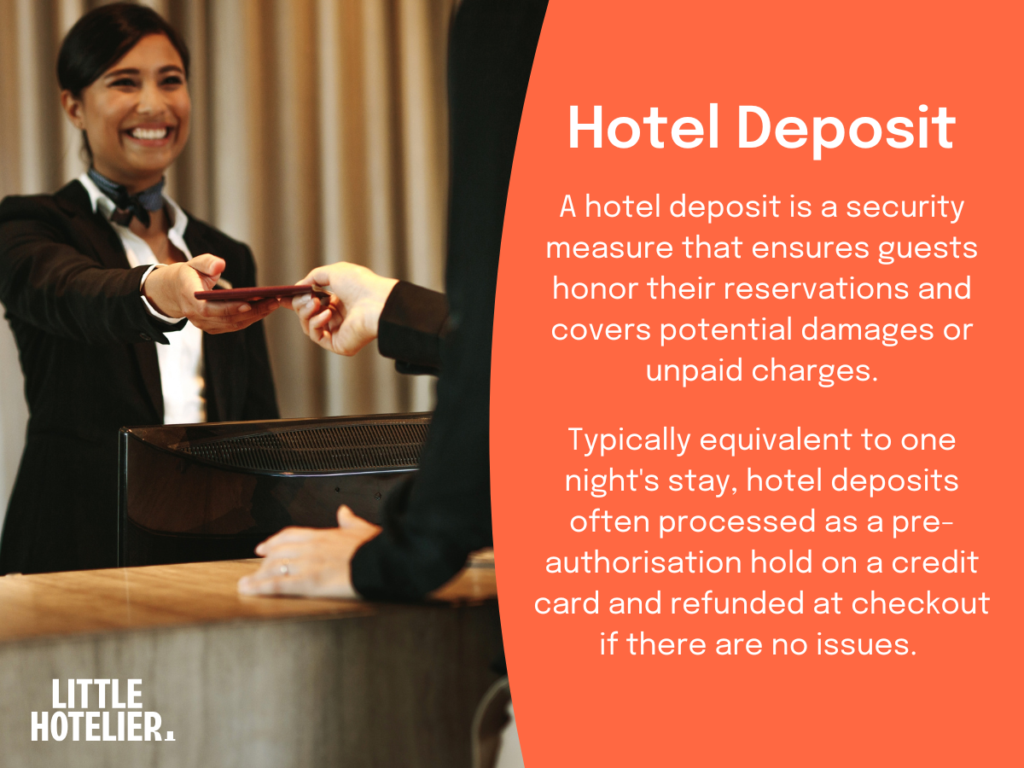
To understand how long a refund takes, one must first distinguish between a “charge” and a “pre-authorization.” When you check into a property like the Ritz-Carlton or a Hilton, the receptionist usually asks for a credit card for “incidentals.” This is not a purchase; it is a temporary hold on your credit limit or bank balance.
How the Pre-Authorization Hold Works
A pre-authorization is a temporary hold placed on your funds to ensure that you have sufficient credit or cash to cover potential costs beyond the room rate. These costs might include room service, minibar usage, or even accidental damage to the suite. For the duration of your stay in Paris or Tokyo, these funds are “frozen.” While the money hasn’t technically left your account, it is unavailable for you to spend elsewhere.
When you check out, the hotel calculates your final bill. If you didn’t raid the minibar or order midnight snacks, the hotel “releases” the hold. The speed at which this hold disappears is what most guests refer to as the “refund” time. If the hotel actually charged the card—common for some long-term stays or specific booking platforms—the process is a true refund, which often takes longer because it requires a reversal of a completed transaction.
Security Deposits for Incidentals
Incidentals are the “just in case” funds. In cities known for high-end hospitality like Dubai or Singapore, these deposits can range from $50 to $200 per night. If you are staying for a week at a Four Seasons resort, that hold can quickly add up to over a thousand dollars. Understanding that this is a standard practice in the accommodation industry helps travelers plan their liquidity accordingly.
Typical Timelines for Refund Processing
The journey of your money from the hotel’s system back to your available balance involves several steps. Once you hand over your room key at a Hyatt or an Accor property, the front desk clerk triggers the release. However, this is only the first step in a multi-party relay race.
The Role of Financial Institutions
The primary reason for the 3 to 10-day delay is the banking system. Once the hotel sends the “release” signal, it must be processed by the hotel’s merchant bank, then routed through the card network (such as Visa or Mastercard), and finally accepted by your personal bank.
In the United States, major banks often process these releases within 3 to 5 business days. However, if you are traveling internationally—perhaps staying in France or Italy—cross-border banking communications can add several days to the timeline. Domestic stays generally see faster resolutions than international ones due to fewer intermediary banks being involved.
Credit Cards vs. Debit Cards

One of the most critical factors in refund speed is the type of card used. If you use a credit card at a Sheraton or a Westin, the hold merely lowers your available credit limit. When the hold is released, your “available credit” simply goes back up. This is usually reflected within a few days and doesn’t impact your actual cash flow.
However, using a debit card is a different story. When a hotel in Las Vegas places a hold on a debit card, that money is physically pulled out of your checking account or, at the very least, made completely inaccessible. Because this involves actual cash, banks are often more conservative and slower to “return” the funds to the “available” column. For many travelers, this can lead to declined transactions elsewhere during their trip.
Strategic Advice for Managing Your Travel Budget
To ensure your accommodation experience remains stress-free, there are several proactive steps you can take regarding deposits. Whether you are booking a stay through InterContinental Hotels Group or a local boutique villa, communication is key.
Communicating with Front Desk Staff
At check-in, always ask the clerk exactly how much the deposit will be and how they process the release. When checking out, it is a good idea to ask for a “zeroed-out” receipt. This document confirms that you owe nothing more and that the hotel has initiated the release of your hold. If you notice the hold hasn’t disappeared after 10 days, this receipt is your primary evidence when calling your bank to dispute the “pending” status.
Monitoring Your Bank Statement
In the digital age, most travelers monitor their accounts via mobile apps. Don’t be alarmed if you see two entries for the same hotel: one for the actual room rate and one for the deposit. Over time, the deposit entry should simply vanish. It is rare for a deposit to appear as a “refund” credit; instead, the original “pending” transaction usually just expires and disappears from your history entirely.
If you are staying at a Holiday Inn or a W Hotels and notice the hold is still there after two weeks, the issue usually lies with your bank, not the hotel. Banks sometimes keep the hold active for a full billing cycle as a security measure, even if the hotel has already sent the release notification.
Regional Variations and Chain-Specific Policies
Accommodation standards vary significantly across the globe. A stay in Germany may have different deposit protocols than a stay in Thailand.
Trends in North America and Europe
In the United Kingdom and much of Europe, there is an increasing trend toward “contactless” check-ins where the deposit is handled via a secure link sent to your email before arrival. This can sometimes speed up the refund process as the system is fully automated. In North America, however, the traditional physical card swipe at the front desk remains the standard for most major chains.

Luxury Stays and High-End Deposits
For high-end accommodation like those found in Los Angeles or Hong Kong, the deposit amounts are often reflective of the luxury items within the room. If your suite features original artwork or high-end technology, the deposit will be higher, and the hotel’s accounting department may perform a more thorough room inspection before releasing the funds. This meticulousness can sometimes add 24 to 48 hours to the hotel’s internal processing time before the bank even gets involved.
When navigating the complexities of accommodation bookings, the best approach is to always use a credit card for deposits. This keeps your liquid cash available for dining in Barcelona or shopping in Milan. By understanding that the 3 to 10-day window is a standard part of the financial ecosystem of travel, you can plan your expenses without the stress of wondering where your deposit has gone.
In summary, while the wait can be frustrating, it is a built-in part of the modern lodging industry. Whether you are at a budget-friendly spot or a five-star landmark, the process is designed to protect both the guest and the provider. Patience, combined with a clear understanding of your bank’s policies, will ensure that your post-trip financial “hangover” is kept to a minimum.
LifeOutOfTheBox is a participant in the Amazon Services LLC Associates Program, an affiliate advertising program designed to provide a means for sites to earn advertising fees by advertising and linking to Amazon.com. Amazon, the Amazon logo, AmazonSupply, and the AmazonSupply logo are trademarks of Amazon.com, Inc. or its affiliates. As an Amazon Associate we earn affiliate commissions from qualifying purchases.