
The question of whether Texas has Medicaid is a crucial one for understanding the state’s healthcare landscape, particularly for those seeking affordable health coverage. While the answer is a definitive yes, the specifics of how Medicaid operates in Texas are nuanced and differ in certain ways from other states. This is largely due to Texas’s decision not to expand its program under the Affordable Care Act (ACA). Understanding these distinctions is vital for individuals and families navigating their healthcare options within the Lone Star State.
Medicaid in Texas: An Overview
Medicaid is a joint federal and state program that provides health insurance to low-income individuals and families, pregnant women, elderly adults, and people with disabilities. In Texas, the program is administered by Health and Human Services Commission (HHSC), which oversees eligibility, services, and provider payments.
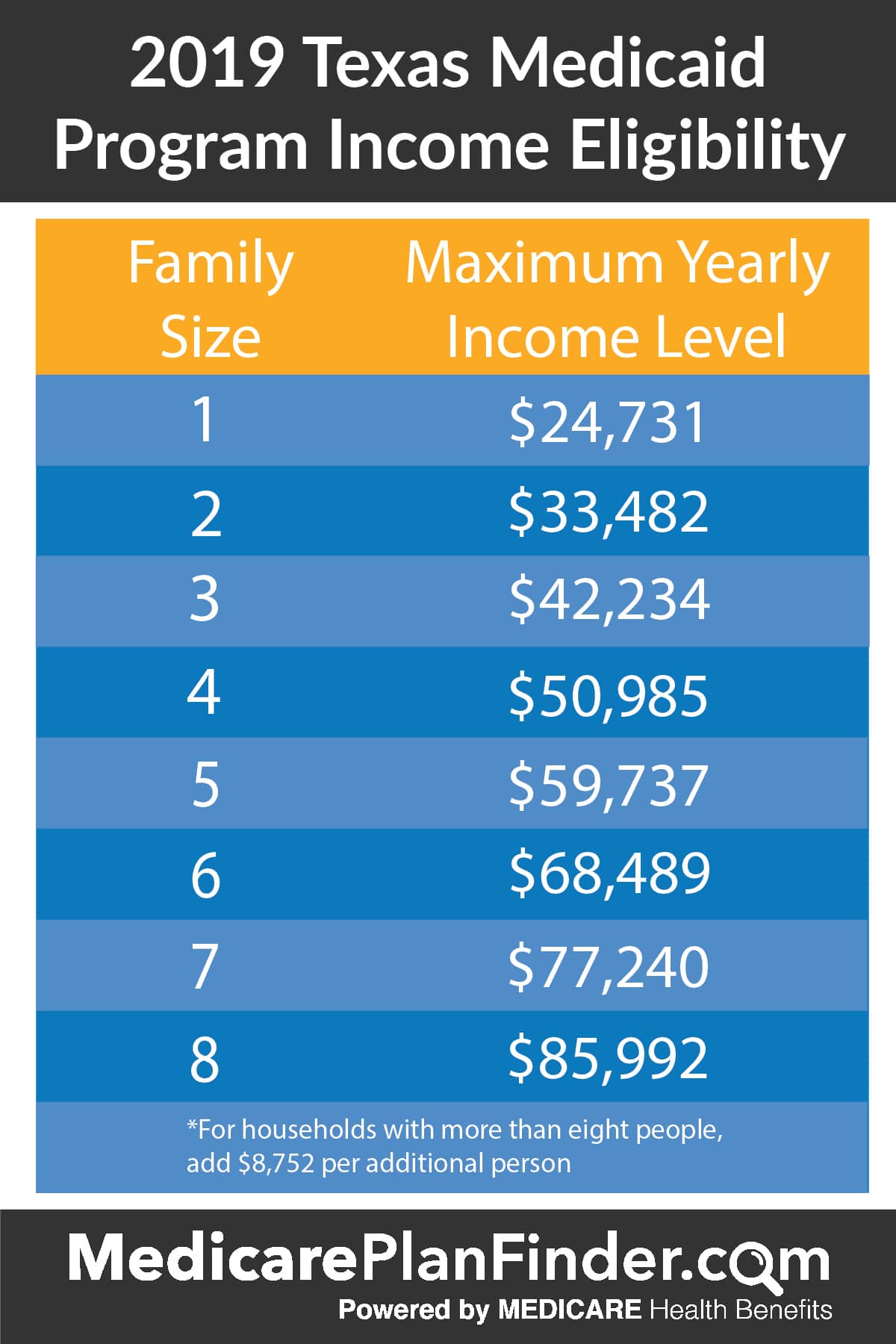
Eligibility Requirements
Eligibility for Medicaid in Texas is determined by several factors, including income, household size, disability status, and age. It’s important to note that Texas has some of the most restrictive eligibility criteria in the nation, primarily because it did not opt for the ACA’s expansion of Medicaid to cover more low-income adults.
Key Eligibility Groups
- Children: Texas covers children in low-income families through Medicaid and the Children’s Health Insurance Program (CHIP). These programs are generally more accessible than adult Medicaid in the state.
- Pregnant Women: Pregnant women with incomes below a certain threshold are eligible for Medicaid or CHIP prenatal services.
- Elderly and Disabled Individuals: Individuals who are 65 or older or have a qualifying disability may be eligible for Medicaid, often to help cover costs related to long-term care or medical expenses not covered by Medicare.
- Low-Income Adults: This is where Texas’s stance on ACA expansion significantly impacts eligibility. Unlike states that expanded Medicaid, Texas generally does not cover childless adults or parents with incomes above a certain very low percentage of the federal poverty level. This leaves a significant gap in coverage for many working individuals and families.
Services Covered by Texas Medicaid
When eligible, Texas Medicaid provides a comprehensive range of healthcare services. These typically include:
- Doctor visits
- Hospital stays
- Prescription drugs
- Preventive care and screenings
- Laboratory and X-ray services
- Maternity care and delivery
- Mental health services
- Early and periodic screening, diagnostic, and treatment (EPSDT) services for children
The specific benefits can vary slightly depending on the eligibility group and the managed care plan selected.
The Impact of Non-Expansion
The decision by Texas not to expand Medicaid under the ACA has had profound consequences for the state’s uninsured population. Prior to the ACA, Medicaid eligibility for parents was particularly restrictive. The ACA offered to cover most adults with incomes up to 138% of the federal poverty level, but Texas chose not to adopt this expansion.
The Coverage Gap
This non-expansion has created what is known as the “coverage gap.” Individuals earning too much to qualify for traditional Medicaid but not enough to be eligible for subsidies on the Health Insurance Marketplace (Healthcare.gov) are left without affordable options. These are often low-wage workers who do not receive health insurance through their employers and are therefore uninsured. This gap disproportionately affects rural communities and minority populations within Texas.
Implications for Healthcare Providers
The high uninsured rate in Texas also poses challenges for healthcare providers. Uninsured patients are more likely to delay care until their conditions become severe, leading to increased use of expensive emergency room services for conditions that could have been managed more effectively and affordably with primary and preventive care. This can strain hospital budgets and impact the quality of care available to all patients.

Navigating Medicaid in Texas
For individuals and families in Texas who believe they may be eligible for Medicaid, the application process is managed through the state’s Your Texas Benefits portal.
Application Process
- Determine Eligibility: The first step is to assess your potential eligibility based on income, household size, and other relevant factors. HHSC provides income guidelines on its website.
- Create an Account: Applicants typically need to create an account on the Your Texas Benefits website to apply online.
- Submit Application: Complete the application form thoroughly, providing all requested information and documentation. This may include proof of income, residency, citizenship, and any relevant medical documentation for disability claims.
- Review and Decision: HHSC will review the application and make a determination regarding eligibility. If approved, applicants will be notified about their coverage and how to select a managed care plan.
Managed Care in Texas Medicaid
Most Texas Medicaid beneficiaries are enrolled in managed care plans. This means they select a health plan that contracts with HHSC to provide their healthcare services. The state contracts with several managed care organizations (MCOs) that operate across different regions of Texas. Examples of these MCOs include Amerigroup, Blue Cross and Blue Shield of Texas, and UnitedHealthcare.
Choosing a Managed Care Plan
When enrolling in Texas Medicaid, beneficiaries are often given a choice of MCOs available in their area. The selection of a plan can depend on factors such as the network of doctors and hospitals, covered benefits, and member satisfaction. It’s advisable to research the available MCOs and their provider networks to ensure access to preferred healthcare providers.
Alternatives and Future Considerations
Given the limitations of Medicaid eligibility in Texas for many low-income adults, individuals who fall into the coverage gap may need to explore alternative options for health insurance.
Health Insurance Marketplace
The Health Insurance Marketplace, established by the ACA, offers individuals and families who do not have access to affordable employer-sponsored insurance or other qualifying coverage the opportunity to purchase health insurance plans. Subsidies are available based on income to make these plans more affordable. However, as mentioned, those whose incomes are too high for Medicaid but too low to qualify for subsidies are left in the coverage gap.
Employer-Sponsored Insurance
For those employed by companies that offer health benefits, employer-sponsored insurance remains a primary source of coverage. However, many low-wage jobs in Texas do not provide such benefits.
Community Health Centers
Community Health Centers are vital resources in Texas, offering primary and preventive care on a sliding fee scale based on income. These centers serve many uninsured and underinsured individuals and families, providing essential medical services regardless of a patient’s ability to pay.
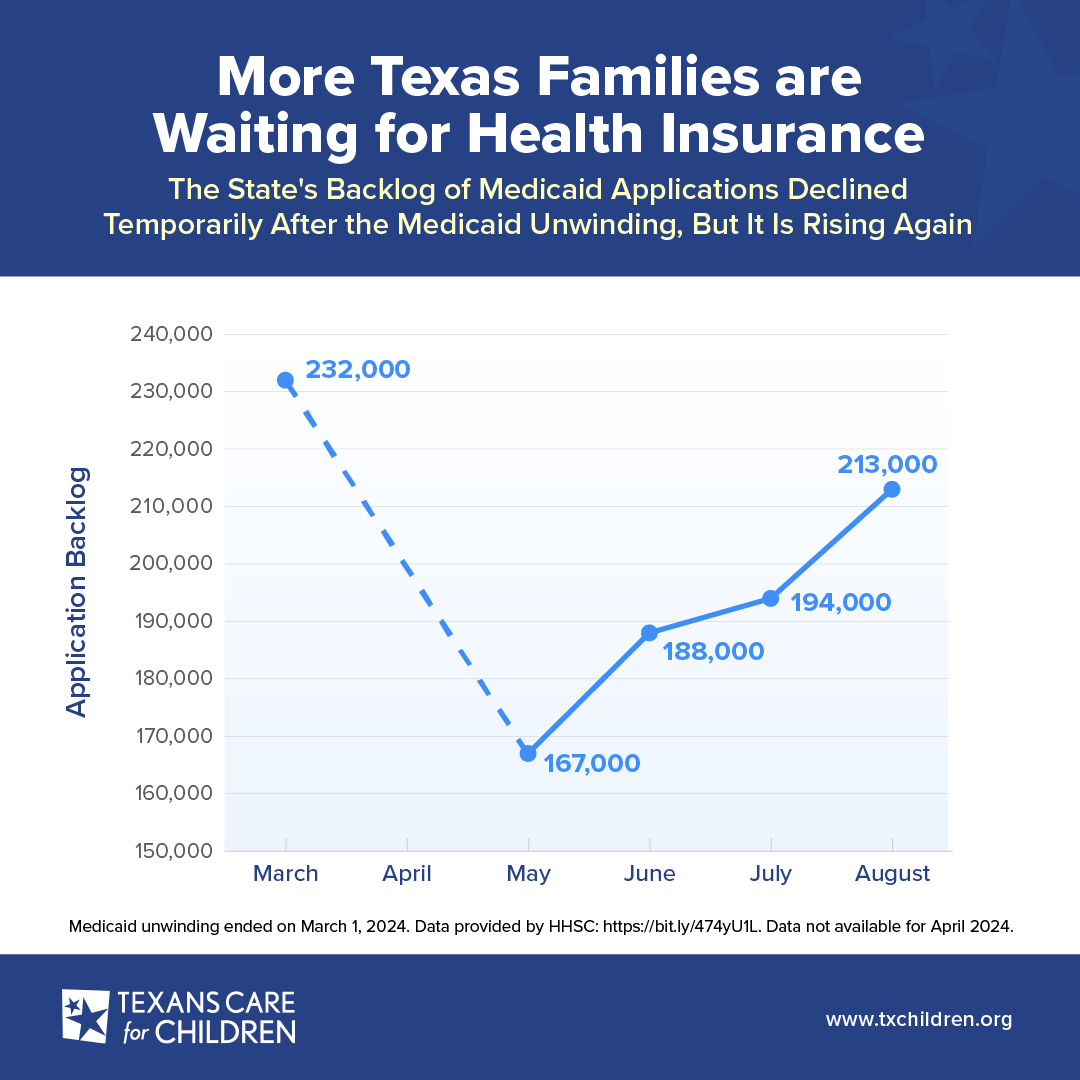
The Debate on Medicaid Expansion
The debate over Medicaid expansion in Texas continues. Proponents argue that expansion would provide coverage to hundreds of thousands of uninsured Texans, boost the state’s economy through increased healthcare spending, and reduce the financial burden on hospitals. Opponents express concerns about the long-term costs to the state and potential impacts on the quality of care. As Texas continues to grow, the conversation around healthcare access and affordability, including the potential for Medicaid expansion, remains a significant policy issue.
In conclusion, while Texas does indeed have Medicaid, its structure and eligibility rules, particularly in light of the state’s decision regarding ACA expansion, mean that not all low-income individuals have access to this vital program. Understanding these complexities is key to navigating the healthcare system in Texas.
LifeOutOfTheBox is a participant in the Amazon Services LLC Associates Program, an affiliate advertising program designed to provide a means for sites to earn advertising fees by advertising and linking to Amazon.com. Amazon, the Amazon logo, AmazonSupply, and the AmazonSupply logo are trademarks of Amazon.com, Inc. or its affiliates. As an Amazon Associate we earn affiliate commissions from qualifying purchases.