
Texas, a state synonymous with sprawling ranches, vibrant cities, and a rich tapestry of history, holds within its borders a surprising claim to antiquity. While many associate the Lone Star State with westward expansion and relatively recent settlement, the truth is that its roots run much deeper, stretching back to the era of Spanish exploration and colonization. Identifying the absolute oldest town in Texas is a fascinating journey through layers of history, involving indigenous populations, European powers, and the very foundations of civilization in this vast territory.
Tracing the Earliest Footprints
Before any European set foot on what is now Texas, the land was home to numerous indigenous tribes, each with their own established territories and ways of life that could be considered the earliest forms of “settlement.” However, when we speak of “towns” in the conventional sense, involving organized communities with permanent structures and a governing body, the narrative shifts to the period of European exploration and settlement.
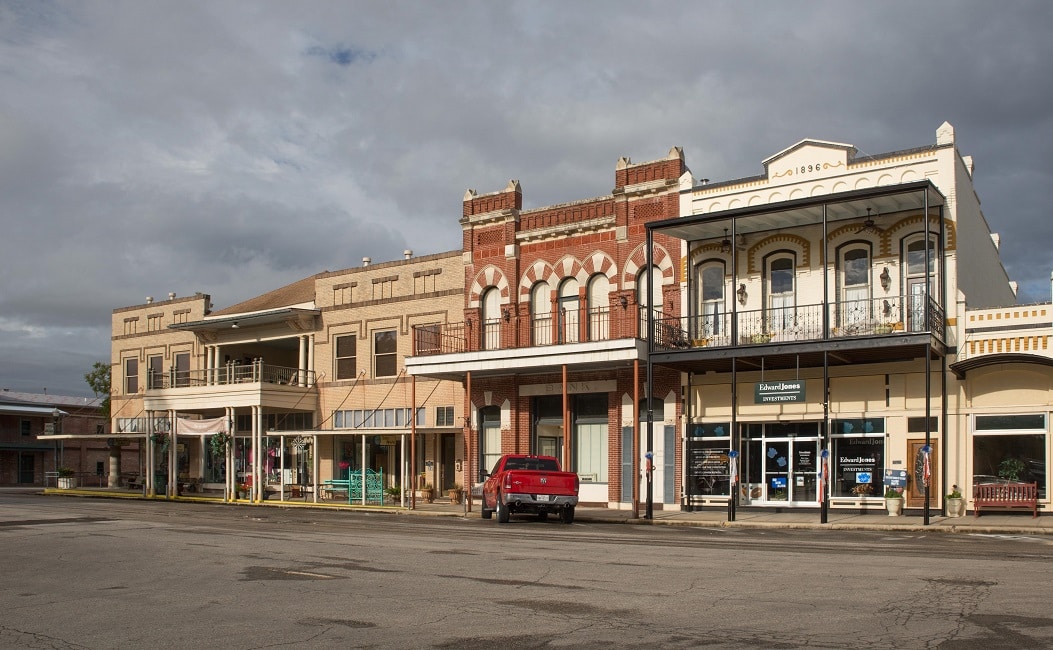
The Spanish were the first Europeans to lay claim to this region, which they called “Tejas” (a derivative of a Caddo word meaning “friend” or “ally”). Their initial presence was driven by a desire to explore, convert indigenous peoples to Christianity, and establish a buffer against French encroachment from Louisiana. This era saw the establishment of missions and presidios (forts), which often served as the nuclei for developing civilian settlements.
The Contenders: Missions and Presidios as Birthplaces
The quest for the oldest town often leads to a debate centered around the earliest Spanish colonial efforts. Several locations vie for this distinction, each with a compelling historical argument. The key is to understand what constitutes a “town” in this context – was it the mission itself, the presidio, or the civilian settlement that grew around them?
San Antonio: A Spanish Stronghold
Undoubtedly, San Antonio stands as a paramount contender. Its origins are deeply intertwined with the Spanish mission system. The most significant establishment in this regard is Mission San Antonio de Valero, famously known as the Alamo. Founded on May 1, 1718, by Father Antonio Margil de Jesús, this mission was initially located on the east bank of the San Antonio River. It was later moved to its current, more defensible location on the west bank.
While the Alamo was primarily a religious institution, its establishment was part of a broader Spanish strategy to colonize the region. The Spanish crown authorized the creation of civilian settlements, or pueblos, and military outposts, presidios, to support the missions and solidify their territorial claims.
The presidio intended to protect the missions and the surrounding territory was Presidio San Antonio de Béxar, established in 1718, very close to the mission. This military post, along with the mission, formed the earliest significant Spanish presence and laid the groundwork for what would become the city of San Antonio.
Furthermore, in 1731, twelve Canary Islander families, the once de los isleños, arrived in San Antonio and formally established Villa de San Fernando de Béxar. This act is often cited as the founding of the first civil municipality in Texas, marking a crucial step from purely military and religious outposts to a self-governing community. This event solidifies San Antonio’s claim as one of, if not the, oldest continuously inhabited settlements in Texas, with a clear lineage from Spanish colonial planning to a modern metropolis.
El Paso: A Gateway to the North
Another strong contender, with an even earlier, albeit slightly different, history, is El Paso. The history of El Paso del Norte (now both Ciudad Juárez in Mexico and El Paso in Texas) dates back to the late 16th century.
San Geronimo de los Tamalameques, a mission established in 1598 by Juan de Oñate as part of his expedition to colonize New Mexico, was located on the south bank of the Rio Grande. However, due to flooding, it was moved. The critical event for the Texas side of El Paso occurred in 1659 with the founding of Mission Nuestra Señora de la Concepción del Paso del Río del Norte. This mission served as a vital supply point and religious center for Spanish travelers and settlers heading north into New Mexico.
The area around El Paso has a continuous history of settlement dating back to indigenous peoples and was a critical crossing point for the Spanish. While the formal establishment of a recognized civil municipality might be later than some other locations, the continuous presence and administrative function of the mission and presidio establish El Paso as having one of the oldest European-rooted settlements in the broader region that now encompasses Texas. The dual nature of El Paso del Norte, spanning both sides of the Rio Grande, complicates the definition, but its historical significance as an early Spanish colonial hub is undeniable.
Other Early Settlements and Considerations
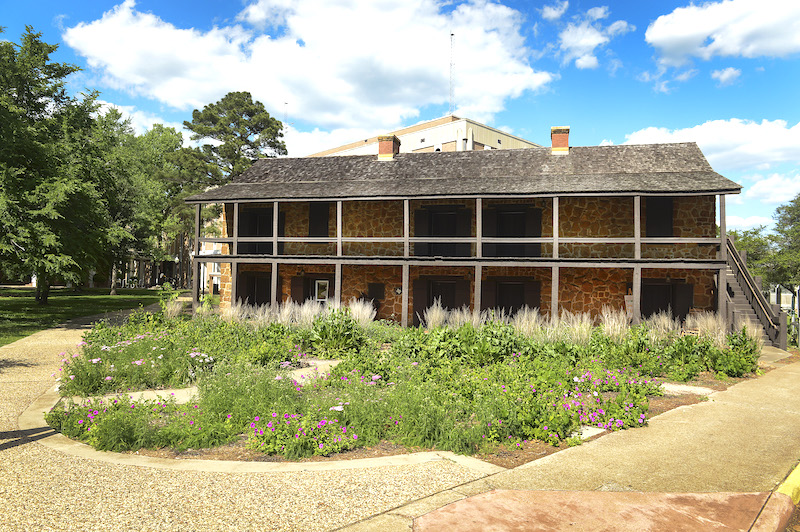
While San Antonio and El Paso are the most prominent figures in this historical discussion, other locations played roles in the early Spanish colonial landscape:
-
Nacogdoches: Founded by Antonio Gil Ybarbo in 1779, Nacogdoches is often cited as the oldest town in East Texas. While its formal founding date is later, the area has a history of human habitation dating back thousands of years, and the earliest Spanish attempts to establish a presence in the region, such as Mission Guadalupe, date back to the early 18th century. However, due to various setbacks and relocations, its continuous settlement as a recognized town is generally considered to be from the late 1770s.
-
Los Adaes: Established in 1716, Los Adaes served as the easternmost Spanish mission and presidio in Texas, intended to counter French influence from Louisiana. It was the unofficial capital of Spanish Texas for a period. However, the mission and presidio were eventually abandoned, and while the site holds immense historical importance, its continuous civil habitation as a “town” is less robust than that of San Antonio or El Paso.
Defining “Oldest”
The debate over the “oldest town” often hinges on the definition of “town.” Is it the earliest European settlement, the first civil municipality, or the place with the longest continuous habitation?
- Earliest European Presence: In this sense, the El Paso region, with its mission established in 1659, has a strong claim.
- First Civil Municipality: San Antonio, with the founding of Villa de San Fernando de Béxar in 1731 by the Canary Islanders, can be argued as the first true civil town with a municipal charter.
- Longest Continuous Habitation: Both El Paso and San Antonio can claim very long periods of continuous habitation, rooted in their early Spanish colonial origins.
For many historians and Texan enthusiasts, San Antonio is frequently recognized as the oldest town in Texas due to the combination of its early Spanish mission and presidio, and critically, the establishment of its first civil municipality in 1731. This date signifies the formal beginning of organized civilian life and governance, a hallmark of a town. The historical significance of the Alamo and the enduring legacy of the Canary Islanders further solidify its place in Texas history.
Visiting the Historic Hearts of Texas
Exploring the oldest towns in Texas offers a profound connection to the state’s foundational years. These locations are not merely historical footnotes; they are vibrant communities that continue to tell their stories through preserved architecture, museums, and cultural traditions.
San Antonio: A Living Museum
A visit to San Antonio is an immersive journey through Spanish colonial Texas. The San Antonio Missions National Historical Park, a UNESCO World Heritage Site, allows visitors to explore four of the five Spanish missions, including Mission Concepción, Mission San José, Mission San Juan, and Mission Espada. While the Alamo is separate, it is a must-see landmark. Wandering through these historic sites, one can almost hear the echoes of the past – the footsteps of missionaries, soldiers, and settlers who laid the groundwork for modern Texas.
Beyond the missions, the San Antonio River Walk offers a unique urban experience, weaving through the heart of the city with charming shops, restaurants, and cultural venues. The historic Spanish Governor’s Palace and the Market Square also provide glimpses into the city’s layered past.
El Paso: Crossroads of Cultures
El Paso presents a distinct cultural landscape, shaped by its position as a border city and a crossroads of Anglo, Hispanic, and Native American influences. The El Paso Mission Trail leads visitors to some of the region’s oldest structures, including Ysleta Mission, which traces its origins back to the 17th century and is considered the oldest continuously active parish in Texas. Mission Socorro and San Elizario Presidio Chapel are also vital historical stops.
The El Paso Museum of History and the El Paso Museum of Art offer deeper insights into the region’s rich heritage. The stunning backdrop of the Franklin Mountains provides a dramatic natural setting for exploring this ancient Texan gateway.
The Enduring Legacy of Early Texans
The story of the oldest town in Texas is not just about dates and founding events; it’s about the resilience, vision, and fortitude of those who dared to establish communities in a new and challenging frontier. Whether it was the strategic planning of Spanish colonial administrators, the devout faith of missionaries, or the pioneering spirit of early settlers, their legacy is etched into the landscape and the very soul of Texas. Understanding these origins provides a richer appreciation for the diverse and dynamic state that Texas is today.
LifeOutOfTheBox is a participant in the Amazon Services LLC Associates Program, an affiliate advertising program designed to provide a means for sites to earn advertising fees by advertising and linking to Amazon.com. Amazon, the Amazon logo, AmazonSupply, and the AmazonSupply logo are trademarks of Amazon.com, Inc. or its affiliates. As an Amazon Associate we earn affiliate commissions from qualifying purchases.