
When planning a trip to the vast and diverse state of Texas, understanding the local regulations surrounding vehicles is crucial, especially if you intend to drive your own or rent one. The question of “registration tags” often arises in discussions about vehicle ownership and legality on the road. In the context of Texas, registration tags are indeed a requirement, intrinsically linked to the state’s vehicle registration process. These tags, commonly referred to as license plates or registration stickers, serve as official proof that a vehicle has been registered with the state and is legally permitted to operate on public roadways. This process is overseen by the Texas Department of Motor Vehicles (TxDMV), ensuring that all vehicles meet state safety and emissions standards and that their owners are contributing to road maintenance and public safety funds.
Understanding Vehicle Registration in Texas
The requirement for vehicle registration in Texas is a fundamental aspect of road safety and revenue generation. Every vehicle owner, whether a resident or a visitor operating a vehicle for an extended period, must comply with these regulations. The registration process ensures that each vehicle is accounted for and that its owner is identified, which is vital for law enforcement and in the event of accidents or other incidents.
The Role of License Plates and Stickers
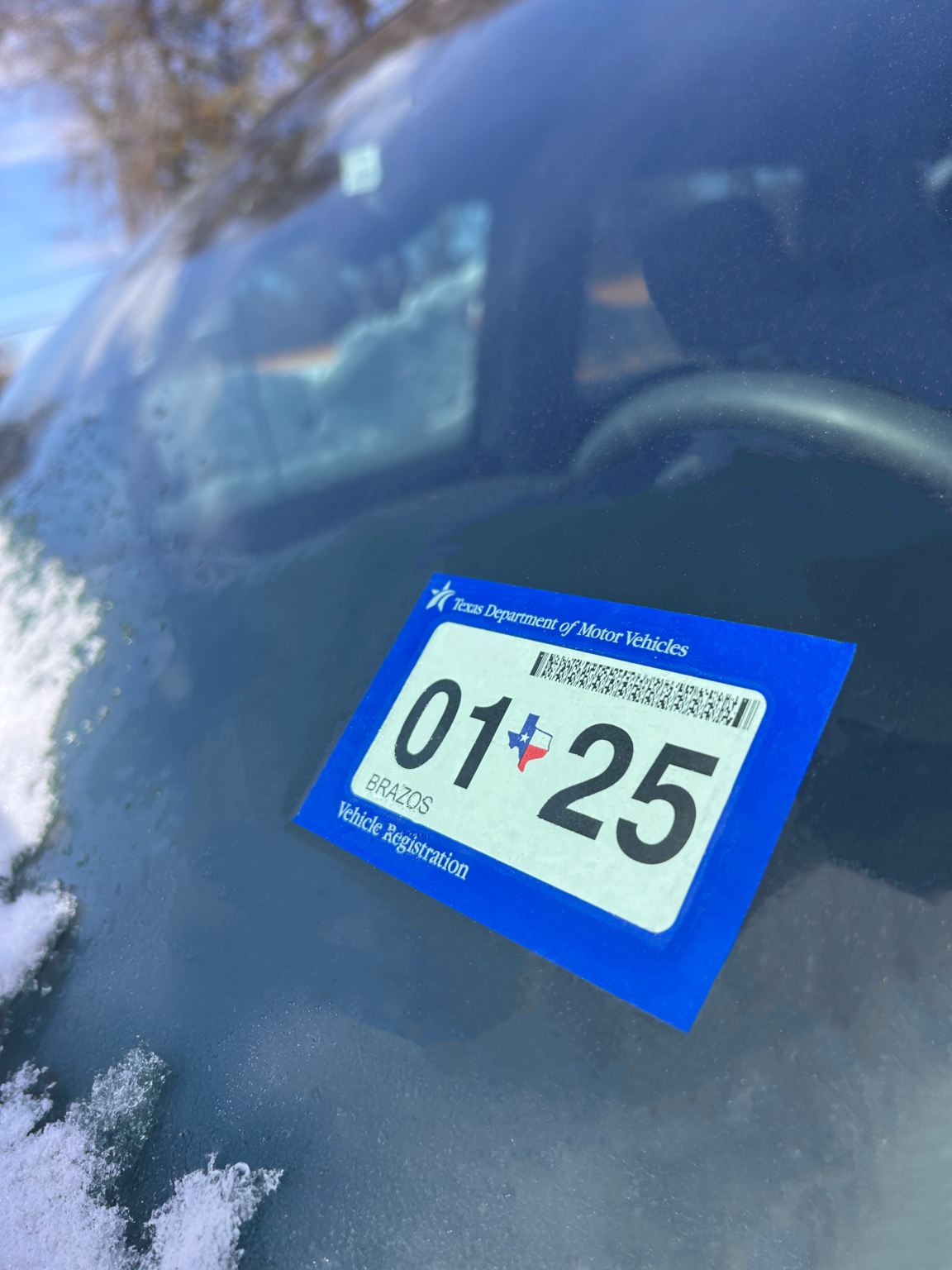
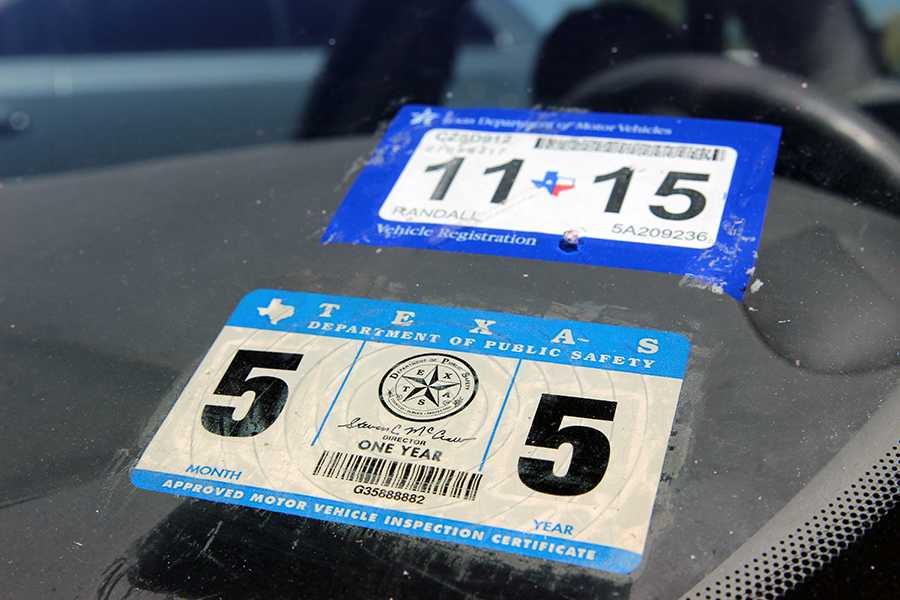
In Texas, the tangible evidence of registration is the license plate, which must be displayed on both the front and rear of the vehicle, unless otherwise specified by law for certain types of vehicles. Accompanying the license plate is an annual registration sticker, which is affixed to the license plate itself. This sticker displays the expiration month and year of the registration. It is the responsibility of the vehicle owner to ensure that these tags are current and visible at all times. Failure to do so can result in traffic citations and fines.
The Registration Renewal Process
The renewal of vehicle registration in Texas is typically an annual affair. Vehicle owners receive renewal notices by mail or email from the TxDMV prior to their registration’s expiration. The renewal process can be completed through various channels, including online via the TxDMV website, by mail, or in person at a county tax assessor-collector’s office. To renew registration, owners must provide proof of financial responsibility (i.e., auto insurance), and in many counties, proof of a passing vehicle inspection.
Vehicle Inspections: A Prerequisite for Registration
A critical component of the registration process in Texas is the vehicle inspection. For most gasoline-powered passenger vehicles and light trucks, a two-step inspection process is required: a safety inspection and, in 17 metropolitan areas with the highest vehicle emissions, an emissions test. Once a vehicle passes both required inspections, the inspection station issues a Vehicle Inspection Report (VIR). This report is essential for renewing registration, as proof of passing is submitted to the county tax assessor-collector. For certain vehicle types, such as motorcycles, trailers, and RVs, only a safety inspection may be required. Electric vehicles and certain other exemptions may apply.
Navigating Texas Roads as a Visitor
For tourists and travelers visiting Texas, understanding these registration requirements is particularly important if they plan to drive their own vehicles into the state or rent a car locally.
Driving a Vehicle Registered in Another State

Visitors driving vehicles registered in other U.S. states, or in foreign countries, are generally permitted to operate their vehicles in Texas for a limited period, typically up to 30 days, provided their current registration from their home jurisdiction is valid. However, if a visitor establishes residency in Texas, they are required to register their vehicle and obtain Texas license plates within a specified timeframe, usually 30 days of establishing residency. This involves obtaining a Texas driver’s license, registering the vehicle, and obtaining Texas insurance.
Renting a Vehicle in Texas
When renting a car in Texas, the rental company is responsible for ensuring that the vehicle is properly registered and has current license plates and stickers. Rental agreements will include the necessary documentation to prove legal operation on the road. Drivers are expected to ensure the rental car has these valid tags throughout their rental period. It is advisable to confirm with the rental agency that all necessary documentation and valid registration are in order before driving off the lot.
Special Considerations for Vehicle Types
While the general registration process applies to most passenger vehicles, Texas also has specific requirements for various other vehicle types, which may affect their registration tags.
Motorcycles and Scooters
Motorcycles and scooters in Texas are subject to registration requirements similar to other motor vehicles. They require license plates, and depending on the county and the age of the motorcycle, may require a safety inspection. Unlike many cars, they are typically exempt from emissions testing.
Recreational Vehicles (RVs) and Trailers
Recreational vehicles, including motorhomes and travel trailers, also need to be registered in Texas. The registration fees are typically based on the value of the RV or trailer. Smaller trailers, such as utility trailers and boat trailers, also require registration, often with simpler fee structures. These vehicles will receive standard license plates and registration stickers.
Commercial Vehicles
Commercial vehicles operating within Texas, such as trucks and buses, have more stringent registration and inspection requirements. These often involve specialized plates, weight-based registration fees, and more thorough safety and emissions inspections. Federal regulations may also apply to interstate commercial transport.
The Importance of Compliance
Adhering to Texas’s vehicle registration laws and ensuring that registration tags are current and properly displayed is not merely a bureaucratic formality; it is a fundamental aspect of responsible vehicle ownership and safe road use. Compliance contributes to the funding of road infrastructure, supports public safety initiatives, and ensures that all vehicles on Texas roads meet essential safety standards. For any traveler, whether a short-term visitor or a new resident, understanding and fulfilling these requirements will ensure a smoother and legally compliant journey through the Lone Star State. The system of registration tags in Texas is designed to be straightforward, with ample resources available through the TxDMV and county tax assessor-collector offices to assist vehicle owners in navigating the process.
LifeOutOfTheBox is a participant in the Amazon Services LLC Associates Program, an affiliate advertising program designed to provide a means for sites to earn advertising fees by advertising and linking to Amazon.com. Amazon, the Amazon logo, AmazonSupply, and the AmazonSupply logo are trademarks of Amazon.com, Inc. or its affiliates. As an Amazon Associate we earn affiliate commissions from qualifying purchases.