
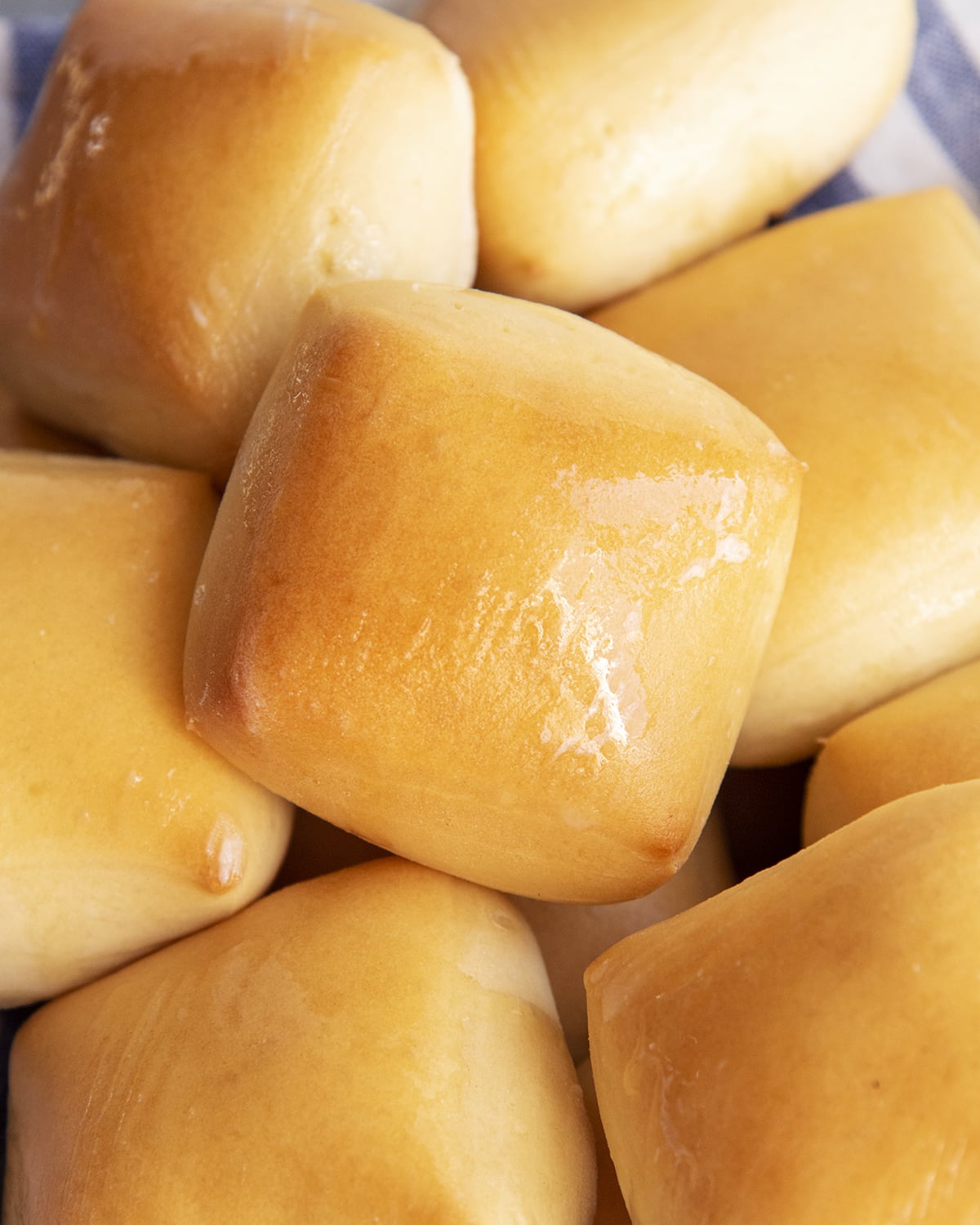
The allure of a restaurant extends far beyond its main courses and appetizers; often, it’s the small, distinctive touches that linger in our memories and fuel our cravings. For many, the warm, fluffy, slightly sweet, and perfectly buttery rolls served at Texas Roadhouse are precisely that memorable element. These aren’t just bread; they’re an experience – a soft, yielding vessel for the accompanying cinnamon honey butter, a comforting preamble to the hearty Texas-style cuisine. While the exact recipe remains a closely guarded secret, understanding the fundamental principles and common approaches to replicating these beloved rolls can bring a taste of that signature Texas Roadhouse experience right into your own kitchen.

The Foundation: Ingredients and Their Roles
Crafting these rolls is a testament to the power of simple, high-quality ingredients working in harmony. The magic lies not in exotic components, but in the careful balance and precise execution of their preparation.
Flour Power: The Base of the Dough
The primary ingredient, of course, is flour. For rolls that achieve that signature soft texture, all-purpose flour is generally the go-to. Its moderate protein content (typically around 10-12%) allows for sufficient gluten development to provide structure without becoming tough. Some home bakers experiment with a small percentage of bread flour for a slightly chewier crumb, but for the classic softness, all-purpose flour reigns supreme. The quantity of flour is crucial; too much will result in a dry, dense roll, while too little can lead to a dough that is unmanageable and produces flat results. Measuring flour accurately, preferably by weight, is key to consistent outcomes.
Sweetness and Softness: Sugar and Fat
A defining characteristic of Texas Roadhouse rolls is their subtle sweetness and exceptionally tender crumb. This is largely achieved through the judicious use of sugar and fat. Granulated sugar not only contributes sweetness but also feeds the yeast, promoting a robust rise. It also helps to tenderize the dough by interfering with gluten development.
Fat, in the form of softened butter or vegetable shortening, is another critical component for achieving that desirable softness and richness. Butter contributes a distinct, pleasant flavor, while shortening can yield an even more tender texture. Many recipes opt for a combination to capture both benefits. The fat coats the flour particles, inhibiting excessive gluten formation and ensuring the final roll is light and airy rather than chewy or tough.
The Leavening Agent: Yeast’s Promise of Fluffiness
Active dry yeast or instant yeast is essential for the characteristic rise and airy texture of these rolls. Yeast converts sugars into carbon dioxide gas and alcohol, causing the dough to expand and creating the characteristic holes within the bread structure. Proper activation of active dry yeast in warm liquid (around 105-115°F or 40-46°C) is crucial to ensure it’s alive and ready to work its magic. Instant yeast can often be added directly to the dry ingredients, simplifying the process. The amount of yeast used will influence the rise time and flavor development; too much can lead to an overly yeasty taste and rapid, uncontrolled rising, while too little will result in a slow, poor rise.
The Liquid Element: Milk’s Creamy Contribution
While water can be used, milk is a common ingredient in recipes aiming for enriched, tender rolls. Milk contributes not only moisture but also fat and milk solids, which add richness, enhance browning, and contribute to a softer crumb. Using whole milk is often preferred for its higher fat content. The temperature of the liquid is important for yeast activation and should be lukewarm, not hot, to avoid killing the yeast.
A Touch of Salt: Flavor and Dough Control
Salt plays a dual role in bread making. Flavor is its most obvious contribution, balancing the sweetness and enhancing the overall taste profile of the roll. Less visibly, salt also tightens the gluten structure, controlling the rate of fermentation and preventing the dough from rising too quickly or becoming overly sticky.
The Process: From Dough to Delight
The journey from a collection of raw ingredients to a basket of warm Texas Roadhouse rolls involves several key stages, each contributing to the final texture and flavor.
Mixing and Kneading: Developing the Gluten Network
The initial stage involves combining the ingredients. Dry ingredients are typically whisked together, while wet ingredients are warmed and combined. The liquid is then gradually added to the dry ingredients to form a shaggy dough.
Kneading is arguably the most critical step in developing the gluten network. This process aligns and stretches the gluten proteins, creating a strong, elastic dough capable of trapping the gases produced by the yeast. Whether kneading by hand or using a stand mixer with a dough hook, the goal is to knead until the dough is smooth, elastic, and no longer excessively sticky. A windowpane test is a good indicator of proper gluten development: a small piece of dough should be able to be stretched thin enough to see light through it without tearing.
First Rise: The Patience of Fermentation
Once kneaded, the dough is placed in a lightly greased bowl, covered, and left to rise in a warm place. This first rise, or bulk fermentation, is where the yeast gets to work, producing carbon dioxide and alcohol, which causes the dough to double in size. The duration of this rise can vary depending on the ambient temperature and the amount of yeast used, but it typically takes anywhere from one to two hours. A warm environment, such as a slightly preheated oven (turned off), can accelerate this process.
Shaping and Proofing: Preparing for the Oven
After the first rise, the dough is gently deflated to release some of the trapped gases. It is then divided into equal portions and shaped into individual rolls. For the characteristic soft, slightly irregular shape of Texas Roadhouse rolls, a simple rounding of the dough into balls is sufficient. These shaped rolls are then placed on a baking sheet, typically lined with parchment paper, leaving some space between them to allow for their final expansion.
The shaped rolls are then covered and allowed to proof, or undergo their second rise. This proofing stage allows the dough to relax and rise again, becoming puffy and light. It’s crucial not to over-proof, as this can lead to a collapsed texture during baking. The rolls are ready when they have visibly increased in size and appear airy.
Baking to Golden Perfection
The final stage is baking. The oven temperature is typically set to a moderate heat, often around 375-400°F (190-200°C). Baking time will vary depending on the size of the rolls and the oven, but it generally ranges from 12 to 18 minutes. The rolls are done when they are beautifully golden brown on top and the bottoms are also lightly browned. A gentle tap on the bottom of a roll should produce a hollow sound, indicating that the interior is cooked through.
The Signature Finish: Cinnamon Honey Butter
No discussion of Texas Roadhouse rolls would be complete without mentioning the legendary cinnamon honey butter that accompanies them. This sweet, creamy spread is the perfect foil to the warm, slightly savory rolls.

Crafting the Unforgettable Spread
The creation of this beloved butter is surprisingly straightforward, though the exact ratios may be part of the restaurant’s proprietary magic. The core ingredients are:
- Butter: Softened, unsalted butter forms the base.
- Honey: Provides sweetness and a distinct floral note.
- Cinnamon: Adds warmth and that characteristic spice.
- Powdered Sugar (optional): Some recipes incorporate a touch of powdered sugar to enhance the sweetness and achieve a smoother, creamier consistency.
The butter is creamed until light and fluffy. Then, the honey, cinnamon, and powdered sugar (if using) are gradually incorporated until fully blended. The resulting mixture is often chilled slightly before serving, allowing it to firm up to a spreadable consistency. The contrast between the warm, pillowy roll and the cool, sweet, spiced butter is a sensory delight that has cemented its place in the hearts of many diners.
Recreating these rolls at home is a rewarding endeavor, offering a delicious connection to a popular dining experience. While the precise nuances of the original recipe may remain elusive, by understanding the principles of baking and employing quality ingredients, you can capture the essence of those iconic Texas Roadhouse rolls and bring a little bit of that comfort and flavor into your own home.
LifeOutOfTheBox is a participant in the Amazon Services LLC Associates Program, an affiliate advertising program designed to provide a means for sites to earn advertising fees by advertising and linking to Amazon.com. Amazon, the Amazon logo, AmazonSupply, and the AmazonSupply logo are trademarks of Amazon.com, Inc. or its affiliates. As an Amazon Associate we earn affiliate commissions from qualifying purchases.