
Becoming a game warden in Texas is a challenging yet immensely rewarding career path for those passionate about wildlife conservation, public safety, and the great outdoors. Game wardens, officially known as Texas Parks and Wildlife Department (TPWD) game wardens, are law enforcement officers with the unique responsibility of protecting the state’s natural resources and ensuring fair play for hunters and anglers. This role demands a blend of investigative skills, ecological knowledge, and a commitment to public service. If you’re drawn to a life of purpose, patrolling the diverse landscapes of Texas, from the piney woods to the vast deserts, this guide will illuminate the steps to achieving that goal.

The Role and Responsibilities of a Texas Game Warden
A Texas game warden is more than just a law enforcement officer; they are stewards of the natural world. Their duties are multifaceted, encompassing enforcement, education, and conservation efforts. Understanding the full scope of this profession is the first step in determining if it aligns with your aspirations.
Law Enforcement and Resource Protection
The primary function of a game warden is to enforce state and federal laws pertaining to wildlife, fisheries, and parks. This involves investigating violations such as illegal hunting and fishing, poaching, exceeding bag limits, and the illegal sale of wildlife. They also enforce laws related to boating safety, hunting without a license, and the proper use of state parks. Game wardens possess full law enforcement authority, including the power to arrest, issue citations, and carry firearms. They often work in plainclothes or uniforms, depending on the situation, and can be found patrolling remote areas, waterways, and public lands.
Public Education and Outreach
Beyond enforcement, game wardens play a crucial role in educating the public about wildlife management, conservation practices, and outdoor ethics. They conduct hunter education courses, participate in community events, and work with landowners to promote sustainable land use. This educational aspect is vital for fostering a culture of respect for Texas’s natural heritage and for building positive relationships between the public and the Texas Parks and Wildlife Department. By engaging with the community, wardens help to prevent violations and encourage responsible outdoor recreation.
Wildlife and Habitat Management Support
Game wardens often assist biologists and other TPWD staff in various wildlife and habitat management projects. This can include collecting data on wildlife populations, assisting with animal tagging and relocation, and monitoring the health of ecosystems. Their boots-on-the-ground knowledge of local conditions and wildlife behavior is invaluable to the department’s overall conservation mission. They are often the first responders to wildlife-related issues, such as nuisance animals or injured wildlife, and work to resolve these situations safely and effectively.
Eligibility Requirements for Aspiring Game Wardens
The path to becoming a game warden in Texas is rigorous, with specific academic, physical, and character qualifications that must be met. These requirements ensure that only the most capable and dedicated individuals are selected for this demanding role.
Educational Background
Candidates for the Texas game warden position typically need to possess a bachelor’s degree from an accredited college or university. While a degree in wildlife management, law enforcement, criminal justice, biology, or a related field is often preferred, other degrees may be considered depending on the specific needs of the department and the candidate’s overall qualifications. The TPWD may also consider candidates with a certain amount of college credit hours combined with relevant experience. A strong academic record demonstrates a commitment to learning and the ability to grasp complex information, which is crucial for understanding wildlife laws and ecological principles.
Age and Citizenship
Applicants must meet minimum age requirements, typically being at least 21 years old to be commissioned as a game warden. They must also be a United States citizen and a legal resident of Texas. These criteria are standard for most law enforcement positions and ensure that candidates are legally eligible to hold a commissioned peace officer status within the state.
Physical and Psychological Fitness
The job of a game warden is physically demanding. Candidates must be in excellent physical condition to handle the rigors of patrolling rugged terrain, working in various weather conditions, and potentially engaging in physically demanding situations. They will undergo a comprehensive physical fitness test (PFT) as part of the hiring process. In addition to physical fitness, candidates must also pass a thorough psychological evaluation to ensure they possess the mental fortitude, stability, and decision-making skills required for the stressful and often solitary nature of the work.
Driving Record and Criminal History

A clean driving record is essential, as game wardens frequently operate vehicles, often in remote areas and at high speeds. Any significant traffic violations or a history of reckless driving can be grounds for disqualification. Similarly, a clean criminal history is paramount. Applicants with felony convictions, certain misdemeanor convictions, or a history of domestic violence will not be considered. The TPWD conducts extensive background checks, and honesty and integrity are non-negotiable qualities for anyone seeking to become a game warden.
The Application and Training Process
Securing a position as a Texas game warden involves a multi-stage application and rigorous training program designed to prepare candidates for the unique challenges of the role.
The Application and Selection Stages
The application process typically begins with an online application submitted through the Texas Parks and Wildlife Department careers portal. Candidates who meet the initial qualifications will be invited to participate in subsequent stages, which may include a written examination, oral interviews, and a background investigation. The selection process is highly competitive, and only the most qualified applicants will advance. It’s crucial to be thorough and honest in your application and during all stages of the selection process.
The Law Enforcement Academy
Upon selection, candidates will attend a TPWD-sanctioned law enforcement academy. This intensive training program covers all aspects of law enforcement, including criminal law, criminal procedure, firearms proficiency, defensive tactics, and emergency vehicle operations. The academy is designed to equip recruits with the necessary skills to function effectively as peace officers.
Specialized Game Warden Training
Following the basic law enforcement academy, game warden cadets will then undergo specialized training at the Texas Game Warden Training Center. This specialized curriculum focuses on topics critical to game warden duties, such as wildlife identification, conservation laws, investigative techniques, habitat assessment, and public outreach. Trainees will learn about the specific ecological zones and wildlife of Texas, as well as the unique challenges of enforcing regulations in diverse environments. This phase of training emphasizes practical application through field exercises and simulations.
Field Training and Mentorship
After successfully completing the academy, new game wardens are typically assigned to a Field Training Officer (FTO). This period of on-the-job training is crucial for applying classroom knowledge to real-world scenarios. The FTO will guide and evaluate the new warden, providing mentorship and ensuring they develop the practical skills and judgment needed to perform their duties independently. This mentorship phase allows new wardens to gain experience in patrol, investigations, public interaction, and agency procedures under the supervision of seasoned professionals.
Life as a Texas Game Warden
The career of a game warden offers a unique lifestyle characterized by autonomy, a deep connection to nature, and the satisfaction of contributing to the preservation of Texas’s natural heritage.
A Day in the Life
The daily routine of a game warden can vary dramatically depending on their assigned patrol area and the season. Wardens often work irregular hours, including nights, weekends, and holidays, to effectively patrol during peak hunting and fishing seasons or to respond to calls. Their duties might include patrolling state parks or wildlife management areas, conducting boat patrols on lakes and rivers, investigating alleged violations, checking hunting and fishing licenses, and responding to public inquiries or emergencies. The job often requires working alone in remote locations, demanding self-reliance and strong decision-making skills.
The Rewards and Challenges
The rewards of being a game warden are numerous. There is the profound satisfaction of protecting wildlife and their habitats, ensuring that future generations can enjoy the natural beauty of Texas. The autonomy and ability to work independently in the great outdoors are significant draws for many. However, the challenges are also substantial. Game wardens face potentially dangerous situations, work in all types of weather, and often deal with individuals who are violating laws, which can lead to conflict. The unpredictable nature of the job and the demand for constant vigilance require a strong sense of dedication and resilience.
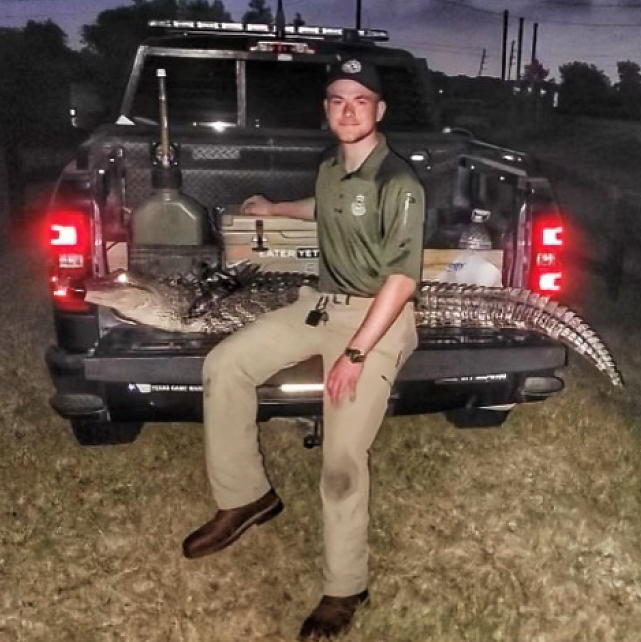
Career Advancement and Specialization
Within the Texas Parks and Wildlife Department, there are opportunities for career advancement and specialization. Experienced game wardens may have the chance to move into supervisory roles, become specialized investigators, or focus on specific areas such as boating safety, conservation education, or wildlife forensics. Opportunities may also arise to serve on special task forces or to contribute to statewide conservation initiatives. Continuous professional development and ongoing training are essential for staying current with best practices and evolving conservation challenges.
LifeOutOfTheBox is a participant in the Amazon Services LLC Associates Program, an affiliate advertising program designed to provide a means for sites to earn advertising fees by advertising and linking to Amazon.com. Amazon, the Amazon logo, AmazonSupply, and the AmazonSupply logo are trademarks of Amazon.com, Inc. or its affiliates. As an Amazon Associate we earn affiliate commissions from qualifying purchases.