
Understanding the optimal timing for planting tomatoes in California is more than just a gardening tip; it’s an immersive lesson in the state’s diverse geography, climate, and agricultural rhythm. For anyone interested in California’s local culture, food scene, and engaging activities, appreciating this seasonal cycle offers a deeper connection to the land and its bountiful produce. California’s vast expanse encompasses numerous microclimates, from cool coastal zones to scorching inland deserts and fertile valleys, each dictating a unique planting calendar for its most beloved summer fruit. Navigating this complexity allows both local enthusiasts and visitors to better understand where their food comes from and how local conditions shape culinary traditions.
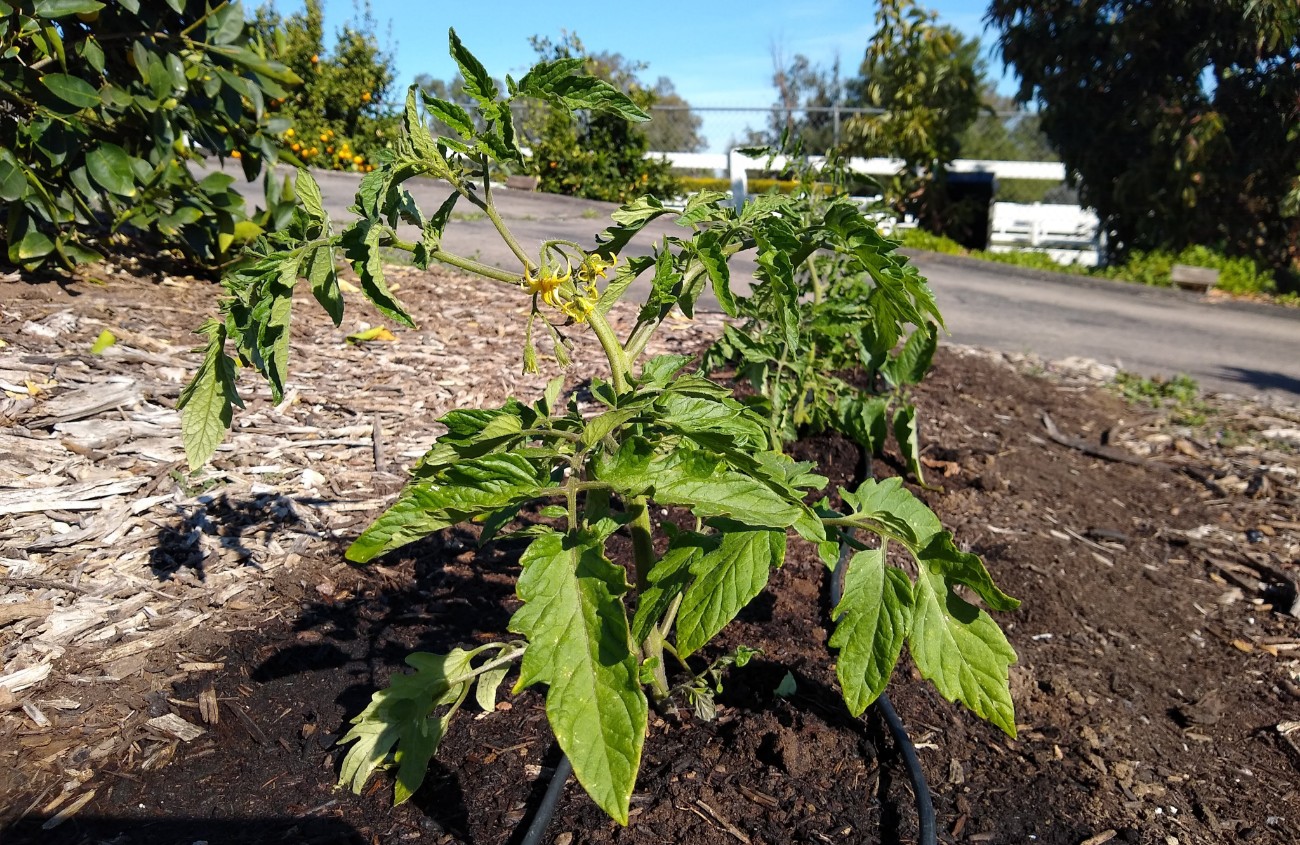
Understanding California’s Climatic Tapestry for Tomato Cultivation
California’s remarkable topographical diversity creates a mosaic of growing conditions, making a single “best time” for planting tomatoes impossible to pinpoint. This diversity is a fundamental aspect of the state’s local culture, influencing everything from regional agriculture to culinary specialities and outdoor activities. The key factors influencing tomato planting — and indeed, most local farming practices — are soil temperature, air temperature, and the risk of late frosts. Tomatoes thrive in warmth; their seeds germinate best when soil temperatures consistently reach 60°F (15°C) or higher, and young plants require air temperatures above 50°F (10°C) without the threat of frost.
The state can be broadly divided into several climatic zones, each with its own rhythm for agriculture. The cool, humid air along the coast contrasts sharply with the hot, dry interior of the Central Valley and the extreme temperatures of the desert regions. Even within these broad categories, localized conditions can vary significantly due to elevation, proximity to bodies of water, and urban heat islands. For those keen on exploring California’s food culture, recognizing these regional differences is crucial. It explains why certain produce peaks at different times across the state and why local farmers’ markets offer such a varied bounty throughout the year. Engaging with this agricultural calendar is an activity that deepens appreciation for California’s commitment to fresh, locally sourced food.
Regional Planting Guides: Navigating California’s Microclimates
To truly understand when to plant tomatoes in California, one must delve into its specific regions. Each zone presents distinct challenges and opportunities, offering a unique window into local agricultural practices and food availability.
Northern California and Coastal Influence
In Northern California, particularly along the immediate coast from San Francisco northwards, the marine layer and cool summer temperatures can make tomato growing more challenging. Coastal areas like San Francisco and Bodega Bay experience prolonged cool springs and often foggy summers. Here, the planting window tends to be later and shorter. Gardeners and local farms typically wait until late April or even May, ensuring soil temperatures have adequately warmed and the risk of the last frost has passed. Even then, choosing heat-tolerant or early-maturing varieties is a common local practice. The season for ripe tomatoes might extend from late July through September. Further inland, away from the immediate coastal influence but still in Northern California (e.g., Napa Valley or Sonoma County), conditions are warmer, allowing for planting from early April to mid-May, with harvests typically from July to October. Understanding these nuances helps visitors appreciate the unique produce found at local markets and the resilience of agricultural traditions in these cooler zones.
Central Valley’s Agricultural Heartbeat
The Central Valley, a vast and fertile agricultural powerhouse stretching from Redding in the north to Bakersfield in the south, experiences hot, dry summers and mild winters. This region is ideal for growing tomatoes and is often referred to as California’s breadbasket. Here, the primary planting window for tomatoes typically opens in March and extends through April. The consistent warmth and abundant sunshine mean plants establish quickly and thrive. Many commercial operations and home gardeners in areas like Sacramento, Fresno, and Modesto aim for early spring planting to maximize the long growing season, often harvesting from June well into October, sometimes even November if conditions remain favorable. The rich agricultural heritage of the Central Valley is a cornerstone of California’s food culture, and the timing of tomato planting is a key event in its annual calendar of activities.
Southern California’s Extended Seasons
Southern California benefits from a generally milder climate, allowing for a more extended planting season and, in some sheltered locations, even year-round cultivation. Areas like Los Angeles, San Diego, and the Orange County coast can typically begin planting tomatoes in late February or early March, continuing through April. The mild winters mean the threat of frost subsides earlier than in other parts of the state. Many choose to plant in early spring for a summer harvest, but a second planting in late summer (August-September) is also possible for a fall/early winter crop, especially in frost-free zones. This extended season contributes significantly to Southern California’s diverse food landscape, ensuring fresh, local tomatoes are available for a longer duration, enriching the local culinary scene and offering more opportunities for food-related activities.
High Deserts and Mountain Valleys
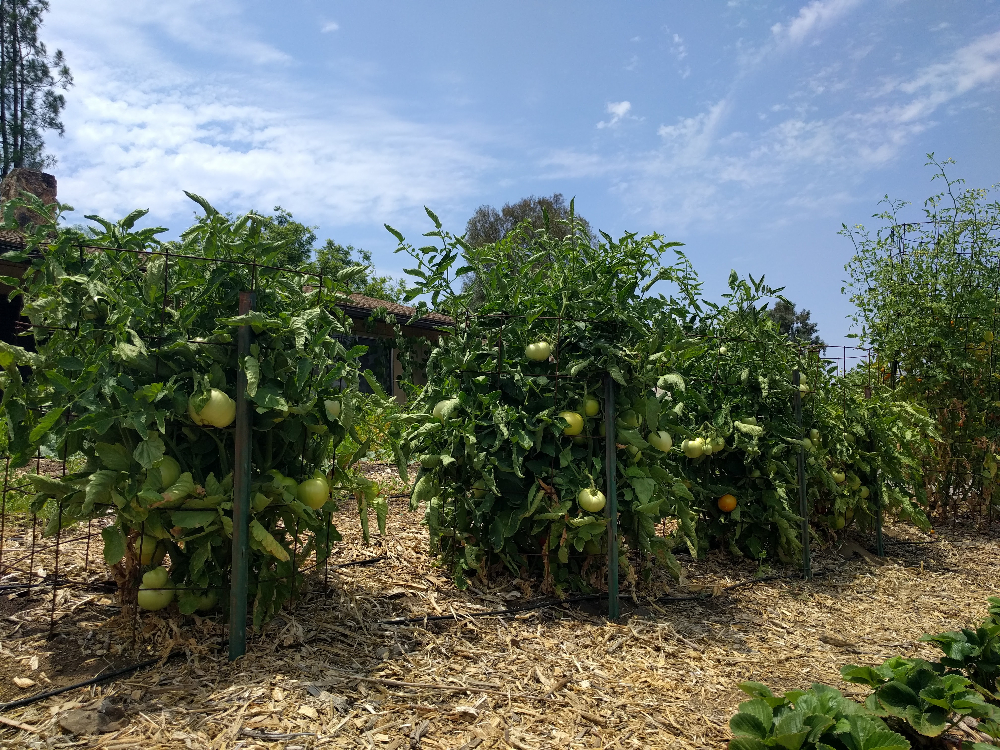
Regions such as the Mojave Desert, Palm Springs, or higher elevation mountain valleys (Lake Tahoe area, Mammoth Lakes) present unique challenges. The desert experiences extreme heat during summer, which can stress tomato plants, while mountain valleys have shorter growing seasons and later frost dates. In the deserts, early planting (February-March) is crucial to allow plants to establish and set fruit before the intense summer heat arrives in June, which can cause blossom drop. A fall planting (August-September) is also common for a late-season harvest. Mountain valleys, conversely, often delay planting until late May or early June, once all danger of frost has passed, and then must contend with an earlier end to the growing season, typically harvesting by September. These regions showcase the adaptability and ingenuity of local growers, making them interesting points of study for those exploring California’s diverse agricultural activities.
Beyond the Date: Cultivating Local Food Experiences
Understanding when to plant tomatoes in California is not merely a horticultural exercise; it’s an invitation to engage with the state’s vibrant local food culture and agricultural activities. The timing directly impacts when you can find the freshest, most flavorful tomatoes at local farmers’ markets, farm stands, and on the menus of farm-to-table restaurants.
Visiting a farmers’ market during peak tomato season — typically July through September across most of the state — is an essential California experience. Here, you’ll encounter a stunning array of heirloom varieties, often with captivating names like ‘Cherokee Purple’, ‘Brandywine’, or ‘Green Zebra’, each offering a distinct flavor profile. This is where the local culture truly comes alive, as farmers share their knowledge, and communities gather to celebrate seasonal bounty. Engaging in a U-pick farm experience, particularly in the Central Valley or smaller agricultural communities, offers a hands-on activity that connects consumers directly to the source of their food, fostering a deeper appreciation for the labor and land involved in producing California’s famous produce.
Chefs across California eagerly anticipate tomato season, integrating peak-flavor tomatoes into exquisite dishes. From simple caprese salads and bruschetta to complex sauces and roasted preparations, the presence of fresh, local tomatoes elevates the dining experience. Exploring local restaurants during these months provides a culinary journey that reflects the seasonality and regional character of California’s food identity. This connection between planting cycles and plate offerings highlights the integral role agriculture plays in the state’s tourism landscape.
Tips for the Aspiring California Gardener (or Food Enthusiast)
For those looking to engage deeper, whether as a casual visitor or a prospective long-term resident keen on experiencing California’s local food systems, a few key tips related to tomato cultivation can enhance your understanding and enjoyment.
Firstly, know your microclimate. Before planting, or even planning a trip around agricultural themes, research the specific conditions of your target area. Online resources and local university extension offices (like the University of California Cooperative Extension) provide invaluable localized planting calendars and advice. This is a practical tip for anyone wanting to fully immerse themselves in local agricultural activities.
Secondly, select appropriate varieties. For cooler coastal climates, look for ‘early’ or ‘cold-tolerant’ varieties like ‘Stupice’ or ‘Early Girl’. In hot inland areas, choose heat-set varieties or those known for good production in high temperatures. For an extended season in Southern California, determinate varieties might be preferred for a concentrated harvest, while indeterminate types offer a longer yield. This awareness informs choices at seed stores or even when discussing produce with local farmers.
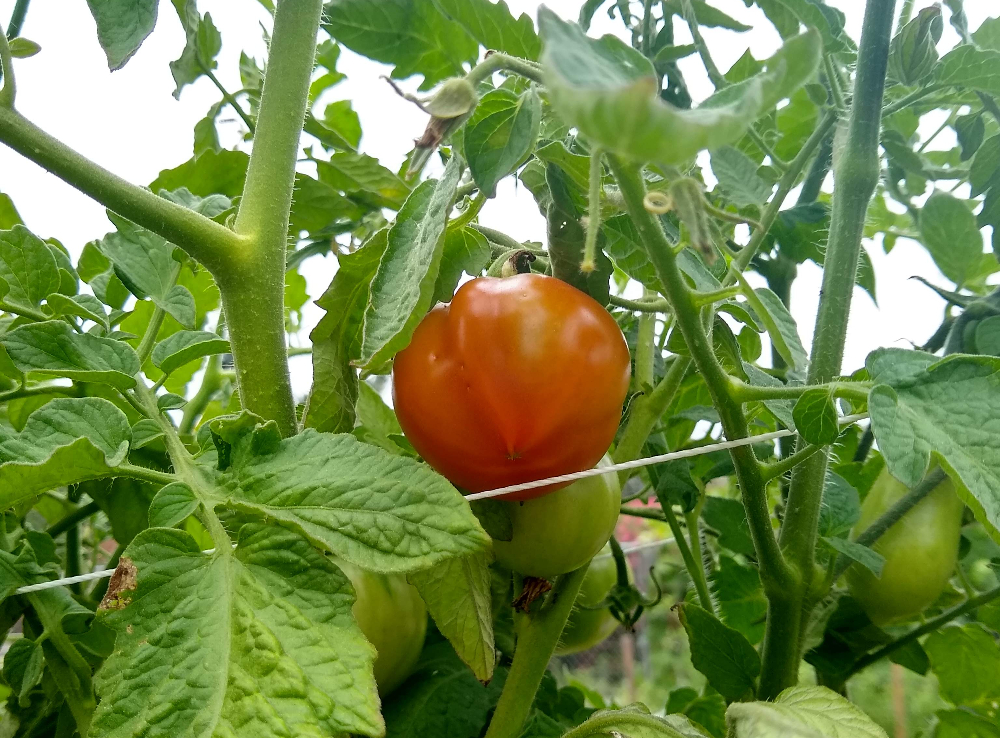
Thirdly, pay attention to soil health and sunlight. Tomatoes are heavy feeders and require well-draining, nutrient-rich soil. Most importantly, they demand full sun — at least 6-8 hours daily. In particularly hot inland areas, providing some afternoon shade can prevent sunscald. These factors are universal but critically important for success in California’s varied conditions, and understanding them provides insight into the challenges and triumphs of local farming.
Finally, water consistently. Irregular watering can lead to problems like blossom end rot. In California’s often dry climate, especially during summer, consistent irrigation is paramount. This highlights the importance of water management in the state’s agriculture, a critical topic in local environmental and food discussions.
By embracing these insights into “When To Plant Tomatoes In California,” visitors and residents alike can unlock a richer understanding of the state’s local culture, its incredible food production, and the engaging activities that revolve around its vibrant agricultural heritage. It’s an approach to tourism that digs deeper, connecting people not just to places, but to the very essence of how life thrives here.
LifeOutOfTheBox is a participant in the Amazon Services LLC Associates Program, an affiliate advertising program designed to provide a means for sites to earn advertising fees by advertising and linking to Amazon.com. Amazon, the Amazon logo, AmazonSupply, and the AmazonSupply logo are trademarks of Amazon.com, Inc. or its affiliates. As an Amazon Associate we earn affiliate commissions from qualifying purchases.