
Navigating the legal landscape of any state can be a complex undertaking, and understanding the nuances of warrant checks in Texas is crucial for residents and visitors alike. Whether you are planning a trip to Dallas, exploring the vibrant culture of Austin, or simply residing within its borders, knowing how to ascertain if a warrant exists for your name is a matter of public safety and personal preparedness. This guide aims to demystify the process, offering clear, actionable steps for individuals seeking to conduct a warrant search in the Lone Star State, focusing on legitimate and accessible methods.
Understanding Warrants in Texas
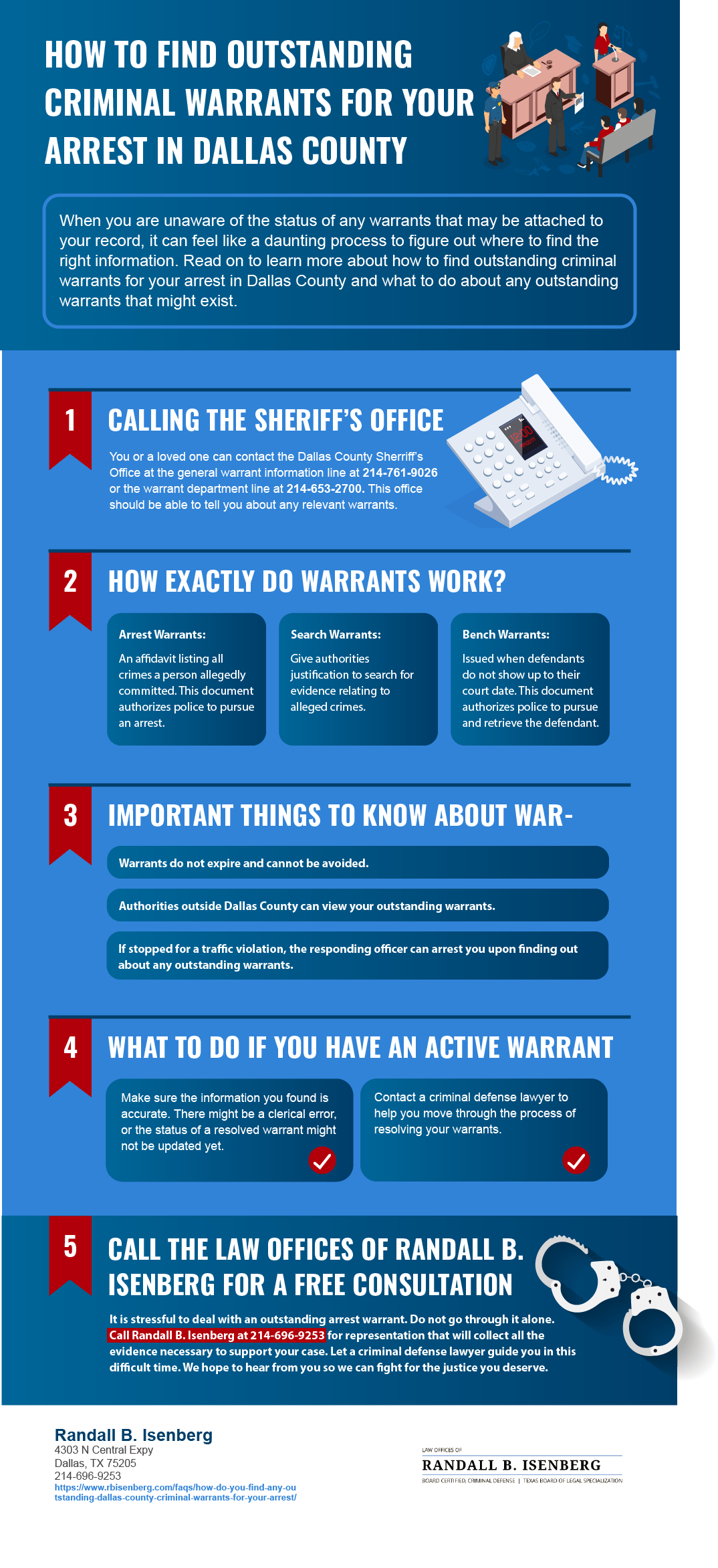
Before delving into the mechanics of a warrant check, it’s important to grasp what a warrant signifies. In Texas, a warrant is a legal document issued by a judge or magistrate that authorizes law enforcement officers to take specific actions, most commonly to arrest an individual. Warrants are typically issued when there is probable cause to believe that a crime has been committed and that the person named in the warrant is the one who committed it. There are two primary types of warrants: arrest warrants and search warrants. This article primarily focuses on arrest warrants, as these are the ones that would impact an individual’s freedom and ability to travel or participate in everyday activities.
Types of Warrants and Their Implications
Arrest Warrants: These are the most common type of warrant that individuals might be concerned about. An arrest warrant grants law enforcement the authority to detain a person and bring them before the court. They can be issued for a variety of offenses, ranging from minor misdemeanors to serious felonies. If you have an active arrest warrant in Texas, it means that any interaction with law enforcement, even a routine traffic stop, could lead to your apprehension.
Search Warrants: While not directly related to an individual’s arrest status, search warrants authorize law enforcement to search a specific location for evidence of a crime. Understanding this distinction is important, as a search warrant does not imply an arrest warrant for the property owner, but rather for the items or evidence being sought.
The Legal Basis for Warrants
In Texas, the issuance of warrants is governed by the Texas Code of Criminal Procedure. Judges and magistrates are empowered to sign warrants only after reviewing sworn testimony or affidavits that establish probable cause. This ensures that warrants are not issued arbitrarily and are based on reasonable suspicion or evidence of criminal activity.
Methods for Checking for Warrants in Texas
Fortunately, the state of Texas provides several avenues for individuals to check for outstanding warrants. These methods range from online searches to in-person inquiries, each offering a different level of accessibility and detail. It is important to approach these searches with a clear understanding of their limitations and to prioritize official channels.
Online Warrant Databases
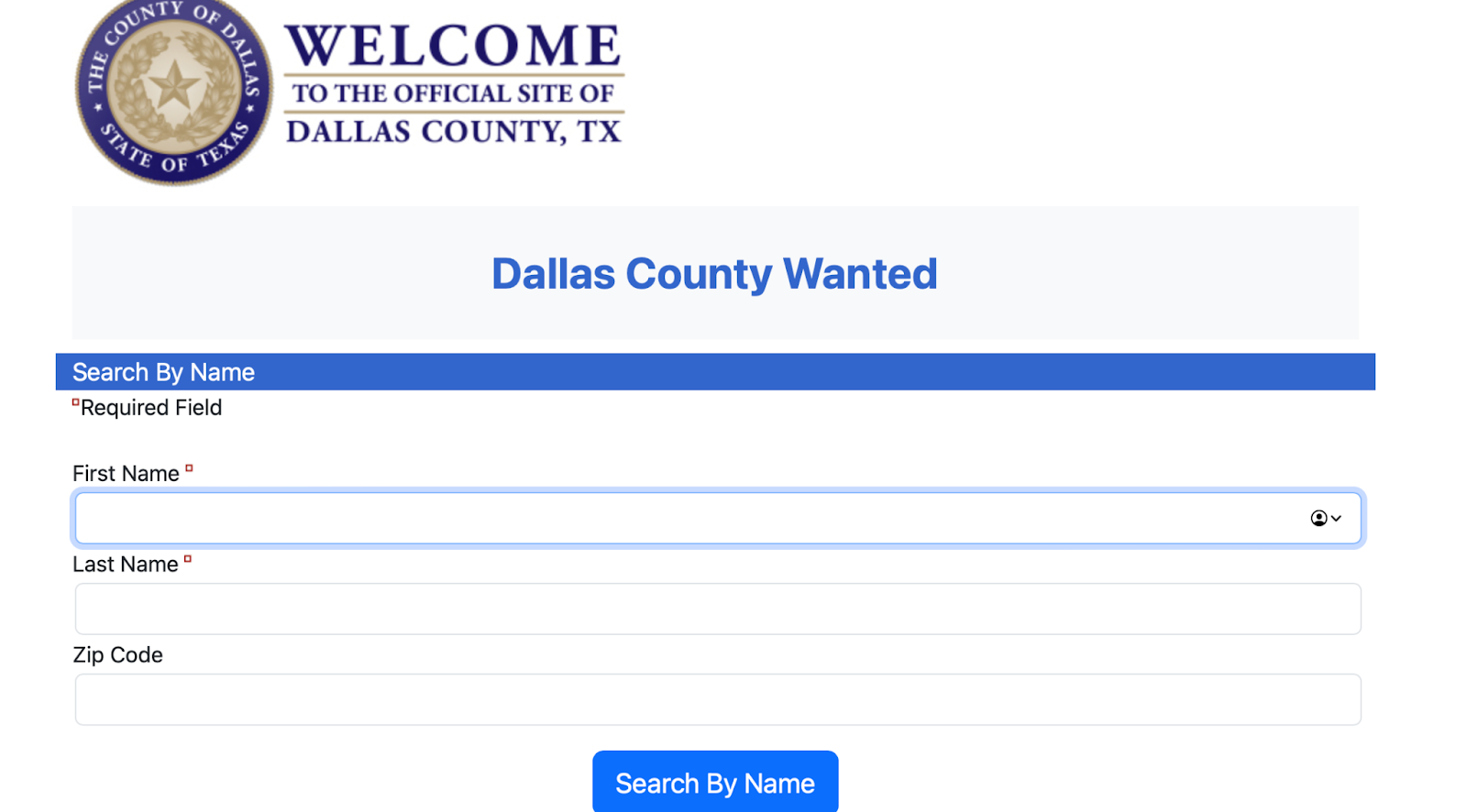
Many counties in Texas offer online databases that allow the public to search for active warrants. These databases are maintained by local sheriff’s offices or police departments.
County Sheriff’s Office Websites
The most direct and often most accurate method is to visit the official website of the county sheriff’s office where you believe a warrant might exist. Most sheriff’s departments have a dedicated section for warrant searches. You will typically need to enter your full name and date of birth.
- Example: If you suspect a warrant in Harris County, you would navigate to the Harris County Sheriff’s Office website and look for their “Warrant Search” or “Most Wanted” section. Similarly, for Travis County, you would visit the Travis County Sheriff’s Office online portal.
Municipal Police Department Websites
In some cases, particularly for municipal warrants or citations that may have escalated, the local police department’s website might also provide warrant information. This is more common in larger cities like Houston or San Antonio.
- Consideration: The availability and comprehensiveness of online databases can vary significantly from county to county. Some may offer real-time updates, while others might be less frequently updated.
In-Person Inquiries
For a more definitive answer, or if online resources are unavailable or unclear, an in-person inquiry is a reliable option. This involves visiting the relevant law enforcement agency directly.
Visiting the Sheriff’s Office or Police Department
You can go to the sheriff’s office or police department in the county or city where you reside or where you suspect an arrest warrant may have been issued. It is advisable to go during business hours. You will likely need to provide identification to request a warrant check.
- Process: Approach the front desk or the records division and state your request. Be prepared to provide your full legal name and date of birth. Law enforcement officers can then check their systems for any outstanding warrants.
- Important Note: If you are at a law enforcement facility and it is discovered that you have an active warrant, you may be subject to immediate arrest. It is therefore recommended to only do this if you are reasonably certain of your warrant status or are prepared for this possibility.
Contacting the Local Justice Court Clerk
The clerk of the court for the relevant justice of the peace or district court can also assist in warrant checks. They maintain court records, which include information on outstanding warrants.
- Procedure: Call or visit the clerk’s office for the specific court. They will typically require your name and date of birth to perform a search. This method can be particularly useful for checking on older cases or specific court-related matters.
Utilizing Legal Counsel

For individuals who are highly concerned about their warrant status, or if a warrant is confirmed, consulting with an attorney is strongly recommended.
Legal Representation for Warrant Checks
An experienced Texas criminal defense attorney can conduct a thorough warrant check on your behalf. They have the expertise and resources to access legal databases and understand the implications of any findings.
- Benefits: An attorney can not only confirm the existence of a warrant but also advise on the best course of action to resolve it. This might involve arranging for a voluntary surrender, negotiating with prosecutors, or filing motions to quash the warrant. This is often the safest approach if you suspect an active warrant, as it allows you to proactively manage the situation and potentially avoid an unexpected arrest.
What to Do if a Warrant is Found
Discovering an active warrant can be stressful, but understanding your options is the first step toward resolution.
Addressing an Active Arrest Warrant
If your warrant search reveals an active arrest warrant, it is crucial to address it promptly to avoid further complications.
Voluntary Surrender
The most advisable course of action is often to arrange for a voluntary surrender. This involves contacting the appropriate law enforcement agency or your attorney to schedule a time to turn yourself in.
- Advantages of Voluntary Surrender: This process typically leads to a smoother and less confrontational experience compared to being arrested unexpectedly during a traffic stop or other encounter. It also allows your attorney to be present or to have made prior arrangements, potentially leading to a quicker release on bail or bond.
Arranging for Bail or Bond
In many cases, especially for less serious offenses, it is possible to arrange for bail or bond immediately after surrender. This allows for your release from custody pending your court appearance.
- Bail Bondsmen: If you cannot afford to pay the full bail amount, you may consider using a bail bondsman. They will pay the bail on your behalf in exchange for a fee.
What to Avoid
Certain actions can exacerbate the situation if an active warrant is discovered.
Ignoring the Warrant
Ignoring a warrant will not make it disappear. It will remain active indefinitely, and you can be arrested at any time law enforcement identifies you.
Fleeing the Jurisdiction
Attempting to flee Texas or the country to avoid a warrant can lead to more severe charges, such as evading arrest, and can complicate any future legal proceedings. It also significantly impacts your ability to travel for leisure or business.
Public Records and Privacy Considerations
While warrant information is generally considered public record in Texas, there are nuances to consider regarding privacy and access.
The Public Nature of Warrants
In most jurisdictions, the existence of an active arrest warrant is a matter of public record. This means that law enforcement agencies are generally permitted to disclose this information. This public access is intended to serve public safety.
Limitations and Exceptions
Some information may be sealed or expunged from public records if certain legal conditions are met. Additionally, law enforcement agencies may have protocols regarding the dissemination of sensitive information.
Planning Your Texas Experience with Peace of Mind
Whether you are a resident of Texas or planning a memorable vacation to iconic destinations like the Alamo in San Antonio or the Museum District in Houston, ensuring you have no outstanding legal matters can provide significant peace of mind. Understanding how to check for warrants is a responsible step towards maintaining your legal standing and enjoying your travels and daily life without undue worry. By utilizing the official channels and seeking legal counsel when necessary, you can proactively manage your legal affairs in Texas.
LifeOutOfTheBox is a participant in the Amazon Services LLC Associates Program, an affiliate advertising program designed to provide a means for sites to earn advertising fees by advertising and linking to Amazon.com. Amazon, the Amazon logo, AmazonSupply, and the AmazonSupply logo are trademarks of Amazon.com, Inc. or its affiliates. As an Amazon Associate we earn affiliate commissions from qualifying purchases.