
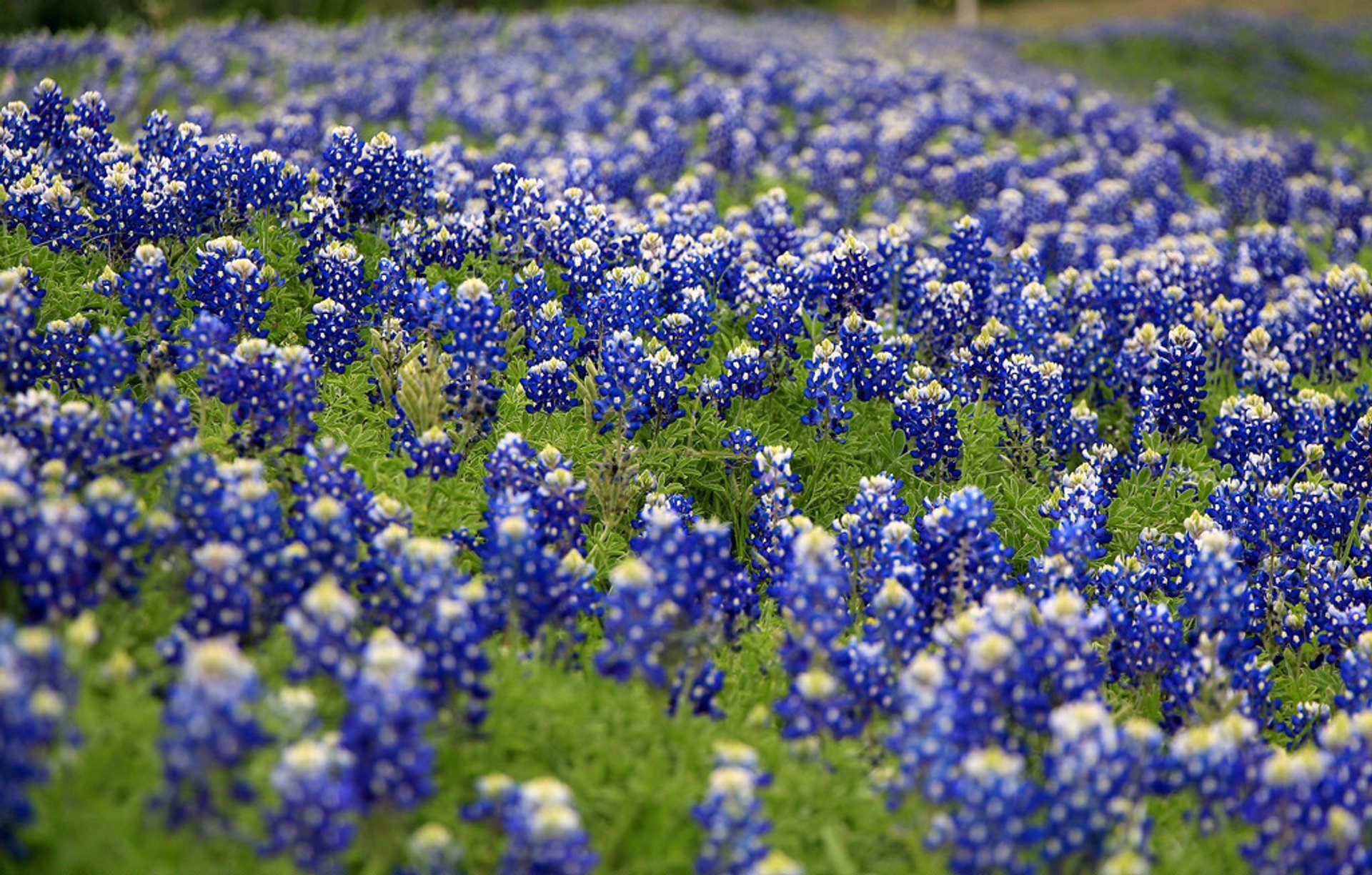
The arrival of spring in Texas is heralded by a spectacular, albeit fleeting, display of vibrant color. Across the rolling hills and vast plains of the Lone Star State, the iconic Texas Bluebonnet emerges, transforming the landscape into a breathtaking tapestry of deep blue. For travelers and nature enthusiasts, planning a trip around this natural phenomenon requires understanding its seasonal rhythm. The question “When do the bluebonnets bloom in Texas?” is central to orchestrating a successful and visually rewarding visit.
Understanding the Bluebonnet’s Seasonal Cycle
The blooming period of the Texas Bluebonnet is not a fixed date on the calendar but rather a dynamic window influenced by a confluence of environmental factors. While generally associated with spring, the precise timing can fluctuate year by year.
Key Influencing Factors
Several critical elements dictate when and where the Texas Bluebonnets will reach their peak bloom:
- Rainfall: Adequate rainfall is arguably the most significant factor. Bluebonnets, like most wildflowers, require moisture to germinate and flourish. A dry late fall and winter can delay or diminish the bloom, while a wet season often portends a more robust display.
- Temperature: Moderate temperatures are crucial. Early warm spells can encourage premature growth, making the flowers susceptible to late frosts. Conversely, prolonged cold periods can push back the blooming season. A gentle, consistent transition from winter to spring is ideal.
- Sunlight: Bluebonnets thrive in sunny conditions. Extended periods of cloudy weather can impact their growth and the intensity of their bloom.
The Typical Blooming Window
Generally, the Texas Bluebonnets begin to appear in early to mid-March. The peak bloom, when the fields are most densely carpeted with flowers, typically occurs from late March through April. By May, the flowers begin to fade, setting seed for the following year.
It’s important to note that different regions within Texas may experience variations in bloom times. South Texas often sees earlier blooms due to its warmer climate, while the Texas Hill Country and North Texas may experience their peak slightly later.
Planning Your Bluebonnet Viewing Trip
To fully appreciate the ephemeral beauty of the Texas Bluebonnets, strategic planning is essential. Timing your visit to coincide with the peak bloom is paramount, and knowing where to look will maximize your experience.
Timing is Everything
- Early Season (Early to Mid-March): This is when the first tentative blooms might appear, particularly in the southern parts of Texas. It’s a good time for those seeking to be among the first to witness the spring spectacle, but it carries the risk of encountering less mature blooms or a less extensive display.
- Peak Season (Late March to April): This is the prime time for a bluebonnet pilgrimage. The vast majority of Texas will be awash in blue, offering the most impressive and widespread displays. This period is also popular with other visitors, so booking accommodations and planning routes in advance is highly recommended.
- Late Season (Early May): While many bluebonnets will have faded by early May, pockets of blooming flowers might still be found, especially in cooler, higher-elevation areas. This is a good option for those with flexible schedules who miss the peak window.
Checking Bloom Reports
Because of the variable nature of the bloom, it’s advisable to consult official bluebonnet bloom reports. Many Texas tourism organizations and state park systems provide regular updates on the status of the wildflowers. Websites like the Texas Highways magazine or local visitor bureaus often feature interactive maps and reports from various locations, helping you track the progress of the bloom across the state.
Premier Bluebonnet Viewing Destinations
While bluebonnets can be found dotting the landscape throughout Texas, certain areas are renowned for their particularly spectacular and accessible displays. These destinations have become synonymous with the annual bluebonnet season.
The Texas Hill Country
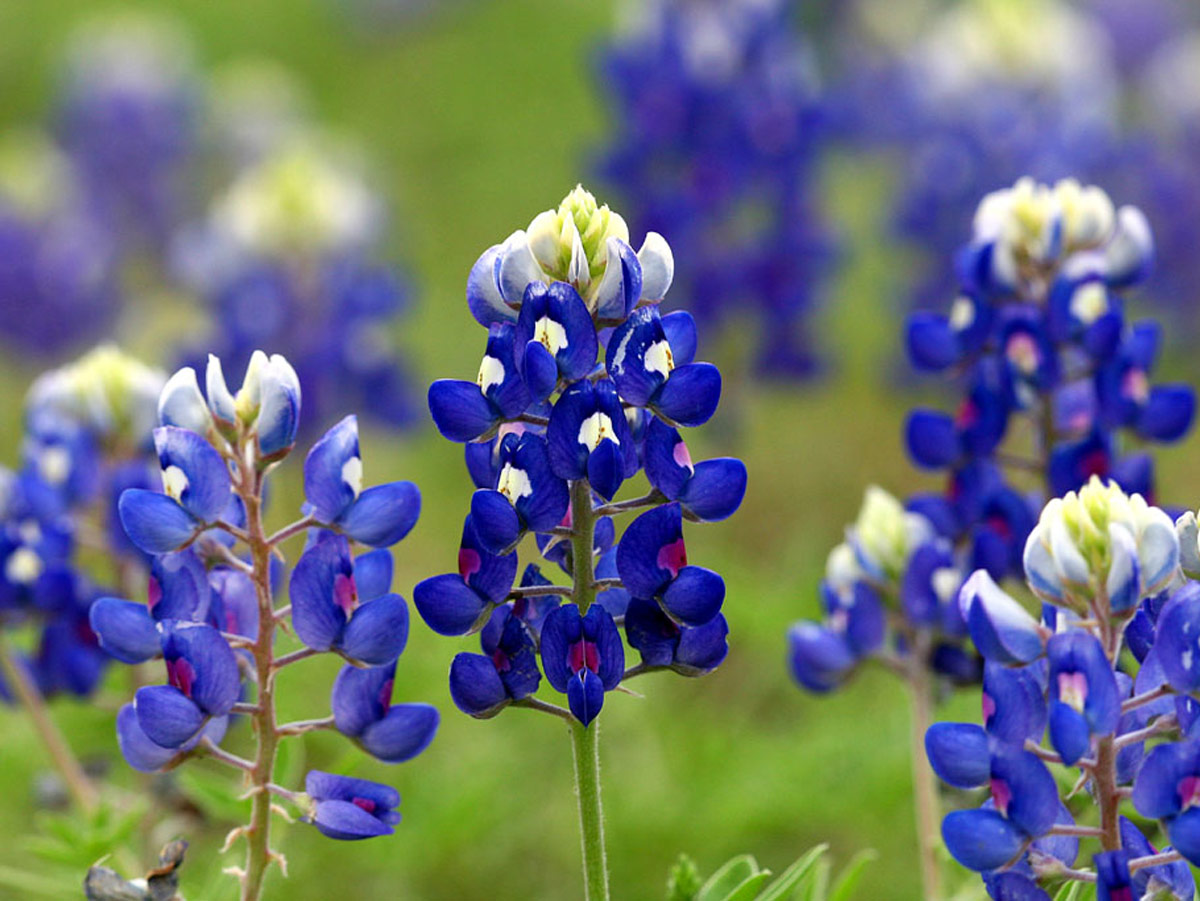
The Texas Hill Country is, without a doubt, the most famous bluebonnet region. Its rolling hills, scenic drives, and charming small towns provide an idyllic backdrop for wildflower viewing.
- Willow City Loop: This unofficial scenic drive, located near Fredericksburg, is legendary for its profusion of bluebonnets, Indian paintbrush, and other wildflowers. The road is narrow and winding, so drivers should exercise caution and be prepared for slow-moving traffic, especially on weekends. Pulling over is only permitted in designated areas to ensure safety and preserve the fragile ecosystem.
- Enchanted Rock State Natural Area: While the granite dome itself is a major attraction, the surrounding areas of Enchanted Rock State Natural Area often burst with wildflowers, including bluebonnets.
- Lyndon B. Johnson National Historical Park: This area, encompassing the LBJ Ranch near Johnson City, offers a glimpse into history alongside beautiful floral displays.
- Lady Bird Johnson Municipal Park: Located in Fredericksburg, this park is a well-known spot for bluebonnet viewing and often hosts related events.
Ennis, Texas: The Official Bluebonnet City
Ennis, Texas, located south of Dallas, has officially declared itself the “Bluebonnet City of Texas.” The city actively promotes its wildflower trails, which are well-marked and provide excellent opportunities for viewing.
- Bluebonnet Trails: Ennis boasts over 40 miles of mapped driving trails through some of the most picturesque countryside in Ellis County. These trails are designed to guide visitors through prime bluebonnet territory, offering a curated and accessible viewing experience. The city often hosts an annual Bluebonnet Festival during the peak blooming season, adding a festive atmosphere to the natural spectacle.
Other Notable Regions
Beyond the most celebrated areas, bluebonnets can be found in numerous other locations across Texas:
- Choke Canyon State Park: In South Texas, this park can offer early blooms.
- Big Bend National Park: While known for its dramatic desert landscapes, parts of Big Bend National Park can surprise visitors with patches of wildflowers, though typically later in the season.
- Small Towns and Rural Roads: Simply driving along rural roads throughout central and west Texas can lead to unexpected and delightful encounters with fields of blue. Always be mindful of private property and drive safely.
Experiencing the Bluebonnets Responsibly
Witnessing the vibrant bloom is a privilege, and it’s crucial to ensure that this natural wonder is preserved for future generations. Responsible tourism practices are essential for protecting the delicate ecosystem that supports the Texas Bluebonnets.
Leave No Trace
- Do Not Pick the Flowers: This is the most critical rule. Picking bluebonnets harms the plant and prevents it from setting seed, diminishing future blooms. It is also illegal to pick them on state land.
- Stay on Roads and Trails: Avoid trampling the wildflowers by staying on designated paths or roads. Creating new paths or walking through dense patches can damage seedlings and disrupt the plant life.
- Pack It In, Pack It Out: Carry out everything you bring in, including trash. Leave the natural areas as you found them, or even better.
- Respect Private Property: Many of the most stunning displays occur on private land. Always respect “No Trespassing” signs and admire the flowers from public roads and pull-offs.
Photography Etiquette
- Be Mindful of Others: When taking photographs, be aware of other visitors. Avoid blocking access to popular viewing spots or holding up traffic for extended periods.
- Minimize Disturbance: Use a tripod if necessary, but ensure it doesn’t encroach on other people’s space or damage the surrounding vegetation.
- Capture the Landscape: While close-ups are beautiful, try to capture the grandeur of the entire landscape to convey the full impact of the bloom.
Accommodation and Planning
- Book in Advance: During peak bluebonnet season, popular areas like the Texas Hill Country can experience significant tourist influx. Book hotels, bed and breakfasts, or rental cabins well in advance to secure your preferred accommodation. Consider towns like Fredericksburg, Kerrville, or smaller communities along the scenic routes.
- Consider Weekdays: If your schedule allows, visiting during weekdays can offer a more relaxed experience with fewer crowds compared to weekends.
- Be Prepared for Weather: Texas weather can be unpredictable. Pack layers of clothing, sunscreen, hats, and insect repellent. Comfortable walking shoes are a must for exploring the wildflower fields.
The Enduring Allure of the Texas Bluebonnet
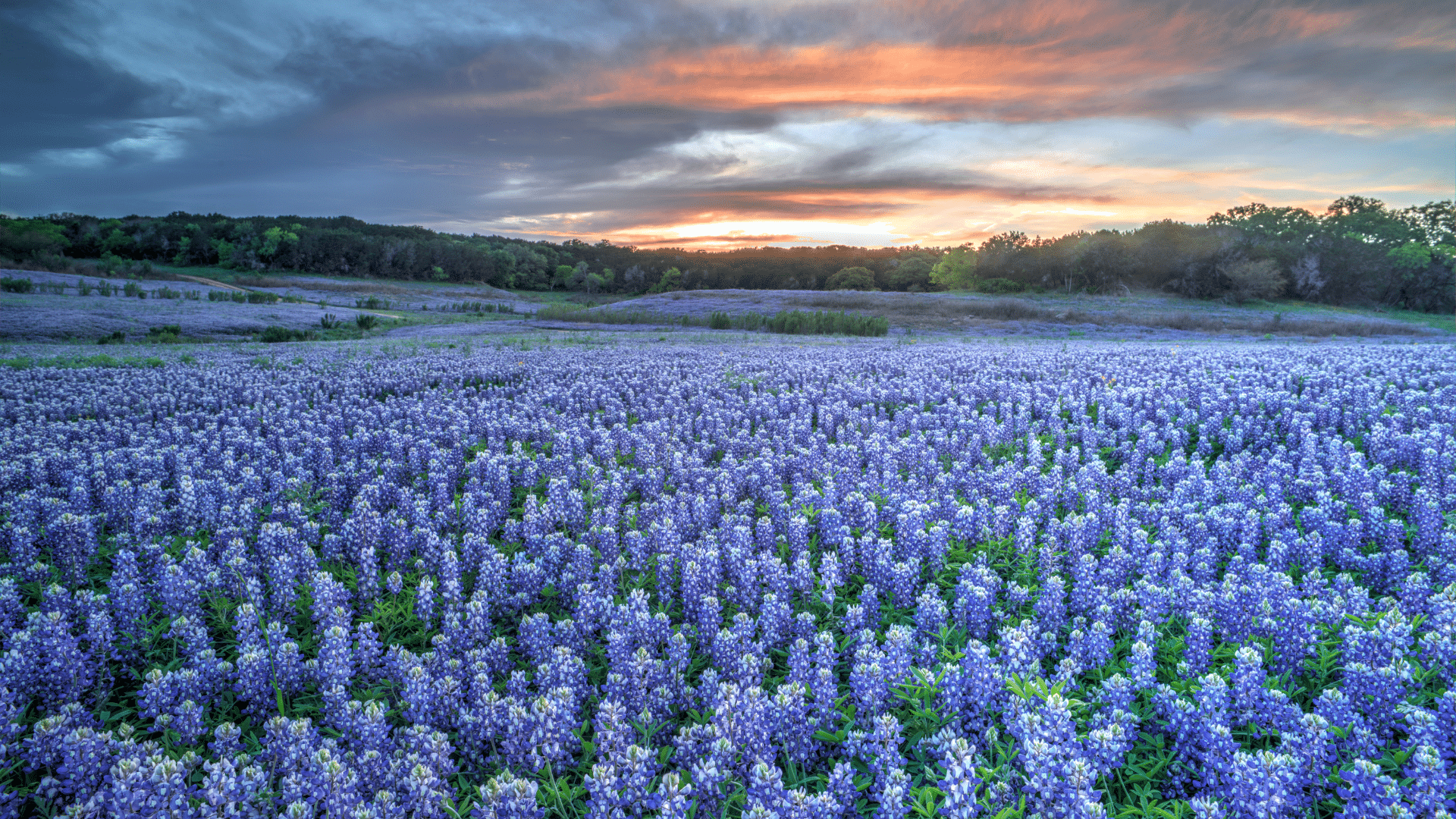
The annual blooming of the Texas Bluebonnets is more than just a beautiful natural spectacle; it’s a cultural touchstone for the state. It signifies renewal, a vibrant awakening after the winter months, and a moment of collective appreciation for the natural beauty of Texas. For those who plan their visits with care and respect, the ephemeral dance of the bluebonnets offers an unforgettable travel experience, a vivid reminder of the power and poetry of the natural world. Planning your trip around this phenomenon connects you to the rhythm of the land and provides a truly immersive experience into the heart of Texas during its most colorful season.
LifeOutOfTheBox is a participant in the Amazon Services LLC Associates Program, an affiliate advertising program designed to provide a means for sites to earn advertising fees by advertising and linking to Amazon.com. Amazon, the Amazon logo, AmazonSupply, and the AmazonSupply logo are trademarks of Amazon.com, Inc. or its affiliates. As an Amazon Associate we earn affiliate commissions from qualifying purchases.