
Understanding Texas Fishing Licenses: Your Gateway to Angling Adventures
For any angler dreaming of casting a line into the abundant waters of Texas, securing a valid fishing license is the crucial first step. This essential document not only grants you the legal right to fish in the state’s diverse aquatic environments, from the sprawling Gulf of Mexico coastline to tranquil inland lakes and winding rivers, but it also plays a vital role in conservation efforts. The fees collected from license sales directly fund wildlife management, habitat restoration, and research initiatives, ensuring that the rich fishing heritage of Texas can be enjoyed by future generations. Navigating the process of obtaining a license might seem straightforward, but understanding the nuances, requirements, and available options ensures a smooth and legal angling experience. This guide will demystify the process, providing you with all the information needed to embark on your Texas fishing adventures with confidence.
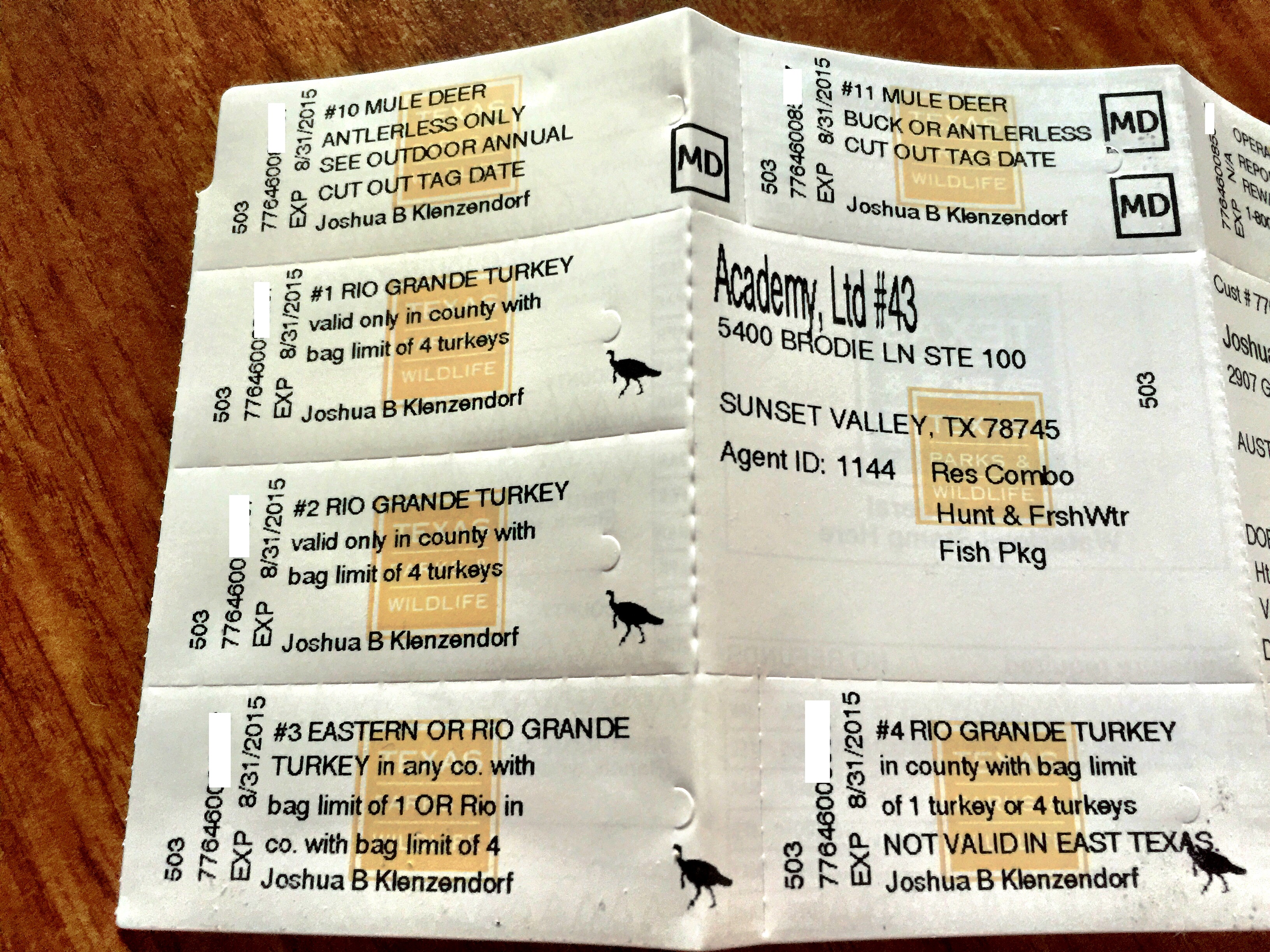
The Texas Parks and Wildlife Department (TPWD) is the governing body responsible for issuing fishing licenses. They offer a variety of license types tailored to different needs, durations, and residency statuses. Whether you are a lifelong resident planning a weekend trip to Lake Fork or a visitor eager to experience the thrill of saltwater fishing near Galveston, there is a license for you.
Types of Texas Fishing Licenses and Who Needs One
Navigating the array of license options is paramount to ensuring you have the correct permit for your fishing pursuits. The Texas Parks and Wildlife Department categorizes licenses based on residency, age, and the duration of your fishing activities. Understanding these distinctions will help you select the most appropriate and cost-effective license.
Resident vs. Non-Resident Licenses
The primary distinction in Texas fishing licenses lies between resident and non-resident permits.
-
Resident Licenses: To qualify for a resident license, you must have physically resided in Texas for at least six consecutive months. Proof of residency, such as a valid Texas driver’s license or ID card, is typically required. Resident licenses are significantly more affordable than their non-resident counterparts, reflecting the state’s commitment to its citizens’ recreational opportunities.
-
Non-Resident Licenses: If you do not meet the six-month residency requirement, you will need to purchase a non-resident license. These are available for various durations, from short-term permits for a weekend getaway to annual passes for those who frequently visit and fish in Texas.
Annual Licenses
For those planning multiple fishing trips throughout the year, annual licenses offer the most value and convenience.
-
Resident Annual Fishing License: This is the most common license for Texas residents. It allows for both freshwater and saltwater fishing statewide for one year from the date of purchase.
-
Non-Resident Annual Fishing License: This option provides year-round fishing access for non-residents and is ideal for frequent visitors to the state.
Short-Term Licenses
If your fishing endeavors are limited to a few days or a week, short-term licenses are a more economical choice.
- Resident 1-Day Fishing License: Valid for a single day of fishing for residents.
- Resident 3-Day Fishing License: Offers three consecutive days of fishing for residents.
- Non-Resident 1-Day Fishing License: Allows a non-resident to fish for one day in Texas.
- Non-Resident 3-Day Fishing License: Provides non-residents with three consecutive days of fishing access.
- Non-Resident 5-Day Fishing License: A popular option for tourists, offering five days of fishing opportunities.
Special Licenses and Endorsements
Beyond the basic fishing license, certain activities or fishing in specific areas may require additional endorsements or specialized licenses.
-
Saltwater Endorsement: If you plan to fish in the saltwater areas of Texas (bays, Gulf of Mexico), you will need a Saltwater Angler’s Guide Certification or a Saltwater Fishing Stamp in addition to your base fishing license. This endorsement helps fund specific saltwater conservation programs.
-
Freshwater Stamp: While not always mandatory, a Freshwater Fishing Stamp can be added to certain licenses for specific fishing privileges.
-
Red Drum Tag/Trout Tag: For anglers targeting specific species like Red Drum or Speckled Trout in certain areas, special tags might be required. These are often included with the Saltwater Endorsement or available separately.
-
All-Water License: This comprehensive license covers both freshwater and saltwater fishing, often a convenient choice for anglers who don’t want to worry about specific zone restrictions.
-
Senior Licenses: Texas offers discounted annual fishing licenses for residents aged 65 and older.
-
Youth Licenses: Children under 17 years of age generally do not need a fishing license. However, if they wish to fish in certain situations or for specific regulations, a youth license might be available or necessary.
Who Needs a License?
Generally, anyone 17 years of age or older who fishes in public waters in Texas must have a valid fishing license. This applies to all methods of fishing, including rod and reel, trotlines, juglines, nets, and gigs. There are specific exceptions and regulations, so it’s always advisable to consult the official TPWD regulations for the most up-to-date information. For instance, fishing on private property with the landowner’s permission might not require a license under certain conditions.
How to Obtain Your Texas Fishing License

Securing your Texas fishing license is a user-friendly process with several convenient options available. The Texas Parks and Wildlife Department (TPWD) has made it accessible for both residents and visitors to get their permits efficiently.
Online Purchase
The most convenient method for obtaining a Texas fishing license is through the official TPWD website. This secure online portal allows you to browse license options, select the type that best suits your needs, and complete the purchase within minutes.
- Visit the TPWD Website: Navigate to the official Texas Parks and Wildlife Department website. Look for the “Licenses and Permits” section or a direct link for purchasing fishing licenses.
- Create an Account or Log In: You may need to create a customer account or log in if you have purchased licenses previously. This helps manage your purchase history and personal information.
- Select Your License: Browse through the available fishing license types. You will be prompted to select whether you are a resident or non-resident, the duration of the license (annual, 1-day, 3-day, etc.), and any necessary endorsements (saltwater, etc.).
- Provide Required Information: You will need to provide personal information, including your name, date of birth, address, and potentially your Texas driver’s license number for resident verification.
- Payment: Securely complete the transaction using a credit or debit card.
- Print or Save Your License: Once your purchase is confirmed, you will be able to print your license immediately or save a digital copy on your mobile device. Many anglers choose to print a physical copy as a backup.
In-Person Purchase
For those who prefer a face-to-face transaction or need assistance, fishing licenses can be purchased at numerous authorized retail locations across Texas.
- TPWD Law Enforcement Offices: You can visit any of the regional Texas Parks and Wildlife Department offices.
- Retail License Vendors: Many sporting goods stores, bait and tackle shops, hardware stores, and some department stores are authorized to sell fishing licenses. Look for the “Texas Hunting & Fishing Licenses” sign. Popular retailers include Academy Sports + Outdoors, Walmart, and local businesses.
- County Clerks’ Offices: In some counties, the county clerk’s office may also sell fishing licenses.
When purchasing in person, be prepared to provide the same personal information as required for online purchases. It’s advisable to bring a valid photo ID.
By Phone
While less common, it may be possible to purchase licenses over the phone through the TPWD system. However, the online and in-person methods are generally more efficient and widely used. Check the TPWD website for any current phone purchase options.
Information Required for Purchase
Regardless of the purchase method, you will typically need to provide the following information:
- Full Name: As it appears on your identification.
- Date of Birth: To verify age eligibility.
- Residency Status: Whether you are a Texas resident or a non-resident.
- Proof of Residency (for residents): Such as a Texas driver’s license or ID number.
- Physical Address: Your current mailing address.
- Social Security Number (optional, but may be requested): For identification purposes.
- Height and Weight (sometimes requested): For identification.
It’s important to have your information readily available to expedite the process.
Regulations, Fees, and Conservation in Texas Fishing
Beyond the mechanics of acquiring a license, understanding the associated regulations, costs, and the crucial role of conservation is fundamental to responsible and enjoyable angling in Texas. The fees collected are not merely a transaction but an investment in the future of the state’s aquatic ecosystems and the sport itself.
Fee Structure for Texas Fishing Licenses
The cost of a >>.com/texas-parks-and-wildlife-department”>Texas Parks and Wildlife Department website for the most current and precise fee schedule, as these can be subject to change. Prices typically range from a few dollars for short-term resident licenses to over $50 for non-resident annual permits, with endorsements adding incrementally.
Essential Fishing Regulations to Observe
Possessing a valid fishing license is only part of the equation for a lawful fishing trip. Adherence to Texas fishing regulations is mandatory and essential for the sustainability of fish populations and aquatic habitats. Key regulations to be aware of include:
- Bag Limits: These specify the maximum number of a particular species you are legally allowed to keep per day. Limits can vary by species, water body, and season.
- Size Limits: Regulations may dictate minimum or maximum lengths for fish you can keep. This is particularly important for ensuring that juvenile fish can reproduce and that trophy-sized fish are protected.
- Creel Limits: This refers to the total number of fish of a specific species you can possess at any given time, including those in your cooler or at your residence.
- Seasons: Certain species or fishing areas may have specific open and closed seasons to protect fish during critical spawning periods.
- Gear Restrictions: Regulations may specify the types of fishing gear permitted, such as hook types, net sizes, or the number of lines allowed. For instance, specific rules govern the use of trotlines, juglines, and cast nets.
- Water Body Specific Regulations: Many lakes, rivers, and bays have unique rules due to the specific needs of their aquatic ecosystems or the species they support. Always check local regulations before fishing in a new area.
- Catch and Release: For certain species or during specific times, catch and release might be encouraged or even mandatory. Understanding the proper techniques for releasing fish unharmed is vital.
- Prohibited Areas: Certain areas may be closed to fishing due to environmental sensitivity, wildlife nesting sites, or safety concerns.
The comprehensive fishing regulations are published annually by the Texas Parks and Wildlife Department and are readily available on their website and often in condensed form at license vendors. Ignorance of these rules is not a valid defense, and violations can result in fines, license revocation, and other penalties.
The Role of Fishing License Fees in Conservation
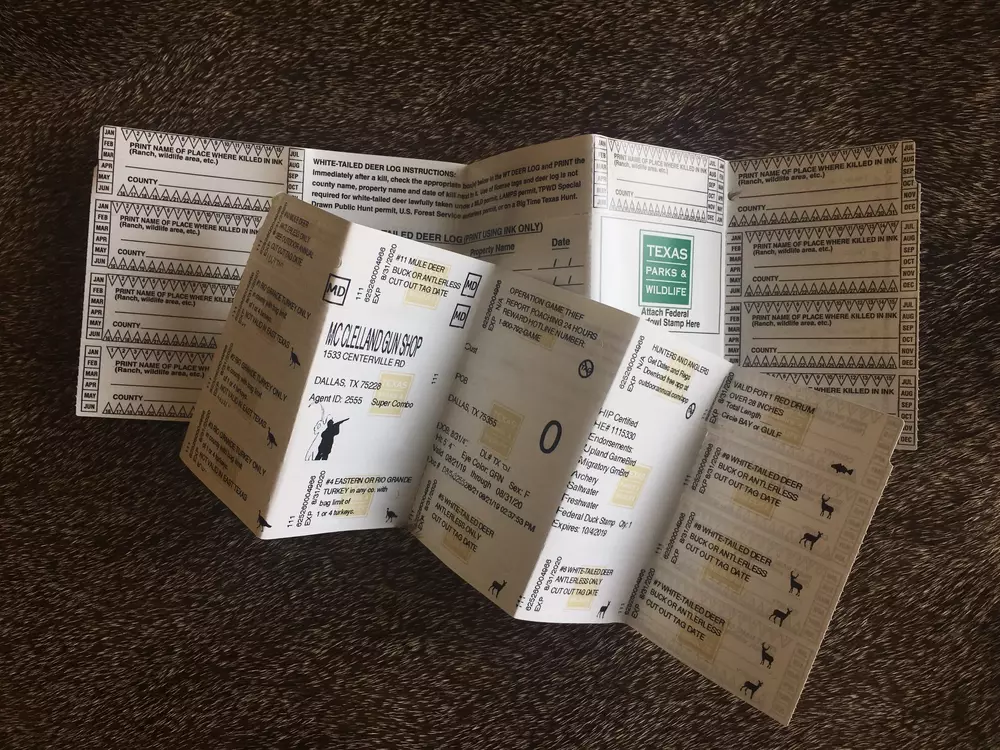
Every dollar generated from the sale of fishing licenses and stamps is directly reinvested into critical conservation and management programs across Texas. This self-funding mechanism ensures that the resources dedicated to preserving and enhancing fisheries are sustainable and responsive to the needs of the natural environment.
- Fisheries Management: License fees support the scientific research and monitoring of fish populations, allowing biologists to assess population health, growth rates, and reproductive success. This data is vital for setting appropriate regulations.
- Habitat Restoration and Protection: Funds are used to protect and restore vital fish habitats, including spawning grounds, nursery areas, and foraging grounds in both freshwater and saltwater environments. This can involve efforts like aquatic vegetation management, improving water quality, and reducing shoreline erosion.
- Stocking Programs: In some instances, license fees contribute to hatchery operations and stocking programs, where fish are raised and released into public waters to supplement natural populations, especially in areas impacted by habitat loss or overfishing.
- Law Enforcement and Compliance: A portion of the revenue funds the dedicated game wardens and law enforcement officers who patrol Texas waters, ensuring that regulations are followed and that the resource is protected from poaching and illegal activities.
- Public Access and Education: Fees can also support initiatives that improve public access to fishing waters and provide educational programs that promote ethical angling practices and conservation awareness.
By purchasing a Texas fishing license, you are not just gaining the privilege to fish; you are actively participating in the stewardship of one of the state’s most cherished natural resources. This partnership between anglers and the TPWD is fundamental to maintaining healthy fisheries for generations to come, ensuring that the diverse aquatic life and the thrill of the catch remain a significant part of the Texas experience.
LifeOutOfTheBox is a participant in the Amazon Services LLC Associates Program, an affiliate advertising program designed to provide a means for sites to earn advertising fees by advertising and linking to Amazon.com. Amazon, the Amazon logo, AmazonSupply, and the AmazonSupply logo are trademarks of Amazon.com, Inc. or its affiliates. As an Amazon Associate we earn affiliate commissions from qualifying purchases.