
Understanding the minimum wage in Los Angeles is crucial for anyone planning a visit, considering temporary work, or simply wanting to grasp the local economic landscape. As a global hub for entertainment, business, and tourism, Los Angeles attracts millions, many of whom are keenly interested in the cost of living and earning potential. For those on a budget or looking to integrate into the city’s vibrant workforce, even for a short stay, the minimum wage dictates much about the attainable lifestyle and the feasibility of certain travel or accommodation choices. This insight is particularly valuable for budget travelers, students, or individuals considering seasonal employment, as it directly impacts their financial planning and overall experience in one of the world’s most dynamic cities.
The Los Angeles Minimum Wage Landscape: Navigating Local Regulations
The minimum wage structure in Los Angeles is more nuanced than a single, universal figure. While there is a California State Minimum Wage, many cities and counties within California have adopted higher local minimum wage ordinances. Los Angeles is one such municipality, often leading the charge in progressive labor policies.
Current Rates and Annual Adjustments
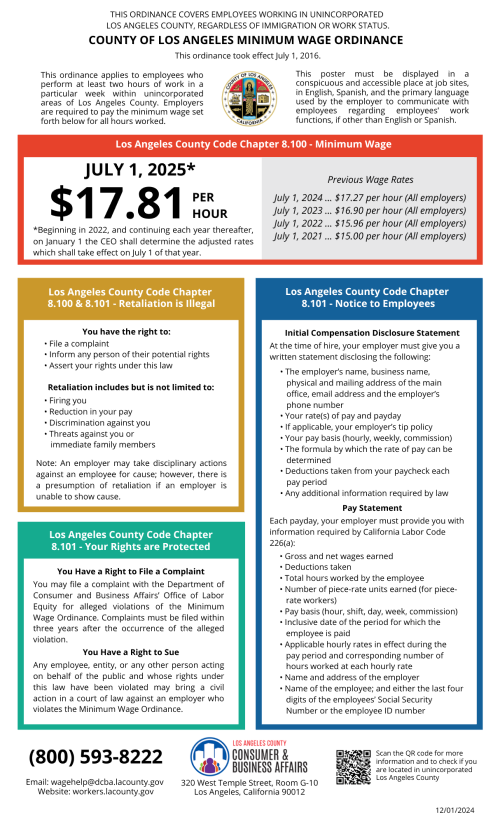
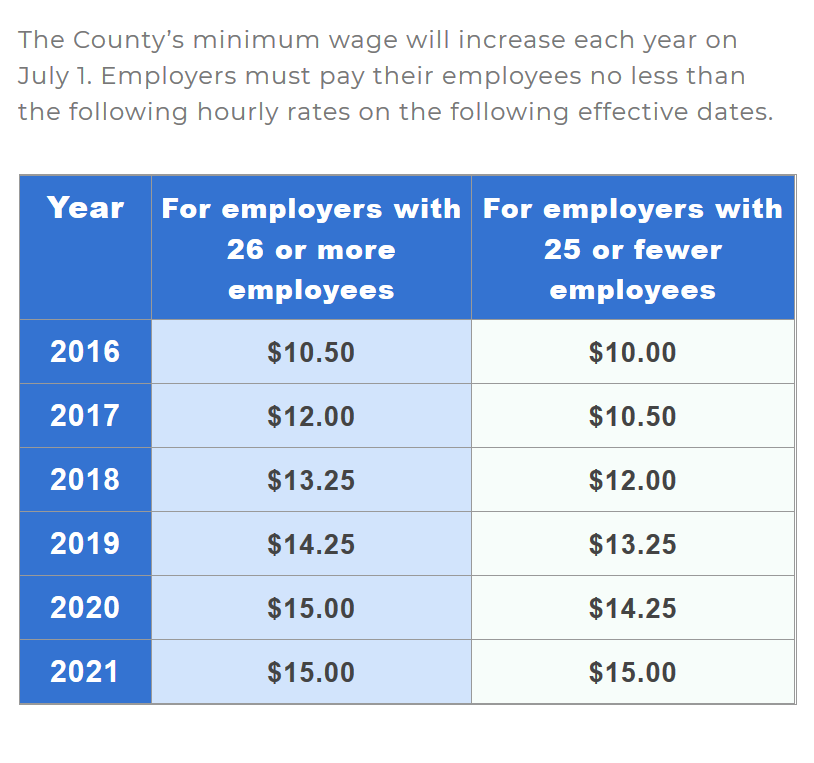
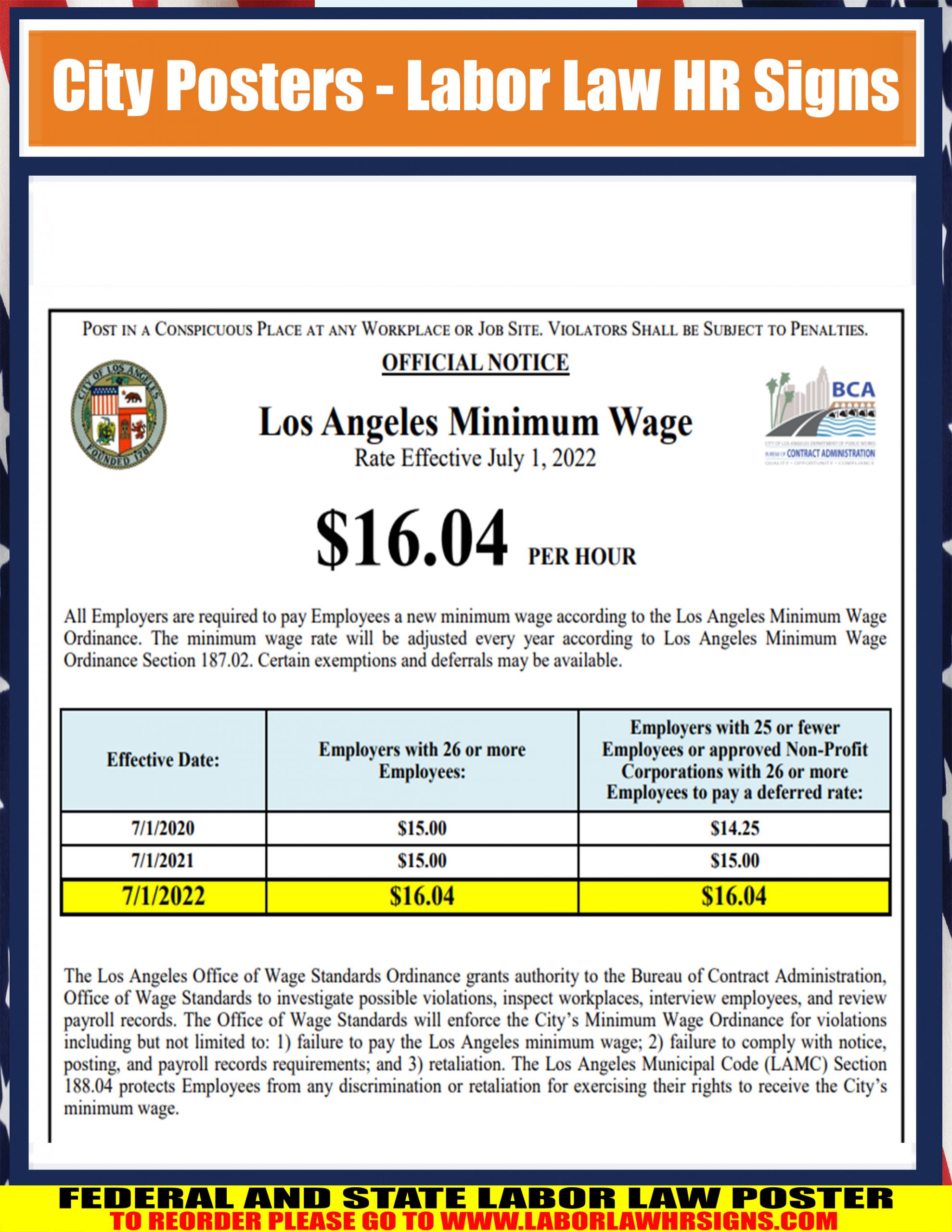
As of recent updates, the City of Los Angeles minimum wage is significantly higher than the state minimum. These rates are not static; they are subject to annual adjustments, typically occurring every July 1st, to account for inflation and the rising cost of living. The specific rate can also vary slightly depending on the size of the employer, though this distinction has largely been harmonized for most workers in the city. For instance, employers with 26 or more employees and those with 25 or fewer often had staggered increases, eventually reaching the same threshold. It’s imperative for visitors and prospective workers to check the most current figures published by the City of Los Angeles Department of Office of Wage Standards (OWS) or the State of California Department of Industrial Relations (DIR) for the precise hourly rate applicable at any given time. This dynamic nature means that a rate learned today might be slightly different a year from now, impacting long-term budgeting plans.
Impact of City vs. County Ordinances
Further complicating the landscape is the distinction between the City of Los Angeles and Los Angeles County. The city’s ordinance applies to businesses operating within its municipal boundaries. However, Los Angeles County also has its own minimum wage ordinance for unincorporated areas within the county. Moreover, several independent cities within Los Angeles County, such as Santa Monica and West Hollywood, have established their own minimum wages, which can be even higher than the City of Los Angeles rate. This patchwork of regulations means that someone working or residing in a neighboring city might be subject to a different minimum wage than someone just a few miles away in downtown [Los Angeles](https://lifeoutofthebox.com/los-angeles]. This complexity underscores the importance of verifying the specific jurisdiction for any employment opportunity or cost analysis.
Budgeting for a Los Angeles Lifestyle: A Minimum Wage Perspective
For individuals earning the minimum wage, or for budget-conscious travelers calculating their daily expenditure, living in Los Angeles requires careful financial planning. The city is renowned for its high cost of living, particularly concerning housing, which significantly impacts disposable income even with a higher minimum wage.
Accommodation Costs: From Hostels to Extended Stays
Accommodation is often the largest expense. A minimum wage earner would find traditional apartment rentals prohibitively expensive, with median rents for a one-bedroom apartment often exceeding $2,000-$2,500 per month. This makes long-term stays challenging without significant supplementary income or shared living arrangements. For visitors, however, budget-friendly options exist. Hostels in areas like Hollywood or downtown can offer dormitory beds for $40-$80 per night, providing a viable short-term solution for travelers. Extended stay hotels or budget motels outside prime tourist areas might offer weekly rates that are more manageable, though still substantial when viewed against a minimum wage income. Websites specializing in short-term rentals, such as Airbnb, can sometimes provide private rooms in shared accommodations at a lower cost, averaging $60-$120 per night, which can be sustainable for a few weeks but quickly adds up. Strategic booking during off-peak seasons or further away from popular attractions can yield better rates.
Daily Expenses: Food, Transportation, and Entertainment
Beyond accommodation, daily expenses accumulate. Food costs can be managed through self-catering, utilizing grocery stores, and opting for street food or casual eateries over upscale restaurants. A budget for daily meals could range from $30-$50 if cooking most meals and occasionally dining out affordably. Transportation in Los Angeles is another critical budgeting point. While the city is known for its car culture, the Metro Rail and bus system offers an extensive network, with daily passes costing around $7 and weekly passes providing greater value. Relying solely on ride-sharing services can quickly deplete a minimum wage budget, especially with Los Angeles’s notorious traffic and surge pricing. For entertainment, Los Angeles offers a mix of free attractions like beaches, hiking trails in the Hollywood Hills, and many museums with free admission days. Paid attractions like Universal Studios Hollywood or concerts would require careful budgeting and likely represent a significant portion of a week’s minimum wage earnings.
The Minimum Wage Earner’s Experience: Lifestyle Adjustments
Earning the minimum wage in Los Angeles requires a thoughtful approach to lifestyle, emphasizing frugality and resourcefulness. It’s certainly possible to experience the city, but it necessitates prioritizing and making informed choices to stretch every dollar.
Navigating High Cost of Living
The high cost of living, particularly for housing, is the most significant hurdle. For those working locally at minimum wage, sharing living spaces is almost a necessity. Multiple roommates or even shared bedrooms are common strategies to make rent affordable. This impacts personal space and privacy, which are often luxuries in Los Angeles on a limited income. Beyond housing, everyday goods and services, while perhaps not dramatically higher than other major U.S. cities, still add up. This means minimal discretionary spending, focusing instead on essentials.
Strategies for Budget-Conscious Exploration
Despite financial constraints, Los Angeles offers myriad experiences that don’t require deep pockets. For budget travelers or temporary workers, embracing the city’s free attractions is key. A visit to the Griffith Observatory offers stunning views of the city and the Hollywood Sign without an entry fee. Exploring the vibrant murals downtown or strolling along the Hollywood Walk of Fame provides quintessential Los Angeles experiences at no cost. Many local farmers’ markets offer fresh produce at reasonable prices, and public parks like Exposition Park host various free events throughout the year. Utilizing public libraries for internet access or entertainment can also save money.
Implications for Business Stays and Temporary Work
For individuals on business stays, interns, or those seeking temporary employment in Los Angeles, understanding the minimum wage has distinct implications for their financial planning and the feasibility of their visit.
Short-Term Employment Opportunities
Los Angeles’s robust tourism and hospitality sectors often present opportunities for temporary or seasonal work. Roles in hotels, restaurants, retail, and event management are common, many of which may pay the prevailing minimum wage. These positions can be an excellent way for visitors to fund their stay, gain experience, and immerse themselves in the local culture. However, it’s essential to factor in taxes and other deductions, as the take-home pay will be less than the gross minimum wage. For international visitors, securing appropriate work visas is a prerequisite, which can add another layer of complexity.
Financial Planning for Seasonal Visitors
Seasonal visitors who plan to work should budget cautiously. While the Los Angeles minimum wage provides a decent hourly rate compared to some other parts of the country, the high cost of living means that even full-time minimum wage employment might only cover basic expenses, leaving little for savings or extensive leisure activities. It’s advisable to arrive with some initial savings to cover the first few weeks of accommodation and expenses before the first paycheck. Exploring options for housing provided by employers, if available, can significantly alleviate financial pressure. Additionally, understanding the hourly commitments and potential for tips in service industries can greatly influence overall earnings.
Beyond the Basics: Quality of Life and Leisure on a Budget
Despite the financial challenges, Los Angeles offers an unparalleled quality of life and a wealth of leisure options that can be enjoyed even on a minimum wage budget. The city’s diverse landscape, from mountains to beaches, provides endless opportunities for free or low-cost recreation.
Free and Low-Cost Attractions
Beyond the well-known Griffith Observatory, many other attractions offer free admission. The Getty Center, with its world-class art collection and stunning architecture, is free to enter (though parking has a fee, which can be avoided by taking public transport or rideshare). Exploring the various neighborhoods, each with its unique character, such as Venice Beach or Olvera Street, costs nothing. Hiking trails abound in the Santa Monica Mountains, offering breathtaking views and a dose of nature. Many museums also offer specific free days or hours, which, with a bit of planning, can unlock access to incredible cultural experiences.
Cultural Experiences Without Breaking the Bank
Los Angeles is a melting pot of cultures, and experiencing this diversity often comes at little to no cost. Neighborhood festivals, free outdoor concerts in the summer, and public art installations are common. Trying authentic ethnic foods from street vendors or small, family-run restaurants in areas like Koreatown, Little Tokyo, or Boyle Heights offers an affordable culinary adventure. Volunteering for local events or organizations can also provide unique cultural immersion and networking opportunities, enhancing the overall Los Angeles experience without significant financial outlay. Living on a minimum wage in Los Angeles requires intentionality, but with careful planning and an embrace of the city’s accessible offerings, a rich and fulfilling lifestyle is entirely within reach.
LifeOutOfTheBox is a participant in the Amazon Services LLC Associates Program, an affiliate advertising program designed to provide a means for sites to earn advertising fees by advertising and linking to Amazon.com. Amazon, the Amazon logo, AmazonSupply, and the AmazonSupply logo are trademarks of Amazon.com, Inc. or its affiliates. As an Amazon Associate we earn affiliate commissions from qualifying purchases.