
Navigating the process of obtaining a permit in Texas can seem daunting, but understanding the different types of permits and the requirements for each will streamline the journey. Whether you’re a resident looking to drive, a business owner seeking to operate, or an individual planning a significant construction project, Texas has a regulatory framework in place to ensure safety, compliance, and order. This guide will break down the essential steps and considerations for acquiring various common permits across the Lone Star State, focusing on those that impact personal mobility and local engagement.

Obtaining Your Texas Driver’s Permit
For many Texans, the first significant permit they will seek is a driver’s permit, a crucial step towards gaining the freedom of the road. Texas has a tiered licensing system designed to provide new drivers with supervised experience before they are granted full driving privileges.
The Learner’s Permit (Instruction Permit)
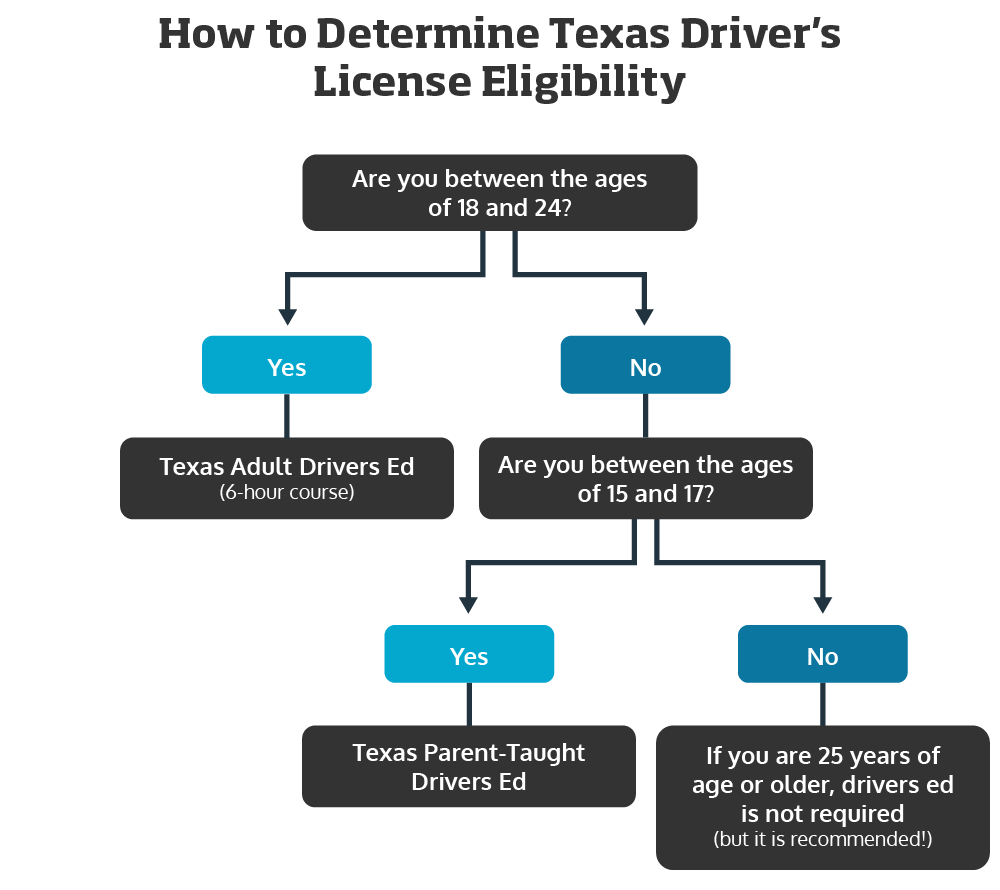
The initial stage is the Learner’s Permit, often referred to as an Instruction Permit. This permit allows individuals, typically aged 15 to 17, to begin practicing driving under the supervision of a licensed adult.
Eligibility Requirements
- Age: Applicants must be at least 15 years old.
- Driver Education: Completion of a state-approved driver education program is mandatory. This typically involves classroom instruction and behind-the-wheel training. Alternatively, a supplemental program for individuals aged 18 or older is available if they haven’t completed a formal driver education course.
- Vision and Knowledge Tests: Passing a vision exam and a knowledge test on Texas traffic laws and signs is required.
- Application: A completed DL-180, Proof of Identification and Residency, and Proof of Social Security Number forms must be submitted. For minors, a parent or legal guardian must also sign the application.
The Application Process
- Complete Driver Education: Enroll in and successfully finish an approved driver education course. This course covers essential driving principles, traffic laws, and safety practices.
- Schedule Your Appointment: While walk-ins are sometimes accommodated, it is highly recommended to schedule an appointment at a Texas Department of Public Safety (DPS) driver license office to avoid lengthy wait times.
- Gather Required Documents: Ensure you have all necessary documentation. This includes proof of identity (e.g., U.S. Birth Certificate, U.S. Passport), proof of Social Security number (e.g., Social Security card), and proof of Texas residency (e.g., utility bill, bank statement). For minors, the DE-964 certificate of completion for the driver education course is also vital.
- Pass the Vision and Knowledge Tests: At the DPS office, you will undergo a vision screening and then take the written knowledge test. The knowledge test covers traffic laws, road signs, and safe driving practices. Study the official Texas Driver Handbook thoroughly to prepare.
- Pay the Fee: A fee is associated with obtaining a Learner’s Permit. Payment methods accepted vary by location but typically include cash, check, and money order.
- Receive Your Permit: Upon successful completion of all requirements, you will be issued your Learner’s Permit.
Provisional Driver’s License
After holding a Learner’s Permit for at least six months and reaching the age of 16, individuals can apply for a Provisional Driver’s License. This license still has restrictions but allows for more independent driving.
Provisional License Restrictions
- Driving Hours: During the first six months, provisional license holders cannot drive between midnight and 5:00 a.m., except in specific circumstances like school-related activities or employment.
- Passenger Limit: For the first six months, drivers aged 16 are prohibited from driving with more than one passenger under the age of 21 who is not a family member.
- Supervision: The permit holder must have a licensed driver aged 21 or older in the front passenger seat if any of the passenger restrictions are violated.
Requirements for the Provisional License
- Age: Must be at least 16 years old.
- Learner’s Permit Duration: Must have held the Learner’s Permit for a minimum of six months.
- Impact Texas Teen Drivers (ITTD) Program: Completion of the ITTD program is required. This is a free, two-hour video course about the dangers of distracted driving. A certificate of completion, valid for 90 days, must be presented at the driving test.
- Driving Test: Passing a driving test administered by the DPS is the final step. This test evaluates your ability to safely operate a vehicle in real-world driving conditions.
Permits for Businesses and Development

Beyond personal mobility, obtaining the correct permits is fundamental for individuals and entities looking to engage in commercial activities or undertake construction projects within Texas. These permits are essential for ensuring public safety, environmental protection, and compliance with local zoning ordinances and state regulations.
Business Operating Permits
Starting or operating a business in Texas often requires various permits and licenses, depending on the industry and the specific activities undertaken.
- General Business Registration: While Texas is known for its business-friendly climate and does not have a general state business registration requirement for all businesses, specific industries are regulated. For example, businesses involved in selling alcohol, firearms, or providing certain professional services will need to obtain state-level licenses and permits from the relevant regulatory boards.
- Sales Tax Permit: Any business selling tangible personal property in Texas must obtain a Texas Sales and Use Tax Permit from the Texas Comptroller of Public Accounts. This permit allows the business to collect and remit sales tax.
- Local Permits: Depending on the city or county where the business is located, additional permits may be required. This can include zoning permits, building permits (if renovations are involved), signage permits, and health permits for food service establishments. For instance, opening a restaurant in Austin will necessitate obtaining a health permit from the Austin Public Health Department.
Construction and Development Permits
For any construction, renovation, or significant land development in Texas, obtaining the appropriate permits from local authorities is a non-negotiable prerequisite. These permits ensure that projects adhere to building codes, zoning laws, and safety standards.
- Building Permits: These are the most common permits for construction projects. They are issued by the local building department (e.g., city or county) after a review of the building plans to ensure they meet all relevant building codes (e.g., International Building Code). This includes structural integrity, fire safety, and accessibility requirements.
- Zoning Permits: Before beginning construction, a zoning permit confirms that the proposed use of the land and the building’s design comply with the local zoning ordinances. This regulates the type of development allowed in specific areas, such as residential, commercial, or industrial zones.
- Plumbing, Electrical, and Mechanical Permits: For work involving these specific trades, separate permits are often required. These ensure that installations are performed by qualified professionals and meet safety standards to prevent hazards like fires or electrical shocks. Inspections will be conducted during and after the work is completed.
- Environmental Permits: Depending on the scope of the project and its potential impact on the environment, state or federal permits may be necessary. This could include permits related to water discharge, air emissions, or the management of hazardous materials, often overseen by the Texas Commission on Environmental Quality (TCEQ).
- Demolition Permits: If a structure is being demolished, a permit is typically required to ensure the demolition is carried out safely and that debris is disposed of properly.
The Permitting Process for Construction
- Consult Local Authorities: The first step is to contact the relevant city or county planning and zoning department, building department, and any other applicable agencies. They will provide the specific requirements and application forms for your project.
- Develop Detailed Plans: Engage architects, engineers, and contractors to create comprehensive architectural and engineering plans that comply with all local codes and regulations.
- Submit Application and Plans: File the permit application along with the detailed plans and any other required documentation. There will be an associated application fee.
- Plan Review: The local authorities will review the submitted plans for compliance. This process can take time, and revisions may be requested.
- Permit Issuance: Once the plans are approved and all fees are paid, the permit will be issued.
- Inspections: During construction, various inspections will be scheduled at different stages of the project (e.g., foundation, framing, electrical, plumbing) to ensure the work is being performed according to the approved plans and codes.
- Final Inspection and Certificate of Occupancy: Upon completion of all work and passing the final inspection, a Certificate of Occupancy will be issued, allowing the building or structure to be legally occupied or used.
Other Common Texas Permits
Beyond driving and construction, Texas residents might encounter other permit requirements for various activities.
Special Event Permits
Organizing a public event, whether it’s a festival, parade, or large gathering in a public space, typically requires special event permits from the city or county. These permits ensure public safety, traffic management, noise control, and adherence to any specific event regulations. This might involve coordination with the local police department, fire department, and parks and recreation department.
Firearm Permits
While Texas has laws that allow for permitless carry of handguns, there are still benefits and specific requirements related to carrying firearms. Obtaining a License to Carry (LTC) a Handgun is still an option for individuals who wish to carry a handgun in more places or for reciprocity with other states. The LTC requires completing a training course and passing a background check.
Permits for Outdoor Activities
For certain recreational activities on public lands, permits may be necessary. This can include permits for camping in state parks, hunting or fishing licenses issued by the Texas Parks and Wildlife Department, or permits for boating on certain waterways. These permits help manage resources, ensure safety, and contribute to conservation efforts.
Understanding the specific requirements for the permit you need is paramount. Always consult the official websites of the Texas Department of Public Safety (DPS), your local city or county government, and relevant state agencies for the most accurate and up-to-date information. Preparation, thorough documentation, and adherence to the outlined processes will ensure a smooth acquisition of your Texas permit.
LifeOutOfTheBox is a participant in the Amazon Services LLC Associates Program, an affiliate advertising program designed to provide a means for sites to earn advertising fees by advertising and linking to Amazon.com. Amazon, the Amazon logo, AmazonSupply, and the AmazonSupply logo are trademarks of Amazon.com, Inc. or its affiliates. As an Amazon Associate we earn affiliate commissions from qualifying purchases.