
Navigating the process of obtaining a Commercial Driver’s License (CDL) in Texas is a crucial step for anyone aspiring to a career in professional driving. Whether your sights are set on long-haul trucking, local delivery, or specialized commercial vehicle operation, understanding the requirements and steps involved is paramount. This guide will demystify the journey, from eligibility to testing, ensuring you’re well-prepared to hit the road legally and confidently.
Understanding CDL Requirements in Texas
Before embarking on your CDL journey, it’s essential to understand the foundational eligibility criteria set forth by the Texas Department of Public Safety (DPS). These requirements ensure that only qualified individuals are granted this specialized license, safeguarding public safety on the roadways.

Age and Residency
To obtain a CDL in Texas, applicants must meet specific age and residency requirements. Generally, you must be at least 18 years old to drive a commercial vehicle within Texas and at least 21 years old to drive a commercial vehicle across state lines (interstate commerce) or to transport hazardous materials. Proof of residency in Texas is also mandatory, typically demonstrated through documents such as utility bills, lease agreements, or bank statements.
Medical Certification
A critical component of CDL eligibility is passing a medical examination. This is to ensure that you are physically and mentally fit to operate large commercial vehicles safely. You will need to obtain a Medical Examiner’s Certificate from a certified medical examiner listed on the Federal Motor Carrier Safety Administration (FMCSA) National Registry. This certificate confirms you meet the stringent health standards required for commercial driving, including vision, hearing, blood pressure, and absence of disqualifying medical conditions.
Social Security Number and Identification
Applicants must possess a valid Social Security Number and provide acceptable proof of identity. This typically includes documents such as a U.S. Passport, a Texas Driver’s License (for non-commercial purposes), or a birth certificate along with other supporting identification. Ensuring all your documentation is current and accurate is vital for a smooth application process.
The CDL Application Process
Once you’ve confirmed you meet the basic eligibility criteria, the next step is to navigate the formal application process. This involves several distinct stages, each with its own set of requirements and procedures.
Obtaining a Commercial Learner’s Permit (CLP)
The first official step towards your CDL is acquiring a Commercial Learner’s Permit (CLP). To do this, you must:
- Pass the Knowledge Tests: You’ll need to pass a series of written knowledge tests administered by the Texas DPS. These tests cover general knowledge of commercial driving, air brakes, combination vehicles, and any endorsements you plan to pursue (e.g., hazardous materials, passenger transport). Studying the Texas Commercial Driver License Handbook is essential preparation for these exams.
- Pass the Vision Test: A vision screening is conducted to ensure your eyesight meets the minimum requirements for safe commercial driving.
- Submit Application and Fees: Complete the CDL application form and pay the required fees for the permit.
With a CLP in hand, you are permitted to practice driving a commercial vehicle, but only under specific conditions. You must be accompanied by a CDL holder who has at least one year of driving experience in the type of vehicle you are operating. The CLP is typically valid for six months, and you must hold it for a minimum of 14 days before you can take your CDL skills test.
Choosing a CDL Training Program
While not always mandatory by law for obtaining a CDL, enrolling in a reputable CDL training program is highly recommended. These programs provide structured education and hands-on training that significantly enhances your skills and knowledge, increasing your chances of passing the tests and becoming a proficient driver.
- Accredited Schools: Look for training schools accredited by recognized agencies. Accreditation ensures that the curriculum meets industry standards and that the instructors are qualified.
- Curriculum and Facilities: Evaluate the program’s curriculum to ensure it covers all necessary topics, including vehicle inspection, defensive driving, cargo securement, and pre-trip inspections. The availability of a diverse fleet of training vehicles and proper training facilities (such as driving ranges) is also important.
- Job Placement Assistance: Many CDL schools offer job placement services, which can be invaluable in securing employment after you obtain your license.
The duration of CDL training programs can vary, typically ranging from a few weeks to several months, depending on the program’s intensity and the endorsements sought.
The CDL Skills Test
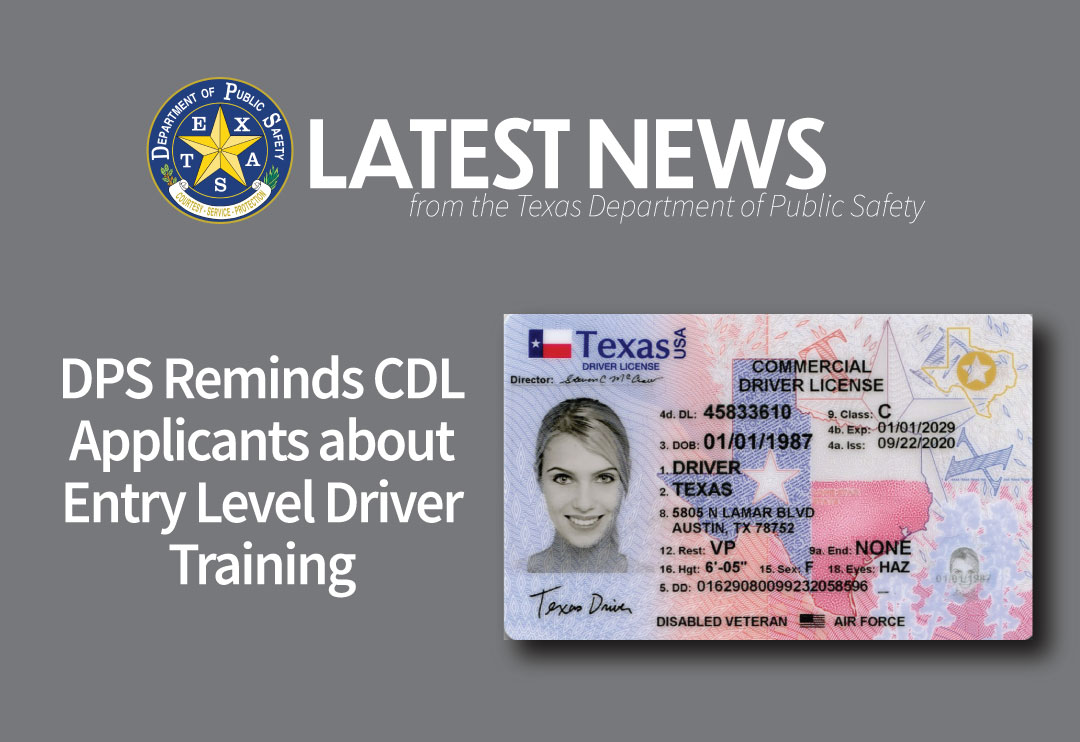
The final hurdle in obtaining your CDL is the skills test, also known as the road test. This comprehensive examination assesses your ability to safely operate a commercial vehicle in real-world driving situations. The test consists of three main components:
- Vehicle Inspection (Pre-Trip Inspection): You will be required to perform a thorough inspection of the vehicle to identify any potential safety defects. This includes checking the engine, tires, brakes, lights, and other critical components. Demonstrating a meticulous understanding of vehicle safety is crucial here.
- Basic Control Skills Test: This part of the test evaluates your ability to maneuver the vehicle at low speeds. It typically includes exercises such as backing into a designated space (e.g., alley dock or parallel parking) and demonstrating precise control.
- Road Test: This is the on-road portion of the skills test. You will drive the commercial vehicle on public roads under normal traffic conditions, demonstrating your ability to merge, change lanes, navigate intersections, and comply with all traffic laws and regulations. The examiner will observe your driving habits, spatial awareness, and overall safety.
It is important to arrive at the testing site with the correct class of commercial vehicle that corresponds to the CDL class you are applying for. For instance, to obtain a Class A CDL, you must take the test in a tractor-trailer combination.
CDL Classes and Endorsements
Texas, like other states, categorizes CDLs into different classes, each permitting the operation of specific types of vehicles. Additionally, endorsements allow drivers to operate vehicles with certain features or to transport particular types of cargo. Understanding these distinctions is key to obtaining the correct license for your career aspirations.
CDL Classifications
- Class A CDL: Required to operate any combination of vehicles with a gross combination weight rating (GCWR) of 26,001 pounds or more, provided the gross vehicle weight rating (GVWR) of the vehicle(s) being towed is in excess of 10,000 pounds. This is typically for tractor-trailers and large towing operations.
- Class B CDL: Required to operate a single vehicle with a GVWR of 26,001 pounds or more, or any such vehicle towing a vehicle with a GVWR not in excess of 10,000 pounds. This class covers vehicles like straight trucks, box trucks, and larger buses.
- Class C CDL: Required to operate vehicles that do not meet the definitions of Class A or Class B but are designed to transport 16 or more occupants (including the driver) or are placarded for hazardous materials. This class often includes smaller buses and specialized vehicles.
CDL Endorsements
Endorsements are added to your CDL to signify that you have met the additional knowledge and skills requirements to operate certain types of vehicles or transport specific cargo. Common endorsements include:
- P (Passenger): Required for operating a vehicle designed to transport 16 or more occupants, including the driver.
- S (School Bus): Required for operating a school bus. This endorsement has additional training and testing requirements beyond the basic passenger endorsement.
- H (Hazardous Materials): Required for transporting hazardous materials that require placarding. Obtaining this endorsement involves a federal background check and a specific knowledge test.
- N (Tank Vehicle): Required for operating vehicles designed to haul liquids or gaseous materials in bulk.
- T (Double/Triple Trailers): Required for operating vehicles pulling double or triple trailers.
- M (Specialty Vehicles): This is a less common endorsement and may apply to specific types of specialized vehicles.
Each endorsement requires passing a separate written knowledge test and, in some cases, a skills test. Thoroughly research which endorsements are necessary for your desired driving career.
Maintaining Your CDL in Texas
Obtaining your CDL is a significant achievement, but the responsibility doesn’t end there. Maintaining your license requires adherence to ongoing regulations and renewal processes.
CDL Renewal
Your CDL in Texas will have an expiration date, typically every five years. To renew your license, you will generally need to:
- Pass a Vision Test: Similar to the initial application, a vision screening is usually required at renewal.
- Provide Updated Medical Certification: If you are required to maintain a Medical Examiner’s Certificate, you must submit a current one upon renewal. The frequency of medical certificate updates depends on your medical condition and the type of driving you do.
- Pay Renewal Fees: A fee is associated with renewing your CDL.
- Pass Required Knowledge Tests: Depending on changes in regulations or if you are adding/removing endorsements, you may need to retake certain knowledge tests.
It is crucial to begin the renewal process well in advance of your expiration date to avoid any lapses in your driving privileges.

Compliance with Federal Regulations
As a CDL holder, you are subject to various federal regulations, most notably those set forth by the FMCSA. These include:
- Hours of Service (HOS) Rules: These regulations limit the number of hours commercial drivers can drive and work to prevent fatigue and ensure safety. Familiarize yourself with the current HOS rules.
- Drug and Alcohol Testing: CDL holders are subject to a stringent drug and alcohol testing program. This includes pre-employment, random, post-accident, and return-to-duty testing.
- Commercial Driver’s License Drug and Alcohol Clearinghouse: Employers and drivers must comply with the CDL Drug and Alcohol Clearinghouse requirements, which track violations of drug and alcohol rules.
Staying informed about these regulations and diligently adhering to them is non-negotiable for maintaining your CDL and ensuring a safe and legal career as a professional driver in Texas. The journey to obtaining a CDL is a rewarding one, opening doors to numerous career opportunities within the vital transportation industry. By understanding and diligently following the outlined steps, you can confidently embark on this path and secure your future as a professional commercial driver.
LifeOutOfTheBox is a participant in the Amazon Services LLC Associates Program, an affiliate advertising program designed to provide a means for sites to earn advertising fees by advertising and linking to Amazon.com. Amazon, the Amazon logo, AmazonSupply, and the AmazonSupply logo are trademarks of Amazon.com, Inc. or its affiliates. As an Amazon Associate we earn affiliate commissions from qualifying purchases.