
The Lone Star State has long been a beacon of opportunity and a magnet for those seeking a life of ambition and wide-open spaces. Yet, for many, a significant part of its allure lies in the surprising affordability of its housing market, particularly when compared to many other major U.S. states. While the perception of “cheap” is relative and markets are always in flux, certain fundamental factors contribute to why houses in Texas often present a more accessible entry point for homeowners and renters alike. This exploration delves into the core reasons behind the relatively low cost of Texas real estate, examining land availability, economic policies, construction practices, and demographic trends that shape this unique landscape.
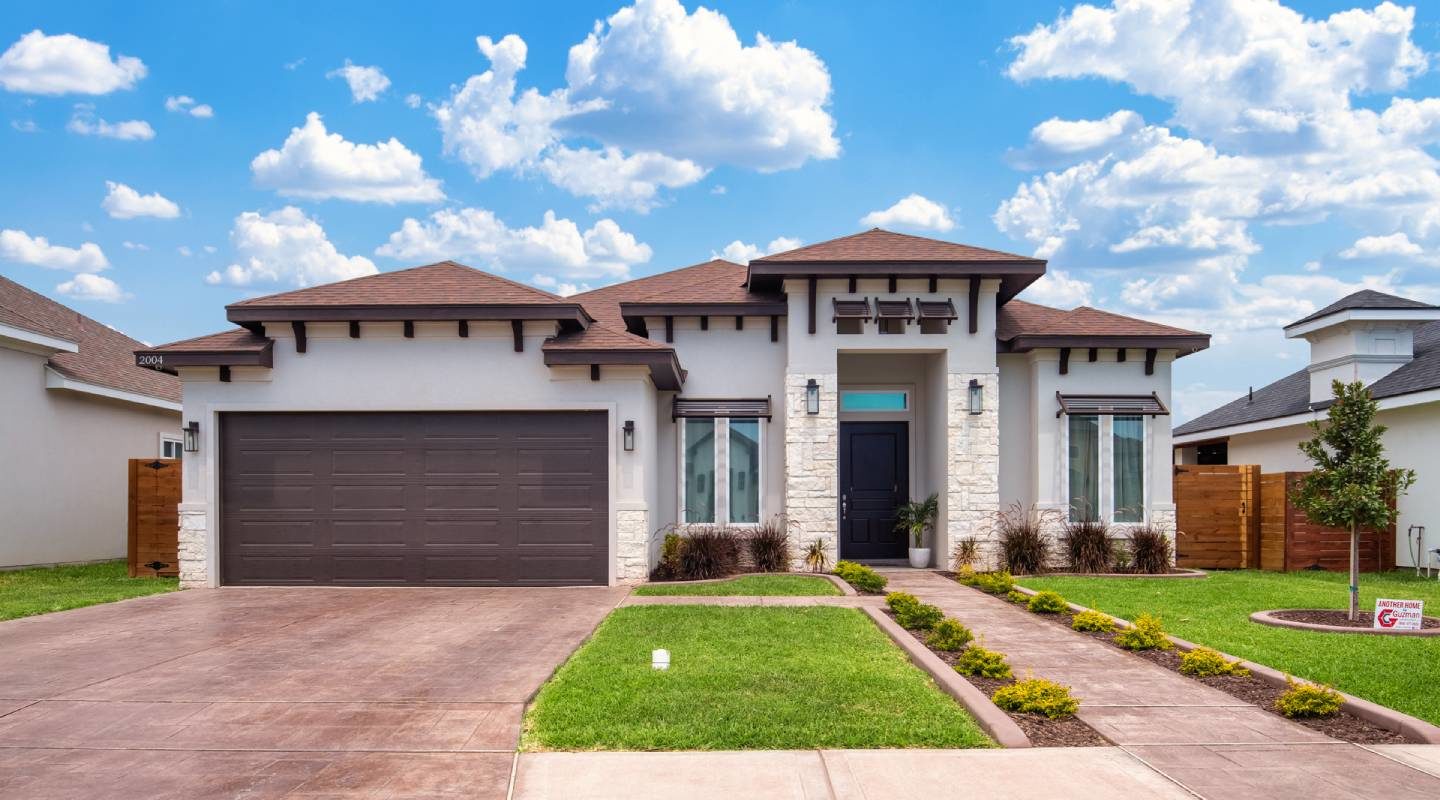
Abundant Land and Decentralized Growth
One of the most significant drivers of affordable housing in Texas is the sheer abundance of land. Unlike densely populated coastal states or regions with strict land-use regulations, Texas boasts vast tracts of undeveloped territory. This extensive land availability means that developers can acquire property at lower costs, a saving that often translates down to the final price of a home. The state’s history as a frontier, coupled with its relatively low population density outside of its major metropolitan areas, has preserved a substantial supply of land for expansion.
Sprawling Metropolitan Areas
Texas’s major cities, such as Houston, Dallas, San Antonio, and Austin, have experienced rapid growth. However, this growth has largely occurred through horizontal expansion rather than vertical densification. Cities tend to sprawl outwards, absorbing surrounding rural and suburban areas. This outward growth pattern allows for the development of single-family homes on larger lots at a more accessible price point compared to areas where space is a premium and high-rise living is the norm. The availability of land on the periphery of these urban centers fuels the development of more affordable housing subdivisions.
Less Restrictive Zoning and Development Policies
Compared to some other states, Texas generally has less restrictive zoning laws and land-use regulations. While important for community planning and environmental protection, overly stringent regulations can significantly increase the cost and time required for new construction. Texas’s more permissive approach often allows for a greater variety of housing types and densities, and facilitates quicker approvals for new developments, thereby keeping development costs lower. This regulatory environment encourages a faster pace of construction, which in turn helps to meet demand without driving up prices as dramatically as in more heavily regulated markets.
Favorable Economic and Tax Climate
The economic policies of Texas play a crucial role in its housing affordability. The state is renowned for its business-friendly environment, attracting a wide array of industries and a growing workforce. This economic vitality, however, is coupled with a tax structure that directly benefits homeowners.
No State Income Tax
Perhaps the most impactful economic factor is Texas’s lack of a state income tax. For residents, this means a higher disposable income, which can be allocated towards housing expenses. Property taxes, while present, are often viewed as a trade-off for the absence of income tax. Furthermore, the property tax rates, while they can be substantial, are applied to a lower base property value in many areas compared to states with high income taxes and higher property values. This financial advantage makes homeownership more attainable and frees up capital for other investments or expenses, including mortgage payments.
Robust Job Market and In-Migration

Texas has consistently boasted one of the nation’s strongest job markets, driven by sectors like oil and gas, technology, healthcare, and manufacturing. This economic dynamism attracts a steady stream of people from other states and even internationally, seeking employment opportunities. While a strong job market can drive up demand and prices, Texas’s ability to rapidly build new housing, thanks to its land availability and development policies, helps to absorb this influx without the dramatic price escalations seen in some other high-growth areas. The continuous supply of new housing stock helps to moderate price increases, keeping the market relatively more affordable.
Construction Practices and Housing Inventory
The way houses are built and the sheer volume of new construction also contribute to Texas’s housing affordability. The state is a leader in new home construction, constantly adding to its housing inventory.
Focus on Single-Family Homes
Texas has a strong preference and historical building pattern for single-family homes. This focus aligns well with the availability of land and the state’s culture. The development of large subdivisions filled with single-family residences allows for economies of scale in construction, which can help to lower per-unit costs. While the demand for multi-family housing is growing in urban centers, the prevailing sentiment and the bulk of new construction often cater to the single-family market, which tends to be more affordable on a per-square-foot basis than comparable urban apartment complexes in other high-cost states.
Efficient Construction Methods
The construction industry in Texas has become highly efficient in building new homes. This efficiency is driven by skilled labor, streamlined processes, and the widespread use of modular or prefabricated components in some segments of the market. The ability to build homes quickly and cost-effectively is crucial in a state with high population growth. This rapid pace of construction ensures that the housing supply can keep pace with demand, acting as a natural brake on excessive price inflation. Companies like Pulte Homes and D.R. Horton are major players in the Texas market, known for their large-scale developments.
Demographic and Cultural Factors
Beyond economics and land, certain demographic and cultural aspects influence housing prices. Texas appeals to a diverse population, including families, retirees, and young professionals, often drawn by its lower cost of living and perceived quality of life.
Appeal to a Wide Range of Lifestyles
The state’s vastness offers a range of living experiences, from bustling urban centers like Austin and Dallas with their cultural attractions and job opportunities, to quieter suburban towns and rural communities. This diversity allows people to find housing that fits their budget and lifestyle preferences. For instance, while housing in popular areas of Austin can be expensive, moving just a short distance away to a neighboring town can significantly reduce housing costs.
“Don’t Mess With Texas” Mentality in Development
While not a formal policy, there’s a certain pragmatic approach to development in Texas that prioritizes practical solutions and accessible living. This can manifest in a willingness to build more housing where it’s needed and a less resistance to development compared to some other regions. The state’s culture often embraces growth and expansion, seeing it as a sign of prosperity and opportunity. This mindset, combined with the other factors, creates an environment conducive to more affordable housing options.
In conclusion, the relative affordability of houses in Texas is not a matter of chance but a result of a confluence of factors. Abundant land, less restrictive development policies, a favorable economic and tax climate, efficient construction, and a culture that embraces growth all contribute to making the dream of homeownership more attainable for many in the Lone Star State. While the market is dynamic and prices can vary significantly by region and city, the underlying fundamentals continue to support a housing landscape that is often more accessible than many other parts of the country.
LifeOutOfTheBox is a participant in the Amazon Services LLC Associates Program, an affiliate advertising program designed to provide a means for sites to earn advertising fees by advertising and linking to Amazon.com. Amazon, the Amazon logo, AmazonSupply, and the AmazonSupply logo are trademarks of Amazon.com, Inc. or its affiliates. As an Amazon Associate we earn affiliate commissions from qualifying purchases.