
The Texas Two-Step is more than just a dance; it’s a cultural icon, a rite of passage, and an essential part of experiencing the authentic spirit of Texas. While the name might evoke images of dusty dance halls and Stetson hats, the dance itself is surprisingly accessible and offers a fantastic window into the state’s rich heritage and vibrant social scene. Whether you’re a visitor looking to immerse yourself in local culture or a long-time resident wanting to refine your skills, understanding the fundamentals and the context of the Texas Two-Step will elevate your experience. This guide will break down the dance, explore its origins, and point you toward the best places to learn and practice this beloved Texan tradition.
The Steps: Decoding the Two-Step
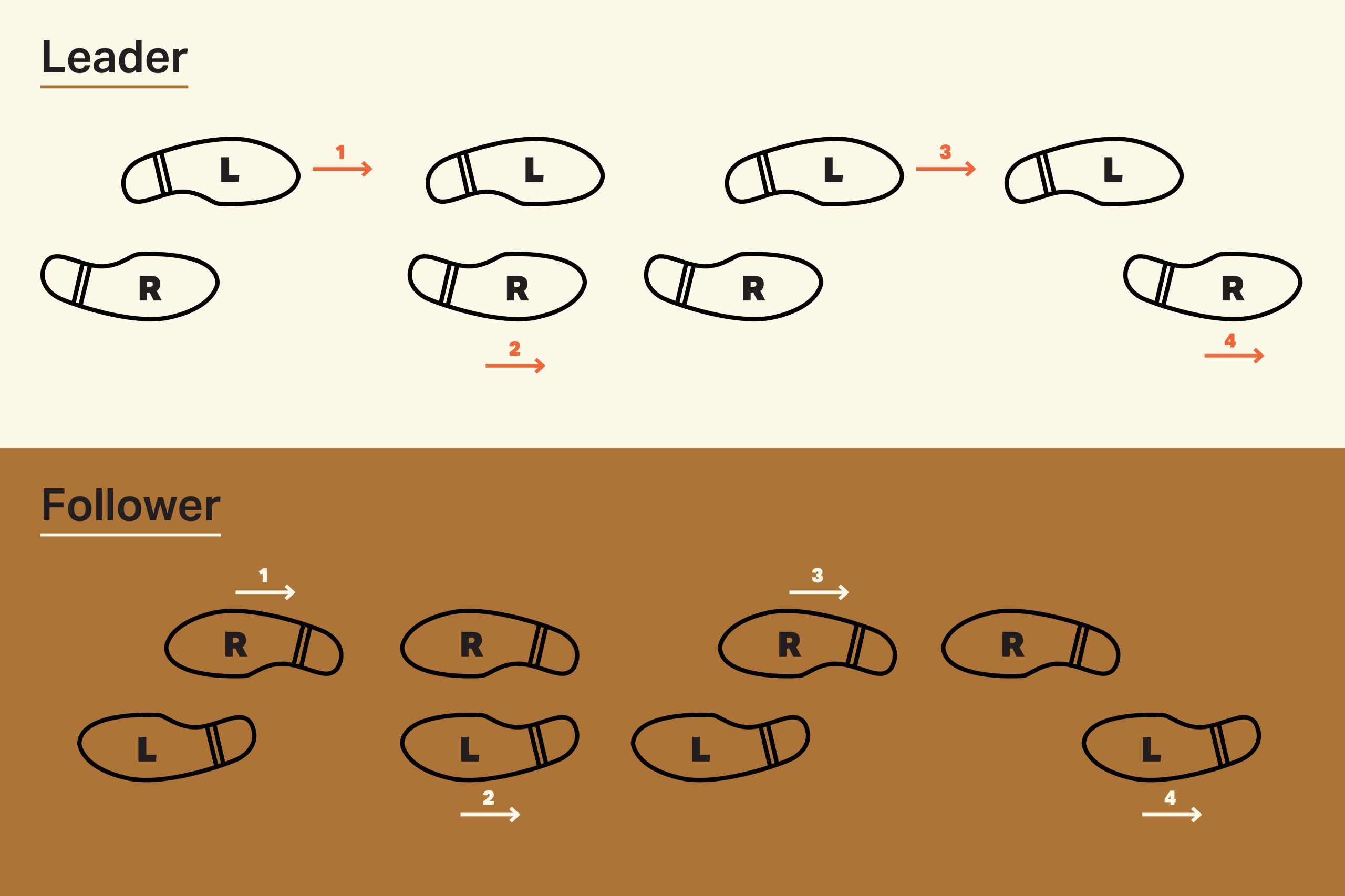
At its core, the Texas Two-Step is a partner dance characterized by a distinctive rhythm and sequence of steps. It’s often danced to country music, but its adaptability allows it to be enjoyed with a variety of tempos and styles. While variations exist, the fundamental pattern is a straightforward six-count sequence.
The Basic Footwork
The dance is typically broken down into two main parts: the “box” step and the “two-step” itself.
The Box Step (Counts 1-4)
This part of the dance establishes the foundational movement and helps partners synchronize. Imagine drawing a square or a box on the floor with your feet.
- Count 1: Step forward with your left foot.
- Count 2: Step forward with your right foot, bringing it beside your left foot.
- Count 3: Step backward with your left foot.
- Count 4: Step backward with your right foot, bringing it beside your left foot.
This completes one side of the box. For the second half of the box, you’ll reverse the direction.
- Count 5: Step backward with your left foot.
- Count 6: Step backward with your right foot, bringing it beside your left foot.
- Count 7: Step forward with your left foot.
- Count 8: Step forward with your right foot, bringing it beside your left foot.
Many instructors simplify this for beginners by combining it into a continuous flow, often taught as “forward, together, back, together.” The key is to maintain a smooth, gliding motion rather than distinct, jerky steps.
The Two-Step (Counts 1-2, or often simplified as “quick, quick”)
Following the box step, or as a standalone sequence, the “two-step” part of the dance involves a quick side-to-side motion.
- Count 1 (Quick): Step to the side with your left foot.
- Count 2 (Quick): Bring your right foot to meet your left foot.
This is then immediately followed by the other side:
- Count 3 (Quick): Step to the side with your right foot.
- Count 4 (Quick): Bring your left foot to meet your right foot.
In many modern teaching methods and actual dance floor execution, the box step is often shortened or adapted. A common and highly effective way to learn is to focus on the “quick, quick, slow, slow” rhythm, which translates to two quick steps followed by two slower steps.
- Quick 1: Step to the left with your left foot.
- Quick 2: Bring your right foot to meet your left foot.
- Slow 3: Step to the left again with your left foot.
- Slow 4: Bring your right foot to meet your left foot.
This can be mirrored to the right. The beauty of the Texas Two-Step lies in its fluidity. The “slow” steps are not a complete pause but a more deliberate, gliding movement, allowing for styling and connection with your partner.
Leading and Following
Like most partner dances, the Texas Two-Step relies on clear communication between the leader and the follower. The leader initiates movements through subtle shifts in weight and gentle pressure in the frame (the connection between the partners). The follower responds to these cues, maintaining their own balance and interpreting the leader’s intentions. Practice and good communication are key to a harmonious dance.
A Rich History: From European Roots to Texan Soil
The Texas Two-Step didn’t spring into existence overnight. Its lineage can be traced back to European folk dances and evolved significantly as it made its way to America and became a staple of Western dance culture.
European Ancestry
The foundational elements of the Texas Two-Step can be seen in various European dances, including the Polka and the Waltz. The concept of a partner dance with a defined rhythm and footwork pattern is common across these traditions. As immigrants arrived in America, they brought their dances with them, which then blended and adapted to the new environment and musical styles.
The Rise of Western Swing and Country Music
The dance truly found its stride and distinctive character in the context of Western Swing music that emerged in the 1930s. Bands like Bob Wills and His Texas Playboys fused elements of jazz, blues, and country, creating an upbeat, danceable sound that begged for lively footwork. The Texas Two-Step became the quintessential dance for this new genre, its quick steps and fluid movements perfectly complementing the energetic rhythms.
Evolution and Modernization
Over the decades, the Texas Two-Step has evolved. While the core steps remain, contemporary country music and a renewed interest in traditional dances have led to variations and stylistic nuances. Today, you’ll find it danced in honky-tonks, dance halls, and even at weddings and festivals across Texas and beyond. Its enduring popularity is a testament to its fun, social nature and its deep connection to Texan identity.
Where to Learn and Dance the Two-Step
The best way to learn the Texas Two-Step is by doing it. Texas offers a wealth of opportunities for aspiring dancers, from formal lessons to casual social gatherings.
Dedicated Dance Halls and Clubs
Many iconic venues across Texas are dedicated to preserving and promoting Western dance. These establishments often offer beginner lessons before the main dancing begins, making them perfect for newcomers.
- Gruene Hall in Gruene: As the oldest continually operating dance hall in Texas, Gruene Hall is a legendary spot. They frequently host live bands playing country and Western Swing music, and the dance floor is always buzzing. Lessons are often available.
- The Stockyards National Historic District in Fort Worth: This historic district is a hub for Western culture, including dance. Numerous venues here, such as the Billy Bob’s Texas (often called the “World’s Largest Honky Tonk”), offer live music and ample space for dancing.
- Floore’s Country Store in Helotes: Another classic Texan venue, Floore’s Country Store has been a gathering place for music and dancing for decades. You’ll find a lively crowd and plenty of opportunities to practice your Two-Step.
- The Broken Spoke in Austin: This Austin institution is renowned for its live country music and a dance floor that’s always packed. They are known for their friendly atmosphere and often offer dance lessons.
Dance Studios and Lessons
For those who prefer structured learning, numerous dance studios across Texas offer dedicated Two-Step classes. These can range from introductory workshops to more advanced technique sessions. Many instructors focus on building a solid foundation in leading and following, ensuring you develop good habits from the start. Online resources and local community centers may also offer classes.
Social Dance Events and Festivals
Keep an eye out for local events and festivals. Many Texas towns and cities host community gatherings, fairs, and music festivals that feature country music and dancing. These events offer a more relaxed atmosphere to practice your skills and enjoy the Texan social scene.
Tips for a Stellar Two-Step Experience
Whether you’re a beginner or looking to improve, a few tips can enhance your Texas Two-Step experience.
Embrace the Social Aspect
The Texas Two-Step is fundamentally a social dance. Don’t be intimidated by experienced dancers. Most people in dance halls are friendly and welcoming. If you’re new, look for a lesson or ask someone who looks approachable if they’d be willing to dance a song with you. Often, a simple “Would you like to dance?” is all it takes.
Master the Fundamentals First
While it’s tempting to jump into complex turns and variations, a strong grasp of the basic box step and the quick-quick-slow rhythm is paramount. Focus on making your steps smooth and connecting with your partner. Good fundamentals will make learning more advanced moves much easier.
Listen to the Music
The music is your guide. Pay attention to the beat, the tempo, and the phrasing. The Texas Two-Step is often danced to music with a clear 4/4 time signature. Learn to count the beats (1-2-3-4, or quick-quick-slow-slow) and let the music dictate your movement.
Practice Your Frame
The “frame” is the connection between partners – the way you hold each other and maintain posture. A good frame allows for clear communication between the leader and the follower. Keep your bodies upright but relaxed, with a gentle but firm connection. Avoid stiffening up or gripping too tightly.
Don’t Be Afraid to Make Mistakes
Everyone starts somewhere. Falling or stepping on your partner’s toes is part of the learning process. Laugh it off, apologize if necessary, and try again. The most important thing is to have fun and enjoy the experience.
Dress Comfortably
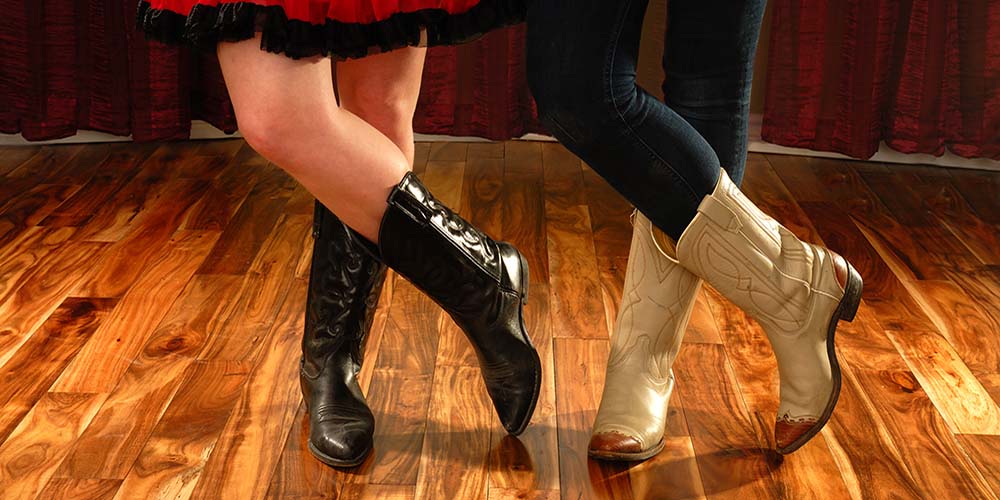
While some may dress up for a night out at a dance hall, comfort is key, especially when you’re learning. Opt for shoes that allow you to move freely without slipping or sticking to the floor. Jeans and a comfortable shirt are perfectly acceptable attire for most venues.
The Texas Two-Step is a vibrant and accessible dance that offers a direct connection to the heart of Texan culture. By understanding its steps, appreciating its history, and seeking out opportunities to dance, you can truly experience this beloved tradition and perhaps even find yourself hooked. So, put on your dancing shoes, head to a local dance hall, and learn how to do the Texas Two-Step – it’s an unforgettable way to embrace the spirit of the Lone Star State.
LifeOutOfTheBox is a participant in the Amazon Services LLC Associates Program, an affiliate advertising program designed to provide a means for sites to earn advertising fees by advertising and linking to Amazon.com. Amazon, the Amazon logo, AmazonSupply, and the AmazonSupply logo are trademarks of Amazon.com, Inc. or its affiliates. As an Amazon Associate we earn affiliate commissions from qualifying purchases.