
Navigating the world of hotel ratings can often feel like deciphering a secret code. From opulent five-star resorts to no-frills budget stays, each star designation promises a different experience. Understanding these classifications is crucial for travelers seeking to align their expectations with their budget and desired comfort level. In this guide, we delve into the specifics of what a two-star hotel represents within the broader spectrum of accommodation.
The Essence of a Two-Star Hotel
A two-star hotel typically signifies a lodging establishment that offers basic comfort and essential services, catering primarily to travelers prioritizing affordability and functionality over luxury. These hotels are a staple in the accommodation landscape, providing a reliable option for short stays, business trips, or as a base for exploring a city like London. They are not designed to be destinations in themselves but rather a practical and economical place to rest and recharge.
Key Characteristics
When you book a two-star hotel, you can generally expect the following:
- Cleanliness and Safety: This is a fundamental prerequisite for any hotel. Two-star establishments are expected to maintain a good standard of cleanliness in rooms and public areas, and to adhere to all safety regulations. Guests can anticipate a secure environment for their stay.
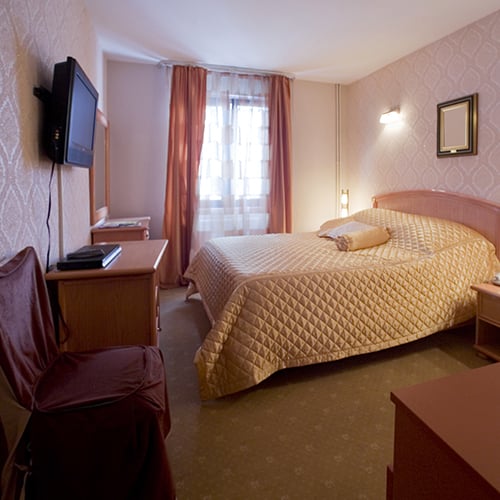
- Basic Room Amenities: Rooms in a two-star hotel will typically include a bed, a private bathroom with a shower or bathtub, a sink, and a toilet. You can also expect a television, often with a limited selection of channels, and perhaps a small closet or wardrobe for storing belongings. Air conditioning or heating is usually provided, though it might be a more basic system.
- Limited On-Site Services: Unlike their higher-rated counterparts, two-star hotels usually offer fewer on-site services. You won’t typically find a full-service restaurant, a swimming pool, a fitness center, or a business center. However, some may offer a continental breakfast, either included or for an additional fee. A front desk is generally available, though its operating hours might be restricted, particularly overnight.
- Location: Two-star hotels are often found in areas that offer convenience and accessibility without the premium price tag of prime downtown locations or tourist hotspots. They might be situated near transportation hubs like train stations or airports, along major roadways, or in quieter residential neighborhoods that are still within reasonable reach of attractions and business districts. For example, a traveler visiting Paris might find a two-star hotel in an outer arrondissement that still provides easy access to the city center via public transport.
- Target Audience: The primary demographic for two-star hotels includes budget-conscious travelers, backpackers, students, and those on road trips who need a clean and safe place to sleep without incurring significant costs. Business travelers on short trips who require only basic amenities also find them suitable.
Comparing Two Stars to Other Ratings
To fully appreciate what a two-star hotel offers, it’s helpful to see how it stacks up against other common hotel rating categories.
The Spectrum of Hotel Stars
- One-Star Hotels: These are the most basic accommodations, often akin to a motel or a boarding house. They typically offer a bed and a shared or very basic private bathroom, with minimal amenities and services. Cleanliness is expected, but comfort and modern facilities are often sacrificed for extreme affordability.
- Two-Star Hotels: As discussed, these offer a step up from one-star establishments, providing private bathrooms, basic in-room entertainment, and a slightly more comfortable environment. They represent a good balance of cost and essential comfort.
- Three-Star Hotels: This is often considered the “standard” for many travelers. Three-star hotels provide more extensive amenities, such as on-site restaurants or cafes, better quality furnishings, more attentive service, and often a wider range of in-room facilities like hairdryers and coffee makers. They are a good choice for those seeking a comfortable and convenient stay with a moderate budget.
- Four-Star Hotels: These hotels offer a higher level of comfort, service, and amenities. Guests can expect well-appointed rooms, a choice of dining options, dedicated concierge services, and often facilities like a fitness center or swimming pool. The overall experience is more refined.
- Five-Star Hotels: Representing the pinnacle of luxury and service, five-star hotels offer exceptional accommodations, personalized attention, gourmet dining, and a comprehensive range of high-end amenities and services. Every aspect of the guest experience is meticulously crafted for indulgence and exclusivity, often found in iconic properties like the Ritz Paris.
Value Proposition
The value of a two-star hotel lies in its cost-effectiveness. For travelers who spend most of their time exploring a destination, such as visiting the Statue of Liberty in New York City, the hotel serves its primary purpose: a place to sleep and freshen up. The savings achieved by opting for a two-star hotel can be reinvested in experiences, dining, or souvenirs. It allows travelers to allocate their budget towards what matters most to them.
Practical Considerations When Booking a Two-Star Hotel
While the star rating provides a general idea, several practical aspects are worth considering to ensure a positive experience at a two-star hotel.
What to Expect and What Not to Expect

- Do Expect: A clean, safe, and functional room with a private bathroom. You can typically anticipate basic toiletries, clean linens, and a place to rest. The staff will be available during certain hours to assist with check-in, check-out, and basic inquiries.
- Don’t Expect: A lavish décor, gourmet dining options, extensive concierge services, or a multitude of recreational facilities. The atmosphere is generally less formal and more utilitarian. For instance, a hotel in the Scottish Highlands might offer a hearty breakfast, but not a Michelin-starred dining experience.
Reading Reviews
The star rating is a guideline, but individual hotel experiences can vary. Reading recent guest reviews is essential. Pay attention to comments regarding:
- Cleanliness: This is paramount. Look for consistent feedback on the hygiene of rooms and bathrooms.
- Staff Friendliness and Helpfulness: Even at a basic level, good customer service can significantly enhance your stay.
- Noise Levels: Hotels located near busy roads or attractions might experience more noise. Reviews can highlight this.
- Actual Amenities: While ratings suggest certain amenities, reviews can confirm their availability and condition. For example, if a continental breakfast is advertised, reviews can confirm if it’s fresh and varied.
- Proximity to Transportation and Attractions: Reviews can offer insights into how easy it is to get around from the hotel’s location.
Booking Strategies
- Book in Advance: While not always necessary for two-star hotels, booking in advance, especially during peak travel seasons, can secure you a room at a favorable rate and guarantee availability.
- Compare Prices: Use online travel agencies (OTAs) and hotel comparison websites to find the best deals. Look for any special offers or package deals that might include breakfast or parking.
- Consider Location Carefully: Think about your primary activities during your stay. If you plan to spend most of your time sightseeing in a specific area, a slightly more expensive hotel closer to those attractions might be more convenient than a cheaper one further out. For a trip to Tokyo, proximity to a subway station is often more important than the hotel’s star rating.
When a Two-Star Hotel is the Perfect Choice
A two-star hotel isn’t just a budget option; it can be the ideal choice for specific travel scenarios.
Budget-Conscious Travel
For travelers whose primary goal is to experience a destination without overspending on accommodation, a two-star hotel is an excellent solution. This allows for more funds to be allocated to activities, local cuisine, and cultural immersion, making trips to places like Rome or Berlin more accessible.
Short Stays and Layover Stops
If you’re staying in a city for just one or two nights, or if you need a convenient place to rest during a long layover, a two-star hotel provides the necessary facilities without unnecessary frills. This is ideal for business travelers on short trips or those transiting through a city.
Road Trips and Pit Stops
When embarking on a road trip, such as driving across the United States, a two-star hotel offers a safe and clean haven for overnight stops. The focus is on comfort and rest rather than amenities, allowing travelers to continue their journey refreshed.

Base Camp for Exploration
For adventurous travelers who plan to spend their days hiking in Banff National Park or exploring the ancient ruins of Machu Picchu, the hotel often serves as little more than a place to sleep. In such cases, a two-star hotel provides functional accommodation without an inflated price tag.
In conclusion, a two-star hotel offers a clear and predictable level of service and comfort. It is an honest and practical choice for travelers who understand its limitations and appreciate its value proposition. By setting realistic expectations and doing a bit of research, you can ensure that a two-star hotel meets your needs for a pleasant and affordable stay.
LifeOutOfTheBox is a participant in the Amazon Services LLC Associates Program, an affiliate advertising program designed to provide a means for sites to earn advertising fees by advertising and linking to Amazon.com. Amazon, the Amazon logo, AmazonSupply, and the AmazonSupply logo are trademarks of Amazon.com, Inc. or its affiliates. As an Amazon Associate we earn affiliate commissions from qualifying purchases.