
Embarking on a road trip or planning a relocation between two of Texas’s most distinct cities, Amarillo, Texas and Dallas, Texas, involves understanding the significant distance and planning accordingly. This journey traverses a substantial portion of the Lone Star State, offering a glimpse into its diverse landscapes, from the rolling plains of the Panhandle to the bustling urban sprawl of North Texas.
The primary consideration for any traveler or new resident is the mileage and the time it takes to cover it. The most direct and commonly used route between these two major hubs is primarily via Interstate 45 and U.S. Route 287. This path, while the most straightforward, still presents a considerable undertaking.
The Driving Distance and Time
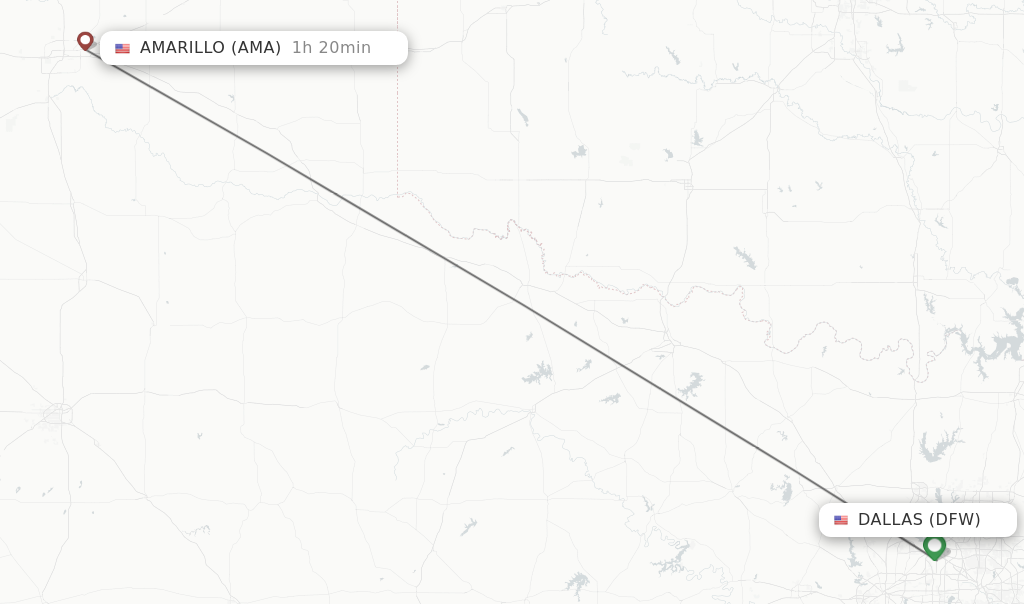
The asphalt ribbon unfurling between Amarillo, Texas and Dallas, Texas stretches for approximately 360 to 380 miles, depending on the specific starting and ending points within each metropolitan area. This figure is not a mere statistic but a crucial piece of information that dictates the feasibility of a one-day drive versus the necessity of an overnight stop.
Route Optimization and Travel Modes
When considering the drive, the most efficient route typically involves heading south from Amarillo on US-287 until it merges with I-45 or other connecting highways that lead into the Dallas-Fort Worth Metroplex. This route is generally well-maintained and offers ample services for travelers, including gas stations, rest stops, and dining options.
The estimated driving time, without accounting for significant traffic delays or extended stops, is typically between five and six hours. However, this can easily extend to seven or even eight hours, especially if one encounters heavy traffic entering or leaving Dallas, or if road construction is underway. It is always prudent to add a buffer of at least an hour or two to any estimated travel time for a journey of this length.
For those who prefer not to drive the entire distance themselves, alternative travel modes exist. Flying is a considerably faster option, with direct flights available from Rick Husband Amarillo International Airport to Dallas/Fort Worth International Airport or Dallas Love Field Airport. Flight times are typically around one hour, but when factoring in travel to and from airports, security checks, and boarding procedures, the total travel time can still be several hours, though often less than driving.
Planning Your Journey: Stops and Amenities
Given the driving distance, many travelers opt to break up the journey. The halfway point, or a convenient location for an overnight stay, often falls around the Waco, Texas area. Waco offers a variety of lodging options, from budget-friendly motels to more upscale hotels, and is home to attractions like the Magnolia Market at the Silos and the Texas Ranger Hall of Fame and Museum, which can provide a welcome diversion.
Other potential stopping points include smaller towns along US-287, offering a more rustic Texas experience. These towns might have fewer amenities than larger cities, so it’s wise to plan fuel and food stops in advance if venturing off the main thoroughfares.
Navigating the Texas Landscape
The drive from Amarillo to Dallas is not just a measure of miles but an exploration of the diverse geographical and cultural tapestry of Texas. The landscape undergoes a noticeable transformation as one travels from the Panhandle to North Texas.
Panhandle Plains to Post Oak Savannah
In the north, Amarillo is situated in the High Plains, characterized by vast, open expanses of flat or gently rolling terrain. This is classic cattle country, with sprawling ranches and a sense of wide-open spaces. As the drive progresses southward, the landscape begins to subtly change. The terrain may become slightly more undulating, and the vegetation shifts from the grasses of the plains to the scattered trees and brush that herald the transition towards East Texas.
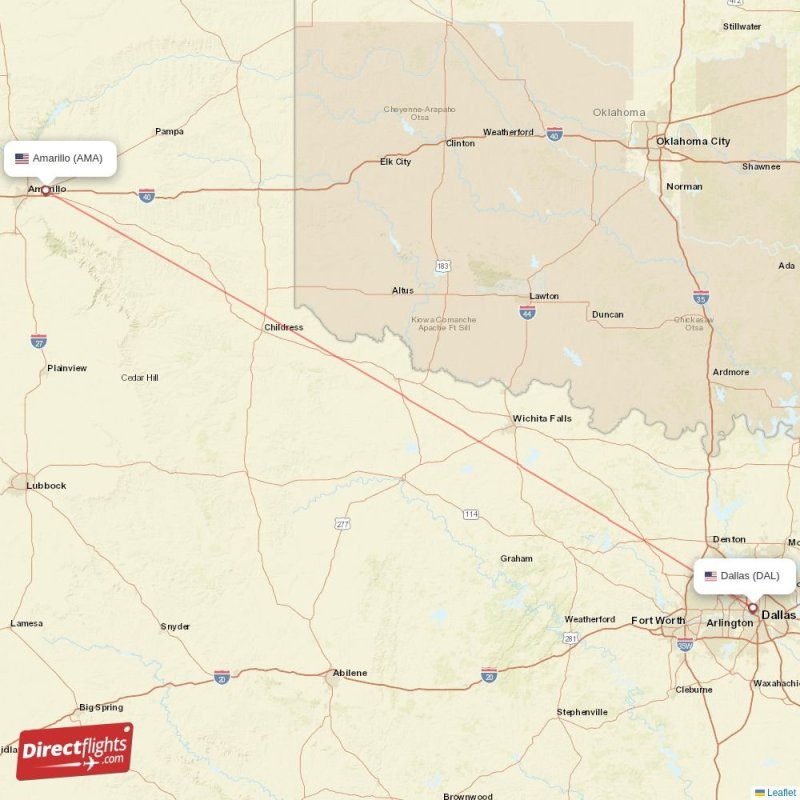
Approaching the Dallas-Fort Worth Metroplex, the environment becomes more urbanized, with increased development and a denser population. The transition zone between the plains and the more wooded areas is often marked by changes in agriculture, with more varied crops and smaller farms interspersed with residential and commercial areas.
Weather Considerations for the Journey
Texas weather is notoriously unpredictable and can significantly impact travel plans. Both Amarillo and Dallas experience distinct seasons, and the journey between them can expose travelers to a range of conditions.
- Spring (March-May): This season is prone to severe weather, including thunderstorms, hail, and tornadoes, particularly in North Texas. While Amarillo can also experience severe weather, the southern route might encounter storm systems forming or moving through the central part of the state.
- Summer (June-August): Expect hot temperatures across the entire route. Highs in the 90s and 100s Fahrenheit are common. Drought conditions can also be prevalent, leading to dry landscapes and increased wildfire risk in some areas.
- Fall (September-November): This is often considered the most pleasant time to travel, with cooler temperatures and less humidity. However, late-season storms are still possible.
- Winter (December-February): Winters can vary. Amarillo in the Panhandle can experience significant snowfall and icy conditions, which can impact road travel. While Dallas typically sees less severe winter weather, ice storms can still occur and cause hazardous driving conditions, especially on bridges and overpasses.
It is essential to check weather forecasts for the entire route before departing and to be prepared for potential disruptions. This might include delaying travel during severe weather events or adjusting departure times.
Beyond the Miles: Cultural and Experiential Differences
While the distance between Amarillo, Texas and Dallas, Texas is a primary logistical consideration, the journey also highlights the vast cultural and experiential differences within Texas.
The Panhandle Spirit vs. The Metroplex Buzz
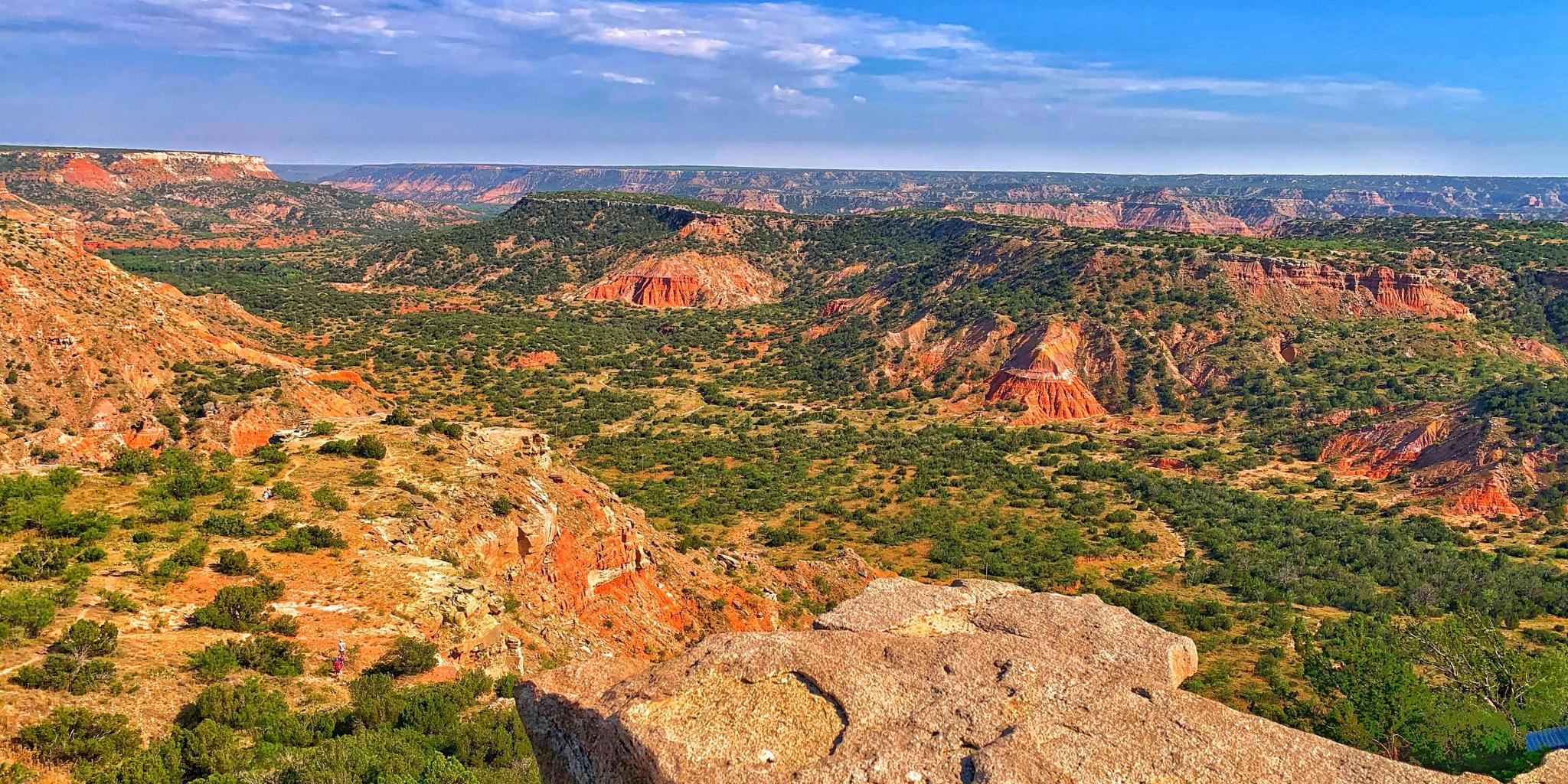
Amarillo embodies the spirit of the Texas Panhandle – a place known for its wide-open spaces, ranching heritage, and a friendly, down-to-earth demeanor. It’s a city that embraces its rugged, independent character. Landmarks like the Cadillac Ranch and the nearby Palo Duro Canyon State Park speak to this unique identity, blending art, history, and natural beauty. The pace of life in Amarillo is generally more relaxed compared to the frenetic energy of a major metropolitan area.
Dallas, on the other hand, is the heart of a thriving cosmopolitan center. It’s a global city with a dynamic economy, a rich cultural scene, and a fast-paced lifestyle. From world-class museums like the Dallas Museum of Art to vibrant entertainment districts and a burgeoning culinary landscape, Dallas offers a different kind of Texas experience. The diversity of its population and the sheer number of businesses and attractions contribute to its energetic atmosphere.
Gastronomic Journeys: From Steak to Tex-Mex
The culinary experiences along the route also reflect the regional variations. Amarillo is famously known for its steaks, with restaurants like the Big Texan Steak Ranch catering to hearty appetites and offering a taste of classic Texas frontier dining. The cuisine here often emphasizes traditional comfort foods and a strong Western influence.
As one travels south towards Dallas, the culinary scene becomes far more diverse. While steakhouses are still prominent, the city boasts an incredible array of international cuisines, from authentic Tex-Mex and barbecue to Vietnamese, Italian, and innovative fusion restaurants. The dining scene in Dallas is a reflection of its status as a major urban center, offering something to satisfy every palate.
Conclusion: A Journey Worth Planning
The question of “How Far Is Amarillo, Texas From Dallas, Texas?” is more than a simple distance query; it’s an invitation to understand the geographical, logistical, and cultural nuances of a significant Texas passage. Whether you’re embarking on a cross-state road trip, planning a move, or simply curious about the vastness of Texas, this journey offers a compelling experience.
Understanding the approximate 360-380 mile distance and the 5-6 hour drive time is the first step. However, truly appreciating this route involves considering potential stops, anticipating the changing landscapes, being mindful of weather conditions, and recognizing the distinct personalities of the Panhandle and North Texas. This distance, while substantial, connects two vibrant and unique Texan destinations, each offering its own compelling reasons to explore. Planning your trip with these factors in mind will ensure a smoother, more enjoyable, and more enriching travel experience across the Lone Star State.
LifeOutOfTheBox is a participant in the Amazon Services LLC Associates Program, an affiliate advertising program designed to provide a means for sites to earn advertising fees by advertising and linking to Amazon.com. Amazon, the Amazon logo, AmazonSupply, and the AmazonSupply logo are trademarks of Amazon.com, Inc. or its affiliates. As an Amazon Associate we earn affiliate commissions from qualifying purchases.