
Planning a road trip or a leisurely drive between two of Texas most popular cities, Dallas and Corpus Christi, involves understanding the distances, travel times, and the most efficient routes. Whether you’re heading south for the sun-drenched beaches of the Gulf Coast or north for the vibrant urban energy of the Metroplex, knowing the specifics of this journey is crucial for a smooth travel experience. This guide will delve into the driving distances, estimated travel times, and offer insights into the best ways to traverse the approximately 350 miles that separate these two distinct Texan locales.
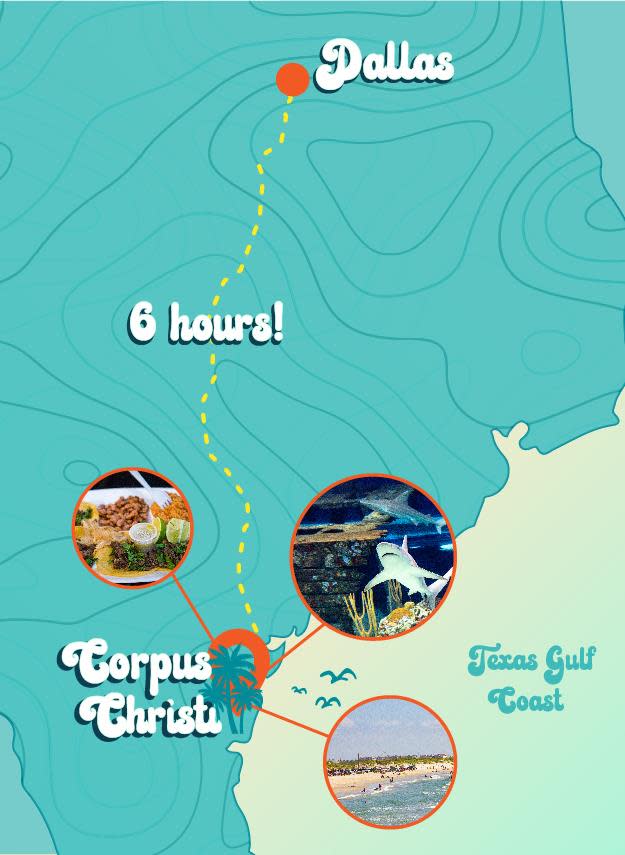
The journey from Dallas to Corpus Christi is a classic Texas road trip, showcasing the diverse landscapes of the Lone Star State. It’s a route that can be tackled in a single day, though many opt for a more relaxed pace, incorporating stops to break up the drive. The primary factor influencing your travel time will be your chosen mode of transport and your willingness to navigate traffic, especially around the major metropolitan areas. Understanding these variables will allow you to optimize your itinerary and arrive at your destination refreshed and ready to explore.
Navigating the Route: Dallas to Corpus Christi
The most direct and commonly used route for traveling from Dallas to Corpus Christi typically involves heading south on Interstate 35E (I-35E) out of Dallas, which then merges into Interstate 35 (I-35) as you head towards Central Texas. From I-35, the most logical transition is to pick up U.S. Highway 77 (US-77) south, which will guide you towards the Gulf Coast and directly into Corpus Christi.
This route is approximately 340 to 350 miles in length, depending on your exact starting point in Dallas and your final destination within Corpus Christi. The driving time is generally estimated to be between 5 to 6 hours of pure driving, without factoring in any stops for fuel, food, or rest. It’s important to remember that this estimate can fluctuate significantly based on traffic conditions, road construction, and weather.
Optimizing Your Drive
To ensure a smooth journey, consider the following for optimizing your drive:
- Departure Time: To avoid the heaviest traffic, especially when leaving Dallas, aim to depart early in the morning, ideally before 7:00 AM. Similarly, returning to Dallas from Corpus Christi, a similar early departure will help you circumvent congestion. Weekends can also present different traffic patterns, with Friday afternoons and Sunday evenings often being particularly busy.
- Route Variations: While I-35 and US-77 is the most direct, alternative routes exist. For instance, some travelers might choose to take U.S. Highway 287 (US-287) further east and then connect to other state highways. However, these usually add to the mileage and travel time. For efficiency, sticking to the interstates and major highways is generally recommended.
- Navigational Tools: Utilize real-time GPS applications like Google Maps or Waze. These tools provide up-to-the-minute traffic updates, suggest alternative routes in case of significant delays, and can help you accurately estimate your arrival time. They are invaluable for navigating the urban sprawl of Dallas and the sometimes unpredictable road conditions across Texas.
The drive itself offers a glimpse into the heart of Texas. You’ll transition from the rolling hills of North Texas through the flatter plains of Central Texas, eventually entering a more coastal landscape as you approach your destination. The change in scenery is gradual but noticeable, adding to the richness of the travel experience.
Understanding Travel Time Factors
Several key factors can influence the actual time it takes to complete the drive from Dallas to Corpus Christi. Being aware of these can help you set realistic expectations and plan your stops accordingly.
Traffic Congestion
Traffic is perhaps the most significant variable. Dallas is one of the fastest-growing metropolitan areas in the United States, and its highways often experience heavy congestion, particularly during peak commuter hours (typically 6:00 AM to 9:00 AM and 3:00 PM to 6:30 PM on weekdays). Exiting the city can add considerable time to your journey.
Similarly, as you approach Corpus Christi, particularly on highways leading into the city, traffic can increase, especially during popular travel times or weekends when visitors flock to the coast. While Corpus Christi is not as densely populated as Dallas, its major arteries can still experience slowdowns.
Road Conditions and Construction
Texas is known for its extensive highway system, but this also means ongoing maintenance and construction projects. It’s not uncommon for drivers to encounter temporary lane closures, detours, or speed reductions due to roadwork. These can add unexpected delays to your trip. Checking the Texas Department of Transportation (TxDOT) website or using real-time navigation apps can provide alerts about significant construction zones.
Weather
The weather in Texas can be quite unpredictable. While the drive is generally pleasant, severe weather events, such as heavy rain, thunderstorms, or even fog (particularly closer to the coast), can significantly impact driving conditions and speed. During hurricane season, which runs from June 1 to November 30, coastal areas like Corpus Christi can be affected by tropical storms or hurricanes, leading to hazardous travel or even road closures. It is always advisable to check the weather forecast before embarking on your journey.

Stops and Breaks
A 5- to 6-hour drive is best broken up with stops for rest, meals, and fuel. These stops, while necessary for a comfortable journey, will add to your total travel time. Planning where and when you’ll stop can help you manage your schedule. Numerous rest areas, truck stops, and small towns offer opportunities for a break along the I-35 and US-77 corridor.
Planning Your Stopovers and Amenities
Given the length of the drive, most travelers will want to plan at least one significant stop. Fortunately, the route between Dallas and Corpus Christi passes through or near several towns and cities that offer amenities and potential points of interest.
Central Texas Towns
As you drive south on I-35, you’ll pass through or near cities like Waco and Temple. Waco, for instance, is home to the Magnolia Market at the Silos and the Dr Pepper Museum, making it a popular stop for a longer break or even an overnight stay if you wish to extend your trip. These cities offer a range of dining options, from fast-food chains to local eateries, as well as gas stations and basic services.
Transitioning to the Coast
Once you transition to US-77, the landscape begins to change, and towns become smaller. Cities like Alice and [Robstown](https://lifeoutofthebox.com/ düşünüyorum) will be encountered closer to Corpus Christi. These areas are less geared towards major tourist attractions but provide essential services like fuel and quick meal stops.
Amenities Along the Route
- Fuel Stations: Major interstates and highways are well-serviced with numerous gas stations. You’ll find a concentration of these in larger towns and cities, but they are generally accessible at regular intervals.
- Dining: From fast-food outlets to sit-down restaurants, the route offers a variety of dining choices. Larger cities will provide a broader selection, while smaller towns may have more limited, but often charming, local options.
- Rest Areas: The Texas Department of Transportation maintains rest areas along major highways, offering restrooms and picnic facilities. These are crucial for short breaks to stretch your legs.
- Lodging: If you decide to break the journey into two days, cities like Waco, Austin (a slight detour but a major hub), or even smaller towns along the way offer various hotel and motel options. Corpus Christi itself boasts a wide array of hotels, from budget-friendly motels to luxury resorts along the coast, such as the Omni Corpus Christi Hotel or boutique options like the Hotel Corpus Christi, SureStay Collection by Best Western.
By planning your stops, you can transform a long drive into a more enjoyable part of your overall travel experience, ensuring you arrive at your Corpus Christi destination ready to embrace the coastal charm.
Alternative Transportation: Flying and Bus Travel
While driving is a popular choice for its flexibility and the opportunity to see the Texas landscape, it’s worth considering alternative transportation methods for traveling between Dallas and Corpus Christi.
Flying
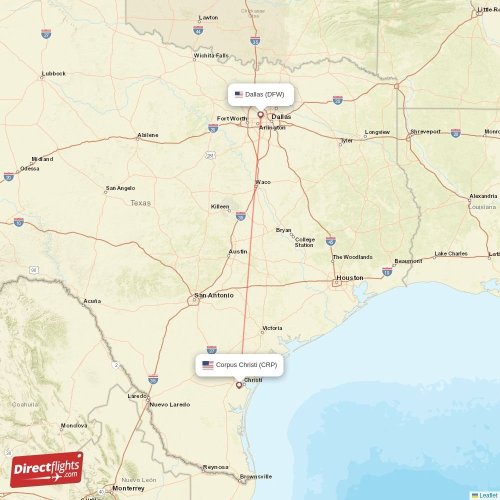
For those prioritizing speed, flying is the most efficient option. Dallas-Fort Worth International Airport (DFW) and Dallas Love Field (DAL) are the primary airports serving the Dallas area, and Corpus Christi International Airport (CRP) serves the destination.
- Flight Duration: Direct flights between Dallas and Corpus Christi are typically short, often around 1 hour and 15 minutes.
- Total Travel Time: However, when you factor in travel to and from airports, check-in times, security, and potential flight delays, the total travel time can easily approach or even exceed the driving time. Nevertheless, for those who dislike long drives, it remains a viable option.
- Cost: Flight prices can vary significantly based on the airline, time of booking, and season. It’s advisable to compare prices across different airlines and booking platforms to find the best deal.
Bus Travel
Intercity bus services, such as those operated by Greyhound, also provide transportation between Dallas and Corpus Christi.
- Duration: Bus journeys are considerably longer than driving, often taking 7 to 9 hours or more, depending on the route and the number of stops.
- Cost: Bus travel is generally the most budget-friendly option.
- Comfort and Amenities: Modern buses often offer amenities like Wi-Fi, power outlets, and reclining seats, making the longer journey more bearable. However, it’s important to note that schedules are fixed, and you have less flexibility than with a personal vehicle.
Whether you choose the open road, the skies, or the bus, understanding the distance and time involved is the first step in planning a successful trip between these two dynamic Texas cities. Each method offers a different experience, catering to varied preferences for speed, cost, and convenience.
LifeOutOfTheBox is a participant in the Amazon Services LLC Associates Program, an affiliate advertising program designed to provide a means for sites to earn advertising fees by advertising and linking to Amazon.com. Amazon, the Amazon logo, AmazonSupply, and the AmazonSupply logo are trademarks of Amazon.com, Inc. or its affiliates. As an Amazon Associate we earn affiliate commissions from qualifying purchases.