
Alaska, a state synonymous with vast wilderness, icy landscapes, and the aurora borealis, often sparks questions about its precise geographical location. One of the most frequent inquiries revolves around its relationship with the Arctic Circle. This article delves into the geographical realities, explores the implications for travelers, and highlights the unique experiences available in this northernmost U.S. state.
Understanding the Arctic Circle
The Arctic Circle is one of the five major circles of latitude that mark maps of Earth. It is defined as the parallel of latitude that runs 66 degrees, 33 minutes, and 39 seconds north of the Equator. This line is significant because it marks the southernmost latitude in the Northern Hemisphere at which the sun can remain continuously above the horizon for 24 hours at least once per year, and the sea of darkness can remain below the horizon for 24 hours at least once per year.

The Significance of 66.5° North Latitude
The precise location of the Arctic Circle is not fixed; it shifts gradually northward over time due to slight variations in the Earth’s axial tilt. However, its current position is a crucial reference point for understanding polar phenomena. For travelers and geographers alike, the Arctic Circle signifies the threshold of the polar region, a zone where day and night behave in extraordinary ways.
Beyond the Line: The Arctic Region
It’s important to distinguish between the Arctic Circle and the broader Arctic region. The Arctic is typically defined by the area north of the Arctic Circle, or by the area where the average July temperature is 10°C (50°F) or less. Alaska, as a whole, is intimately connected with the Arctic environment and its unique characteristics.
Alaska’s Position Relative to the Arctic Circle
The answer to whether Alaska is in the Arctic Circle is nuanced. While not the entire state lies north of the 66.5° N parallel, a significant portion of Alaska does, and its identity is inextricably linked to its polar geography.
Northern Alaska: Definitely Above the Line
The northernmost regions of Alaska, including cities like Barrow (now officially Utqiagvik), lie well above the Arctic Circle. Traveling to these areas means experiencing the full dramatic effects of polar daylight in summer and polar night in winter. For visitors, this translates into 24-hour sunlight during the summer solstice and extended periods of twilight or darkness during the winter.
Central and Interior Alaska: Crossing the Threshold
Many popular destinations in central and interior Alaska, while perhaps not reaching the extreme northern latitudes, are still significantly impacted by their proximity to the Arctic Circle. Cities like Fairbanks are situated close enough to experience distinct seasonal changes in daylight and are prime locations for viewing the aurora borealis. The very essence of an Alaskan adventure is often tied to its northern character.
Southern Alaska: Below the Line, but Still Arctic-Influenced
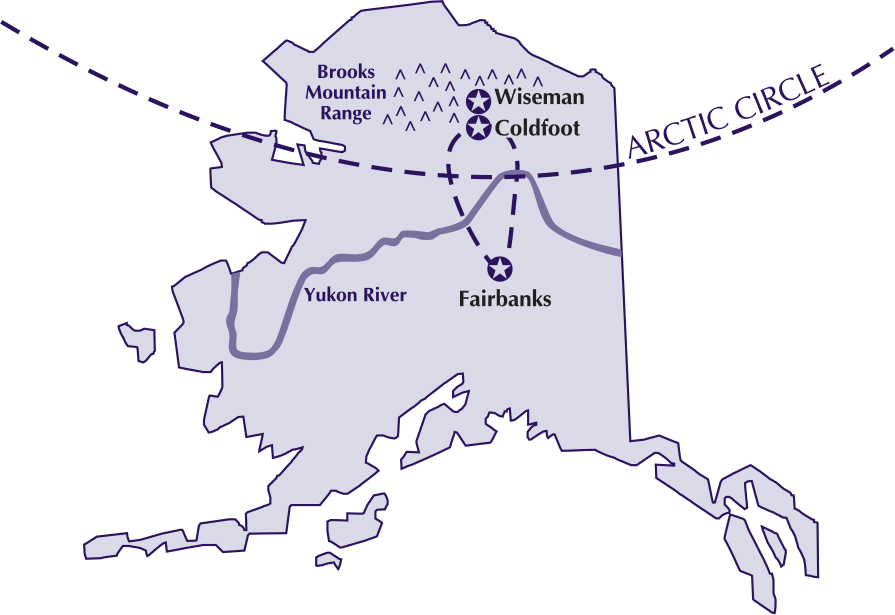
The southern coastal regions of Alaska, including cities like Anchorage and Juneau, lie south of the Arctic Circle. However, the climate, the landscapes, and the wildlife in these areas are still profoundly influenced by the broader Arctic environment. Glaciers, dramatic mountain ranges, and abundant marine life are all part of the grand Alaskan tapestry, irrespective of one’s exact latitude relative to the Arctic Circle.
Experiencing the Alaskan Arctic
The question of whether Alaska is in the Arctic Circle is less about a strict geographical boundary and more about the profound experiences that its northern latitude offers. Traveling to Alaska is, in many ways, an immersion into an Arctic-like environment.
The Magic of the Midnight Sun and Polar Night
For those venturing north of the Arctic Circle in Alaska, the phenomenon of the midnight sun is a remarkable spectacle. During summer, the sun dips towards the horizon but never fully sets, bathing the landscape in an ethereal golden light for 24 hours. This offers extended opportunities for exploration, hiking, and enjoying the vast scenery. Conversely, the winter brings the polar night, where the sun remains below the horizon, creating long periods of twilight and darkness. This is the prime time for witnessing the celestial dance of the aurora borealis.
Wildlife Encounters in the North
The unique climate and geography of northern Alaska support a remarkable array of wildlife adapted to these conditions. Visitors may have opportunities to see caribou herds migrating across the tundra, polar bears hunting along the coast, arctic foxes, and a variety of seabirds. Even areas south of the Arctic Circle teem with iconic Alaskan animals like moose, bears, and eagles.
Cultural Immersion in Arctic Communities
The indigenous peoples of Alaska, such as the Inupiat and Yupik, have thrived in these northern environments for millennia. Traveling to communities above the Arctic Circle offers a unique opportunity to learn about their rich cultures, traditions, and their deep connection to the land and sea. Experiencing their way of life provides invaluable insight into the resilience and adaptability required to live in such an extreme climate.
Planning Your Arctic Alaskan Adventure
Whether your itinerary takes you strictly north of the Arctic Circle or focuses on the northern-influenced regions of Alaska, careful planning is essential for a rewarding trip.
Key Destinations and Activities
- Utqiagvik (Barrow): The northernmost city in the United States, offering a true Arctic Circle experience with 24-hour daylight in summer and opportunities to witness the aurora borealis in winter.
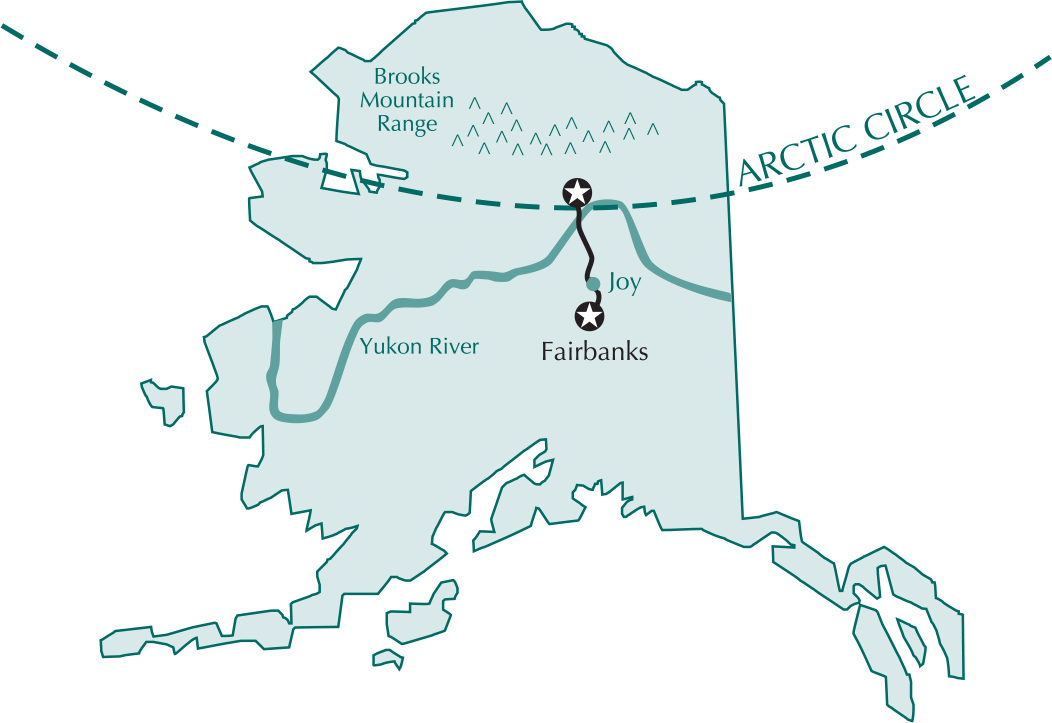
- Fairbanks: Located south of the Arctic Circle but a prime hub for viewing the aurora borealis. It also serves as a gateway to the Dalton Highway and the Arctic National Wildlife Refuge.
- Gates of the Arctic National Park and Preserve: Accessible only by bush plane, this vast wilderness offers unparalleled opportunities for remote adventure, hiking, and experiencing true wilderness.
- Denali National Park and Preserve: While not in the Arctic Circle, Denali offers dramatic landscapes and abundant wildlife, embodying the spirit of wild Alaska.
Practical Travel Considerations
- When to Visit: Summer (June-August) offers the midnight sun and more accessible travel. Winter (September-April) is ideal for aurora borealis viewing but requires preparation for cold temperatures and limited daylight.
- Transportation: Travel to northern Alaska often involves flights to smaller hubs, followed by specialized ground transportation or bush planes. The Dalton Highway is a rugged road for the adventurous.
- Clothing and Gear: Layering is crucial. Be prepared for unpredictable weather, including rain, wind, and significant temperature fluctuations, regardless of the season.
- Respecting the Environment: The Arctic is a fragile ecosystem. Visitors are encouraged to practice Leave No Trace principles and be mindful of the impact of their presence.
In conclusion, while a portion of Alaska lies north of the Arctic Circle, the entire state embodies the spirit of the Arctic. Its vast, untamed landscapes, unique celestial phenomena, and resilient cultures offer an unforgettable journey into one of the planet’s most extraordinary regions. Whether you’re chasing the aurora borealis or marveling at the midnight sun, an Alaskan adventure is a profound encounter with the power and beauty of the North.
LifeOutOfTheBox is a participant in the Amazon Services LLC Associates Program, an affiliate advertising program designed to provide a means for sites to earn advertising fees by advertising and linking to Amazon.com. Amazon, the Amazon logo, AmazonSupply, and the AmazonSupply logo are trademarks of Amazon.com, Inc. or its affiliates. As an Amazon Associate we earn affiliate commissions from qualifying purchases.