
The question of distance between two major Texan metropolises, Fort Worth and Houston, is a common one for travelers, business professionals, and those simply curious about the geography of the Lone Star State. While both cities are prominent hubs within Texas, their physical separation necessitates careful planning for any journey between them. Understanding this distance, along with the various methods of travel and the nuances of the journey, is crucial for an efficient and enjoyable experience.
The most direct and commonly cited measure of distance between Fort Worth and Houston is the driving distance, which typically falls in the range of 270 to 290 miles, depending on the specific routes taken and the starting and ending points within each city. This translates to an average driving time of approximately four to five hours, without accounting for significant traffic delays, particularly as one approaches or departs the major metropolitan areas.
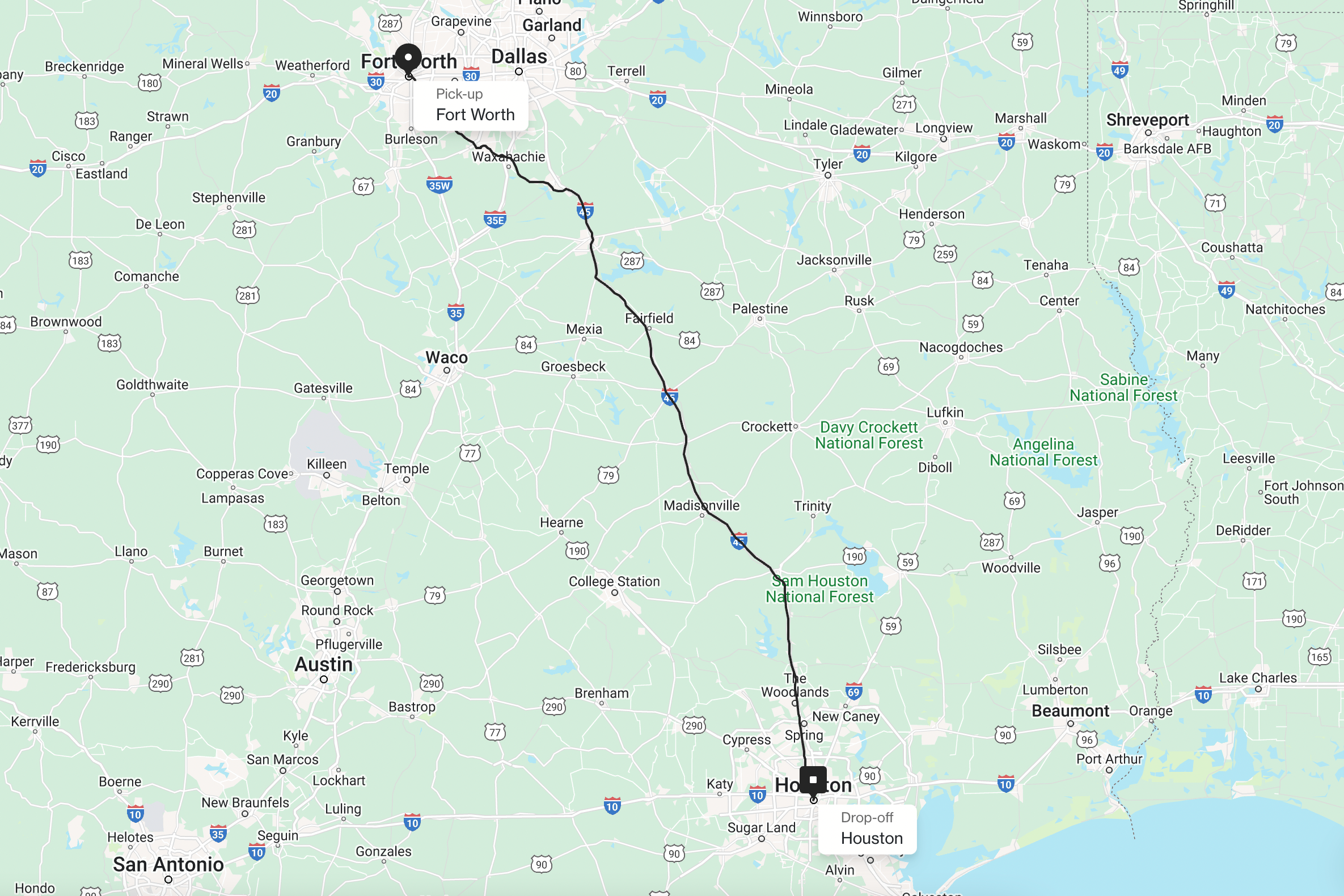
Navigating the Road: Driving Between Fort Worth and Houston
The primary corridor connecting Fort Worth and Houston is Interstate 45 (I-45) South from Dallas-Fort Worth metroplex, though alternative routes exist that might offer slightly different mileage or scenic opportunities. For those embarking on this drive, several factors can influence the total travel time.
Route Considerations and Time Estimates
The most direct route from Fort Worth often involves heading east towards Dallas to connect with I-45 South. This thoroughfare is a major artery and is generally well-maintained, but it is also subject to substantial traffic, especially during peak commuting hours and holiday weekends. Travelers should anticipate congestion, particularly around the Houston metropolitan area and when traversing through smaller towns along the route.
Alternatively, some travelers might opt for routes that utilize U.S. Highway 290 East, which can offer a different perspective and potentially bypass some of the I-45 congestion. This route may add a slight amount of mileage but can be a viable option for those seeking a less crowded experience. The choice of route can also be influenced by the specific destination within each city. For instance, a traveler heading to the western suburbs of Houston might find a route that skirts the city center more advantageous.
Average Driving Times:
- Ideal Conditions: 4 hours 15 minutes to 4 hours 45 minutes. This assumes minimal traffic and efficient speed adherence.
- Moderate Traffic: 5 hours to 5 hours 30 minutes. This accounts for typical rush hour slowdowns in and around the cities.
- Heavy Traffic/Inclement Weather: 6 hours or more. Significant delays can occur due to accidents, construction, or severe weather events, which are not uncommon in Texas.
It is always advisable to check real-time traffic conditions using navigation apps or services before and during the journey.
Preparing for the Drive
A road trip of this length requires some preparation. Ensuring your vehicle is in good working order, with adequate tire pressure, fluid levels, and a full tank of gas, is paramount. Packing snacks, water, and entertainment is also recommended, especially for families traveling with children. Rest stops are available along I-45, offering opportunities to refuel, grab a meal, and stretch. Popular stops include towns like Corsicana and Conroe.
Air Travel: A Quicker, Though Different, Journey
For those prioritizing speed, air travel presents a compelling alternative to driving. Both Fort Worth and Houston are served by major international airports, making the flight between them a common and convenient option for many.
Airports and Flight Options
The primary airport serving the Fort Worth area is Dallas/Fort Worth International Airport (DFW), a major hub for American Airlines. Dallas Love Field (DAL) also serves the region, primarily for Southwest Airlines.
In Houston, travelers have a choice between George Bush Intercontinental Airport (IAH), the city’s largest and busiest airport, and William P. Hobby Airport (HOU), which is closer to downtown and often handles a significant portion of domestic traffic.

The Flight Experience
The actual flight time between DFW/DAL and IAH/HOU is remarkably short, typically around one hour. However, it is crucial to factor in the total travel time associated with air transit. This includes:
- Travel to the Airport: Driving or taking transportation to your departure airport.
- Check-in and Security: Arriving at least 1.5 to 2 hours before a domestic flight to clear security and reach your gate.
- Boarding: The process of boarding the aircraft.
- Deplaning and Baggage Claim: Exiting the aircraft and collecting any checked luggage.
- Travel from the Airport: Commuting from the arrival airport to your final destination in Houston.
Considering these elements, the total door-to-door time for a flight can often be comparable to, or even exceed, the driving time, especially if you live close to Fort Worth and are heading to a location near downtown Houston. Nonetheless, for those who dislike long drives or have tight schedules, flying remains an attractive option. Numerous airlines operate frequent flights between the two metropolitan areas, making booking convenient.
Beyond Driving and Flying: Alternative Travel Methods
While driving and flying are the most common ways to traverse the distance between Fort Worth and Houston, other modes of transport cater to different preferences and needs.
Amtrak Rail Services
For a more relaxed and scenic journey, Amtrak offers passenger rail services connecting the two cities. The train journey, while significantly longer than flying or driving, provides an opportunity to unwind, enjoy the passing Texan landscape, and avoid the stresses of traffic or airport security.
The Amtrak route typically involves services like the Texas Eagle, which connects to other routes. The duration of the train trip can range from seven to nine hours or more, depending on the specific schedule and any connecting services required. This makes it a leisurely option rather than a time-sensitive one. Passengers can enjoy amenities on board, such as comfortable seating, dining cars, and the ability to move around. This is a particularly appealing option for those who wish to work during their commute or simply enjoy a more traditional travel experience. The station in Fort Worth is the Fort Worth Intermodal Transportation Center, and in Houston, it is the Houston Station.
Bus Services
Several intercity bus companies, such as Greyhound and Megabus, operate routes between Fort Worth and Houston. Bus travel is often the most budget-friendly option and can be a viable choice for solo travelers or those not pressed for time.
The travel time for bus services typically falls between five and six hours, similar to driving under moderate traffic conditions. Buses depart from designated terminals in each city and arrive at similar locations. While comfort levels can vary, modern bus services often include amenities like Wi-Fi and power outlets, allowing passengers to stay connected or entertained. This option is a good balance between cost and convenience for many travelers.
Understanding the Context of the Distance
The approximately 270-290 mile span between Fort Worth and Houston is not just a number; it represents a significant geographic and cultural divide within Texas. This distance influences everything from regional economies and cultural identities to the logistical challenges of moving goods and people.
Economic and Cultural Implications
Fort Worth, along with its neighboring city Dallas, forms the core of the Dallas-Fort Worth Metroplex, a region historically known for its strong ties to the oil and gas industry, finance, and a more traditional, Western heritage. Houston, on the other hand, is the nation’s energy capital, a major international port, and a burgeoning center for healthcare and aerospace, with a distinct, more cosmopolitan feel and a vibrant culinary scene influenced by its diverse population.
The distance also means that residents of each city often have different primary destinations for weekend getaways or day trips. While a day trip from Fort Worth to the Texas Hill Country might be feasible, a day trip to Houston is generally not practical. This separation fosters distinct local attractions and a sense of unique identity within each metropolitan area.

Planning Your Intercity Travel
Whether you are planning a business trip, a family visit, or a leisurely exploration of Texas, understanding the distance and the various travel options is the first step. For a business meeting requiring punctuality, flying or driving with ample buffer time is recommended. For a more relaxed exploration, the Amtrak or bus services can be ideal. Regardless of your choice, the journey between Fort Worth and Houston is a common thread in the tapestry of travel within the Lone Star State, connecting two of its most dynamic and influential urban centers.
LifeOutOfTheBox is a participant in the Amazon Services LLC Associates Program, an affiliate advertising program designed to provide a means for sites to earn advertising fees by advertising and linking to Amazon.com. Amazon, the Amazon logo, AmazonSupply, and the AmazonSupply logo are trademarks of Amazon.com, Inc. or its affiliates. As an Amazon Associate we earn affiliate commissions from qualifying purchases.