
Living in or frequently visiting Florida offers a vibrant lifestyle, from sun-drenched beaches to bustling urban centers. However, like any aspect of daily life or extended stays, disputes can sometimes arise. Whether you’re a long-term resident, a seasonal snowbird, or someone involved in local commerce, understanding how to navigate minor legal issues is a crucial life skill. Florida’s small claims court provides an accessible avenue for resolving disputes involving relatively small amounts of money without the need for complex legal procedures or high attorney fees. This guide details the process of filing a small claim, equipping you with the knowledge to protect your interests and maintain peace of mind in the Sunshine State.
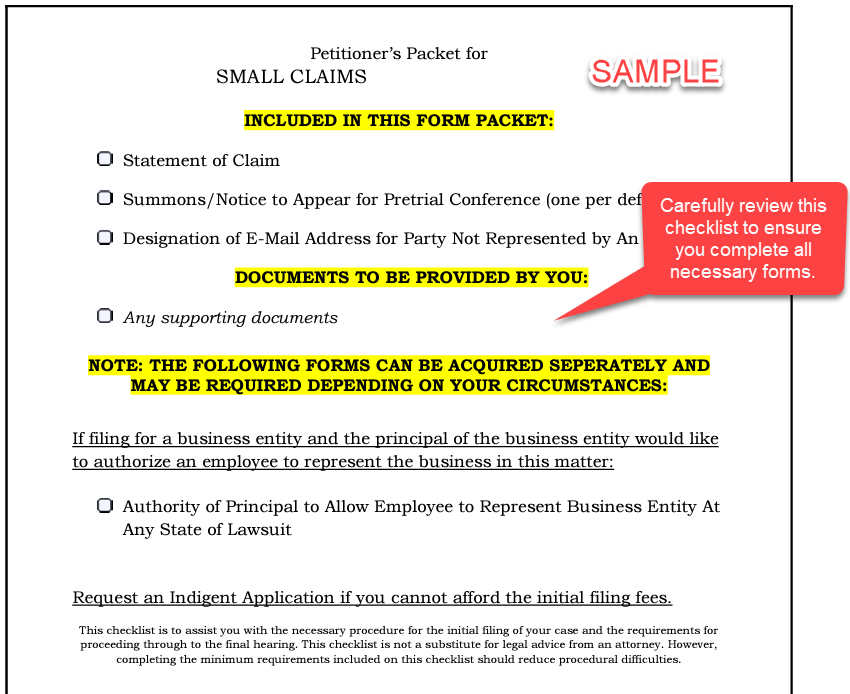
Understanding Small Claims Court in Florida’s Lifestyle Context
Small claims court in Florida is designed to be a streamlined and less formal process compared to other civil courts. It’s often referred to as the “People’s Court” because individuals can represent themselves without an attorney, making it a practical option for resolving everyday disputes that impact one’s lifestyle or business interactions. The maximum amount you can sue for in Florida small claims court is currently $8,000, excluding court costs, interest, and attorney’s fees if recoverable by contract or statute. This threshold makes it ideal for a variety of common situations.
What Qualifies as a Small Claim?
Many typical lifestyle-related disputes fall within the purview of small claims court. These might include:
- Consumer Disputes: Problems with purchased goods or services, such as a faulty appliance from a local store, unsatisfactory home repair work, or issues with dry cleaning services.
- Property Damage: Minor damage to your vehicle or personal property caused by another party, where the repair costs are within the small claims limit.
- Breach of Contract: Situations where a written or verbal agreement was broken, such as a contractor failing to complete work as agreed, or a dispute over a personal loan.
- Unpaid Debts: Recovery of money lent to another individual or business that has not been repaid.
- Landlord-Tenant Issues (Limited): While many landlord-tenant disputes have specific legal frameworks, certain issues, like the return of a security deposit (if not handled by other statutes), might be suitable for small claims, particularly for those renting short-term or seasonal accommodation in areas like Miami or Orlando.
It’s important to note that certain types of cases, such as those involving divorce, child custody, libel, slander, or eviction (beyond a simple monetary claim), cannot be heard in small claims court. These cases require different legal venues and procedures.
The Importance of Small Claims for Residents and Extended Visitors
For anyone establishing a life or extended stay in Florida, understanding small claims procedures is paramount. It empowers individuals to seek justice for wrongs committed against them without being overwhelmed by the complexities of the legal system. It ensures that service providers, neighbors, and casual business partners are held accountable for their actions and agreements. For small business owners in cities like Tampa or Jacksonville, it offers a cost-effective way to collect debts or resolve minor commercial disputes, thereby supporting the local economic lifestyle. This accessibility to justice is a cornerstone of a well-functioning society, enabling residents and visitors to resolve conflicts efficiently and move forward.
Pre-Filing Steps: Due Diligence for a Smooth Florida Experience
Before you officially file a small claim, there are several critical preparatory steps that can significantly strengthen your case and potentially lead to a resolution without court intervention. These steps are part of responsible lifestyle management, ensuring you have all your ducks in a row.
Gathering Evidence: Your Lifestyle Documentation
The success of your small claim hinges on the evidence you present. Begin by compiling all relevant documents and information related to your dispute. This is your personal documentation of the incident, reflecting your daily interactions or contractual agreements. Examples include:
- Contracts or Agreements: Any written contracts, invoices, receipts, or purchase orders. Even text messages or emails that outline agreements can be useful.
- Correspondence: Letters, emails, or text messages exchanged between you and the other party regarding the dispute.
- Photographs and Videos: Visual evidence of damages, incomplete work, or faulty products. For instance, photos of a damaged rental property or a poorly executed home renovation.
- Witness Information: Names, addresses, and phone numbers of anyone who witnessed the events related to your claim. A brief written statement from them, if available, can also be helpful.
- Financial Records: Bank statements, cancelled checks, or credit card statements proving payments made or amounts owed.
- Estimates and Repair Bills: Documentation of the cost to fix damages or complete unfulfilled work.
Organize this evidence meticulously. A chronological file or digital folder makes it easier to refer to information and present a clear narrative to the court.
Sending a Demand Letter: An Attempt at Resolution
Before rushing to court, it is often advisable to send a formal demand letter to the party you intend to sue. This letter serves multiple purposes: it formally notifies the other party of your intent to pursue legal action, clearly states the amount owed and the basis of your claim, and provides a final opportunity for them to resolve the matter outside of court.
The demand letter should be professional, concise, and include:
- A clear statement of the facts of the dispute.
- The amount of money you are seeking and how it was calculated.
- A deadline for payment or resolution (e.g., 7 or 10 days).
- A statement that you will file a lawsuit in small claims court if the demand is not met.
Send the letter via certified mail with a return receipt requested. This provides proof that the letter was sent and received. Often, receiving such a formal communication prompts the other party to take the matter seriously and negotiate a settlement, saving both parties time and court costs. This proactive step aligns with a pragmatic lifestyle approach, prioritizing amicable resolution.
The Filing Process: Navigating Florida’s Court System
Once you’ve exhausted pre-filing options, and if resolution remains elusive, the next step is to officially file your claim. Florida’s system is designed to be straightforward for self-represented litigants.
Locating the Proper Court
Jurisdiction is key. You must file your small claim in the correct court. In Florida, small claims cases are heard in the County Court. The proper venue is typically:
- The county where the defendant resides.
- The county where the defendant’s business is located.
- The county where the contract was entered into or was to be performed.
- The county where the incident or injury occurred.
For example, if you live in Palm Beach County but the defendant lives in Orange County, you would likely file in Orange County. Each county has its own Clerk of Court, and their websites often provide specific forms and instructions. You can usually find contact information and resources by searching for “Florida Clerk of Court” followed by the county name (e.g., “Miami-Dade County Clerk of Court”).
Completing the Statement of Claim
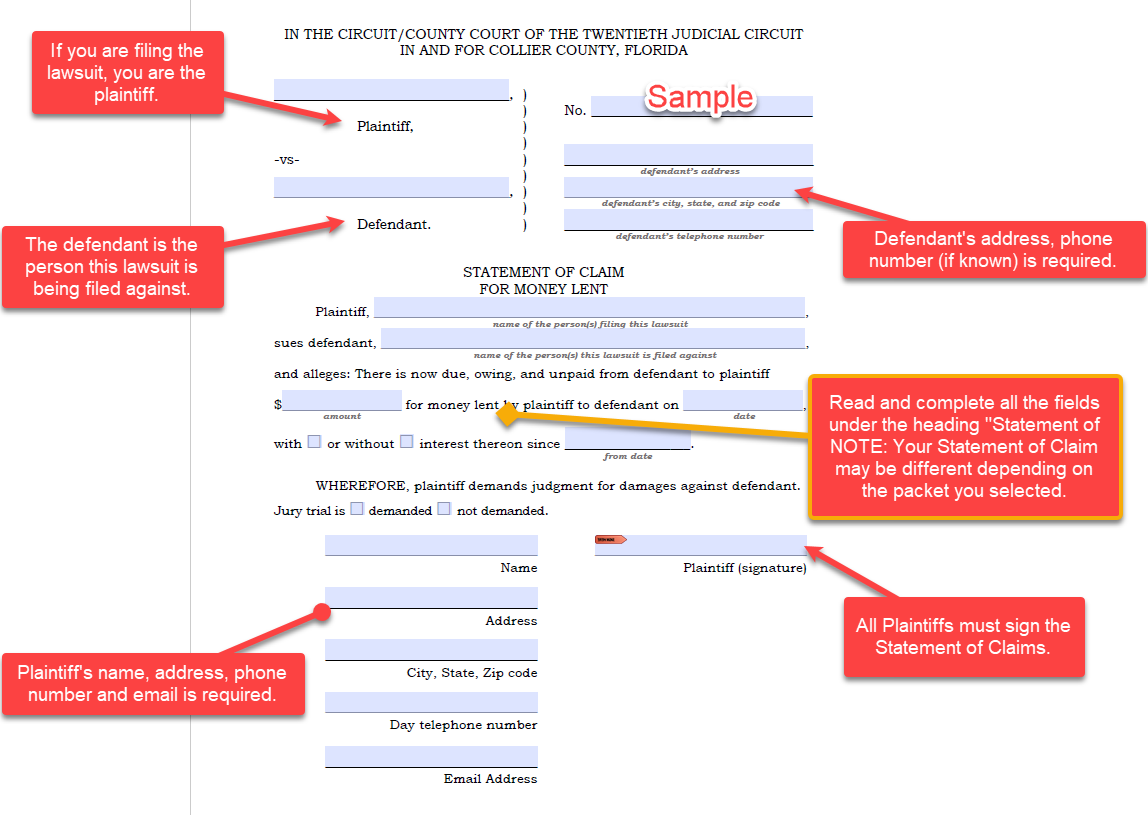
The primary document you’ll file is the “Statement of Claim” (sometimes called a “Complaint” in other contexts). This form requires you to:
- Identify the Parties: Provide your full name and address (the Plaintiff) and the full name and address of the person or entity you are suing (the Defendant). If suing a business, ensure you have the correct legal business name.
- State Your Claim: Clearly and concisely describe the facts of your case. Explain what happened, when it happened, and why you believe the defendant owes you money. Attach copies of your evidence, such as contracts or invoices, but keep the originals for your records.
- Specify the Amount: State the exact dollar amount you are seeking.
Most Clerk of Court offices in counties like Pinellas County or Broward County provide fill-in-the-blank forms or online portals for filing small claims. There will be a filing fee, which varies by county and the amount of the claim. If you cannot afford the fee, you may be able to file a “Motion to Determine Indigence” to request a waiver.
Serving the Defendant
After filing your Statement of Claim, the defendant must be legally notified that they are being sued. This process is called “service of process.” You cannot personally serve the defendant. Instead, service must be carried out by a sheriff’s deputy or a certified private process server.
- You will typically pay a fee for service of process when you file your claim.
- Provide the server with the defendant’s most current and accurate address to ensure successful service.
- Once served, the defendant has a specific period (usually 20 days) to respond to your claim.
Proper service is crucial. If the defendant is not properly served, the court cannot hear your case, and you will have to restart the service process, delaying your quest for resolution.
What to Expect After Filing: Your Day in Florida Court
Once the claim is filed and the defendant served, the court process begins. While the goal is a swift resolution, understanding the next steps helps manage expectations and maintain your lifestyle rhythm.
Mediation and Settlement
Many Florida small claims courts encourage or even require mediation. Mediation is a process where a neutral third party (the mediator) helps both sides try to reach a mutually agreeable settlement. It’s an informal, confidential process, and any agreements reached are legally binding if put into writing and signed.
Mediation is often scheduled shortly after the defendant files their response. It’s a valuable opportunity to resolve the dispute without going to trial, potentially saving time and further court appearances. Come prepared with all your evidence and be open to negotiation. A good settlement can provide a quicker, more certain outcome than a trial, which aligns with an efficient lifestyle.
The Court Hearing
If mediation fails, or if it is not required or offered in your specific court, your case will proceed to a court hearing. This is your “day in court,” where you present your case to a judge or magistrate.
- Be Prepared: Arrive early. Dress appropriately (business casual is usually sufficient). Bring all your organized evidence, including originals and copies for the judge and the defendant.
- Present Your Case: When it’s your turn, calmly and clearly explain what happened, referencing your evidence as you speak. Explain why you believe the defendant owes you money. The judge may ask questions.
- Listen to the Defendant: The defendant will have an opportunity to present their side of the story and any counterclaims. Listen respectfully and be prepared to respond to their points if the judge allows.
- No Lawyers (Usually): While you can hire an attorney, most people represent themselves in small claims. The judge will guide the process, but it’s up to you to present your case effectively.
The judge will typically make a decision immediately or take the case under advisement and mail a decision later.
Collecting Your Judgment
Winning your case and getting a “judgment” from the court is a significant step, but it doesn’t automatically mean you’ll receive your money. The court will not collect the money for you. This often requires additional steps and can sometimes be the most challenging part of the process.
- Abstract of Judgment: You may need to obtain an “Abstract of Judgment” from the Clerk of Court and record it in the county where the defendant owns property. This can place a lien on their real estate.
- Garnishment: You might be able to garnish the defendant’s wages (if they are employed) or bank accounts. This typically requires additional court orders and filings.
- Writ of Execution: For personal property, you could obtain a “Writ of Execution” allowing the sheriff to seize and sell the defendant’s non-exempt assets.
These collection methods also involve fees and specific legal procedures. It’s wise to research collection methods or even seek advice from the Clerk of Court about post-judgment procedures. Maintaining a diligent approach to collecting your judgment ensures that your efforts in small claims court ultimately lead to a successful resolution and the protection of your financial interests within your Florida lifestyle.
LifeOutOfTheBox is a participant in the Amazon Services LLC Associates Program, an affiliate advertising program designed to provide a means for sites to earn advertising fees by advertising and linking to Amazon.com. Amazon, the Amazon logo, AmazonSupply, and the AmazonSupply logo are trademarks of Amazon.com, Inc. or its affiliates. As an Amazon Associate we earn affiliate commissions from qualifying purchases.