
As a vibrant and rapidly growing hub for technology, culture, and entertainment, Austin, Texas attracts millions of visitors each year. Whether you’re flying in for a crucial business meeting, a relaxing vacation, or to experience the renowned South by Southwest festival, understanding the airport landscape is key to a smooth travel experience. While many cities boast a single primary airport, Austin presents a more nuanced picture, offering a main international gateway alongside smaller facilities that cater to different aviation needs. This guide delves into the airports serving the Austin metropolitan area, providing clarity for travelers and aviation enthusiasts alike.

Austin-Bergstrom International Airport: The Primary Gateway
The undisputed focal point for air travel in Austin is Austin-Bergstrom International Airport (ABIA). Located approximately 8 miles southeast of downtown Austin, ABIA is a modern, bustling facility that serves as the gateway for both domestic and international flights. Its strategic location and comprehensive services make it the go-to choice for the vast majority of travelers visiting the region.
Capacity and Connectivity
ABIA has seen significant growth in passenger traffic over the past decade, reflecting Austin’s booming economy and appeal. The airport features two major terminals: the Barbara Jordan Terminal (which handles most commercial flights) and the South Terminal (primarily for Allegiant Air and some international carriers). These terminals are equipped with a wide array of amenities, including diverse dining options, retail stores, lounges, and efficient ground transportation services.
The airport is served by a multitude of airlines, offering direct flights to numerous cities across the United States and a growing number of international destinations. This extensive network ensures that travelers can easily reach Austin from virtually anywhere in the world. Popular destinations from ABIA include major hubs like New York City, Los Angeles, Chicago, and international gateways such as Mexico City and London.
Transportation to and from ABIA
Getting to and from Austin-Bergstrom International Airport is a straightforward process, with several convenient options available.
- Public Transportation: Capital Metro’s Airport Flyer (Route 20) provides a direct and affordable connection between the airport and downtown Austin, running frequently throughout the day and into the night.
- Rideshares and Taxis: Designated pick-up and drop-off zones are available for rideshare services like Uber and Lyft, as well as traditional taxis. These offer flexibility and door-to-door service.
- Rental Cars: Numerous national and local car rental agencies operate at ABIA, providing a wide selection of vehicles for travelers who prefer to drive themselves. The rental car facility is easily accessible from the terminals.
- Shuttles and Private Services: Many hotels in Austin offer shuttle services for their guests, and private car services can be pre-booked for a more personalized and comfortable transfer.
Smaller Airports Serving the Austin Area
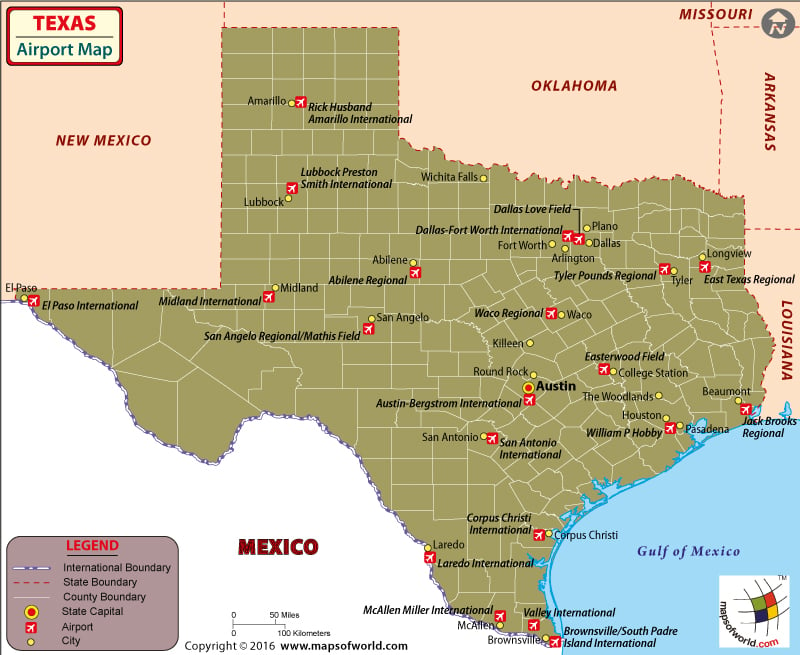
While ABIA is the primary commercial airport, the Austin metropolitan area is also served by several smaller airports. These facilities primarily cater to general aviation, private flights, flight training, and specialized aviation activities, playing a vital role in the region’s aviation ecosystem.
Executive Flight Services at Austin Executive Airport
Located north of Austin, Austin Executive Airport (EDA) is a key general aviation airport. It is designed to handle private aircraft and offers a range of services for pilots and aircraft owners. This includes fuel, maintenance, hangar space, and executive facilities. For those flying private jets or smaller planes, EDA provides a less congested and more personalized alternative to ABIA. It is a popular choice for corporate travel and individuals seeking a more exclusive arrival experience.
Strategic Locations: San Marcos Regional Airport and Georgetown Municipal Airport
Further afield, but still serving the broader Austin region, are airports like San Marcos Regional Airport and Georgetown Municipal Airport. These municipal airports are primarily used for general aviation, flight training schools, and recreational flying.
- San Marcos Regional Airport: Situated approximately 30 miles south of Austin, this airport is a hub for aviation education and a popular spot for local pilots. It offers runway facilities, maintenance services, and a friendly atmosphere for the general aviation community.
- Georgetown Municipal Airport: Located about 30 miles north of downtown Austin, this airport serves the northern suburbs of the Austin metropolitan area. Like San Marcos, it supports general aviation, flight training, and is a valuable asset for regional aviation activities.
These smaller airports, while not offering commercial passenger services, are crucial for supporting Austin’s robust private aviation sector and contributing to the overall accessibility of the region for a diverse range of air travelers.

Understanding Your Airport Choice in Austin
When planning a trip to Austin, the question of “how many airports” leads to a distinction between the primary commercial gateway and several specialized general aviation facilities. For the vast majority of travelers arriving by air, Austin-Bergstrom International Airport is the definitive answer. Its extensive network of commercial flights, comprehensive amenities, and convenient access to the city make it the undisputed main airport.
However, understanding the existence of airports like Austin Executive Airport, San Marcos Regional Airport, and Georgetown Municipal Airport adds depth to the regional aviation picture. These airports are vital for the non-commercial aviation activities that are integral to a thriving metropolitan area. They support business aviation, private travel, pilot training, and recreational flying, ensuring that Austin and its surrounding communities have diverse aviation infrastructure.
For the visitor, the key takeaway is straightforward: if you’re booking a standard flight with a commercial airline, your destination is Austin-Bergstrom International Airport. If your travel arrangements involve private aircraft, charter flights, or flight training, one of the other facilities might be your point of arrival or departure. Knowing the landscape helps demystify Austin’s aviation offerings and ensures travelers can make informed decisions about their journey to this dynamic Texas city.
LifeOutOfTheBox is a participant in the Amazon Services LLC Associates Program, an affiliate advertising program designed to provide a means for sites to earn advertising fees by advertising and linking to Amazon.com. Amazon, the Amazon logo, AmazonSupply, and the AmazonSupply logo are trademarks of Amazon.com, Inc. or its affiliates. As an Amazon Associate we earn affiliate commissions from qualifying purchases.