
Planning a visit to Steamboat Springs, Colorado requires attention to numerous details, from booking flights and accommodations to mapping out your adventure-filled itinerary. Among these essential considerations, understanding the local time zone often goes overlooked, yet it plays a pivotal role in ensuring a seamless and stress-free travel experience. Whether you’re coordinating with family, scheduling a ski lesson, or simply aiming to catch the first chairlift, knowing the exact time in Steamboat Springs is fundamental.
Understanding Steamboat’s Time Zone: Mountain Time
At its core, Steamboat Springs operates within the Mountain Time Zone (MT). This places it seven hours behind Coordinated Universal Time (UTC-7) during the standard time period and six hours behind (UTC-6) during daylight saving time. This information is crucial for anyone traveling from other regions, particularly those on the East Coast or West Coast of the United States.

Mountain Standard Time vs. Mountain Daylight Time
Like many other regions in the U.S. and parts of Canada and Mexico, Colorado observes Daylight Saving Time. This means that the time in Steamboat Springs fluctuates throughout the year:
- Mountain Standard Time (MST): From early November to mid-March, Steamboat Springs is on MST, which is UTC-7. This is the “standard” time.
- Mountain Daylight Time (MDT): From mid-March to early November, the clocks “spring forward” by one hour, placing Steamboat Springs on MDT, which is UTC-6. This adjustment maximizes daylight hours during the longer days of spring, summer, and early autumn, allowing for extended outdoor activities.
It is important for travelers to be aware of these shifts, especially if their visit spans the transition dates, to avoid any confusion with schedules and bookings. Most modern devices, such as smartphones and smartwatches, automatically adjust for Daylight Saving Time, but cross-referencing with local sources or trusted time websites is always a good practice.
Geographical Context of the Mountain Time Zone
The Mountain Time Zone predominantly covers states situated in the Rocky Mountains region. In Colorado, cities like Denver, Colorado Springs, Fort Collins, and popular ski destinations such as Aspen, Vail, and Winter Park all share this same time zone. This consistency simplifies planning for those exploring multiple destinations within the state or traveling through the Front Range before heading up to Steamboat Springs. However, when traveling from Pacific or Central time zones, travelers will experience a one- or two-hour shift, respectively, which can impact immediate plans.
The Traveler’s Guide to Steamboat’s Time Zone: Why It Matters
Understanding the local time in Steamboat Springs is more than just a trivial detail; it is a foundational element for seamless travel and a truly enjoyable experience. From the moment you begin planning to the final day of your departure, time zone awareness influences crucial logistical and experiential aspects of your trip.
Seamless Travel Logistics: Flights and Check-ins
Perhaps the most critical area where time zones impact travel is in managing transportation and accommodation. Flight schedules, particularly connecting flights, are always listed in local time. A traveler flying from the Eastern Time Zone to Steamboat Springs will experience a two-hour difference. A flight departing New York at 8:00 AM ET might arrive at Yampa Valley Regional Airport (Hayden) at 10:00 AM MT after a five-hour flight, meaning the actual travel time is longer than it appears on a superficial glance at the clock.
Similarly, check-in and check-out times for hotels, vacation rentals, and other accommodations are always specified in local Steamboat Springs time. Arriving an hour early or late due to time zone confusion can lead to unnecessary waiting, missed opportunities, or even late fees. Double-checking these times against your home time zone conversion is a simple yet effective way to avoid common travel pitfalls.
Maximizing Your Steamboat Experience: Activities and Dining
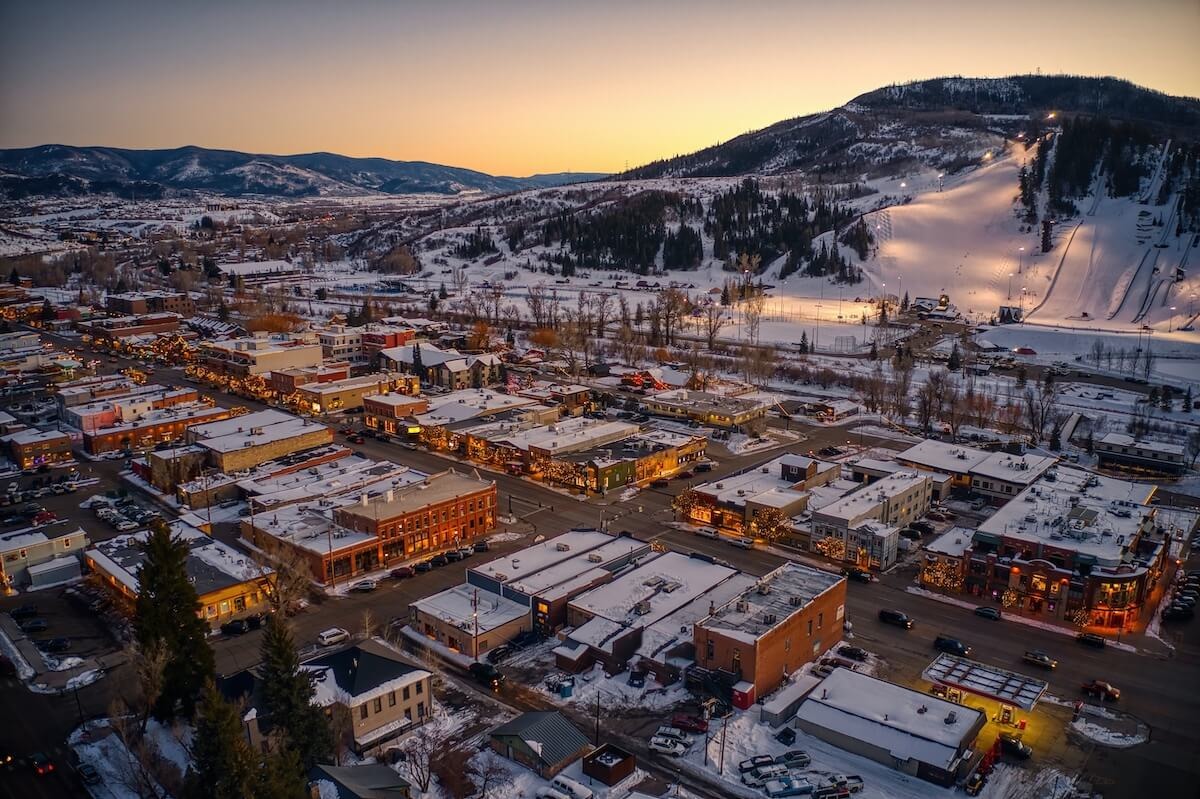
Steamboat Springs is a destination renowned for its outdoor activities and vibrant local culture. From the exhilarating slopes of the Steamboat Ski Resort to tranquil soaks at Old Town Hot Springs or Strawberry Park Hot Springs, every experience adheres to the local clock.
- Skiing and Snowboarding: Lifts typically open early in the morning, and if you’re aiming for fresh powder, being on time is paramount. Booking ski lessons or guided tours also requires strict adherence to their Mountain Time schedule.
- Summer Adventures: Hiking, mountain biking, fishing excursions, and river tubing all have specific start times. Missing a guided tour or a shuttle to a trailhead due to a time miscalculation can mean a lost day of adventure.
- Dining and Reservations: Steamboat Springs boasts a fantastic culinary scene, and popular restaurants often require reservations, especially during peak season. A reservation for 7:00 PM MT is precisely that, and arriving at what you might think is 7:00 PM from your home time zone could lead to a two-hour wait or a forfeited table.
- Local Events and Festivals: Throughout the year, Steamboat Springs hosts various events, concerts, and festivals. Event schedules are always published in local time, and knowing the correct time allows you to plan your day effectively to attend these unique experiences.
Navigating Communication Across Time Zones
For many travelers, staying connected with work, family, or friends back home is essential. The time difference in Steamboat Springs can significantly impact when it’s appropriate to make calls or send messages. For instance, a 9:00 AM business call in Steamboat Springs would translate to 11:00 AM in the Eastern Time Zone and 8:00 AM in the Pacific Time Zone. Being mindful of these differences prevents accidental disruptions to others’ schedules and ensures smooth communication.
Practical Tips for a Timely Visit to Steamboat
Preparation is key to a smooth journey. By incorporating a few simple practices, travelers can effectively manage the time difference and make the most of their visit to Steamboat Springs.
Pre-Arrival Preparation
- Confirm All Bookings in Local Time: Before departing, review all flight itineraries, hotel reservations, tour bookings, and dining reservations. Pay close attention to the specified times and mentally (or physically) convert them to your home time zone to ensure clarity.
- Sync Your Devices: Upon arrival at Yampa Valley Regional Airport or as soon as you have cellular service in Routt County, ensure your smartphone, tablet, and other smart devices automatically update to the local Mountain Time Zone. Most modern devices do this automatically, but a quick check can prevent errors.
- Physical Clock Adjustment: If you wear a traditional watch, consider setting it to Mountain Time as soon as you board your flight or even the day before. This helps your internal clock begin to adjust before you even arrive.
On-Ground Adjustments and Best Practices
- Embrace the Pace: Steamboat Springs offers a distinct pace of life. Allow yourself to adjust and embrace it. Don’t rush into activities immediately if you feel the effects of time zone changes.
- Prioritize Rest: Especially for those traveling significant distances, jet lag can be a real concern. Prioritize a good night’s sleep on your first evening to help your body acclimate to the new time zone. Exposure to natural light during the day also aids in adjusting your circadian rhythm.
- Use Local Sources: When in doubt about opening hours for a local shop, restaurant, or attraction, refer to their official websites, social media pages, or make a quick call. These resources will always reflect local Steamboat Springs time.
Embracing the Rhythm of Steamboat: Beyond the Clock
While understanding the exact time in Steamboat Springs is practically essential, the essence of travel to this unique destination often transcends the ticking clock. It’s about immersing yourself in the “Champagne Powder” snow in winter or the vibrant greenery of summer, disconnecting from daily routines, and connecting with the natural beauty of the Rocky Mountains.
Steamboat Springs Through the Seasons
Each season in Steamboat Springs brings a different allure, yet the Mountain Time Zone remains constant. In winter, the shift to MST means earlier sunsets, painting the snow-covered peaks in dramatic twilight hues, perfect for cozy evenings by a fireplace. In summer, MDT provides longer daylight hours, allowing for extended hikes, bike rides, and river adventures well into the evening. Understanding these seasonal time nuances helps in packing appropriate gear, planning activities, and appreciating the natural rhythms of the destination.

A Sense of Timelessness in the Rocky Mountains
Ultimately, while the local time in Steamboat Springs serves as a necessary guide for logistics, many visitors discover a refreshing sense of timelessness amidst its stunning landscapes. The grandeur of the Rocky Mountains, the therapeutic waters of its hot springs, and the welcoming spirit of the community often encourage a more relaxed, present-moment focus. So, while you’ll know precisely what time it is, the true magic of Steamboat Springs might just lie in forgetting the clock entirely and simply living in the moment, one incredible Mountain Time experience at a time.
LifeOutOfTheBox is a participant in the Amazon Services LLC Associates Program, an affiliate advertising program designed to provide a means for sites to earn advertising fees by advertising and linking to Amazon.com. Amazon, the Amazon logo, AmazonSupply, and the AmazonSupply logo are trademarks of Amazon.com, Inc. or its affiliates. As an Amazon Associate we earn affiliate commissions from qualifying purchases.