
Colorado, a state celebrated for its majestic mountains, vibrant cities, and progressive spirit, has embarked on a unique journey regarding natural psychedelics, particularly mushrooms containing psilocybin. For visitors planning a trip to the Centennial State, understanding the nuanced legal landscape surrounding these fungi is crucial for responsible and informed tourism. While the state has taken significant steps toward decriminalization and the establishment of a regulated access system, the common assumption that all mushrooms are simply “legal” can lead to misunderstandings and potential legal complications. This guide aims to clarify the current situation, offering insights for tourists navigating Colorado’s distinct approach to natural medicines.

Navigating Colorado’s Evolving Fungi Landscape for Tourists
Colorado’s path to reforming its laws around psilocybin mushrooms has been a journey marked by a blend of local initiatives and statewide legislation. For anyone visiting, it’s essential to grasp the distinction between various legal statuses and what they practically mean.
A Brief History of Decriminalization
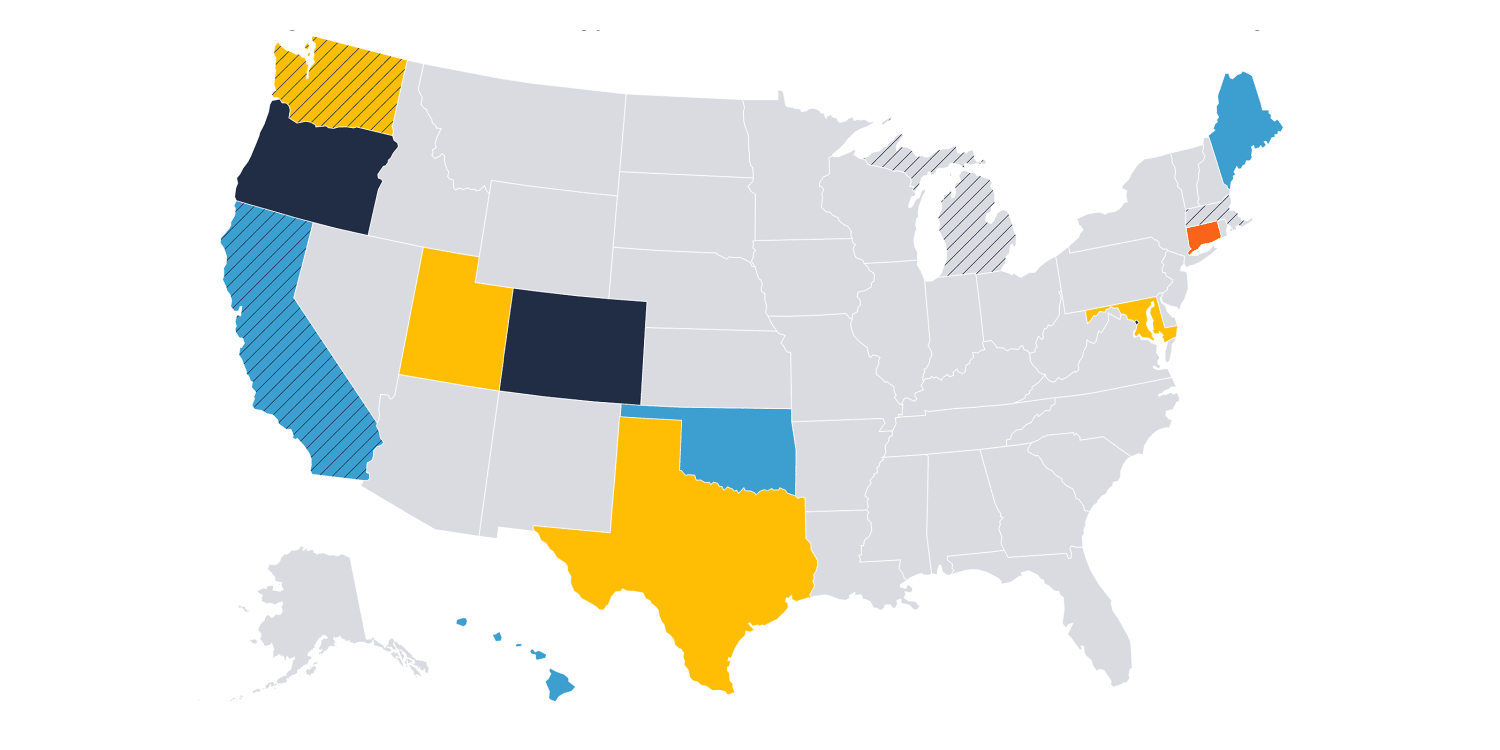
The conversation around psychedelic mushrooms in Colorado began earnestly at the municipal level. In May 2019, Denver became the first city in the United States to decriminalize psilocybin mushrooms, making their possession and use by adults the lowest law enforcement priority. This pioneering move set a precedent, influencing other cities and eventually the entire state. The momentum continued with Proposition 122, also known as the Natural Medicine Health Act, which Colorado voters approved in November 2022. This statewide measure significantly reshaped the legal framework.
Understanding the Current Legal Status
With the passage of Proposition 122, Colorado officially decriminalized the personal possession, use, and cultivation of specific natural psychedelic substances for adults 21 and older. These substances include psilocybin, psilocin, DMT, ibogaine, and mescaline (excluding peyote). The key word here is “decriminalization.” This means that while these substances are no longer criminal offenses punishable by jail time or significant fines for personal use and cultivation, they are not fully “legal” in the same way as cannabis. There is no open market for recreational sales, nor can tourists simply purchase them from a dispensary like they might with marijuana.
The Natural Medicine Health Act also established a framework for regulated access to psilocybin and psilocin through licensed healing centers. These centers are intended for therapeutic use, overseen by facilitators, and are not yet fully operational. The regulatory bodies are still developing the rules and licensing processes, meaning that access for therapeutic purposes is not readily available to tourists at this time.
What This Means for Visitors
For tourists, the current legal status translates to a complex set of guidelines:
- Personal Possession: Adults 21 and over may possess and use small amounts of decriminalized natural medicines for personal use. However, quantities are generally considered small for personal use and cultivation. Large quantities could still lead to legal scrutiny.
- No Public Use: Using these substances in public places remains illegal and can result in fines or other penalties. This includes parks, streets, and any other open public space.
- No Commercial Sale: There is no legal mechanism for the commercial sale of psilocybin or other decriminalized natural medicines to the general public, including tourists. Any offers of commercial sale outside of the future regulated healing centers are illegal.
- Cultivation: Adults 21 and over can cultivate natural medicine plants or fungi on private property, but these are for personal use only, not for commercial distribution.
- Transportation: Transporting these substances across state lines, even to other states where they may also be decriminalized, remains a federal offense.
Understanding these distinctions is paramount for any visitor to Colorado. Engaging in activities that violate these nuanced rules could undermine the positive intent of the state’s natural medicine policies and expose individuals to unnecessary legal risks.
Responsible Tourism and Natural Medicines
When visiting Colorado, responsible tourism extends beyond respecting natural environments and local communities to understanding and adhering to the unique legal and cultural norms surrounding substances like psilocybin mushrooms. Misinterpreting the state’s policies can lead to unintended consequences for both individuals and the broader public perception of this evolving landscape.
Decriminalization vs. Legalization: A Key Distinction
One of the most critical points for tourists to grasp is the difference between decriminalization and full legalization. Decriminalization reduces or eliminates criminal penalties for certain activities (like personal possession), making them low-priority for law enforcement. However, it does not make the activity fully legal, meaning it can still be prohibited or subject to civil penalties. Full legalization, in contrast, would create a regulated market for sales and consumption, similar to Colorado’s approach to recreational cannabis.
Because psilocybin is decriminalized, but not legalized for commercial sale, there is no state-regulated system for purchasing or distributing these substances to tourists or residents outside of the future healing centers. This means that any individual offering to sell or provide mushrooms for a fee is operating outside the bounds of the law.
Public vs. Private Use Considerations
While personal possession and use are decriminalized for adults on private property, public consumption is still prohibited. This is a crucial distinction for tourists, who might mistakenly assume that because it’s decriminalized, it’s permissible to use in public spaces, akin to how some might openly consume cannabis in certain designated areas. Whether in Denver’s bustling downtown, a serene hiking trail in the mountains, or a resort’s common area, public use is not permitted and can lead to fines. Visitors should be aware that private property owners, including hotels and rental accommodations, maintain the right to prohibit the possession or use of any substance on their premises, regardless of state law. Always check with your accommodation provider regarding their specific policies.
The Dangers of Commercial Sales and Unauthorized Distribution
A significant concern within the decriminalized but unregulated environment is the emergence of illicit markets. Tourists might encounter individuals attempting to sell psilocybin mushrooms or other natural medicines. Engaging in such transactions carries several risks:
- Legal Consequences: Purchasing natural medicines from unauthorized sources is illegal and can lead to civil penalties.
- Safety and Health Risks: Without regulation, there’s no guarantee of product purity, potency, or safety. Tourists could unknowingly purchase misidentified mushrooms, contaminated products, or substances with dangerously high potencies, leading to adverse health effects or negative experiences.
- Exploitation: Illicit markets are often unregulated and can involve exploitative practices.
Responsible tourism dictates avoiding such avenues, prioritizing personal safety and adherence to the law.
Exploring Colorado’s Natural Fungi: Foraging and Identification
Colorado’s diverse ecosystems are home to a remarkable variety of fungi, some edible, some toxic, and some containing psychoactive compounds. For tourists interested in the natural world, understanding these distinctions is paramount, especially given the state’s unique stance on psilocybin.
Edible vs. Psychoactive: Crucial Distinctions
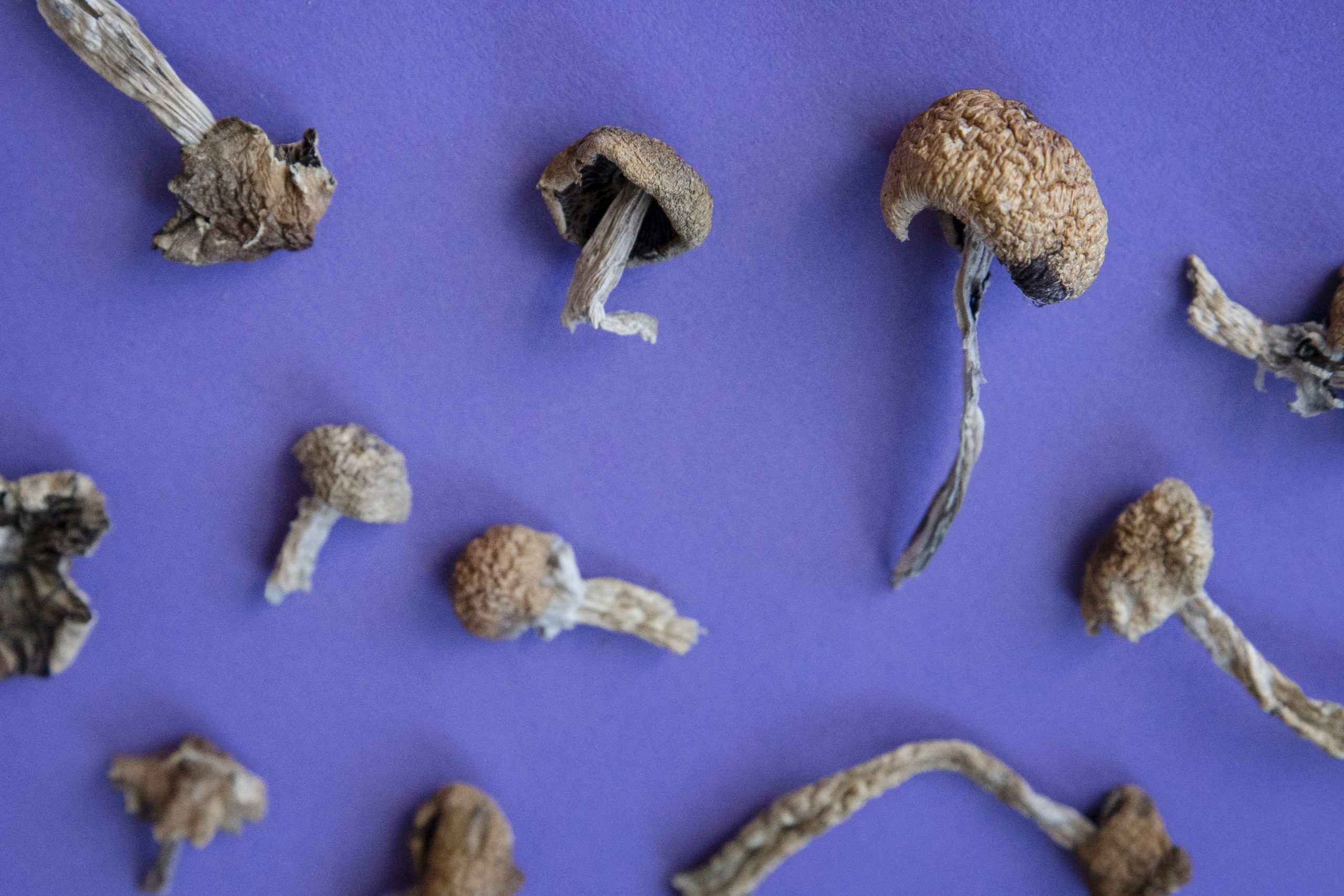
Beyond the legal nuances, distinguishing between different types of mushrooms is a critical safety matter. Colorado’s forests and meadows host numerous species of mushrooms, including popular edible varieties like porcini, morels, and oyster mushrooms, alongside highly toxic species that can be deadly if ingested. Interspersed among these are also psilocybin-containing mushrooms.
The appearance of psychoactive mushrooms can sometimes mimic edible or even toxic species, making identification extremely difficult for the untrained eye. Relying on casual identification or unverified sources can have severe, life-threatening consequences. Foraging for mushrooms without expert knowledge is inherently risky.
Safety First: Avoiding Toxic Species
The dangers of misidentifying mushrooms cannot be overstated. There are many “look-alike” species, where a toxic mushroom might closely resemble an edible one. Symptoms of mushroom poisoning can range from gastrointestinal distress to liver failure, kidney damage, and even death. Emergency medical services in Colorado regularly respond to cases of mushroom poisoning, highlighting the pervasive risk.
For tourists, the safest approach is to never consume a wild mushroom unless it has been positively identified by a certified mycologist or an expert with extensive local knowledge. Even then, caution is advised. It is not recommended for visitors, who are unfamiliar with local flora and fungi, to attempt foraging for any type of mushroom on their own.
Guided Foraging Tours
For those genuinely interested in learning about Colorado’s fungal diversity, seeking out educational opportunities is the best approach. Several organizations and local guides offer guided nature walks and foraging tours focused on identifying edible mushrooms (non-psychoactive types) or simply appreciating the ecological role of fungi. These tours provide a safe and educational way to explore the state’s natural beauty and learn about its ecosystems without the risks associated with improper identification or illegal activity. Always ensure any tour you consider focuses solely on legal, non-psychoactive mushrooms and emphasizes safety and conservation.
The Broader Context: Health and Wellness Tourism in Colorado
Colorado’s progressive stance on natural medicines positions it at the forefront of a burgeoning health and wellness tourism trend. While direct access to psilocybin for tourists is not currently available, understanding the state’s long-term vision offers valuable context for those interested in holistic well-being.
Therapeutic Applications and Emerging Retreats
The Natural Medicine Health Act explicitly outlines a path for supervised, therapeutic access to psilocybin and psilocin through licensed healing centers. These centers are envisioned as environments where individuals can undergo guided psychedelic experiences under the supervision of trained facilitators, primarily for mental health and wellness purposes. While these centers are not yet operational, their eventual establishment could mark a significant shift in how therapeutic tourism might evolve in Colorado.
For now, tourists seeking wellness experiences in Colorado can explore a wide range of established legal options, from spa retreats and mindfulness workshops to outdoor adventure therapy and nutritional programs. These existing offerings provide ample opportunities for rejuvenation and personal growth within the current legal framework.
Cultural Sensitivity and Respect
As a tourist, approaching the topic of natural medicines in Colorado with cultural sensitivity and respect is paramount. The state’s voters passed Proposition 122 with therapeutic intent, recognizing the potential of these substances for mental health and healing. It is not intended for casual recreational use that might disrupt local communities or create public safety concerns. Respecting this underlying intention helps maintain the positive momentum surrounding these reforms and fosters a harmonious environment for both residents and visitors.
Staying Informed: Future Regulatory Changes
The legal framework surrounding natural medicines in Colorado is still in its nascent stages. The Colorado Department of Regulatory Agencies is actively involved in drafting and implementing the rules for the licensed healing centers and facilitators. This means that the landscape could evolve significantly in the coming years. For interested tourists, staying informed about these developments through official state resources is advisable. Before any visit, consulting the latest official government websites for updates on the Natural Medicine Health Act can provide the most current and accurate information.
In conclusion, while Colorado has indeed moved to decriminalize psilocybin mushrooms and is setting up a regulated therapeutic access model, it is far from an open “legal” market for tourists. Responsible tourism requires understanding these nuances, adhering to current laws, prioritizing safety, and respecting the cultural and therapeutic intentions behind Colorado’s progressive approach to natural medicines. Enjoy the beauty and unique offerings of Colorado with an informed and mindful perspective.
LifeOutOfTheBox is a participant in the Amazon Services LLC Associates Program, an affiliate advertising program designed to provide a means for sites to earn advertising fees by advertising and linking to Amazon.com. Amazon, the Amazon logo, AmazonSupply, and the AmazonSupply logo are trademarks of Amazon.com, Inc. or its affiliates. As an Amazon Associate we earn affiliate commissions from qualifying purchases.