
Understanding the demographic landscape of Texas is a complex endeavor, particularly when it comes to the population of individuals residing within its borders without legal authorization. The question of “how many illegal immigrants in Texas?” is not only a matter of statistical curiosity but also a critical factor influencing policy discussions, resource allocation, and the overall social fabric of the Lone Star State. This exploration delves into the available data, methodologies, and challenges inherent in estimating such a population, providing a nuanced perspective on a topic often characterized by oversimplification.
Estimating the Undocumented Population: Methodologies and Challenges
Accurately quantifying the number of undocumented immigrants is a formidable task due to the very nature of their legal status. These individuals, by definition, operate outside formal governmental registration and oversight, making direct enumeration impossible. Consequently, researchers and policymakers rely on indirect estimation methods, which, while valuable, are subject to inherent limitations and varying degrees of uncertainty.
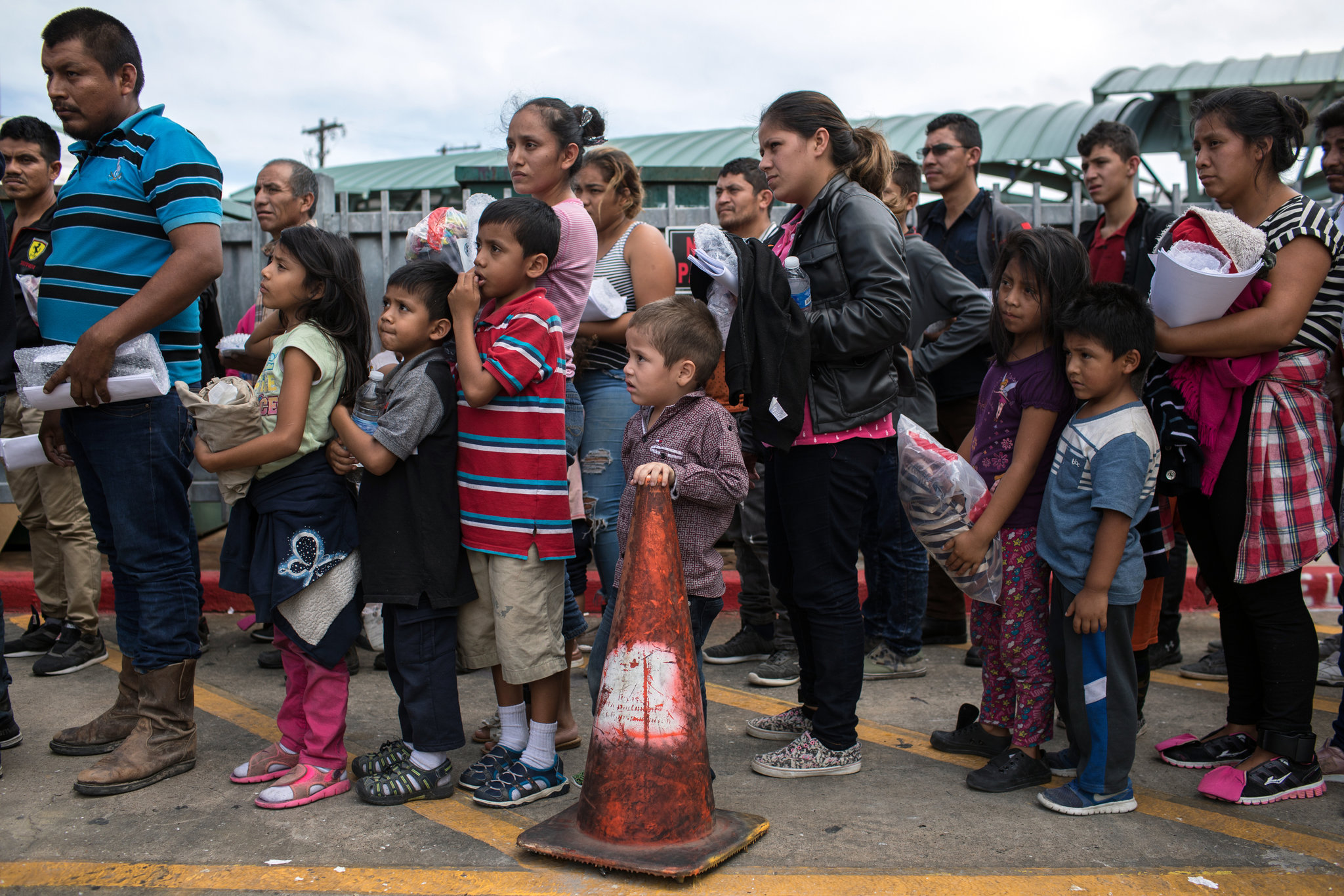
Data Sources and Analytical Approaches
Several key data sources and analytical approaches are employed to derive estimates:
-
Census Data and Demographic Analysis: The U.S. Census Bureau conducts decennial censuses and ongoing surveys like the American Community Survey. While these surveys capture demographic information for the entire population, specific questions about immigration status are not directly asked in a way that would precisely identify undocumented individuals. However, analysts can infer the presence of undocumented immigrants by comparing the enumerated foreign-born population with data on legal immigration, visa overstays, and estimated emigration. This method, often referred to as the “residual method,” involves calculating the difference between the total foreign-born population and the sum of documented immigrants (legal permanent residents, temporary visa holders, etc.) and naturalized citizens.
-
Administrative Data: Data from government agencies, such as the Department of Homeland Security (DHS), can provide insights into border encounters, apprehensions, and removals. While these figures offer a glimpse into border enforcement activities, they do not directly represent the total undocumented population residing in the interior of the country. Many individuals who have crossed the border may have successfully evaded apprehension, and others may have entered through legal ports of entry with visas that have since expired (visa overstayers).
-
Surveys and Field Research: Specialized surveys conducted by academic institutions and research organizations aim to capture information from immigrant communities, including those who are undocumented. These surveys often employ sampling techniques designed to reach hard-to-enumerate populations, using methods like respondent-driven sampling or snowball sampling. While these surveys can provide valuable qualitative and quantitative data, their scope is often limited to specific geographic areas or demographic groups, making broad generalizations challenging.
-
Economic Indicators: Researchers sometimes use economic data, such as employment figures and tax contributions, to indirectly estimate the undocumented population. For instance, analysis of labor force participation among foreign-born individuals, coupled with knowledge of legal work authorization rates, can help in estimating the number of undocumented workers. However, this approach is subject to assumptions about labor market dynamics and the accuracy of reported employment data.
The Challenge of Imprecision
Each of these methods comes with its own set of challenges:
- Underreporting and Non-response: Undocumented individuals may be less likely to participate in surveys or provide accurate information due to fear of detection and deportation. This can lead to an underestimation of their numbers.
- Data Gaps: Comprehensive and consistently collected data on all facets of immigration status is not always available. For example, precise figures on visa overstays are difficult to track accurately.
- Dynamic Population Flows: The undocumented population is not static. It is influenced by ongoing border crossings, deportations, voluntary departures, and pathways to legal status. This constant flux makes any snapshot estimate quickly become outdated.
- Methodological Differences: Different research organizations and government agencies may use slightly different methodologies, leading to a range of estimates rather than a single, universally agreed-upon figure.
The Undocumented Population in Texas: Key Estimates and Trends
Given these methodological complexities, any figure presented for the undocumented population in Texas should be understood as an estimate, often accompanied by a margin of error.
Major Research Findings
Several prominent research bodies have published estimates for the undocumented population in Texas.
-
The Pew Research Center has consistently reported on immigration trends in the United States. Their analyses often draw from Census Bureau data and other sources to estimate the size and characteristics of the undocumented population by state. For Texas, these estimates typically place the undocumented population in the millions, often ranking it among the states with the largest undocumented foreign-born populations.
-
The Center for Migration Studies (CMS) is another organization that publishes research on immigration. Their methodologies might differ, leading to potentially different figures, but generally align with the understanding that Texas is a significant destination for undocumented immigrants.
-
The Migration Policy Institute (MPI) also conducts extensive research. MPI’s work often provides detailed breakdowns of the undocumented population by state, including demographic characteristics and economic contributions. Their estimates for Texas have also indicated a substantial presence.
These estimates, while varying slightly, consistently point to Texas as a state with one of the largest undocumented immigrant populations in the United States, second only to California. The figures are often in the range of 1.5 to over 2 million individuals.
Demographic Characteristics and Geographic Distribution
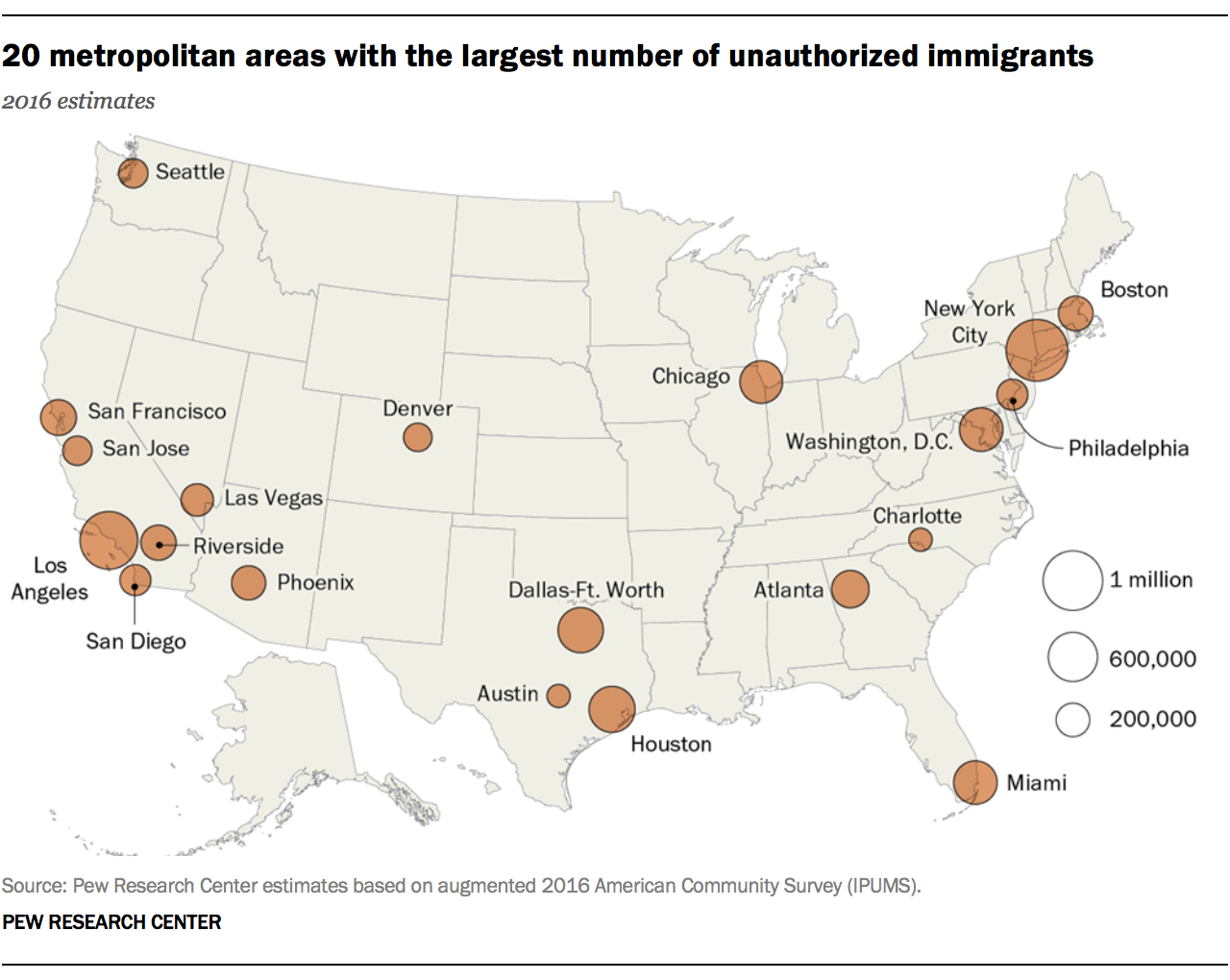
Within Texas, the undocumented population is not uniformly distributed. Major metropolitan areas such as Houston, Dallas, San Antonio, and Austin tend to have larger undocumented populations due to greater economic opportunities and established community networks. Border regions also experience significant flows, though the dynamics there can be more transient and directly influenced by enforcement efforts.
Demographically, the undocumented population in Texas, as elsewhere in the United States, is diverse. A significant majority comes from Mexico, but there are also substantial populations from Central American countries like El Salvador, Honduras, and Guatemala, as well as growing numbers from other parts of the world. The population includes individuals of all ages, though a substantial portion are working-age adults.
Factors Influencing Undocumented Immigration to Texas
Several interconnected factors contribute to Texas’s role as a major destination for undocumented immigrants.
Economic Pull Factors
The Texas economy, with its diverse sectors, offers significant employment opportunities that attract individuals seeking work.
- Labor Demand: Industries such as construction, agriculture, hospitality, and manufacturing in Texas have historically relied on immigrant labor, including undocumented workers. These sectors often provide jobs that may be physically demanding, less desirable to native-born workers, or offer wages that are attractive to those coming from countries with lower economic standing.
- Entrepreneurship and Small Businesses: Immigrants, regardless of their legal status, also contribute to the economy by starting businesses and creating jobs. This entrepreneurial spirit can further bolster the appeal of Texas as a place to establish a livelihood.
Geographic Proximity and Border Dynamics
Texas shares a long border with Mexico, making it a primary point of entry for those crossing into the United States without authorization.
- Border Infrastructure: The presence of border crossings, while heavily policed, also represents a direct pathway for migration. The sheer length of the border and the varying terrain present continuous challenges for enforcement.
- Push Factors from Origin Countries: Economic instability, violence, lack of opportunity, and political turmoil in countries of origin, particularly in Central America and Mexico, act as powerful “push factors” compelling individuals to seek refuge and economic stability elsewhere. Texas is often the first accessible destination.
Social Networks and Family Reunification
Established immigrant communities, including those of undocumented status, create robust social networks that can facilitate further migration.
- Community Support: These networks provide crucial support for new arrivals, including assistance with finding housing, employment, and navigating life in a new country. The presence of family members and friends already in Texas can significantly reduce the perceived risks and difficulties of migration.
- Family Ties: The desire to reunite with family members already living in Texas is a powerful motivator for undocumented immigration.
Impact and Policy Implications
The presence of a large undocumented population in Texas has far-reaching implications for the state’s economy, social services, and political landscape.
Economic Contributions
Despite their legal status, undocumented immigrants are significant contributors to the Texas economy.
- Labor Force Participation: They fill essential roles in various industries, supporting sectors that might otherwise face labor shortages.
- Consumer Spending: Undocumented immigrants earn wages, which they then spend on goods and services, stimulating local economies.
- Tax Contributions: While they may not pay federal income taxes in the same way as documented residents, undocumented immigrants pay sales taxes, property taxes (often indirectly through rent), and sales taxes. Some also pay payroll taxes (e.g., Social Security and Medicare) using Individual Taxpayer Identification Numbers (ITINs).
Social Services and Infrastructure
The presence of undocumented individuals places demands on public services, including schools, healthcare, and emergency services.
- Education: Public schools in Texas, like elsewhere in the United States, are legally mandated to educate all children, regardless of immigration status. This represents a significant investment by the state.
- Healthcare: Undocumented immigrants utilize emergency room services and other healthcare facilities, often at considerable cost to the providers and the state. Access to preventative care and primary healthcare can be limited due to cost and fear of deportation.

Policy Debates and Future Outlook
The question of “how many illegal immigrants in Texas?” is central to ongoing debates about immigration reform, border security, and state-level policies. Efforts to enforce immigration laws, provide pathways to legal status, and address the root causes of migration all intersect with the reality of this population. The future outlook for Texas will undoubtedly be shaped by how the state and the federal government address the complexities of undocumented immigration, balancing enforcement with humanitarian concerns and economic realities. The ongoing demographic shifts within Texas and the broader United States ensure that this remains a dynamic and critically important issue.
LifeOutOfTheBox is a participant in the Amazon Services LLC Associates Program, an affiliate advertising program designed to provide a means for sites to earn advertising fees by advertising and linking to Amazon.com. Amazon, the Amazon logo, AmazonSupply, and the AmazonSupply logo are trademarks of Amazon.com, Inc. or its affiliates. As an Amazon Associate we earn affiliate commissions from qualifying purchases.